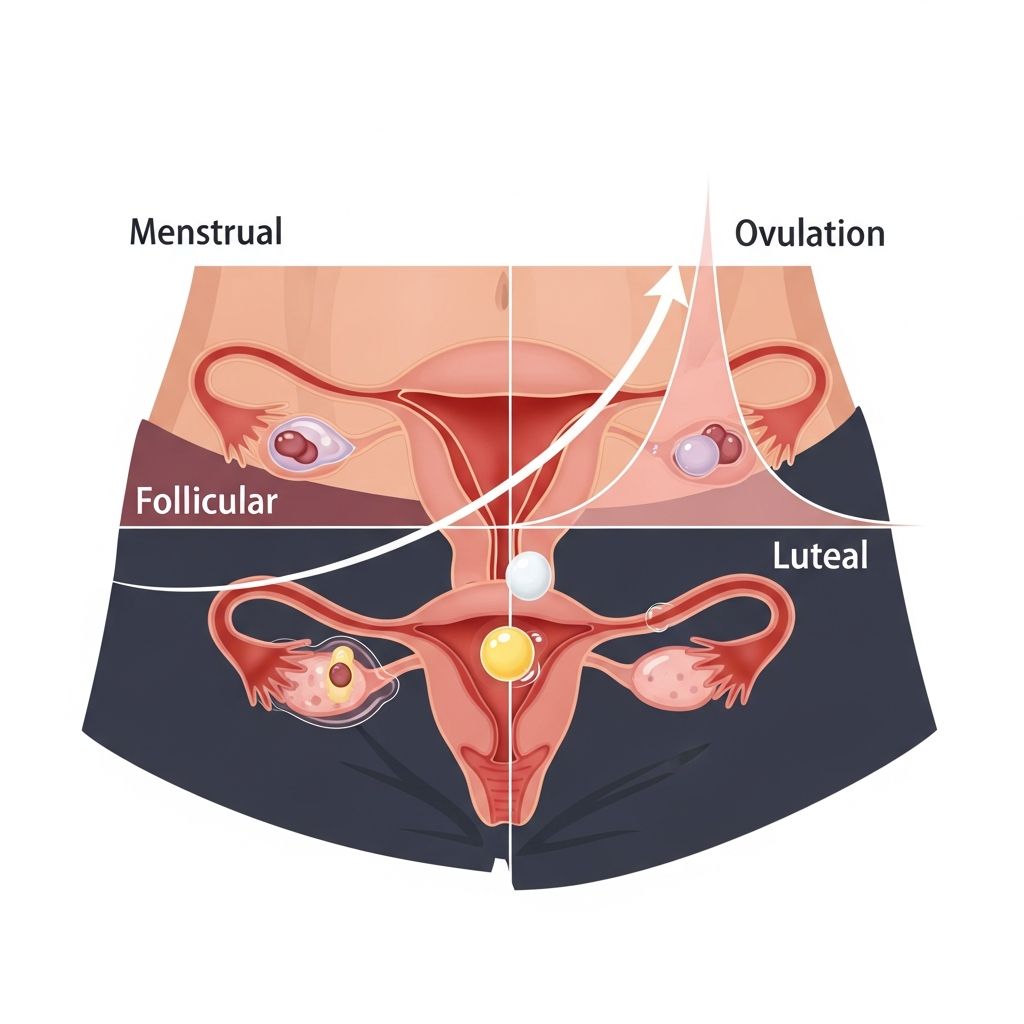
Misoprostol, a synthetic prostaglandin E1 analog, plays a key role in managing early pregnancy loss through medical means, offering a non-surgical option for many women.
Understanding Pregnancy Loss and Treatment Pathways
Early pregnancy loss, often termed miscarriage, impacts 15-20% of known pregnancies, typically occurring in the first trimester. When a miscarriage is confirmed via ultrasound—such as a missed or incomplete abortion—options include expectant management, surgical intervention like dilation and curettage (D&C), or medical treatment with medications like misoprostol.
Medical management allows the process to unfold at home, mimicking a natural miscarriage but accelerating it. This approach suits those preferring privacy and avoiding surgery, though success rates vary by regimen and gestational age.
How Misoprostol Works in the Body
Misoprostol induces uterine contractions and cervical ripening by mimicking prostaglandins, natural hormones that facilitate labor and expulsion of uterine contents. Originally FDA-approved for preventing gastric ulcers, its off-label use in obstetrics stems from robust evidence in reproductive health.
In miscarriage care, it softens the cervix and prompts the uterus to expel retained tissue, often within 24-48 hours. Combined with mifepristone—a progesterone blocker—it enhances efficacy by preparing the uterine lining.
Standard Protocols for Medical Management
Regimens are tailored to gestational age, typically effective up to 13-14 weeks. The American College of Obstetricians and Gynecologists (ACOG) endorses misoprostol, alone or with mifepristone, for early losses up to 84 days.
| Gestational Age | Preferred Regimen | Misoprostol Dose & Route | Effectiveness |
|---|---|---|---|
| Up to 84 days | Mifepristone + Misoprostol | 200 mg oral mifepristone, then 800 mcg vaginal misoprostol (24-48 hrs later) | 83-92% |
| If mifepristone unavailable | Misoprostol alone | 800 mcg vaginal/buccal/sublingual, repeat every 3 hrs up to 3 doses | ~85% within 1 week |
| >13 weeks (off-label) | Misoprostol monotherapy | 400-600 mcg sublingual, repeat as needed | Variable, per clinical judgment |
For incomplete abortion under 14 weeks, WHO recommends a single 400 mcg sublingual dose. Vaginal administration often yields higher success with fewer side effects than oral routes.
Step-by-Step Process of Treatment
1. Diagnosis: Ultrasound confirms non-viable pregnancy; blood tests may track hCG levels.
2. Medication Dispensing: Provider prescribes misoprostol (often 200 mcg tablets, totaling 800 mcg per dose).
3. Administration: Insert vaginally or place buccally/sublingually; avoid food/drink for absorption.
4. Cramping & Bleeding: Expect heavy bleeding (like a period, heavier with clots) and cramps 1-4 hours post-dose, peaking at 4-5 hours.
5. Tissue Passage: Whitish tissue expulsion signals completion, usually within 24 hours; pain eases thereafter.
A follow-up ultrasound or hCG test 1-2 weeks later verifies success. If incomplete, repeat dose or D&C may be needed.
Expected Side Effects and Pain Management
- Common: Cramping, nausea, diarrhea, fever/chills (from prostaglandins).
- Bleeding: Heavier than menses, lasting 1-2 weeks; soaking 2 pads/hour is normal initially.
- Rare but Serious: Excessive bleeding (>2L), infection signs (fever >100.4°F persisting), severe pain.
Manage pain with ibuprofen (600-800 mg every 6-8 hours) or acetaminophen; avoid aspirin due to bleeding risk. Heating pads and rest aid comfort. Nausea meds like ondansetron may be prescribed.
Effectiveness Rates and Influencing Factors
Combined mifepristone-misoprostol achieves 84-92% success for losses up to 84 days, outperforming misoprostol alone (71-85%). Factors lowering efficacy: advanced gestation (>64 days), prior uterine surgery, obesity.
If no bleeding by 48 hours, a second misoprostol dose boosts rates. About 15% need surgical follow-up.
Comparing Medical Management to Other Options
| Option | Pros | Cons | Success Rate |
|---|---|---|---|
| Expectant (Wait & See) | Non-invasive, no meds | 2-4 weeks wait, unpredictable bleeding | 80% eventually |
| Medical (Misoprostol ± Mifepristone) | Home-based, avoids surgery | Side effects, 24-48 hr process | 84-92% |
| Surgical (D&C) | Quick (minutes), immediate completion | Anesthesia risks, infection (rare), costlier | 95-99% |
Medical suits stable patients wanting privacy; surgery for heavy bleeding or preference for speed.
Special Considerations for Patients
Rh-Negative Women: Receive RhoGAM to prevent sensitization.
Breastfeeding: Safe; prostaglandins minimally enter milk.
Contraindications: Ectopic pregnancy (must rule out), severe anemia, coagulopathy, prior cesarean (caution >14 weeks due to rupture risk).
Emotional support is vital; miscarriage grief is common. Resources like counseling or support groups help.
When to Contact Your Provider
- No bleeding 24 hours post-dose.
- Bleeding soaks >2 pads/hour for 2+ hours post-peak.
- Fever >100.4°F >24 hours or foul discharge (infection).
- Severe abdominal pain unrelieved by meds.
- Fainting, dizziness from blood loss.
Seek ER care immediately for these; most issues are manageable.
Recovery and Emotional Aftercare
Physical recovery: Light bleeding 1-2 weeks; resume sex/tampons after 2 weeks or when bleeding stops. Contraception possible immediately (ovulation soon).
Fertility returns quickly; many conceive successfully next cycle. Track cycles; hCG clears in 2-6 weeks.
Emotionally, validate feelings—sadness, anger, relief. Therapy, peer groups, or hotlines aid healing.
Frequently Asked Questions
Is misoprostol FDA-approved for miscarriage?
No, it’s off-label but supported by ACOG, WHO, and studies for safety/efficacy.
How long does the process take?
Cramping starts 1-4 hours post-dose; tissue passes in 24-48 hours for most.
Can I drive home after taking it?
Yes, if no pain meds impairing; have support nearby.
What if it doesn’t work?
Repeat dose, wait, or opt for D&C; 85% succeed within a week.
Does it affect future pregnancies?
No evidence; fertility unchanged.
References
- Treatment Options for Miscarriage — BC Women’s Hospital. Accessed 2026. https://www.bcwomens.ca/health-info/pregnancy-parenting/miscarriage/treatment-options-for-miscarriage
- Misoprostol – StatPearls — NCBI Bookshelf. 2023. https://www.ncbi.nlm.nih.gov/books/NBK539873/
- Mifepristone and Misoprostol for Early Pregnancy Loss — AAFP. 2021-04-15. https://www.aafp.org/pubs/afp/issues/2021/0415/p473.html
- Misoprostol Treatment for Miscarriage — ANMC Guidelines. 2018. https://anmc.org/wp-content/uploads/guidelines04182018/CG_MisMisopPtEd.pdf
- Treatment of Miscarriage with Misoprostol/Cytotec — Nebraska Medicine. Accessed 2026. https://www.nebraskamed.com/sites/default/files/documents/pregnancy-childbirth/Cytotec_Misoprostol.pdf