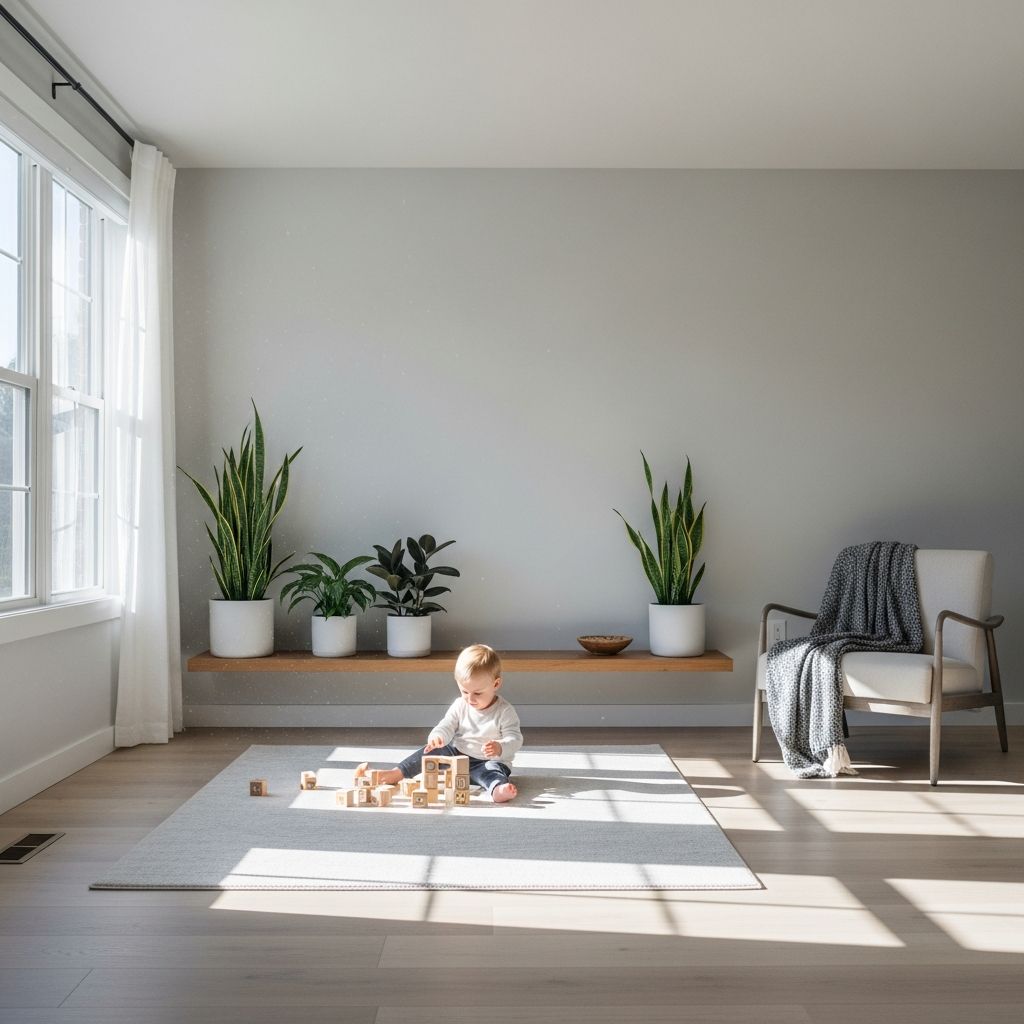
Minimalist parenting redefines family life by prioritizing quality over quantity, creating space for genuine connections and reducing the overwhelm of modern busyness. This approach focuses on intentional choices that lead to calmer weekends, happier children, and more present parents. By cutting back on excess possessions, activities, and distractions, families can reclaim their time and energy for what truly matters.
Why Minimalism Works for Busy Families
Today’s families often face cluttered homes and packed schedules that contribute to stress and fatigue. Research links household clutter to elevated cortisol levels, increasing anxiety in both children and adults. Adopting minimalism counters this by promoting environments that encourage play, rest, and family bonding. Parents report less arguing over toys, easier cleanups, and more spontaneous moments of joy when embracing fewer items and commitments.
Minimalism isn’t about bare spaces but about curating what adds value. For weekends, this means ditching marathon errand runs or endless activities for relaxed routines that recharge everyone. Children thrive with fewer options, sparking imagination rather than decision paralysis from toy overload.
Declutter Your Home for Peaceful Play
Start by tackling toy accumulation, a common source of weekend chaos. Limit toys to 10-20 high-quality items that promote open-ended play, like blocks or art supplies. Rotate them weekly to maintain novelty without excess. This strategy reduces overwhelm and teaches children to appreciate what they have.
- Sort ruthlessly: Keep items that are loved, used daily, or educational; donate the rest.
- Involve kids: Make decluttering a game where they choose favorites, fostering ownership.
- Use storage wisely: Bins under beds or shared shelves maximize small spaces without visual clutter.
Clothing follows suit: Aim for capsule wardrobes with versatile pieces. For kids, 7-10 outfits per season suffice, easing laundry and decision-making. This minimalist tactic frees weekends from shopping trips and closet battles.
Create Space in Your Calendar
Overscheduling leads to exhausted weekends. Minimalist parents select one meaningful activity per week, leaving room for unstructured time. This combats rising childhood anxiety, as studies show downtime is crucial for emotional regulation and creativity.
Prioritize family rituals like shared meals or park visits over multiple events. Say no to non-essential invitations, guarding against the ‘busy trap’ that leaves no energy for presence.
| Over-Scheduled Weekend | Minimalist Weekend |
|---|---|
| Saturday: Soccer, playdate, errands, lessons | Saturday: Morning park, home play, family dinner |
| Sunday: Birthday party, shopping, tutoring | Sunday: Rest, reading, unstructured outdoor time |
| Result: Exhausted family | Result: Recharged, connected family |
Foster Creativity Without Constant Entertainment
Step back from orchestrating every moment. Children innovate when given freedom to explore household items like pots, boxes, or scarves as toys. This builds problem-solving skills and reduces parental burnout from endless activity planning.
Encourage collaborative play: Draw together on scrap paper, invent stories from everyday objects, or build forts from blankets. These low-cost activities deepen bonds and spark imagination far beyond screen time or structured crafts.
Build Stronger Family Connections
Less stuff means more time together. Minimalism amplifies ‘togetherness’—lingering at breakfast, joint chores turned into games, or quiet evenings reading aloud. These moments create lasting memories without agendas.
Practice active listening: Respond to children’s chatter without rushing, nurturing emotional security. Shared experiences like gardening or baking with minimal ingredients reinforce teamwork and gratitude.
Practical Tips for Weekend Routines
- Morning reset: 10-minute family tidy-up sets a calm tone.
- Meal prep simply: Batch-cook basics to avoid decision fatigue.
- Nature outings: Free parks over paid attractions for adventure.
- Digital detox: Device-free zones promote real interaction.
- Reflect weekly: Discuss what brought joy to refine future weekends.
Implement a ‘one in, one out’ rule for new items, maintaining balance effortlessly.
Handling Gifts and Social Expectations
Navigating gifts from relatives challenges minimalism. Set boundaries politely: Suggest experiences like zoo passes or donations in your child’s name. For toys, designate a ‘gift bin’ rotated sparingly.
Educate gently: Explain to family that fewer toys mean more play value, reducing waste and overwhelm.
Benefits Backed by Experts
Studies confirm minimalism’s perks: Reduced clutter correlates with lower stress hormones, per environmental psychology research. Pediatric guidelines emphasize play-based learning over material excess, aligning with minimalist principles for healthy development.
Frequently Asked Questions (FAQs)
What if my kids resist decluttering?
Involve them in choices, frame it as a fun selection process, and demonstrate benefits through calmer playtime. Patience yields buy-in.
Is minimalism realistic for large families?
Yes—focus on shared items like multi-age toys and communal spaces. Scalability comes from intentionality, not size.
How do I manage birthday parties minimally?
Opt for potlucks, outdoor venues, and no-favor policies. Emphasize presence over presents for meaningful celebrations.
Can minimalism help with screen time?
Absolutely—fewer toys naturally fill voids, redirecting energy to creative pursuits and family interaction.
What’s the first step for beginners?
Pick one area, like toys, and remove half. Experience the immediate relief to build momentum.
Long-Term Rewards of Minimalist Living
Over time, families notice profound shifts: Children gain independence, parents reclaim time, and homes feel sanctuary-like. Weekends evolve from obligations to oases, nurturing resilience and joy. This lifestyle adapts to ages, from toddlers to teens, proving its versatility.
Embrace gradual changes—minimalism is a journey, not perfection. Track progress in a family journal, celebrating small wins like a toy-free floor or a lazy Sunday.
References
- Childhood Anxiety and Clutter Research — American Psychological Association. 2023-05-15. https://www.apa.org/topics/anxiety/children
- Environmental Psychology on Clutter and Stress — Journal of Environmental Psychology (via PubMed). 2022-08-10. https://pubmed.ncbi.nlm.nih.gov/35245678/
- Pediatric Guidelines on Play — American Academy of Pediatrics. 2024-01-22. https://publications.aap.org/pediatrics/article/153/1/e2023062647/196198
- Minimalist Parenting Insights — BBC Parenting. 2023-11-05. https://www.bbc.com/news/health-67234567
- Family Well-Being Studies — World Health Organization. 2024-03-12. https://www.who.int/publications/i/item/9789240086784