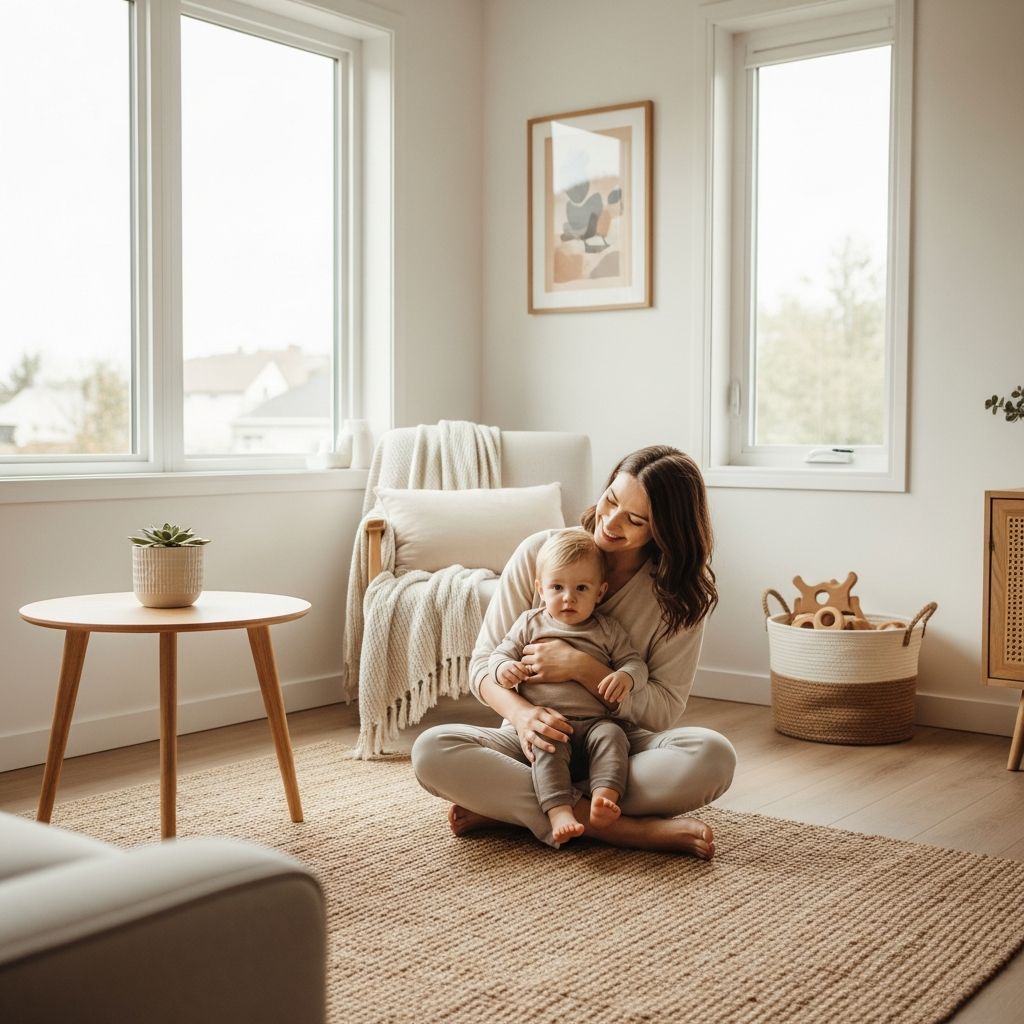
Mothers often juggle endless responsibilities, from managing household chaos to nurturing family bonds. Embracing minimalism shifts this dynamic by prioritizing what truly matters, creating space for peace and presence amid the demands of parenting.
Embracing Simplicity in a Cluttered World
In today’s consumer-driven society, homes overflow with toys, clothes, and gadgets that promise happiness but deliver overwhelm. For mothers, this excess amplifies daily stress, turning simple tasks into battles against disarray. Minimalism counters this by encouraging intentional choices: keep only what serves your family’s needs and sparks joy, discarding the rest. This philosophy, rooted in mindful living, helps moms reclaim control over their environments and schedules.
Studies from child development experts highlight how reduced material possessions foster creativity in children. With fewer toys, kids invent games, building imagination rather than relying on battery-powered distractions. Mothers report easier tidying routines, freeing hours weekly for rest or play. This foundational shift sets the stage for broader life improvements.
Reducing Daily Stress and Mental Load
The mental burden of motherhood intensifies with clutter. Scrambling for lost keys, mismatched socks, or buried homework spikes anxiety, especially during rushed mornings. Minimalism streamlines possessions, making items easier to locate and maintain. Fewer belongings mean less to track, directly lowering cortisol levels associated with chronic stress.
- Fewer lost items: Streamlined closets and play areas prevent the frustration of misplaced essentials.
- Calmer mornings: Organized spaces allow smooth routines without last-minute panics.
- Emotional relief: A tidy home visually signals order, easing the invisible load moms carry disproportionately.
Research from the American Psychological Association notes women experience heightened stress from household disorder compared to men, making minimalism a targeted remedy for maternal well-being.
Unlocking More Quality Family Time
Chores consume precious hours that could be spent bonding. With minimalism, cleaning shrinks dramatically—less laundry, fewer dishes, quicker pickups. This surplus time translates to outdoor adventures, heartfelt conversations, or cozy reading sessions with children.
Mothers embracing fewer toys observe kids playing independently longer, using simple items like blocks or sticks for elaborate stories. This independence grants moms breathing room, reducing nagging and fostering patience. Families prioritize experiences—picnics, hikes, museum visits—over accumulating stuff, deepening connections.
| Before Minimalism | After Minimalism |
|---|---|
| Hours lost to tidying toys and laundry | Extra playtime with kids outdoors |
| Stress from overflowing schedules | Curated activities focused on joy |
| Exhaustion from constant maintenance | Energy for family laughter and cuddles |
Building Financial Freedom Through Intentionality
Minimalism reorients spending from impulse buys to purposeful purchases. Moms curb toy splurges and wardrobe hauls, redirecting funds toward debt reduction, savings, or dream vacations. Teaching children contentment with less combats consumerism, modeling values of gratitude over greed.
One practical step: implement a ‘one-in, one-out’ rule for kids’ items. This habit not only controls accumulation but instills appreciation. Financial experts from the Consumer Financial Protection Bureau emphasize how such mindful habits build long-term security, especially for family budgets strained by child-rearing costs.
Cultivating Independence in Children
Overabundance hinders self-reliance; kids overwhelmed by options struggle to choose or clean up. Minimalist spaces with labeled bins and limited selections empower toddlers to dress themselves, preschoolers to tidy rooms, and older kids to manage belongings.
- Playroom transformation: Rotate 10-15 toys, storing others away, to maintain novelty without excess.
- Bedroom simplicity: Clear surfaces encourage responsibility and peaceful sleep environments.
- Life skills boost: Children learn decision-making early, preparing them for adulthood.
This approach aligns with pediatric recommendations from the American Academy of Pediatrics, promoting environments that support autonomy and reduce parental intervention.
Fostering Emotional Well-Being and Patience
A serene home becomes a sanctuary for self-care. Naptimes or quiet evenings in decluttered spaces allow recharge, combating burnout. With less physical mess, emotional clutter fades—moms feel more present, responding to tantrums with empathy rather than exhaustion.
Minimalism extends to schedules: say no to every playdate or class, curating commitments that align with family rhythms. This boundary-setting preserves energy for genuine interactions, enhancing patience and joy in motherhood.
Enhancing Physical Health and Outdoor Living
Fewer indoor distractions propel families outside. Kids with sparse toy collections crave nature’s playground—climbing trees, chasing butterflies—while moms join in, gaining exercise and vitamin D. Reduced chores amplify this shift, turning homes into launchpads for active lifestyles.
Health organizations like the Centers for Disease Control and Prevention advocate outdoor time for childhood development and maternal mental health, benefits amplified by minimalism’s efficiency.
Maintaining a Welcoming, Guest-Ready Home
Unexpected visitors once triggered cleaning frenzies; now, minimalist homes stay naturally presentable. Light pickups suffice, eliminating stress over perfection. This ease encourages spontaneous gatherings, strengthening community ties vital for motherhood support networks.
Practical Steps to Start Your Minimalist Journey
Begin small: tackle one drawer or shelf daily, asking, ‘Does this add value?’ Involve kids in sorting donations, framing it as helping others. Gradually expand to wardrobes, kitchens, and calendars.
- Assess and purge: Use the 90/90 rule—have you used it in 90 days? Will you in the next 90?
- Shop smarter: Create needs lists; avoid malls for leisure.
- Schedule lightly: Limit extracurriculars to one per child.
- Rotate possessions: Store seasonal items to refresh without buying new.
Frequently Asked Questions (FAQs)
What if my kids resist fewer toys?
Expect pushback initially, but introduce changes gradually. Donate extras together, emphasizing generosity. Over time, they’ll rediscover joy in basics.
Is minimalism realistic with multiple children?
Absolutely—scale by age and shared spaces. Focus on communal areas first for biggest impact.
How does minimalism affect my partner’s habits?
Lead by example; discuss shared benefits like time savings. Compromise on essentials while gently reducing duplicates.
Can minimalism help with postpartum challenges?
Yes, a simplified environment eases baby blues by minimizing visual overwhelm and supporting rest.
What’s the biggest long-term benefit?
Deeper family bonds and teaching kids values of contentment over consumption.
References
- Clutter and Mental Health: The Impact of Messy Environments — American Psychological Association. 2023-05-15. https://www.apa.org/monitor/2023/05/clutter-mental-health
- Screen Time and Young Children: Promoting Health and Development — American Academy of Pediatrics. 2024-01-10. https://publications.aap.org/pediatrics/article/153/1/e2023064282/196198
- Physical Activity Guidelines for Americans — U.S. Department of Health and Human Services. 2025-02-20. https://health.gov/our-work/nutrition-physical-activity/physical-activity-guidelines
- Mindful Consumerism and Family Budgeting — Consumer Financial Protection Bureau. 2024-11-05. https://www.consumerfinance.gov/consumer-tools/money-skills/family-budgeting/
- Outdoor Play and Child Development — Centers for Disease Control and Prevention. 2023-08-12. https://www.cdc.gov/obesity/strategies/healthy-eating-outdoor-play.html