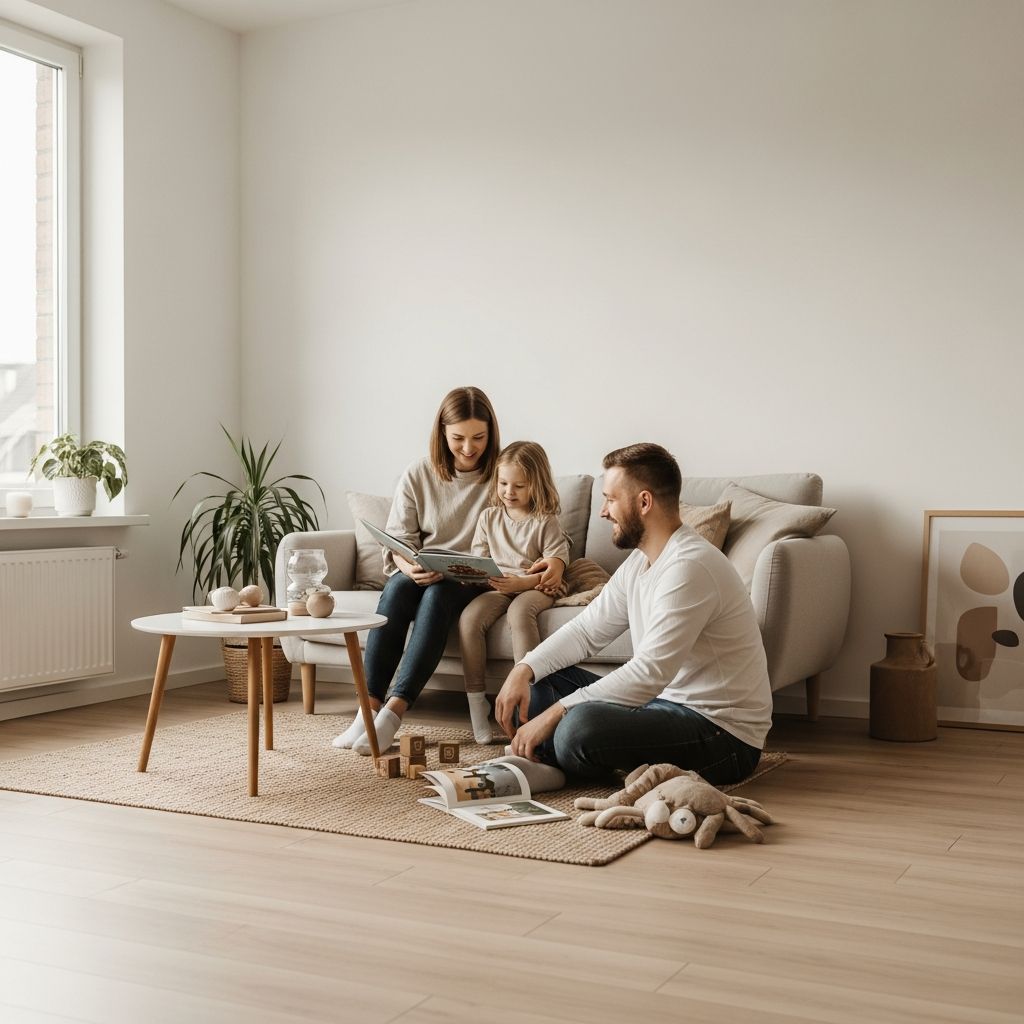
Modern parenting often feels overwhelming. Children’s toys multiply exponentially, closets overflow with forgotten items, and schedules become crammed with activities designed to fill empty spaces. For many families, this accumulation of possessions translates directly into accumulated stress, financial strain, and diminished connection time. However, a growing movement of parents is discovering that the opposite approach—owning less—creates space for what truly matters. By intentionally reducing their belongings and rethinking consumption patterns, families are finding renewed joy, stronger relationships, and a profound sense of peace within their homes.
Understanding the Emotional Weight of Possessions
Before implementing any organizational system or decluttering strategy, it’s essential to recognize that our relationship with objects extends far beyond their practical utility. Each item in our homes carries emotional significance, whether we acknowledge it consciously or not. A toy purchased impulsively during a moment of guilt, clothing kept to maintain a self-image that no longer resonates, or decorative pieces acquired simply because they seemed necessary—each represents a decision made during a particular emotional state.
When families embark on minimalist journeys, they often discover this emotional dimension through the decluttering process. As parents sort through accumulated belongings, they confront the reasons behind their purchases: were items bought to compensate for emotional needs, to meet perceived social expectations, or to fill a void created by busy, disconnected living? This awareness becomes transformative. By examining the emotional triggers connected to consumption, parents gain insight into their own behavioral patterns and begin to reshape not just their homes, but their fundamental approach to family life and decision-making.
This emotional reckoning creates an opportunity for deeper introspection. Parents who engage in this process often report feeling liberated, as though they’ve removed an invisible weight they didn’t fully recognize they were carrying. The burden of maintaining, organizing, and mentally tracking excess possessions diminishes, replaced by a sense of agency and intentionality about how their living space supports—or hinders—their desired lifestyle.
Reshaping Family Culture and Values
One of the most significant transformations that occurs when families embrace minimalism is a fundamental shift in their underlying values and cultural identity. When physical space opens up through decluttering, parents find they have capacity—both mental and temporal—to pursue activities and interests that genuinely matter to them. This newfound freedom allows families to develop a culture centered around creation and meaningful engagement rather than consumption and accumulation.
Families report shifting from environments where obtaining new things represents the primary source of entertainment and reward to spaces where collaborative activities become the norm. Parents discover they can develop artistic skills, family members spend time together playing strategic games or working through puzzles, and households develop traditions centered around shared experiences rather than shared purchases. During holiday seasons, instead of accumulating mountains of inexpensive, trendy items that quickly lose appeal, families invest in experiences: outings, adventures, or time spent together on projects that build memories.
This cultural evolution proves particularly powerful for children. Growing up in a home that prioritizes experiences over possessions, creativity over consumption, and quality time over material acquisition shapes how young people develop their own values and approach to adulthood. Children in minimalist households often demonstrate greater contentment, improved focus, and enhanced ability to entertain themselves through imaginative play rather than depending on purchased novelties for engagement.
Designing Intentional Living Spaces
Beyond the emotional and cultural dimensions, minimalism fundamentally changes how physical spaces function within family life. When parents move beyond the mindset of simply organizing more efficiently and instead ask themselves what they truly want their homes to support, they make radically different decisions about what to keep.
A minimalist home becomes deliberately designed to facilitate the activities and interactions that families value most. If children’s play and creativity rank high among family priorities, rooms remain open and uncluttered, providing space for building projects, art supplies, and movement. If family meals and togetherness are central values, dining areas become inviting gathering places free from visual chaos. If peaceful rest and rejuvenation matter, bedrooms shed excess decor and maintain calming environments conducive to genuine relaxation.
This intentional approach to space design eliminates a common source of family tension: the constant negotiation about where items should be stored, what constitutes clutter, and why spaces look the way they do. When families have explicitly decided what their homes should support and have removed everything that doesn’t serve that vision, the need for ongoing organizational debates diminishes significantly. Instead, the space itself communicates the family’s priorities and makes it naturally easier to maintain order without constant effort or conflict.
Strengthening Marital Partnerships Through Shared Vision
While discussions about minimalism often focus on parent-child relationships or individual wellness, the practice profoundly impacts partnerships between adults sharing households. When spouses embark on a minimalist journey together, they engage in a process that requires extensive communication, compromise, and alignment of values.
The decluttering process necessarily involves conversations about what each partner values, what they want their shared space to represent, and how they envision their daily lives functioning. These discussions often surface previously unspoken differences in priorities and lifestyle preferences. Resolving these differences collaboratively—deciding together which items represent shared values and which no longer serve the partnership—builds a stronger sense of unity and shared purpose.
Furthermore, when both partners commit to a minimalist approach, household responsibilities shift from sources of conflict into opportunities for collaboration. Rather than one partner feeling resentful about maintaining excessive possessions or managing overwhelming domestic tasks, couples find themselves working together toward a shared vision. Chores become more manageable when there is less to clean and organize, freeing time for connection. Respecting the other partner’s commitment to the minimalist vision often generates admiration and strengthens the emotional bond between spouses.
Reclaiming Time and Mental Energy
One of the most immediately noticeable benefits families experience after decluttering is the recovery of time previously consumed by maintaining excess possessions. Cleaning becomes faster when there are fewer surfaces to dust and fewer items to work around. Organizing becomes simpler when the volume of belongings fits naturally into available storage rather than overflowing and requiring constant rearrangement. Getting ready in the morning takes less time when wardrobes contain only pieces that fit well, feel good, and align with personal style, eliminating the frustration of searching through unsuitable options.
Beyond the quantifiable time savings, minimalism frees mental energy that was previously directed toward managing physical clutter. The psychological phenomenon often called “ambient stress”—the subtle, persistent anxiety created by visual disorder and disorganization—diminishes substantially in minimalist homes. Parents find they can focus more completely on their children, engage more fully in conversations with their partners, and experience genuine relaxation during downtime without the nagging awareness of disorder demanding attention.
This recovery of mental resources has cascading positive effects throughout family life. With attention no longer divided by the need to manage excess, parents demonstrate greater patience with children, experience fewer stress-related conflicts with partners, and model for their families what it looks like to live with intentionality and presence rather than distraction and overwhelm.
Financial Liberation and Conscious Consumption
Families who embrace minimalism inevitably develop a transformed relationship with money. The decluttering process makes visible the financial cost of impulse purchases, trend-chasing, and overconsumption. Parents confront the reality of money spent on items that provided temporary satisfaction but no lasting value, creating motivation for dramatically altered spending patterns.
Over time, minimalist families shift toward purchasing fewer items but prioritizing higher quality, greater durability, and genuine utility or beauty. This approach often results in equal or reduced overall spending, but the money spent goes toward items that genuinely serve the family’s needs and values. The practice of carefully considering each purchase before acquisition—asking whether an item will truly add value to family life or whether it represents habitual consumption—extends naturally into financial planning and goal-setting.
With reduced spending on unnecessary possessions, families often find improved financial stability, increased capacity to build emergency savings, or greater ability to invest in experiences and opportunities that matter most to them. Children raised in this environment develop healthier relationships with money and consumption, understanding that financial resources represent choices about what to prioritize and what to protect.
Creating the Foundation for Personal Growth
Perhaps unexpectedly, minimalism facilitates personal development for both parents and children. The decluttering process itself provides extensive practice in decision-making, forcing individuals to engage in thousands of small choices about what deserves space and attention. This deliberate practice builds confidence in one’s ability to make decisions and take action, creating a sense of agency and control over one’s environment and life direction.
For children, growing up in a minimalist household cultivates critical thinking about consumption, emotional awareness regarding the psychological drivers behind purchasing impulses, and contentment with experiences and relationships rather than material accumulation. These developmental advantages often translate into improved academic focus, reduced anxiety, and greater resilience in the face of challenges.
Parents frequently report that their minimalist journey catalyzed personal transformations extending far beyond their homes. The practice of examining their relationship with possessions often prompts broader reflection about their values, priorities, and how they spend their finite time and energy. Many parents discover they have capacity for hobbies, creative pursuits, or professional development they had previously thought impossible to fit into their busy lives.
Navigating Common Challenges
Implementing minimalism within family systems does present genuine challenges, particularly when family members hold different attitudes toward possessions or when children’s attachment to toys conflicts with parental minimalist aspirations. Success typically requires flexibility: rather than imposing a predetermined aesthetic or possession count, families benefit from allowing each member some autonomy over their personal space while collaboratively maintaining shared areas.
Resistance from children often diminishes when they participate in the decision-making process rather than simply finding their belongings removed by parents. When children understand the reasoning behind minimalism and have agency in deciding what to keep, they tend to embrace the approach rather than resent it. Similarly, allowing different family members to maintain varying levels of minimalism in their personal spaces while keeping common areas organized prevents the practice from feeling restrictive or punitive.
Sustaining Minimalist Practices Over Time
The initial decluttering process represents only the beginning of a minimalist lifestyle. Sustaining the benefits requires ongoing attention to what enters the home and regular evaluation of whether retained possessions continue to serve the family’s evolving needs and values. Many families find success through establishing systems: setting boundaries around gift-giving, implementing one-in-one-out policies, and scheduling regular assessment periods to ensure the home remains aligned with family priorities.
Minimalism functions most effectively when it’s understood not as a rigid set of rules but as a flexible framework supporting each family’s unique values and lifestyle. What minimalism looks like for a family with young children differs from what it looks like for empty-nesters, and what works for one household may need adaptation for another. The core principle—owning intentionally rather than by default—remains consistent even as specific applications vary.
Frequently Asked Questions
Q: How do I start minimizing when my family is resistant?
A: Begin by decluttering your own personal space first, demonstrating the benefits without imposing change on others. Share your experience honestly and invite family members to participate gradually. Often, witnessing the positive impact motivates others to embrace minimalism.
Q: What if my children want to keep toys I think they should discard?
A: Respecting children’s autonomy over their possessions builds their decision-making skills. Guide them through questions about whether toys bring joy or serve a purpose, but allow them the final choice. This teaches critical thinking rather than instilling shame about possessions.
Q: Can minimalism work with a large family?
A: Yes, larger families often benefit most from minimalism. With more people and possessions, chaos and stress multiply quickly. Minimalism provides tools to manage complexity and create functional, peaceful spaces even with many household members.
Q: How do I handle guilt about getting rid of gifts?
A: Remember that keeping an item out of guilt serves neither the giver nor your family. The gift’s purpose was to show care, which was accomplished when received. Letting go of items that don’t fit your life honors that sentiment while maintaining your family’s wellbeing.
Q: Is minimalism expensive to implement?
A: No. Minimalism requires time and emotional energy but minimal financial investment. You may donate items, recycle, or give away possessions without cost. Any organizational tools or new items purchased should be minimal and truly necessary.
Conclusion
The transformation that families experience through embracing minimalism extends far beyond having tidier homes or reduced cleaning time. By thoughtfully examining their relationship with possessions and intentionally designing their physical and family environments, parents create spaces that support genuine connection, reduced stress, enhanced financial stability, and aligned values. The practice invites families to ask fundamental questions about how they want to live, what they truly prioritize, and how their homes and possessions either support or undermine their vision for family life. For families ready to undertake this journey, the rewards—stronger relationships, greater peace, and a profound sense of living with intention—prove transformative.
References
- How Minimalism Changed my Motherhood, Marriage, Homemaking — Simple on Purpose. Accessed April 2026. https://simpleonpurpose.ca/how-minimalism-changed-my-motherhood/
- Less Things, More Time: How Embracing Minimalism Transforms Parenthood — Miss Cathie. Accessed April 2026. https://www.misscathie.com/less-things-more-time-how-embracing-minimalism-transforms-parenthood/
- How embracing minimalism has changed this family’s life — Minimalist Journeys. Accessed April 2026. https://www.minimalistjourneys.com/minimalism-for-families/
- How Minimalism With a Family is Possible — Wellness Mama. Accessed April 2026. https://wellnessmama.com/organization/minimalism/
- Minimalism Before And After: How It Changed My Life — Simply Fiercely. Accessed April 2026. https://www.simplyfiercely.com/minimalism-changed-life/