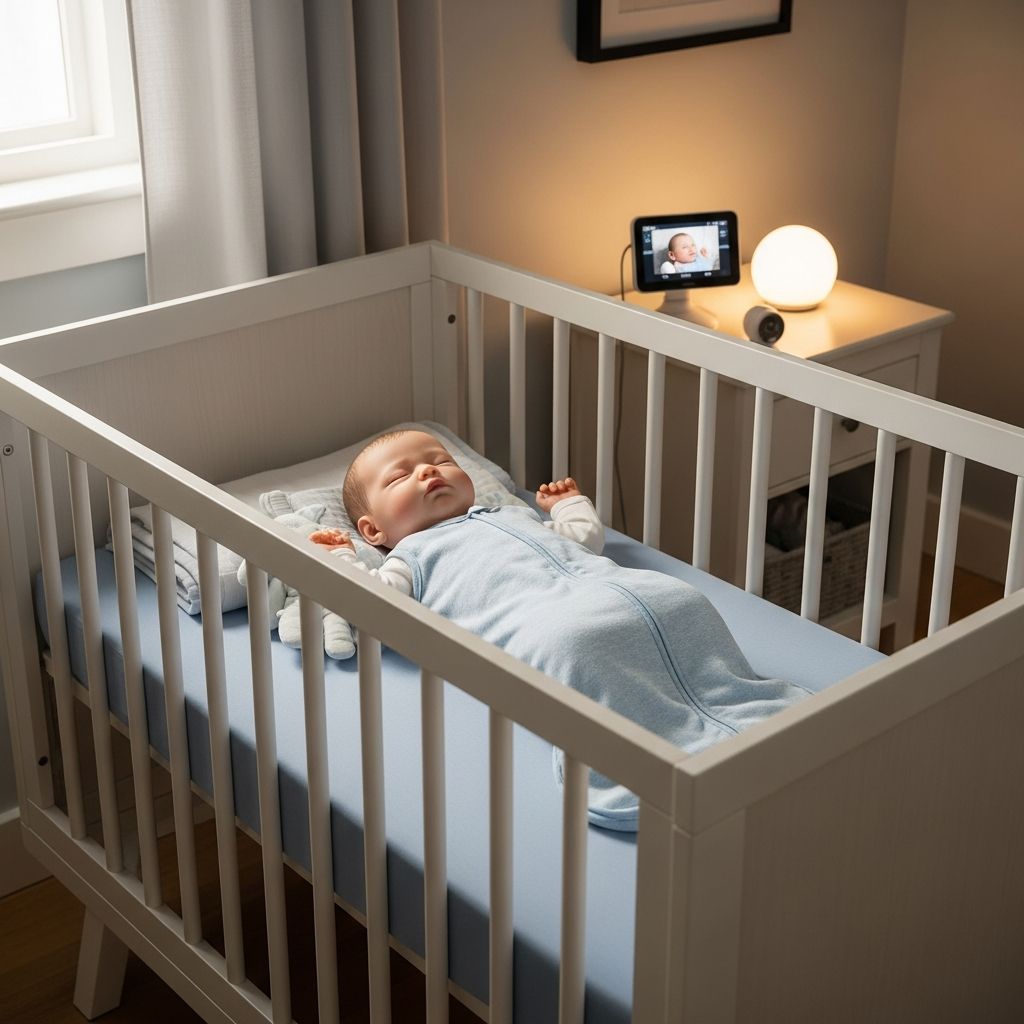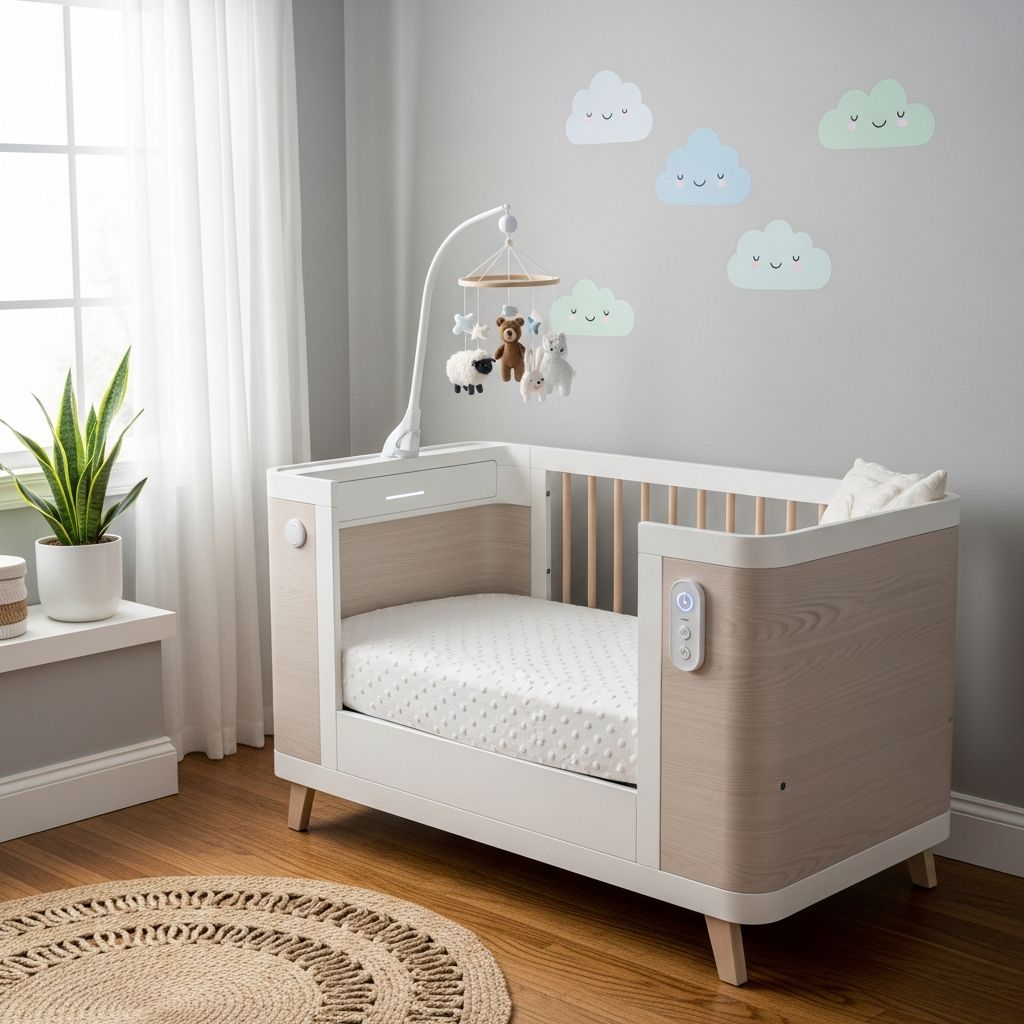
Mini cribs offer a compact, flexible, and stylish way to give your baby a dedicated sleep space, even when your home or nursery is on the smaller side. They bridge the gap between a bassinet and a full-size crib, providing more longevity than many newborn bassinets while still fitting into tight rooms or shared spaces.
What Exactly Is a Mini Crib?
A mini crib is a smaller version of a traditional crib, designed to save floor space while still offering a secure, enclosed sleep area for infants and young toddlers. Its footprint is typically narrower and shorter than a standard crib, but it uses a real crib mattress rather than a soft bassinet pad.
Unlike a bassinet, which is meant only for the first few months, many mini cribs accommodate adjustable mattress heights and can be used well into the toddler years, depending on the model’s weight limit and your child’s size and development.
Mini Crib vs. Standard Crib vs. Bassinet
Parents often feel overwhelmed when deciding between a bassinet, mini crib, or full-size crib. The best choice depends on your available space, your budget, and how long you want to use the sleep space before transitioning to a bigger bed.
The comparison below highlights the most important differences so you can quickly see which option aligns with your lifestyle.
Key Differences at a Glance
| Feature | Mini Crib | Standard Crib | Bassinet |
|---|---|---|---|
| Typical footprint | Smaller, good for tight spaces | Larger, needs dedicated nursery space | Very small, ultra-compact |
| Longevity of use | From newborn to early toddler (varies by model) | From newborn through toddler, often converts | Short term, usually only for first months |
| Portability | Often has wheels or folds, moderately portable | Generally stationary and heavy | Highly portable, sometimes designed for travel |
| Mattress size | Smaller, specific mini-crib mattresses required | Standard size, easy to find accessories | Thin pad, not a traditional mattress |
| Best for | Small nurseries, apartments, room-sharing beyond newborn stage | Families with more space, long-term crib use | Newborn stage and frequent room moves |
Who Benefits Most from a Mini Crib?
A mini crib can be a smart choice for families who want room-sharing beyond the first few months, or who are working with a very small nursery, multipurpose room, or studio apartment. It allows your baby to sleep close by without dominating the room.
Mini cribs also work well for families planning for multiple children who need flexible furniture that can move between rooms or be stored when not in use. Some families even keep a mini crib at a grandparent’s home as a more permanent, safer alternative to a travel play yard.
Common Situations Where Mini Cribs Shine
- Parents living in apartments, condos, or tiny homes.
- Families sharing a bedroom with baby for the first year or longer.
- Homes where the “nursery” is actually a corner of another room.
- Grandparents or caregivers who need occasional but safe baby sleep space.
- Parents who expect to move soon and want a lighter, portable crib.
Safety Basics: What to Look For
Any sleep product for babies must meet current safety standards and provide a firm, flat surface with no soft bedding or loose objects. When evaluating mini cribs, prioritize models that comply with modern crib regulations and have clearly stated weight and height limits.
Also consider construction quality: solid hardware, stable legs, and smooth, well-finished edges make daily use safer and more comfortable for both you and your baby.
Essential Safety Checklist
- Firm, snug-fitting mini-crib mattress with minimal gaps at the sides.
- Slats spaced closely enough that baby’s head cannot fit through.
- Sturdy frame with no wobble when you shake it gently.
- Non-toxic, baby-safe paints or finishes that resist chipping.
- Clear assembly instructions and parts that lock securely into place.
- No drop-side rails or aftermarket add-ons that alter the crib’s design.
Important Features to Consider
Beyond basic safety, the features of a mini crib influence how long you can use it and how convenient it is day to day. Thinking about your long-term plan can help you decide what’s truly worth paying for.
Below are key features to compare when you’re browsing options online or in stores.
Adjustable Mattress Heights
Many mini cribs allow you to position the mattress at different levels. A higher setting makes life easier when your baby is tiny and you’re recovering physically, while lower levels keep an older, more mobile baby safely contained.
Look for at least two or three mattress positions so you can gradually lower the mattress once your child can sit, pull up, or attempt climbing.
Convertibility and Longevity
Some mini cribs convert to a toddler bed, daybed, or even a twin-size bed using separate conversion kits. This can extend the life of your purchase and spread the cost over more years of use.
If you prefer to transition to a floor bed or full-size crib later, convertibility may not be as important as an affordable price and a compact footprint.
Portability and Storage
For families who move between rooms or travel regularly, portability becomes a major plus. Certain mini cribs fold flat or include wheels so you can roll the crib between rooms for naps and nighttime sleep.
Folding designs can also be stored easily when not in use, making them ideal as a second crib at a caregiver’s home.
Materials and Design Style
Mini cribs come in a wide range of materials, from solid hardwood to engineered wood, with finishes that span traditional to ultra-modern. Choose a style that fits your space and is easy to wipe clean.
Neutral colors like white, natural wood, or gray blend well as your decor evolves, while bolder finishes can create a focal point in a minimalist room.
Pros and Cons of Choosing a Mini Crib
Every sleep setup involves trade-offs. A mini crib is not automatically better or worse than a standard crib; it simply prioritizes certain benefits over others. Understanding the pros and cons can help you feel confident about your decision.
Main Advantages
- Space efficiency: Fits into tight corners, shared bedrooms, or small nurseries.
- Extended use vs. bassinet: Usually lasts longer than typical bassinets designed only for the first months.
- Improved room layout: Leaves more space for a chair, dresser, or play area.
- Portability: Often lighter and easier to move than a full-size crib.
- Stylish designs: Many mini cribs look like scaled-down versions of designer cribs.
Potential Drawbacks
- Shorter lifespan than full-size cribs: Tall toddlers may outgrow them faster.
- Mattress and sheet availability: Requires mini-crib-specific sizes, which may offer fewer color and fabric choices.
- Resale or reuse: If you later move to a larger home, you might wish you had chosen a full-size convertible crib from the start.
- Limited conversion options: Not all mini cribs convert to larger beds.
How Long Can a Baby Sleep in a Mini Crib?
There is no single age when all babies outgrow a mini crib, because growth patterns and motor skills vary. Instead, rely on the manufacturer’s listed weight limit, the maximum recommended mattress height, and your child’s ability to climb or attempt escape.
Many families find that a mini crib comfortably serves them from birth well into the second year, at which point they transition to a toddler bed, floor bed, or standard crib depending on space and safety considerations.
Practical Shopping Tips for Mini Cribs
Shopping for baby gear can feel like navigating a maze of marketing terms and accessories. Focusing on a few simple priorities can keep you from overspending while still landing a crib that works for your family.
Steps to Choose the Right Mini Crib
- Measure your space: Mark the floor where you imagine placing the crib, including room to walk around and open drawers or closet doors.
- Set a budget: Decide in advance how much you are comfortable spending on the crib, mattress, and basic linens.
- Check safety and certifications: Confirm that the crib meets current crib safety standards and uses baby-safe finishes.
- Read real-world reviews: Look for consistent feedback about sturdiness, ease of assembly, and mattress fit.
- Plan your accessories: Add at least two fitted sheets and a waterproof mattress protector designed for the mini-crib size.
Designing a Small Nursery Around a Mini Crib
A mini crib can act as the anchor of a small nursery, allowing you to design a cozy but uncluttered room. Choosing multi-purpose furniture and vertical storage will help you make the most of every inch.
Space-Saving Ideas
- Use wall shelves instead of bulky bookcases for books and decor.
- Choose a dresser that doubles as a changing station by adding a secure changing pad on top.
- Opt for under-crib storage baskets or boxes for extra diapers, wipes, or backup linens.
- Keep decor simple with a limited color palette so the room feels calm, not crowded.
- Place a compact chair or rocker, if space allows, near the crib for nighttime feeds.
Mini Crib Setup Checklist
Once your mini crib arrives, a thoughtful setup ensures you are ready before baby comes home. Assemble the crib well ahead of time so you can air out new furniture smells and make sure all hardware is secure.
Before Baby Arrives
- Assemble the crib following the manufacturer’s instructions step by step.
- Verify that no pieces are missing, loose, or damaged.
- Place the crib away from windows, cords, and shelves with heavy objects.
- Install the mattress on the highest safe setting for a newborn, if adjustable.
- Wash crib sheets and mattress protectors with a gentle, fragrance-free detergent.
Frequently Asked Questions About Mini Cribs
Are mini cribs as safe as full-size cribs?
Mini cribs can be just as safe as standard cribs when they are built to current crib safety standards and used with a firm, well-fitting mattress. Safety depends on the design, construction quality, and how you use the crib, not the overall footprint alone.
Do I need a bassinet as well as a mini crib?
Many families choose either a bassinet or a mini crib rather than both. A mini crib can serve from day one and may remove the need to buy a separate bassinet, especially if it fits comfortably beside your bed for nighttime feeds.
What kind of mattress does a mini crib use?
Mini cribs require a mattress specifically sized for that crib’s interior dimensions. Always use a firm mattress designed for infant sleep, and avoid thick toppers, soft pads, or makeshift cushions that can create suffocation risks.
Will I have trouble finding sheets and mattress protectors?
While there are typically fewer options than for standard crib sizes, mini-crib mattress sheets and protectors are widely available from many baby brands and online retailers. It helps to buy a couple of extras at the same time you purchase the crib so you always have a clean set on hand.
When should I transition my child out of a mini crib?
Transition when your child reaches the crib’s weight or height limit, or when they repeatedly try to climb out, even at the lowest mattress setting. At that point, consider moving to a toddler bed, floor bed, or larger crib, depending on your space and your child’s readiness.
Final Thoughts
A mini crib offers a balanced solution for parents who want safe, dedicated sleep space without surrendering their entire bedroom or nursery to a large crib. By focusing on safety, quality, and thoughtful features like adjustable mattress heights and portability, you can choose a mini crib that works with your home rather than against it.
With the right setup and realistic expectations about how long it will last, a mini crib can be a comfortable, practical home base for your baby’s earliest years.