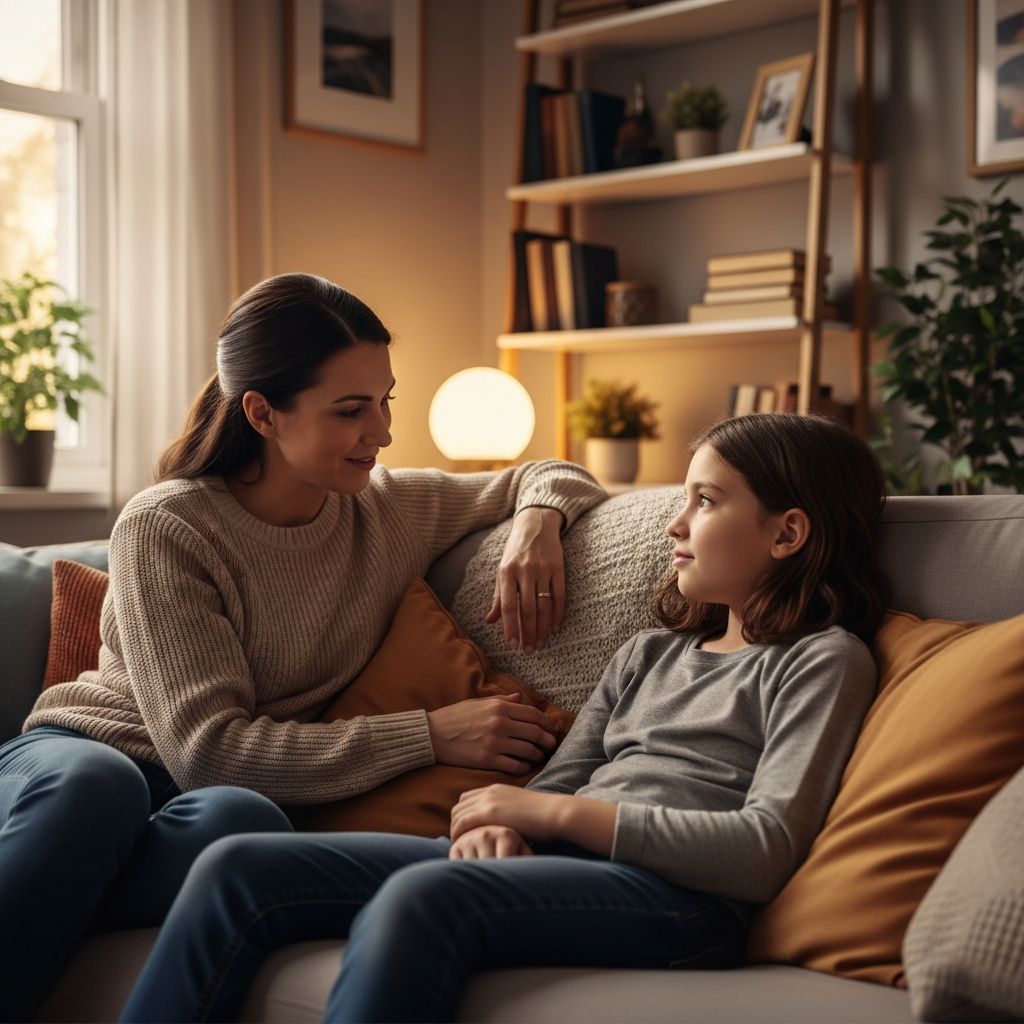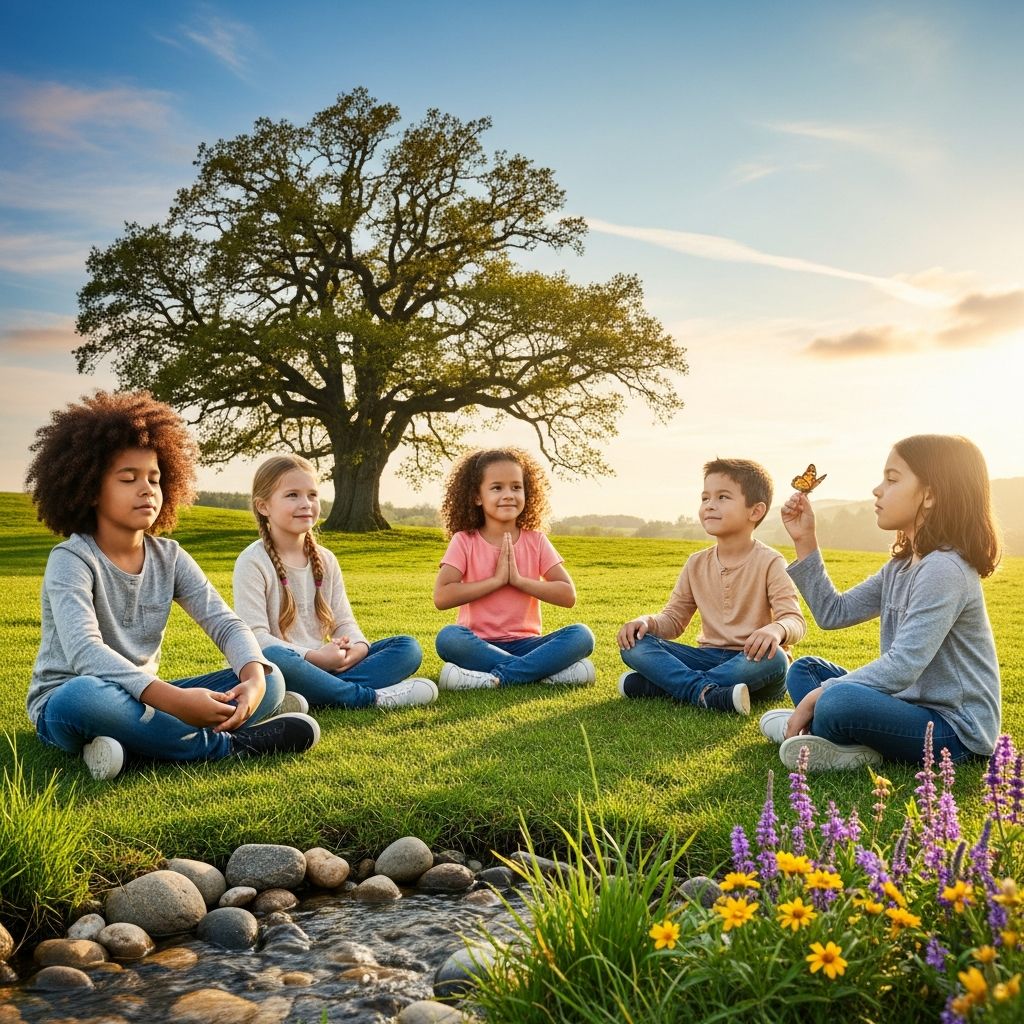
Kids deal with busy schedules, big feelings, and lots of changes. Mindfulness gives them simple tools to pause, notice what is happening inside and around them, and respond with more calm and confidence.
This guide explains mindfulness in kid-friendly language and offers practical ideas adults can use to help children build these skills in everyday life.
What Mindfulness Really Means (Kid Version)
Many people think mindfulness is only about sitting still and clearing your mind, but that is not the full picture. Health and child-development experts describe mindfulness as paying attention to the present moment on purpose, with curiosity and without harsh judgment.
For kids, a simple way to explain this is:
- Paying attention to what you feel in your body, what you are thinking, and what is happening around you.
- Doing it on purpose, instead of running on “autopilot.”
- Noticing experiences with kindness and curiosity, instead of calling them good or bad right away.
In mindfulness, it is completely normal for the mind to wander. The practice is gently noticing that wandering and coming back to a focus point again and again, such as the breath.
Why Mindfulness Matters for Children
Researchers and pediatric clinicians have found that regular mindfulness practice can make a meaningful difference in children’s emotional and physical health.
Some key benefits include:
- Better focus and attention at school and during tasks.
- Improved emotional regulation and coping with anger, sadness, or worry.
- Lower stress and anxiety and a stronger ability to calm down after upsets.
- Stronger self-awareness and empathy toward others’ feelings.
- Healthier sleep and overall well-being when practiced regularly.
These skills support what psychologists call executive functions—mental skills that help kids plan, remember instructions, stay flexible, and manage impulses, which are important for learning and relationships.
How Mindfulness Helps the Body and Brain
Mindfulness is not just a nice idea; it changes how the brain and body handle stress. Studies show that mindfulness practices can affect brain regions linked with emotion, attention, and decision-making, and can strengthen the body’s natural calming systems.
| Area | What It Does | How Mindfulness Helps Kids |
|---|---|---|
| Parasympathetic nervous system | Body’s “rest and digest” system; helps calm heart rate and breathing. | Mindful breathing can strengthen this system, making it easier for kids to self-soothe. |
| Amygdala | Brain area linked to fear and strong emotions. | Regular practice is linked with reduced reactivity, so kids feel less overwhelmed by stress. |
| Hippocampus | Supports learning and memory. | Mindfulness has been associated with increased activity here, supporting learning and recall. |
| Prefrontal cortex | Involved in focus, planning, and impulse control. | Practices that build attention help strengthen executive functions and decision-making. |
Explaining Mindfulness to Kids in Simple Ways
Kids understand mindfulness best through images and everyday experiences. Adults can try descriptions like:
- “Mindfulness is like turning on a kind attention flashlight on one thing at a time.”
- “It is a way to check in with your body, your thoughts, and your feelings.”
- “It is practicing a pause button between feeling something and reacting.”
It also helps to explain that mindfulness is a skill built over time, just like learning to read or ride a bike. Minds wandering is not a failure—it is part of the exercise of gently bringing attention back.
Core Mindfulness Skills for Children
While there are many techniques, most kid-friendly mindfulness activities build a few core abilities:
- Noticing the breath – becoming aware of breathing without trying to change it too much.
- Body awareness – paying attention to physical sensations, such as tight shoulders or a warm face.
- Senses awareness – listening, looking, smelling, tasting, and touching with full attention.
- Emotion naming – recognizing and labeling feelings as they show up.
- Kind self-talk – practicing gentle, encouraging words toward oneself.
Age-Appropriate Ways Kids Can Practice
Mindfulness does not have to be long or serious to be effective. Short, playful practices can be very powerful, especially when repeated often.
Quick Everyday Ideas
- One-minute breathing: Invite a child to feel the air going in and out of the nose or belly for about 5–10 breaths.
- Mindful hands: Have them rub their hands together, then feel the warmth and tingling.
- Sound listening: Ask them to close their eyes and count how many different sounds they can notice.
- Mindful snack: Encourage very slow eating of one bite, noticing taste, smell, and texture.
- Pause before reacting: Practice taking two slow breaths before answering when upset.
Making Practices Fun
To keep kids engaged:
- Use imagination (for example, breathing like smelling a flower and blowing out a candle).
- Keep practices short and regular instead of long and rare.
- Join in and model mindfulness instead of only instructing.
- Avoid turning it into a punishment or something done only when a child is in trouble.
Mindfulness for Big Feelings
Mindfulness is especially helpful when children experience strong emotions such as anger, fear, jealousy, or sadness. Mental health research indicates that noticing emotions as they arise, naming them, and relating to them with curiosity can improve emotional regulation and resilience.
3 Steps to Mindful Feelings
- Notice: “What is happening in my body right now? Is my chest tight? Is my face hot?”
- Name: “This feeling is worry.” “This feeling is anger.”
- Nurture: “What would help me right now? A breath, a break, or talking to someone?”
Over time, kids can learn that feelings come and go like waves. They do not have to act on every urge the moment it appears.
Tips for Parents, Caregivers, and Teachers
Adults play a key role in helping children explore mindfulness. Experts recommend weaving it into everyday routines rather than treating it as a separate subject.
- Practice together: Doing activities alongside children normalizes the practice and shows that it helps grown-ups too.
- Start small: Aim for a few minutes a day and let interest grow naturally.
- Connect to daily life: Use moments like waiting in line, getting ready for bed, or walking outside as natural practice times.
- Use clear language: Talk about “paying attention on purpose” and “being kind to yourself” rather than complex spiritual ideas.
- Honor differences: Some kids prefer movement-based activities; others like quiet focus. Adjust practices to the child.
Common Myths About Mindfulness and Kids
Misunderstandings can prevent families and schools from trying mindfulness. Clarifying these myths makes it easier to get started.
- Myth 1: Kids have to sit perfectly still.
Reality: Many children benefit from short, active practices like walking, stretching, or using their senses rather than long seated meditations. - Myth 2: Mindfulness means emptying the mind.
Reality: Thoughts will show up. The practice is noticing them and coming back to the present moment, again and again. - Myth 3: It is only for very calm children.
Reality: Mindfulness can be especially useful for kids who feel restless, anxious, or easily upset, as long as practices are adapted to their needs and paired with professional care when needed. - Myth 4: Results should appear right away.
Reality: Like any other skill, benefits grow with regular practice over weeks and months.
When Mindfulness Supports Mental Health Care
Mindfulness can be one helpful tool within a broader support plan for children, especially those facing anxiety, attention difficulties, or medical treatments. Research involving children and adolescents suggests that mindfulness-based exercises can reduce negative emotions and strengthen resilience, especially when guided by trained professionals.
However, mindfulness does not replace medical or psychological care. If a child shows ongoing signs of distress—such as sleep problems, big changes in appetite, frequent stomachaches or headaches, or loss of interest in usual activities—it is important to seek guidance from a healthcare provider or mental health professional.
Frequently Asked Questions (FAQs)
At what age can kids start practicing mindfulness?
Very young children can learn simple awareness skills, such as noticing their breathing or listening for sounds. For preschool and early elementary children, practices should be brief, playful, and based on senses or movement.
How long should a mindfulness session be for a child?
Many experts recommend starting with 1–5 minutes and adjusting based on the child’s age and interest. Short, frequent sessions are usually more effective than long, occasional ones.
Does mindfulness help children with attention or behavior challenges?
Mindfulness can help some children develop greater awareness of impulses and improve their ability to pause before acting, which may support attention and behavior when combined with other treatments and supports.
Can mindfulness replace therapy or medication?
No. Mindfulness is a helpful skill but not a substitute for professional care. For children with significant mental health concerns or medical conditions, mindfulness should be used alongside guidance from qualified healthcare providers.
What if a child says they do not like mindfulness?
It can help to try different formats—shorter exercises, more movement, or activities built into daily routines—rather than forcing a single type of practice. The goal is to offer options and model curiosity, not to make mindfulness another task they must complete.
References
- Mindfulness for Kids — Mindful.org. 2023-05-01. https://www.mindful.org/mindfulness-for-kids/
- Mindfulness for kids: Benefits and how to explain it to children — Calm. 2023-06-15. https://www.calm.com/blog/mindfulness-for-kids
- Benefits of Mindfulness — Children’s Hospital Colorado. 2022-09-20. https://www.childrenscolorado.org/doctors-and-departments/departments/psych/mental-health-professional-resources/primary-care-articles/mindfulness/
- Benefits of Mindfulness for Children — Empowering Education. 2022-03-10. https://empoweringeducation.org/blog/benefits-of-mindfulness-for-children/
- Mindfulness Practices for Children and Adolescents Receiving Mental Health Services — Psychiatric Clinics of North America. 2022-06-01. https://www.ncbi.nlm.nih.gov/pmc/articles/PMC9163650/
- Why Mindfulness is Important for Kids — Pacific Health Group. 2023-02-01. https://mypacifichealth.com/mindfulness-for-kids-activities-benefits/
- Mindfulness Practices for Children and Families — ZERO TO THREE. 2021-11-05. https://www.zerotothree.org/resource/mindfulness-practices-for-families/