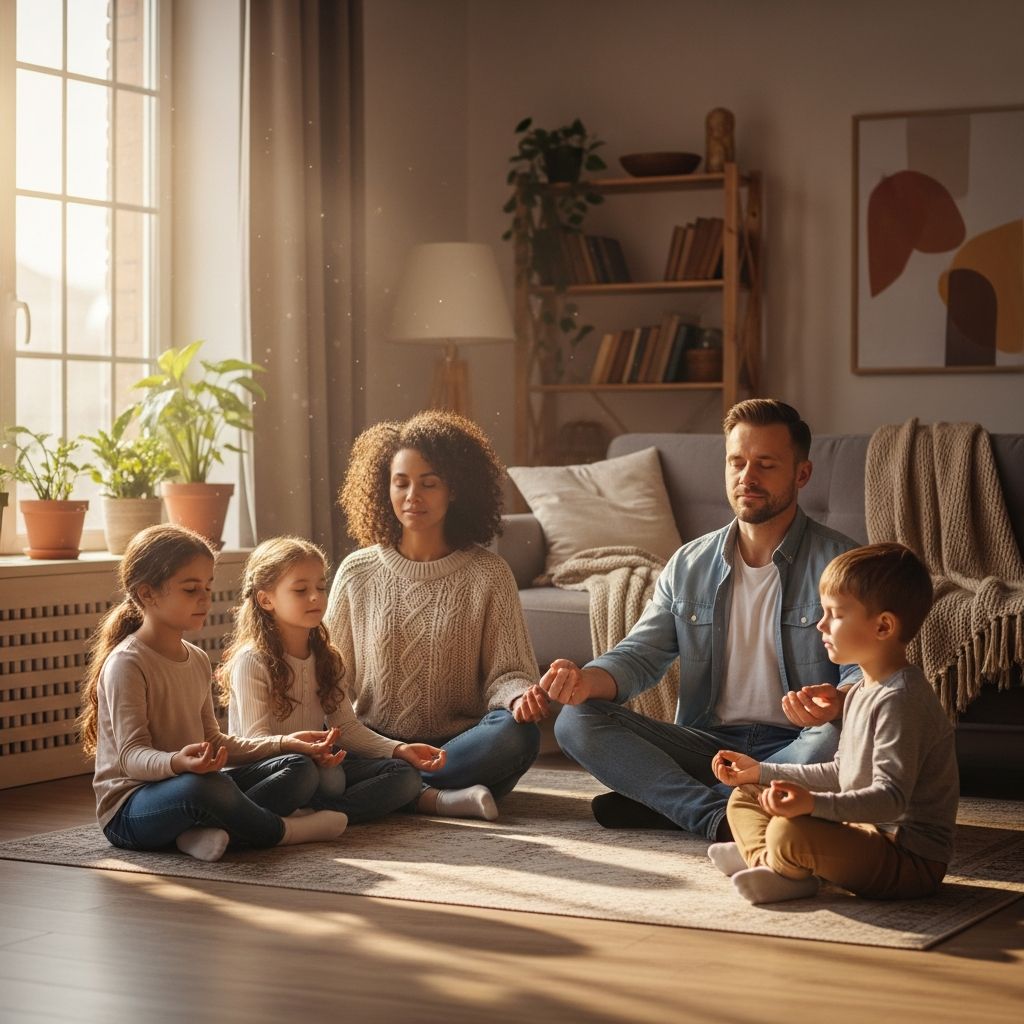
Children today grow up in a fast-paced, highly stimulating world where their minds and bodies rarely get a chance to slow down. Mindfulness and meditation give kids simple, practical tools to pause, notice what is happening inside and around them, and choose more balanced responses instead of reacting on impulse. These skills support emotional regulation, learning, sleep, and overall well-being across childhood.
What Mindfulness Really Means for Children
Mindfulness, in a child-friendly sense, is the ability to pay full attention to the present moment with curiosity and kindness. Rather than trying to empty the mind, children learn to notice thoughts, sensations, and feelings without getting swept away by them. This awareness creates a small but powerful pause between a feeling and a reaction, which is where better choices can happen.
- Present-moment focus: Kids learn to shift from worrying about the future or replaying the past back to what is happening right now.
- Non-judgmental noticing: Experiences are observed as “something happening” rather than “good” or “bad,” which reduces shame and self-criticism.
- Compassionate mindset: Mindfulness includes kindness toward oneself and others, a foundation for empathy and healthy relationships.
Meditation is one structured way to practice mindfulness, usually by focusing attention on something simple, such as the breath, sounds, or a repeated word. For kids, mindfulness can also happen while drawing, walking, eating, or even brushing teeth, as long as attention and curiosity are present.
Why Mindfulness Matters in the Modern Childhood Landscape
Many children juggle schoolwork, extracurriculars, screens, social pressures, and family stress. Their nervous systems are asked to process more information and emotions than ever before, often with fewer natural pauses built into the day. When children do not have ways to release stress or understand their feelings, it can show up as tantrums, withdrawal, sleep issues, difficulty concentrating, or physical complaints like headaches or stomach aches.
Mindfulness does not remove life’s challenges, but it helps children develop internal tools to meet those challenges with more steadiness. Over time, regular practice can change habits of attention and response, much like exercise gradually strengthens muscles. This makes mindfulness a powerful complement to supportive parenting, healthy routines, and, when needed, professional care.
Core Benefits of Mindfulness and Meditation for Kids
Children do not need long or complex practices to benefit. Even a few minutes a day can begin to shift how they handle emotions, focus, and relationships. Below are key areas of impact that many families notice when mindfulness becomes part of daily life.
Emotional Regulation and Stress Relief
Mindfulness helps kids recognize early signs of big feelings in their bodies, such as a tight jaw, clenched fists, or a racing heart. When children can name what they feel and where they feel it, they are more able to use calming strategies before emotions explode. This improves mood stability and reduces the frequency or intensity of meltdowns and emotional outbursts over time.
- Children learn that feelings rise and fall like waves, which reduces fear of strong emotions.
- They develop self-soothing skills such as slow breathing, grounding through the senses, or moving their bodies mindfully.
- Parents gain a shared language with children to talk about emotions more calmly and constructively.
Attention, Learning, and Executive Function
Focusing on a single anchor, such as the breath or a sound, trains the brain to sustain attention and gently return when it wanders. These micro-moments of “notice and return” build the same mental muscles kids use for reading, problem-solving, and staying on task in class. Better attention control supports stronger executive function, including planning, organizing, and resisting impulses.
- Kids become more aware of distractions and less controlled by them.
- They build persistence by practicing returning attention again and again without criticism.
- Teachers and parents often see improvements in listening, following directions, and homework focus.
Resilience, Self-Esteem, and Social Skills
As children grow more familiar with their inner world, they start to believe they can handle difficult moments instead of feeling overwhelmed by them. This sense of psychological strength is a key ingredient in resilience. Mindfulness also nurtures empathy, because kids who notice and accept their own feelings are better able to understand and respect the feelings of others.
- Children gain confidence that they can calm themselves or ask for help when stressed.
- They become more considerate in conflicts, pausing to think before reacting.
- Classrooms and homes can become more cooperative as children practice kindness, gratitude, and listening.
Physical Well-Being and Sleep
Stress is not only emotional; it has physical effects on heart rate, breathing, digestion, and immune function. Gentle breathing and relaxation practices signal the body’s calming system to activate, lowering tension and easing discomfort. Many children find that winding down with a short mindfulness practice makes it easier to fall asleep and stay asleep.
- Relaxed breathing can support healthy heart rate and blood pressure patterns in growing bodies.
- Mindfulness can reduce restlessness at bedtime by shifting the focus from worries to soothing sensations or images.
- Better sleep supports mood, behavior, learning, and physical health.
Key Skills Mindfulness Builds in Children
Rather than viewing mindfulness as a single skill, it helps to think of it as a cluster of abilities that grow together. These abilities shape how children think, feel, and act across many situations, both at home and in school.
| Skill | What It Looks Like | How It Helps |
|---|---|---|
| Body Awareness | Noticing breathing, heartbeat, tension, and relaxation. | Early warning signs of stress become easier to spot and address. |
| Attention Control | Choosing where to focus and gently returning when distracted. | Improves concentration, listening, and learning tasks. |
| Emotional Literacy | Accurately naming feelings and their triggers. | Reduces confusion and outbursts; supports problem-solving. |
| Impulse Pause | Taking a breath before reacting or speaking. | Leads to fewer arguments, better decision-making, and safer choices. |
| Compassion | Responding with kindness to self and others during struggle. | Strengthens relationships, reduces bullying, and supports empathy. |
How to Introduce Mindfulness to Kids of Different Ages
Mindfulness needs to be adapted to a child’s developmental stage, attention span, and personality. The goal is to weave awareness into daily life in ways that feel natural rather than forced. Below are general guidelines and examples for different age ranges.
Preschoolers (3–5 Years)
Young children learn best through play, movement, imagination, and short, repetitive routines. At this age, the emphasis is on simple noticing rather than understanding complex explanations. Parents can model mindfulness and invite children to explore with a sense of wonder.
- Use the senses: Ask, “What can you hear right now?” or “Can you feel your feet on the floor?”
- Keep it very short: One to three minutes of mindful breathing, listening, or movement is enough.
- Make it playful: Turn breathing into blowing bubbles slowly or pretending to inflate a balloon in the belly.
School-Age Children (6–11 Years)
Children in this age range can handle slightly longer practices and are ready to understand how mindfulness helps them with school, friendships, and sports. They often enjoy concrete, step-by-step activities and may respond well to visual aids or simple recordings.
- Link to real-life benefits: Explain how breathing can help before a test, during homework frustration, or when a sibling is annoying.
- Introduce short seated practices: Three to eight minutes focusing on breath, sounds, or a guided story.
- Include movement: Slow stretching, mindful walking, or yoga-style poses can help active kids engage.
Preteens and Teens (12+ Years)
Older children and teens are often aware of stress, anxiety, social comparison, and pressure to perform. Mindfulness can support their growing independence, identity, and emotional complexity. At this stage, it is important to respect their autonomy and invite them to take ownership of their practice.
- Emphasize autonomy: Offer options, such as breathing exercises, body scans, journaling, or mindful music listening.
- Connect to their goals: Discuss how mindfulness can support sports performance, creativity, or better sleep.
- Use technology wisely: If desired, introduce age-appropriate mindfulness apps or audio practices while encouraging tech-free time as well.
Everyday Mindfulness: Weaving Practice into Family Routines
Children benefit most when mindfulness is not just a once-in-a-while activity, but a natural part of daily rhythms. The aim is not perfection but consistency. Short, predictable touchpoints throughout the day can gradually reshape how the whole family experiences stress and connection.
Morning Grounding Rituals
Starting the day with one mindful moment helps children meet the coming hours with more stability and intention. This can be very brief but still meaningful. Parents can participate to show that mindfulness is valuable for everyone, not only for kids.
- Share three slow breaths together before leaving the house or starting schoolwork.
- Invite each family member to say one thing they want to pay attention to kindly that day, such as patience or listening.
- Practice a quick body stretch, encouraging children to notice how their bodies feel as they wake up.
Mindful Transitions During the Day
Transitions, like coming home from school or switching from play to homework, are often when tempers flare and attention scatters. Mindfulness can smooth these edges by giving kids a chance to reset. Even a brief pause can reduce conflict and improve cooperation.
- Offer a “transition pause” where everyone takes one minute to breathe or stretch before starting the next activity.
- Use sensory cues, such as listening quietly to a chime or noticing three things you can see, to shift gears.
- Create a calming corner with a comfortable seat, soft lighting, and a few sensory items where a child can regroup.
Bedtime Wind-Down
Evenings are a natural time to reflect, release the day, and settle the nervous system. Repeating the same calming practices at night teaches the body to associate them with sleep. Over time, this can become a powerful, comforting ritual for both child and parent.
- Guide a simple body scan, inviting the child to notice and relax each part of the body from head to toe.
- Encourage slow, gentle breathing, perhaps with a favorite stuffed animal rising and falling on the belly.
- End with a brief “gratitude moment,” naming a few things that went well or felt kind that day.
Supporting Mindfulness Practice in Different Settings
Mindfulness is strongest when children experience it across the environments where they spend time: home, school, activities, and community. Parents can act as advocates and partners, sharing what works at home and learning from educators or coaches who use similar tools.
- At school: Work with teachers or school counselors to explore brief mindfulness breaks before tests, after recess, or during conflicts.
- In activities: Encourage coaches or leaders to integrate short focusing breaths or visualizations before games, performances, or practices.
- In healthcare settings: For children navigating medical challenges, gentle breathing and visualization can be discussed with healthcare professionals as part of coping strategies.
Common Obstacles and How to Work with Them
Parents sometimes imagine mindfulness as peaceful children sitting still with eyes closed. In real family life, there will be wiggles, resistance, and forgotten practices. These challenges are normal and can become part of the learning process rather than signs of failure.
- “My child won’t sit still”: Offer more movement-based mindfulness such as walking slowly, stretching, or dancing while paying attention to sensations.
- “They say it’s boring”: Keep practices brief and varied, and connect them to situations your child cares about (sports, friendships, sleep).
- “We keep forgetting”: Tie mindfulness to existing routines like brushing teeth, setting the table, or getting into the car.
- “I’m not calm enough”: Remember that modeling honest effort is more powerful than appearing perfect. Sharing your own struggles and small wins teaches resilience.
Sample Weekly Mindfulness Rhythm for Families
The table below offers a simple example of how a family might structure light, sustainable mindfulness touchpoints through the week. It is meant as inspiration rather than a strict plan, and can be adapted based on schedules, cultures, and individual needs.
| Day | Morning | After School / Afternoon | Evening / Bedtime |
|---|---|---|---|
| Monday | 3 shared breaths before leaving home | 1-minute listening practice (notice sounds) | Short body scan before sleep |
| Tuesday | Stretch and notice how muscles feel | Mindful snack (slowly taste each bite) | Gratitude sharing in bed |
| Wednesday | Set a kind intention for the day | 3 calming breaths after homework | Guided visualization of a peaceful place |
| Thursday | Notice 3 things you can see on the way to school | Mindful walk around the block | Slow breathing with a stuffed animal on the belly |
| Friday | Check-in: “How does your body feel today?” | Mindful drawing or coloring | Review one challenge from the week and how mindfulness helped or could help |
Frequently Asked Questions about Mindfulness for Kids
How much time should my child spend on mindfulness each day?
There is no single “right” number, but consistency matters more than duration. For most children, starting with one to five minutes once or twice a day is both realistic and beneficial. As they grow more comfortable, some may choose to lengthen practices, but brief, frequent touchpoints often work best.
Can mindfulness help with anxiety, attention issues, or behavior challenges?
Mindfulness and meditation are not cures, but they can be valuable supports for children experiencing anxiety, attention difficulties, or behavioral challenges. These practices help kids notice early signs of worry or restlessness and give them tools to calm their bodies and clarify their choices. Families should collaborate with healthcare or mental health professionals when significant concerns exist, using mindfulness as one piece of a comprehensive support plan.
What if my child does not like meditation?
Some children dislike the word “meditation” or the idea of sitting still. In these cases, focus on mindful activities rather than formal practice. Slow walking, stretching, drawing, or even mindful play can build the same skills of attention and awareness when done with intention and curiosity.
Do I need to be an expert in mindfulness before teaching my child?
Expertise is not necessary; willingness to learn alongside your child is enough. When parents practice even a little mindfulness themselves, they better understand what their children are trying to do and can respond with empathy. Simple guidance, a calm tone, and honest modeling are more impactful than perfect technique.
Is mindfulness connected to any religion?
Mindfulness has roots in ancient contemplative traditions, but in many modern settings it is taught as a secular, science-informed approach to attention and emotional health. Families of any or no religious background can adapt mindfulness practices to fit their values and beliefs. The focus in this context is on skills such as noticing, breathing, and responding with kindness.
Bringing It All Together in Your Family
Mindfulness and meditation offer children a lifelong toolkit for meeting stress, emotions, and relationships with greater steadiness and care. When practiced in short, age-appropriate ways and supported by warm, responsive parenting, these skills can transform everyday family moments: tantrums become teachable pauses, homework becomes a chance to practice focus, and bedtime becomes a ritual of connection instead of conflict.
Parents do not need to create perfectly peaceful homes to give their children the benefits of mindfulness. What matters is a gentle commitment to noticing, breathing, and beginning again, side by side. Over time, those small, repeated choices can help kids grow into adults who know how to care for their inner world, even when the outer world feels chaotic.