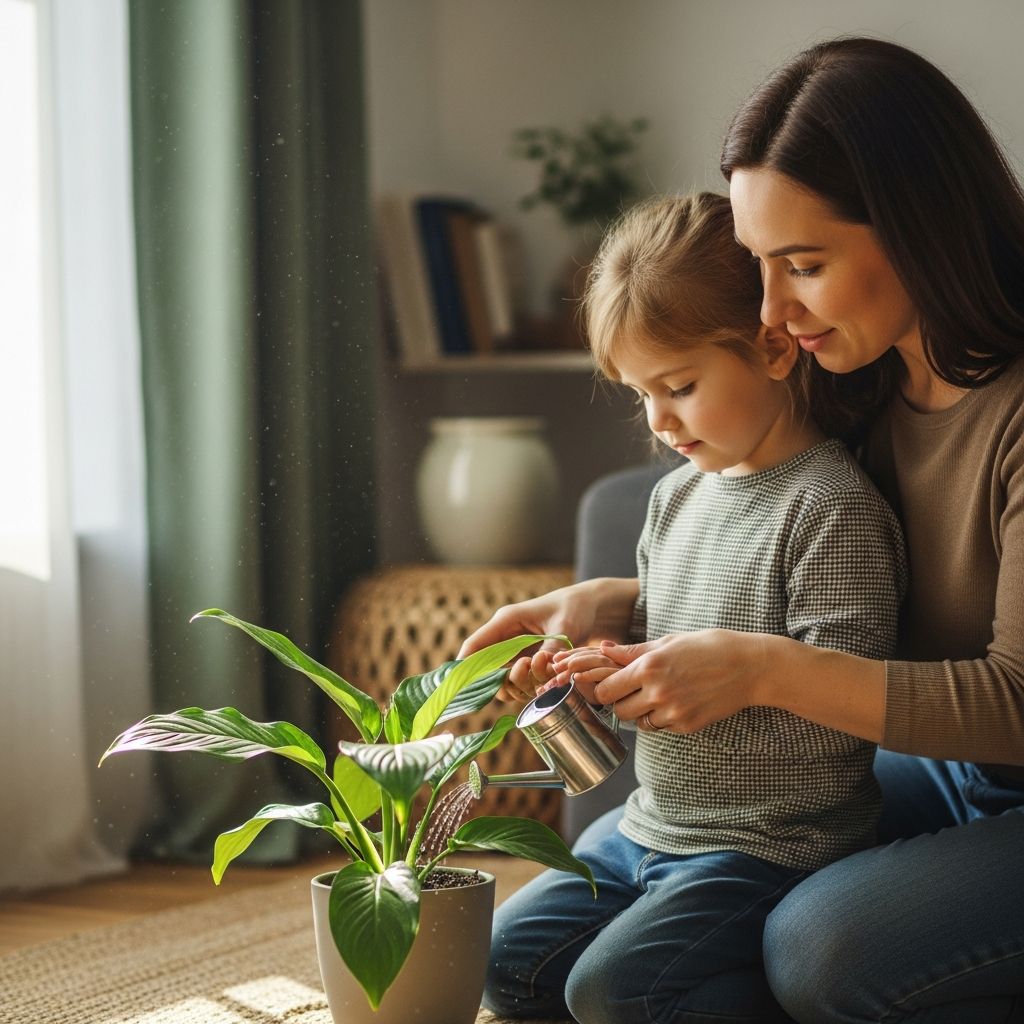
Parenting demands constant emotional balance, especially when juggling work pressures and family needs. Many parents struggle with impatience triggered by daily chaos, but shifting to mindful practices can transform these moments into opportunities for connection. This guide explores actionable steps to enhance presence and reduce frustration, drawing from real parental experiences and expert recommendations.
Understanding the Roots of Parental Impatience
Impatience often stems from external stressors like job demands or internal factors such as unmet expectations. Research shows work-related tension spills over into family life, heightening stress for children as well. Parents under chronic pressure may default to reactive behaviors, missing chances for meaningful engagement.
Common triggers include developmental comparisons, where parents fret over milestones like walking or talking timelines. This benchmarking against peers or online ideals creates unnecessary anxiety, diverting focus from a child’s unique pace. Recognizing these roots is the first step toward change.
- Work-life overlap: Long hours lead to exhaustion upon returning home.
- Social comparisons: Hearing about others’ ‘perfect’ kids amplifies self-doubt.
- Unrealistic standards: Expecting flawless obedience ignores natural child behaviors.
Building Emotional Awareness for Better Reactions
Self-awareness acts as a foundation for patience. Parents who pause to identify rising frustration can choose responses over knee-jerk reactions. Techniques like brief mindfulness exercises help regulate emotions before they escalate.
Experts advocate for ‘peaceful parenting,’ which emphasizes structured guidance without harsh discipline. This approach involves firm boundaries delivered calmly, modeling leadership rather than control. When mistakes happen, owning them openly teaches children accountability and resilience.
| Trigger | Impulsive Reaction | Mindful Alternative |
|---|---|---|
| Tantrum in public | Yelling or scolding | Deep breath, validate feelings, redirect calmly |
| Homework resistance | Forcing compliance | Collaborate on a plan, break tasks into steps |
| Sibling fights | Punishing both | Listen to each side, guide problem-solving |
Strategies to Amplify Your Presence at Home
Being truly present means undivided attention during interactions. Dads who work from home report higher parenting stress but value the proximity for bonding. Prioritize quality over quantity: skip distractions like phones to fully engage in play or conversations.
Practical rituals build this habit. Start with a decompression routine upon arriving home, such as a short walk or deep breathing, before diving into family time. Activities like joint cooking or puzzles foster connection without passive screen involvement.
- Designate ‘no-device’ zones during meals and bedtime.
- Schedule daily one-on-one time with each child.
- Use games to turn routines fun, like races to tidy toys.
Remote work flexibility, though challenging, allows witnessing key moments like first steps, outweighing added stress for many fathers.
Embracing Imperfection in the Parenting Journey
No parent achieves constant patience; lapses are inevitable. The key lies in repair: acknowledge errors promptly and sincerely. This vulnerability strengthens trust and demonstrates healthy emotional processing.
Fathers reflect that excessive worry over perfection hinders joy. Letting go of micromanaging success allows kids to develop resilience through natural trial and error. Focus on guidance and support rather than control.
Peaceful parents aren’t flawless; they excel at course-correcting with empathy and accountability.
Fostering Collaboration Over Control
Shift from dictatorship to partnership by involving children in solutions. When issues arise, ask for their input on fixes, building ownership and flexible thinking. Phrases like ‘How can we solve this together?’ encourage problem-solving skills.
Promote flexible mindsets at home: assess problems as big or small, then adapt. This mirrors real-world adaptability, preparing kids for independence.
Managing Work Stress to Protect Family Harmony
Job demands erode patience, but boundaries help. Negotiate flexible hours or build support networks for venting during commutes. Open family discussions about feelings normalize emotional expression, reducing isolation.
Paternity leave, though short on average, offers vital adjustment time. States expanding paid leave support involved fatherhood without career risks.
Daily Habits for Sustained Patience
Consistency reinforces change. Track progress with a journal noting triggers and successes. Incorporate micro-breaks for meditation or exercise to recharge.
- Morning intention-setting: Visualize calm responses.
- Evening reflections: Celebrate small wins.
- Weekly family meetings: Air grievances constructively.
Turning chores into games engages young ones, easing transitions. Match lids to containers or race to set the table transforms drudgery into delight.
Long-Term Benefits of Patient Parenting
Mindful presence yields resilient, empathetic children. Reduced yelling correlates with better emotional regulation in kids. Families report deeper bonds and less conflict over time.
Dads prioritizing presence, even selectively, create lasting memories. This investment trumps material provisions, nurturing well-adjusted adults.
Frequently Asked Questions
What if I snap despite my efforts?
Apologize immediately, explain your feelings without excuses, and reconnect through a hug or activity. Repair builds trust more than perfection.
How does work from home affect patience?
It heightens stress but enables presence during milestones. Set clear boundaries and use flexibility for family priorities.
Can impatient parents raise responsible kids?
Yes, by modeling repair and collaboration over punishment. Focus shifts from control to guidance.
What’s one quick presence booster?
Put away devices for 15 minutes of undivided play daily. Quality trumps quantity.
Should I compare my child to others?
Avoid it; each child develops uniquely. Celebrate personal growth instead.
References
- Peaceful Parenting Is The Hardest, But Most Rewarding — Fatherly. 2023. https://www.fatherly.com/parenting/peaceful-parenting
- Your Work Stress Could Be Affecting Your Kids’ Health — Fatherly. 2023. https://www.fatherly.com/life/your-work-stress-could-be-affecting-your-kids-health
- Working From Home Is Stressful For Dads — But Being There Is Worth It — Fatherly. 2023. https://www.fatherly.com/health/working-from-home-stressful-dads-but-being-there-worth-it
- 44 Pieces of Parenting Advice From Dads Who’ve Been There — Fatherly. 2023. https://www.fatherly.com/life/life-changing-parenting-advice-dads
- The Parenting Worry I Wish I Cast Aside A Lot Sooner — Fatherly. 2023. https://www.fatherly.com/life/what-i-wish-i-stopped-worrying-about-a-lot-sooner-according-to-12-dads