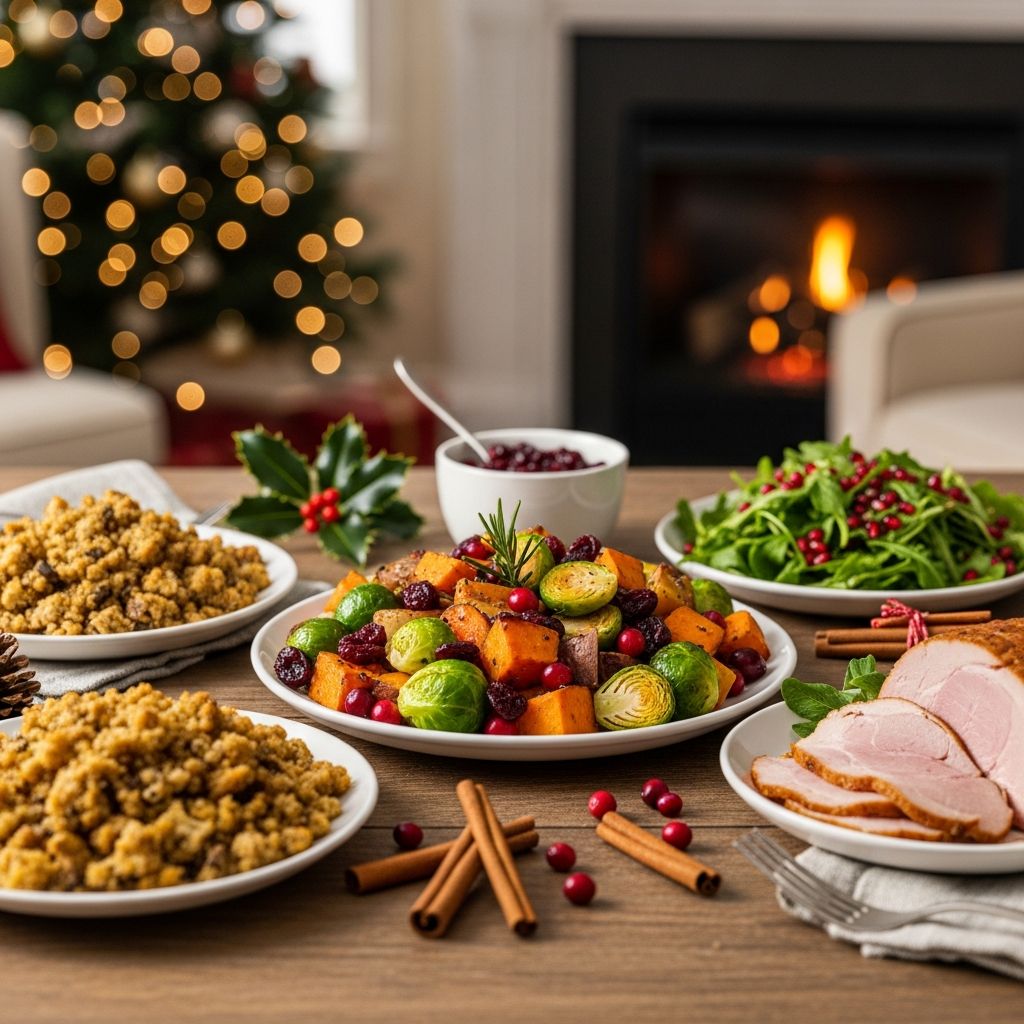
Holiday seasons bring an abundance of delicious foods, family gatherings, and joyful celebrations, but they can also trigger stress around eating habits. Mindful eating offers a path to fully enjoy these moments without guilt or overindulgence, by tuning into your body’s natural cues and savoring each experience. This approach emphasizes presence, balance, and kindness toward yourself, turning potential overwhelm into opportunities for connection and gratitude.
Understanding Mindful Eating in Festive Contexts
Mindful eating involves paying deliberate attention to the sensory aspects of food—its colors, aromas, textures, and flavors—while listening to internal hunger and fullness signals. During holidays, when buffets overflow and social pressures mount, this practice helps differentiate true physical hunger from emotional triggers like stress or boredom. Research from health institutions shows that such awareness can improve eating patterns, reduce binge tendencies, and support sustainable weight management.
Unlike restrictive dieting, which often leads to deprivation and rebound overeating, mindful eating promotes food freedom. It encourages viewing all foods as permissible in moderation, fostering a neutral stance where no item is labeled ‘good’ or ‘bad’. This shift is particularly valuable during holidays, allowing enjoyment of seasonal treats like pies or roasts without subsequent regret.
Building Awareness: Core Principles for Holiday Tables
To start, cultivate awareness by pausing before meals. Reflect on your current state: Are you eating due to genuine hunger, habit, or external cues like seeing others eat? This brief check-in, recommended by wellness experts, aligns choices with bodily needs.
- Honor hunger signals: Eat regularly to maintain stable blood sugar, avoiding skips that lead to intense cravings.
- Recognize fullness: It takes about 20 minutes for satiety signals to reach the brain, so pace yourself.
- Embrace all foods: Permit favorites without rules, focusing on satisfaction rather than restriction.
These principles create a foundation for balanced indulgence, ensuring holidays nourish both body and spirit.
Practical Techniques to Savor Every Bite
Implementing simple techniques transforms chaotic holiday meals into mindful rituals. Begin by creating an environment conducive to presence.
| Technique | Benefits | How to Apply |
|---|---|---|
| Minimize distractions | Enhances focus on food and company | Turn off screens, sit at the table |
| Use smaller plates | Aids portion awareness | Fill once, serve mindfully |
| Chew slowly | Promotes digestion and satisfaction | Put down utensils between bites |
| Pre-party snacks | Prevents overeating | Protein-rich options like nuts or yogurt |
These strategies, drawn from registered dietitians’ advice, help you engage all senses: notice the steam rising from hot dishes, the crunch of fresh vegetables, or the sweetness of a holiday cookie. By slowing down, meals become more enjoyable and less automatic.
Navigating Social Gatherings with Ease
Holiday parties often feature endless appetizers and desserts, challenging even seasoned mindful eaters. Prepare by eating balanced meals beforehand to arrive satisfied, not ravenous. At events, stand away from food stations to reduce mindless grazing, and choose seats that prioritize conversation over proximity to buffets.
Engage others in mindful practices: Share a toast to gratitude before eating, or discuss favorite dishes mindfully. This communal approach not only slows consumption but strengthens bonds. If tempted by ‘all-or-nothing’ thinking, remind yourself that one event doesn’t define your health—one balanced choice at a time suffices.
Cultivating Self-Compassion Over Diet Pressure
Diet culture amplifies holiday stress with promises of pre-emptive indulgence followed by January penance. Counter this by prioritizing self-compassion: Treat slip-ups as learning moments, not failures. Ask, ‘Does this choice support my well-being?’ to guide decisions gently.
Intuitive eating complements this, urging attunement to body wisdom over external rules. Studies link it to reduced stress eating and improved body image, ideal for festive pressures. Extend compassion beyond food: Balance indulgences with movement like post-meal walks, adequate sleep (7-9 hours), and stress-relief practices.
Maintaining Balance Throughout the Season
Holidays span weeks, not days, so sustain habits by planning ahead. Stock nourishing staples for busy days, and incorporate movement joyfully—dancing to music or family games count as much as gym sessions. Avoid all-or-nothing mindsets; a cookie today doesn’t undo yesterday’s salad.
Post-holiday, skip crash diets favoring gradual, sustainable changes like 1-2 pounds weekly loss, which proves more enduring. This continuity reinforces mindful eating as a lifestyle, not a temporary fix.
Long-Term Benefits for Health and Happiness
Consistent mindful eating yields profound rewards: better digestion, stable energy, and a healthier food-body relationship. It diminishes emotional eating, common in high-stress periods, and enhances overall well-being. Families benefit too, modeling presence for children amid commercial pressures.
Ultimately, this practice reclaims holidays for what matters: connection, joy, and gratitude. By approaching food with curiosity and kindness, seasons become rejuvenating rather than draining.
Frequently Asked Questions
What if I overeat at a holiday meal?
Practice self-forgiveness; reflect on triggers without judgment, and return to regular patterns next meal. One event doesn’t derail progress.
Can mindful eating help with weight management?
Yes, by fostering awareness and moderation, it supports sustainable habits over restrictive diets, aiding long-term balance.
How do I involve family in mindful eating?
Share tips like no screens at meals or savoring discussions; lead by example to make it fun and communal.
Is it okay to enjoy treats every day?
Absolutely—moderation means permission, not prohibition. Listen to cues for true enjoyment without excess.
What about alcohol during holidays?
Treat it mindfully: Sip slowly, alternate with water, and check in with how it affects hunger signals.
References
- Mindful Eating During the Holidays: 5 Ways to Be Kind to Yourself — Mind Body Coop. Accessed 2026. https://mindbodycoop.com/mindful-eating-during-the-holidays/
- Tips for Mindful Eating During the Winter Holidays — Weill Cornell Medicine. Accessed 2026. https://weillcornell.org/news/tips-for-mindful-eating-during-the-winter-holidays
- 10 Tips for Mindful Eating — Just in Time for the Holidays — Harvard Health Publishing. 2015-11-24. https://www.health.harvard.edu/blog/10-tips-for-mindful-eating-just-in-time-for-the-holidays-201511248698
- How to Eat Smart Through the Holidays Without Feeling Deprived — Texas Health Resources. Accessed 2026. https://www.texashealth.org/areyouawellbeing/Eating-Right/How-to-Eat-Smart-Through-the-Holidays-Without-Feeling-Deprived
- Mindful Eating for the Holidays — Community Healthcare Network. Accessed 2026. https://www.chnnyc.org/mindful-eating-for-the-holidays/
- Intuitive Eating Practices and Strategies for the Holiday Season — South Dakota State University Extension. Accessed 2026. https://extension.sdstate.edu/intuitive-eating-practices-and-strategies-holiday-season
- Tips for Better Eating During the Holidays — Iowa State University Dining. Accessed 2026. https://www.dining.iastate.edu/tips-for-better-eating-during-the-holidays/