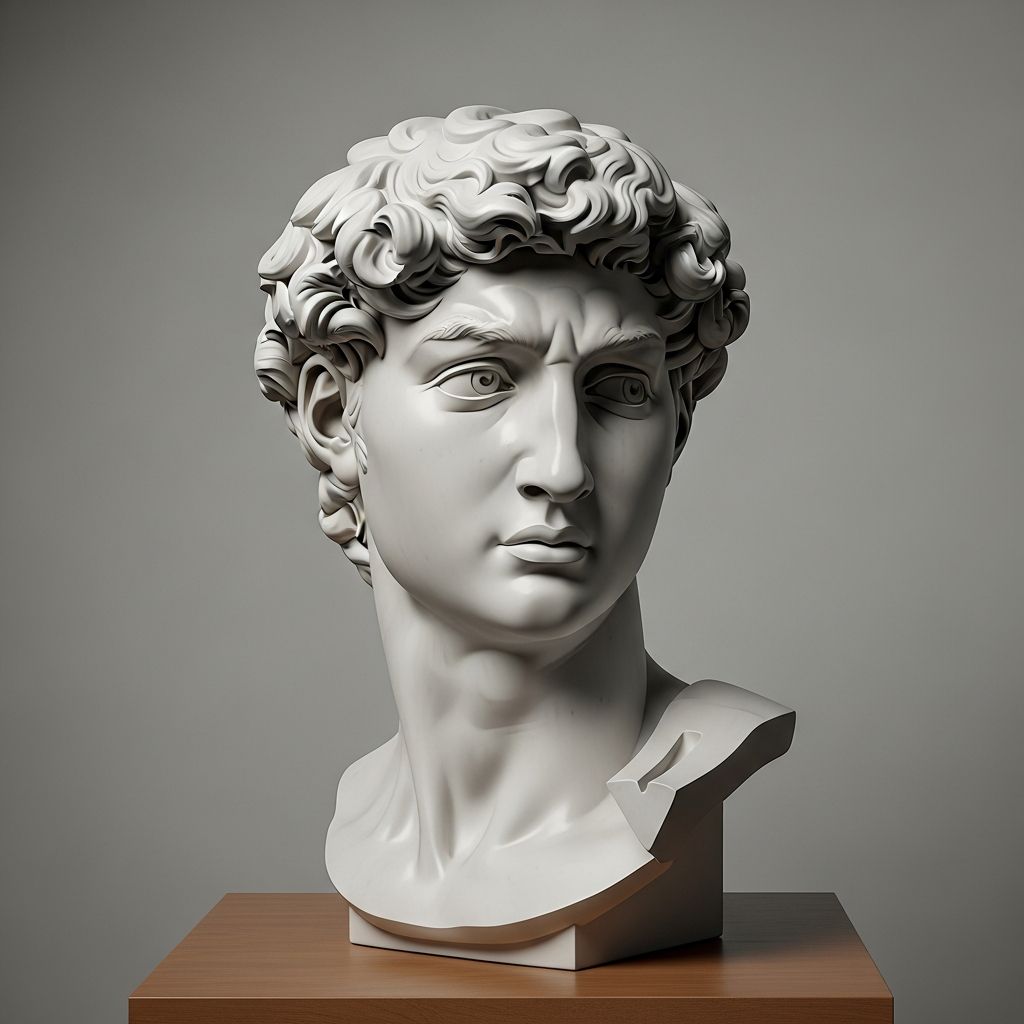
Understanding the Name Milo: History and Heritage
The name Milo carries a fascinating tapestry of cultural influences that span continents and centuries. This distinctive moniker has evolved through multiple linguistic traditions, each contributing unique layers of meaning and significance. Today, parents are drawn to Milo not only for its melodic quality but also for the profound values it represents across different cultures and time periods.
Milo’s journey through history reflects broader patterns of how names travel and transform as they move between societies. The name’s enduring appeal lies in its ability to balance strength with gentleness, making it an attractive choice for those seeking a name with substance and character.
Tracing the Linguistic Roots and Original Sources
The etymology of Milo reveals a complex web of linguistic influences. The name primarily derives from Latin and Old Germanic sources, each offering distinct interpretations that have shaped how the name is understood today. In Latin tradition, Milo connects to the word miles, which refers to a soldier, suggesting warrior-like qualities and steadfast determination. This Latin connection grounds the name in ancient Roman civilization, where similar naming conventions reflected societal roles and virtues.
The Germanic origins present an equally compelling narrative. Old German traditions associate Milo with the concept of being beloved or merciful. This Germanic interpretation emphasizes emotional warmth and compassion, creating an interesting contrast with the more martial Latin meaning. Some scholars trace the Germanic form to the Old High German element milo, which carries connotations of gentleness and affection.
Beyond these primary sources, Slavic traditions have also embraced variations of this name. The Slavic root mil expresses favor and affection, and the fuller Slavic name Miloslav breaks down into components meaning “gracious” or “merciful.” This Slavic connection demonstrates how the name’s core concept of compassion resonates across multiple European cultural traditions.
The Dual Meaning: Soldier and Merciful
What makes Milo particularly intriguing is how it embodies seemingly contradictory qualities. The name simultaneously evokes the image of a strong, steadfast soldier and a compassionate, merciful individual. This duality may explain part of its enduring appeal—it suggests a balanced personality that combines strength with kindness.
The soldier association speaks to reliability, courage, and unwavering commitment. Parents drawn to this aspect of the name may envision a child who approaches challenges with determination and resilience. The merciful dimension, conversely, suggests emotional intelligence, empathy, and the capacity for understanding and forgiveness.
This combination creates a powerful symbolic framework: strength tempered with compassion, firmness paired with flexibility. Such balanced qualities represent ideals many parents hope to instill in their children, making the name’s meaning deeply significant beyond its phonetic appeal.
International Variations and Spelling Alternatives
As Milo has traveled across different regions and languages, it has spawned numerous variations, each maintaining the name’s essence while reflecting local linguistic patterns. In Germanic regions, the form Miles gained particular prominence and predates the shorter Milo in English-speaking contexts. The Italian tradition offers Milano, while Spanish speakers may encounter Milán. Greek culture preserves the ancient form Milos, connecting modern usage to classical heritage.
Eastern European countries have embraced their own variations: the Serbian and Croatian form Miloš maintains popularity in the Balkans, while Czech traditions preserve Miloslav as the fuller version from which Milo serves as a shortened form. Scandinavian languages contribute variants like Miló and Miltön, demonstrating the name’s remarkable adaptability across diverse linguistic systems.
In contemporary usage, the spelling Milo has proven far more popular than alternative forms like Mylo, which represents a more recent stylistic variation. This preference for the traditional spelling suggests parents value the name’s historical authenticity and established lineage.
Historical Figures and Ancient Significance
The historical resonance of Milo extends back to antiquity, with perhaps the most famous bearer being Milo of Croton, the legendary ancient Greek wrestler. This remarkable athlete gained renown for his extraordinary physical strength and achieved multiple victories at the Olympic Games, becoming a symbol of athletic excellence and determination in classical civilization.
The association with Milo of Croton adds layers of prestige to the name, connecting modern children to a tradition of achievement and excellence. This historical figure represents not merely physical prowess but also the discipline and dedication required to achieve greatness, providing a compelling historical anchor for the name’s contemporary usage.
Medieval and Medieval Period Developments
During the medieval period, Milo maintained steady presence across European regions, particularly thriving in Germanic and Slavic territories. The name’s popularity during this era suggests it held cultural significance beyond mere fashion, reflecting values that resonated with medieval society.
The medieval period saw Milo become established in various European naming traditions, with documentary evidence appearing in regional records and family lineages. This sustained presence through the medieval centuries demonstrates the name’s inherent staying power and cultural acceptance across different European populations.
Contemporary Popularity and Modern Resurgence
In recent decades, Milo has experienced a notable resurgence in English-speaking countries, particularly in the United States and United Kingdom. According to Social Security Administration data, the name has climbed steadily through popularity rankings, achieving status within the top 200 baby names in the United States as of recent years.
Several factors contribute to this modern revival. The name’s short, punchy sound appeals to contemporary sensibilities favoring concise, easily pronounced names. Additionally, its vintage quality—feeling both timeless and distinctly retro—aligns with current parental preferences for names that offer uniqueness without sacrificing accessibility.
The rise of celebrities bearing the name has also bolstered its profile. Notable contemporary figures like actor Milo Ventimiglia have brought increased visibility to the name through their prominent entertainment careers. This celebrity association provides modern parents with familiar reference points while elevating the name’s cultural status.
Cultural Presence in Entertainment and Media
Milo has secured memorable positions in contemporary entertainment across multiple mediums. The animated film Atlantis: The Lost Empire features Milo Thatch as its protagonist, a cartographer embarking on an adventure to discover a legendary lost civilization. This character embodies intellectual curiosity and determination, qualities that resonate with the name’s historical associations.
Television audiences have encountered the name through This Is Us, where actor Milo Ventimiglia portrays Jack Pearson, a character defined by paternal warmth and emotional depth. This portrayal emphasizes the compassionate dimension of the name’s meaning, showing how modern media perpetuates the merciful, caring aspects of Milo’s symbolic associations.
The animated series Milo Murphy’s Law presents another character bearing this name—a young boy marked by bad luck but sustained by optimism and resourcefulness. This characterization highlights resilience and positive attitude, further reinforcing the name’s association with balanced, admirable qualities.
Nickname Options and Playful Variations
Parents choosing Milo have flexibility in creating informal variations for different contexts and relationships. Common diminutives include Mi, Mile, and Mills, which serve as casual shortenings for everyday use. These simple alternatives maintain recognition while providing intimacy in family settings.
More creative derivatives have emerged in contemporary usage. Some families employ playful variants like Lo-lo or Millie, while others craft descriptive nicknames that reference personality traits or behavioral patterns. The name’s malleability allows families to develop personalized appellations that reflect their unique relationships and inside references.
Gender Considerations and Evolving Usage Patterns
Traditionally classified as predominantly masculine, Milo has occasionally appeared as a feminine name in certain cultural contexts, showcasing the name’s potential versatility across gender lines. This flexibility reflects broader contemporary trends toward gender-neutral or adaptable naming practices, offering modern parents greater freedom in name selection.
The name’s short structure and lack of distinctly gendered phonetic elements may facilitate this crossover potential, distinguishing it from names with more heavily gender-coded suffixes or sounds. As naming conventions continue to evolve, Milo represents an option that can accommodate diverse gender expressions.
Numerological Perspectives and Personality Associations
From a numerological standpoint, the name Milo carries interesting implications. When analyzed through letter values, the name yields specific numerical associations that some believe correlate with personality characteristics. According to numerological interpretation, Milo may suggest someone perceived as thoughtful, analytical, and possessing an air of intellectual mystery.
Individuals bearing this name may be viewed as introspective and somewhat reserved initially, preferring to build trust gradually before revealing deeper dimensions of their personality. In professional contexts, these interpretive characteristics suggest aptitude for careers involving research, specialized analysis, or intellectual pursuits requiring sustained focus and critical thinking.
Table: Origins and Meanings Across Cultures
| Cultural Tradition | Origin Language | Primary Meaning | Associated Concept |
|---|---|---|---|
| Latin | Latin | Soldier | Strength, determination |
| Germanic | Old German | Beloved, merciful | Compassion, gentleness |
| Slavic | Slavic | Gracious, merciful | Kindness, favor |
| Italian | Italian | Habitational/variant | Place-based connection |
| English | Old English | Soldier | Strength, fortitude |
Common Questions About Choosing Milo as a Baby Name
Q: Is Milo considered a popular name in contemporary times?
A: Yes, Milo has experienced significant resurgence in popularity over recent decades, currently ranking within the top 200 baby names in the United States. Its appeal continues to grow among parents seeking distinctive yet accessible names that balance historical significance with modern sensibility.
Q: What does the name Milo suggest about personality or character?
A: While names do not determine personality, Milo’s meanings—soldier and merciful—suggest aspirational qualities of balanced strength and compassion. The name evokes someone capable of both steadfast determination and emotional understanding, making it appealing to parents valuing these combined attributes.
Q: Are there cultural regions where Milo is particularly common?
A: Milo maintains strong presence in Germanic and Slavic regions historically, though its current popularity spans English-speaking countries, Scandinavia, and parts of Southern Europe. The name’s adaptability across multiple linguistic traditions has allowed it to maintain relevance across diverse cultural contexts.
Q: How does Milo compare to the similar name Miles?
A: Both names share Germanic and Latin origins and carry related meanings of “soldier” or “merciful.” Milo is the shorter, more contemporary form, while Miles represents the fuller, more established variant that gained particular prominence during the Middle Ages. The choice between them often reflects preference for brevity versus tradition.
Q: Can Milo work as a name across different languages and cultures?
A: Absolutely. Milo’s linguistic roots span Latin, Germanic, Slavic, and other European traditions, making it naturally translatable and recognizable across numerous cultures. The name’s international variants and its straightforward pronunciation in most languages facilitate its use in multicultural contexts.
Why Parents Choose Milo: Contemporary Appeal and Timeless Qualities
Modern parents selecting Milo appreciate several interconnected qualities. The name offers historical depth without feeling dated, contemporary relevance without sacrificing substance. Its two-syllable structure provides memorability while its simplicity ensures easy pronunciation across diverse linguistic contexts.
The balance between strength and gentleness embedded in the name’s meaning resonates with contemporary values emphasizing emotional intelligence alongside resilience. Parents increasingly seek names reflecting these integrated qualities rather than names emphasizing single dimensional traits. Milo accomplishes this linguistic and symbolic balance effectively.
Additionally, the name’s relative uncommonness in some modern contexts—compared to more heavily trendy options—appeals to parents seeking distinctiveness for their children while avoiding extremely unusual or invented-sounding alternatives. Milo occupies a sweet spot between recognizable authenticity and contemporary individuality.
References
- Milo: Name Meaning, Origin, & Popularity — FamilyEducation. https://www.familyeducation.com/baby-names/name-meaning/milo
- Milo Baby Name Meaning, Origin, Popularity Insights — Momcozy. https://momcozy.com/blogs/baby-names/milo
- Milo – Baby Name Meaning, Origin and Popularity for a Boy — The Bump. https://www.thebump.com/b/milo-baby-name
- Milo – Baby Name Meaning, Origin, and Popularity — Nameberry. https://nameberry.com/b/boy-baby-name-milo