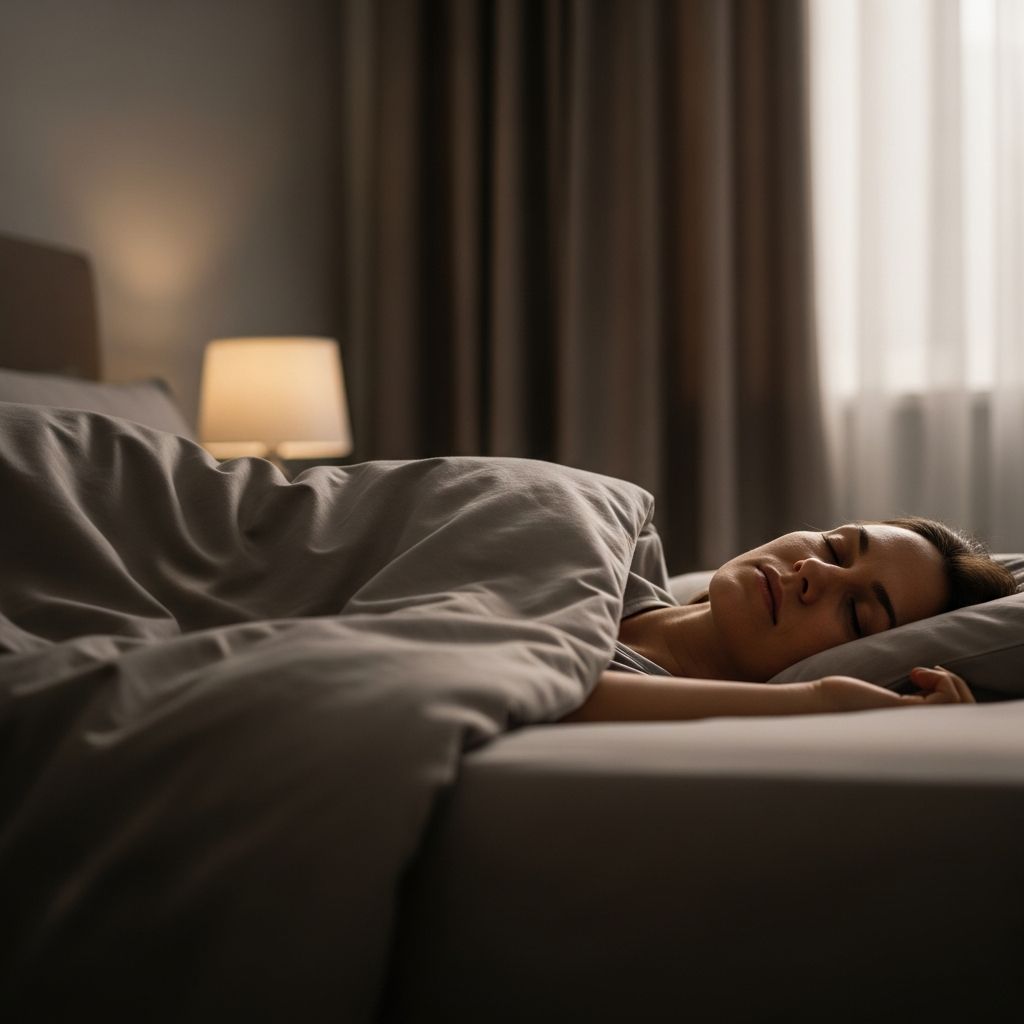
Struggling to fall asleep at night is one of the most common complaints in modern life. The military sleep method offers a structured, repeatable routine that can help many people fall asleep in just a couple of minutes. It’s not magic, but a combination of proven relaxation techniques—deep breathing, progressive muscle release, and mental imagery—designed to quiet both body and mind.
What Is the Military Sleep Method?
The military sleep method is a short, scripted relaxation drill originally developed to help military personnel fall asleep quickly, even in noisy, stressful, or unfamiliar environments like barracks, aircraft, or field operations. It’s not a single trick, but a sequence of steps that trains the nervous system to shift from alertness into sleep mode on cue.
At its core, the method combines three powerful tools:
- Controlled, slow breathing to calm the autonomic nervous system
- A systematic body scan that releases muscle tension from head to toe
- A simple, repetitive mental image that occupies the mind and blocks racing thoughts
When practiced consistently, this routine can reduce the time it takes to fall asleep, making it especially useful for people with sleep-onset insomnia or those who lie awake worrying at night.
Why It Works: The Science of Falling Asleep Fast
Falling asleep quickly isn’t just about being tired; it’s about switching off the body’s “fight-or-flight” system and turning on the “rest-and-digest” system. The military sleep method targets this shift directly.
Slow, rhythmic breathing (around 4–6 breaths per minute) increases heart rate variability and stimulates the vagus nerve, which helps lower heart rate and blood pressure. This signals safety to the brain and makes it easier to drift off. Studies on relaxation techniques show that controlled breathing alone can reduce sleep onset time by several minutes in many people.
Progressive muscle relaxation—tensing and then releasing each muscle group—reduces physical tension that often goes unnoticed. Many people overestimate how relaxed they feel; a structured body scan forces real release of facial, neck, shoulder, and limb muscles, which in turn lowers sympathetic nervous system activity.
The visualization step serves as a mental “anchor.” Instead of letting the mind jump from one worry to the next, it gives the brain a simple, neutral task (like picturing a dark, still lake or a gentle rocking motion). This occupies the default-mode network, reducing intrusive thoughts and rumination that keep people awake.
Step-by-Step: How to Practice the Drill
The full routine takes about 2 minutes when done smoothly. The key is consistency: practicing it every night, even on nights when sleep comes easily, so the brain begins to associate the sequence with sleep.
1. Prepare Your Environment
Before starting the drill, set the stage for sleep:
- Lie down in bed on your back or in a comfortable position
- Turn off bright lights and screens at least 30–60 minutes earlier
- Keep the room cool, quiet, and dark (earplugs or a white noise machine can help if needed)
- Remove distractions like phones, laptops, or work materials from the bed
Think of this as “cueing” your brain that it’s time to wind down, not to stay alert.
2. Begin with Deep Breathing
Close your eyes and focus on your breath. Use a slow, steady pattern:
- Inhale gently through your nose for about 4 seconds
- Hold briefly for 1–2 seconds (optional)
- Exhale slowly through your mouth for about 6 seconds
Repeat this 4–6 breaths per minute for about 30 seconds. The goal is not to force deep breaths, but to create a calm, rhythmic rhythm that slows your heart rate and quiets mental chatter.
3. Release Tension from Head to Toe
Now move through a quick body scan, consciously relaxing each area in order:
- Face: Let your jaw go slack, unclench your teeth, soften your forehead and eyes
- Neck and shoulders: Drop your shoulders away from your ears, let them sink into the mattress
- Chest and arms: Release tension in your chest, let your arms go heavy and limp
- Back and abdomen: Soften your lower back and belly, imagining them melting into the bed
- Legs and feet: Relax your thighs, calves, and feet, letting all tension drain downward
Don’t tense each muscle first; simply focus on letting it go. If one area feels tight, spend a few extra seconds there before moving on.
4. Use a Simple Mental Image
Once your body feels heavy and relaxed, shift your attention to a calming mental picture. Choose one that feels neutral and easy to hold:
- A dark, still lake under a starry sky
- Gently rocking in a hammock or on a boat
- Walking slowly through a quiet forest at night
- Or simply repeating a short phrase like “I am relaxed, I am safe”
If thoughts intrude, gently return to the image or your breath without frustration. The goal is not to “clear the mind,” but to give it a simple, soothing task.
5. Stay Still and Let Sleep Come
After about 2 minutes of this sequence, stop actively “doing” the steps. Keep your body still, your breathing slow, and your mind gently focused on the image or breath. Let sleep arrive naturally, without checking the clock or judging how long it’s taking.
How Long Until It Works?
Most people notice they feel more relaxed at bedtime within the first week of practice. However, significant reductions in sleep onset time usually take 4–6 weeks of consistent nightly use.
Studies on similar relaxation routines in military and civilian populations show that after about six weeks of nightly practice, a large majority of people can fall asleep in under two minutes, even in suboptimal conditions. Success depends less on willpower and more on repetition: the brain begins to treat the routine like a sleep “cue,” much like a bedtime story cues sleep in a child.
It’s normal for some nights to be harder than others, especially during periods of stress or travel. On those nights, the routine still helps by reducing anxiety about not sleeping, which in itself makes it easier to fall asleep.
Who Benefits Most from This Method?
The military sleep method is especially helpful for people who:
- Take a long time to fall asleep (sleep-onset insomnia)
- Have racing thoughts or worry at night
- Need to sleep in noisy or unfamiliar environments
- Want a drug-free way to improve sleep quality
It tends to be less effective for people whose main problem is waking up frequently during the night or very early in the morning (sleep-maintenance insomnia), though the relaxation benefits can still improve overall sleep quality.
People with chronic insomnia, anxiety disorders, or medical conditions that disrupt sleep should use this method as part of a broader plan that may include cognitive behavioral therapy for insomnia (CBT-I), lifestyle changes, and, when appropriate, medical evaluation.
Common Mistakes That Slow Results
Even a simple routine can be undermined by small habits. Common pitfalls include:
- Practicing only on nights when sleep is difficult, rather than every night
- Expecting instant results and giving up after a few days
- Trying to “force” sleep instead of letting it come naturally
- Using the drill while sitting up, watching TV, or with distractions nearby
- Checking the clock repeatedly, which increases performance anxiety
To get the best results, treat the routine like a nightly habit—similar to brushing your teeth—not a last resort when sleep feels impossible.
How It Fits Into a Healthy Sleep Routine
The military sleep method is most effective when combined with good sleep hygiene. Think of it as the “final step” in a longer wind-down process.
Key habits that support the method:
- Going to bed and waking up at roughly the same time every day, even on weekends
- Limiting caffeine and alcohol, especially in the afternoon and evening
- Getting regular physical activity, but not too close to bedtime
- Using the bed only for sleep and intimacy (not for work, scrolling, or watching TV)
- Managing stress during the day with exercise, mindfulness, or talking to someone
For many people, adding a short “worry journal” 30–60 minutes before bed—writing down concerns and a brief plan for the next day—can reduce nighttime rumination and make the military drill even more effective.
When to Consider Other Options
While the military sleep method is safe and drug-free for most adults, it’s not a cure-all. Consider talking to a healthcare provider if:
- You regularly take more than 30–45 minutes to fall asleep despite good habits
- You wake up frequently and feel unrested most mornings
- You snore loudly, gasp for air, or have pauses in breathing at night (possible sleep apnea)
- You feel excessively sleepy during the day, even after a full night’s sleep
- You rely on sleep medications or alcohol to fall asleep
In these cases, a doctor or sleep specialist can help identify underlying causes and recommend treatments like CBT-I, sleep studies, or, when appropriate, short-term use of low-dose melatonin or prescription medications.
FAQs About the Military Sleep Method
How quickly can I expect to fall asleep?
Most people notice they fall asleep faster within 1–2 weeks, but full benefit usually requires 4–6 weeks of nightly practice. In studies of similar routines, a large majority of people can fall asleep in under two minutes after consistent use for about six weeks.
Can I use music or white noise while doing the drill?
Yes, as long as the sound is non-lyrical, slow, and not too stimulating. Soft instrumental music, nature sounds, or white noise at a low volume can actually support the method by masking distracting noises and reinforcing relaxation.
What if my mind keeps racing during the visualization step?
It’s normal for thoughts to intrude, especially at first. Instead of fighting them, gently return to your breath or switch to a more structured mental task, like counting breaths backward from 100 or silently repeating a calming phrase. Over time, the mind learns to settle more easily.
Do I need special bedding or a military-style cot?
No. A comfortable mattress and pillow at home work just fine. Studies have found no difference in effectiveness between standard beds and military cots, as long as the environment is quiet, dark, and cool.
Is this method safe for everyone?
The breathing and relaxation components are safe for most healthy adults. However, people with certain medical conditions (like severe respiratory or cardiovascular issues) should check with a doctor before starting any new breathing or relaxation routine, especially if it involves breath-holding.