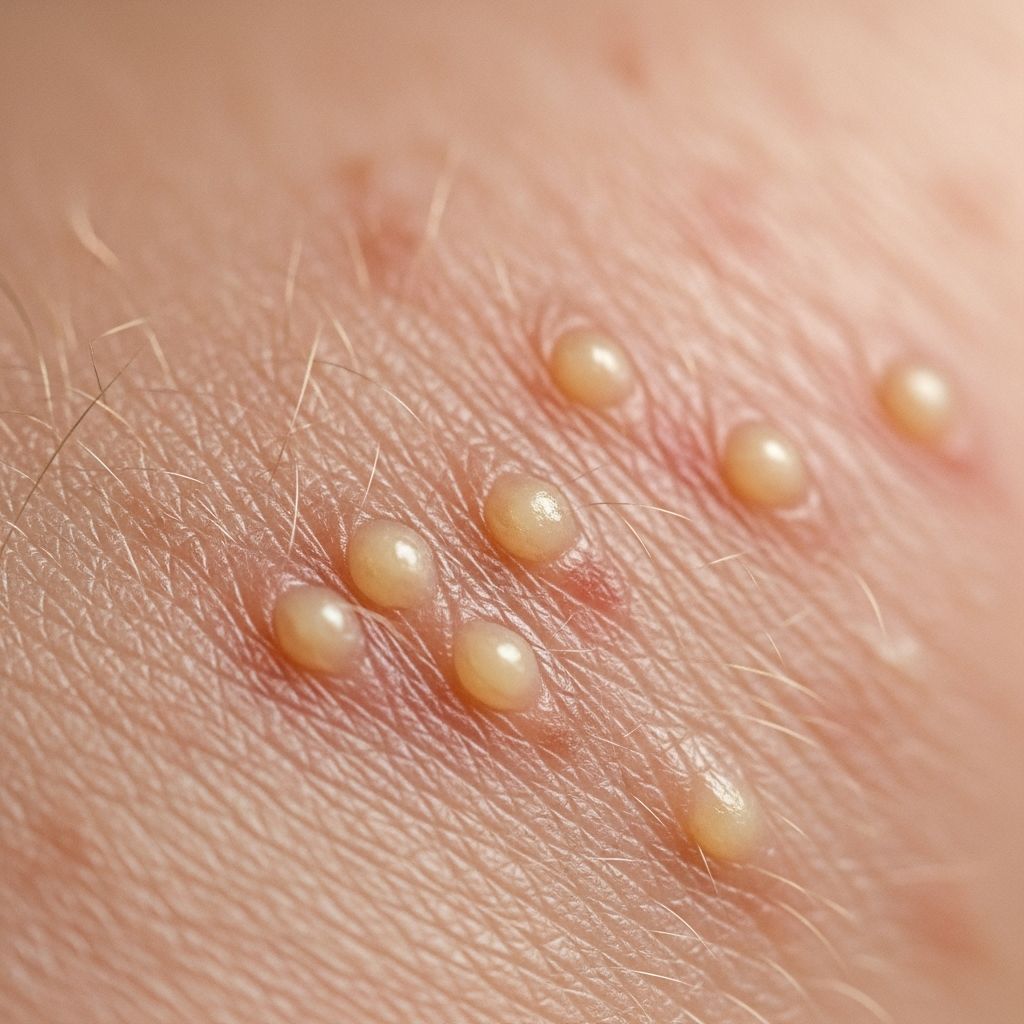
Few things are as stubborn and confusing as tiny white bumps that refuse to pop, vanish, or respond to your usual acne routine. Those hard, pearl-like spots are often not pimples at all, but a different skin issue entirely: milia.
What Exactly Are Milia?
Milia are small, firm, white or yellowish bumps that sit just under the surface of the skin, most commonly on the face. They are formed when keratin (a structural protein in skin) or dead skin cells become trapped beneath the outermost layer of the skin, creating tiny, harmless cysts. Unlike blackheads or whiteheads, these bumps do not have an opening that allows them to be squeezed out, which is why they feel so immovable.
These cysts can appear at any age and on many parts of the body, but they are especially common around the eyes, on the cheeks, and along the nose. Milia are medically benign, meaning they are not dangerous and are not a sign of infection or cancer; the main concern for most people is cosmetic.
Where Milia Usually Show Up
Although milia can appear anywhere there are hair follicles or sweat glands, certain areas are especially prone to them due to thinner skin or heavier product use. Face-focused beauty routines and sun exposure patterns also contribute to their typical locations.
- Under and around the eyes, including the upper cheeks
- Along the sides and bridge of the nose
- On the forehead and temples
- Around the mouth and on the chin
- Less commonly, on the torso, genitals, or areas of past skin injury
Their placement can make them particularly noticeable in person and in photos, which is often why they become such a source of frustration.
Milia vs. Acne: How to Tell the Difference
Because milia and whiteheads can look similar at first glance, it is easy to mistake one for the other. However, they behave differently and respond to different approaches, so telling them apart is essential before you start treating them.
| Feature | Milia | Whiteheads (Acne) |
|---|---|---|
| Appearance | Small, very firm, white or yellow bumps resembling tiny pearls | Soft, raised bumps often with a visible, more flexible white center |
| Pain or tenderness | Typically painless and not inflamed | Can be tender, red, or inflamed |
| Cause | Trapped keratin/dead skin under the outer skin layer | Clogged pores filled with oil, bacteria, and dead skin within the follicle |
| Response to squeezing | Very difficult to extract; usually does not “pop” | Often ruptures with pressure (though this is not recommended) |
| Common areas | Eyes, cheeks, nose, forehead, areas of injury | T-zone, cheeks, back, chest |
If a bump is rock-hard, perfectly rounded, not red, and utterly resistant to squeezing, it is very likely a milium rather than a pimple. Recognizing this early can save you from unnecessary picking, irritation, and scarring.
Why Do Milia Develop?
The core problem behind milia is that cells that should naturally shed from the surface of the skin get trapped underneath instead. Once trapped, these dead cells or keratin harden into tiny cysts. It is not a hygiene issue and does not mean your skin is dirty; instead, it reflects how your skin is renewing itself and how it responds to products and environmental stress.
Multiple factors can increase the chances of this buildup happening. While not every cause applies to every person, understanding the common triggers helps you make smarter decisions about skincare and lifestyle.
Common Triggers and Risk Factors
- Thick, heavy skincare products: Rich creams and balms, especially around the eyes, can form a barrier that traps dead skin and keratin underneath.
- Sun damage: Chronic sun exposure thickens and roughens the skin’s surface, making it harder for dead cells to shed normally.
- Skin trauma: Burns, blisters, aggressive treatments, or even friction from clothing or bedding can disrupt the skin and lead to secondary milia as it heals.
- Long-term topical steroids: Extended use of strong steroid creams can alter skin structure and make milia more likely.
- Underlying skin conditions: Certain blistering or inflammatory skin conditions sometimes heal with milia in the affected areas.
Some people also seem naturally more prone to milia, potentially due to genetic tendencies or naturally slower cell turnover. In those cases, regular gentle exfoliation and careful product choices become even more important.
Types of Milia You Might Encounter
Not all milia are the same. Dermatologists group them into several categories based on what causes them and when they appear. Understanding these types can clarify why your milia behave the way they do and what you should expect.
Primary Milia
Primary milia develop directly from trapped keratin without a clear preceding injury. They often appear on the faces of infants, but adults can get them too, especially around the eyes, cheeks, and forehead. In babies, they frequently clear on their own; in adults, they tend to linger longer and may require help if they are bothersome.
Secondary Milia
Secondary milia form after some type of damage to the skin. When the skin heals from burns, rashes, blisters, or procedures like laser resurfacing, small pockets of trapped cells can harden into milia. These bumps may cluster in the exact area that was injured and can appear weeks or months after the original event.
Less Common Variants
- Milia en plaque: Clusters of milia on a raised, red or inflamed patch of skin, usually on the face or ears; often linked with certain underlying skin conditions and more often seen in middle-aged women.
- Multiple eruptive milia: Groups of itchy, tiny cysts appearing gradually over weeks on the face, upper arms, or torso.
- Drug- or product-related milia: Milia that develop in areas where specific medications (like some steroid creams) or certain occlusive skincare ingredients are used.
While most people only experience scattered primary milia, seeing unusual patterns, large plaques, or widespread eruptions is a reason to see a dermatologist for evaluation.
Is It Safe to Leave Milia Alone?
For many people, milia are purely a cosmetic concern. They are not contagious, they do not turn into skin cancer, and they usually do not cause pain or itching. It is completely safe from a medical standpoint to leave them alone if they do not bother you aesthetically.
That said, milia can be stubborn and long-lasting, particularly in adults. Some may slowly resolve on their own over months, while others persist until they are removed. Attempting to dig them out at home with needles, comedone extractors, or your fingernails carries a much higher risk of infection, scarring, and hyperpigmentation than the milia themselves ever did.
Home Care: Gentle Strategies That Help
While there is no guaranteed at-home method that will make milia disappear overnight, certain habits can support healthier skin turnover and make you less likely to form new bumps. Over time, these changes may also help older milia soften and become easier to treat professionally.
1. Choose Lighter, Non-Comedogenic Products
- Opt for gel or lotion textures instead of thick balms, especially around the eye area.
- Look for labels that say “non-comedogenic,” “oil-free,” or “won’t clog pores.”
- Avoid layering multiple heavy products in the same area, such as eye cream plus rich facial oil plus occlusive ointment.
2. Embrace Gentle, Regular Exfoliation
Exfoliation encourages old cells on the surface to shed more evenly, which reduces the chances of them getting trapped. The key is consistency and gentleness; overly harsh scrubs can create micro-injuries and potentially worsen milia-prone skin.
- Use a mild chemical exfoliant (like a low-strength AHA, BHA, or PHA toner or serum) a few times a week, if your skin tolerates it.
- Avoid gritty scrubs with large particles that can scratch the skin.
- Be extra cautious on fragile areas like the eyelids; most exfoliating products should not be applied directly there unless specifically tested for that sensitive zone.
3. Be Sun Smart
Ultraviolet exposure contributes to thicker, rougher skin over time, which interferes with normal shedding and can make milia more likely. Protecting your skin from the sun does double duty: it supports smoother texture and helps prevent long-term damage.
- Apply a broad-spectrum sunscreen with at least SPF 30 every morning on exposed areas.
- Choose a lightweight, non-comedogenic formula to reduce extra occlusion.
- Add sunglasses and hats to cut down on squinting and extra sun exposure around the eyes.
4. Resist the Urge to Pick
It is tempting to treat a milium like a pimple and dig in, but this often leads to bruising, broken blood vessels, small scars, and discoloration. Because milia do not have a normal pore opening, they almost never respond to standard “pimple popping” attempts.
- Remind yourself that the bump is harmless and cosmetic, even if it is annoying.
- If a particular spot bothers you constantly, plan a professional extraction instead of repeated at-home attempts.
When to See a Professional
Professional treatment is the safest and most reliable way to remove existing milia, especially those near the eyes or in sensitive areas. A dermatologist or trained skincare professional can use sterile tools and techniques that target the cyst without causing unnecessary damage to the surrounding skin.
Common In-Office Treatment Options
- Manual extraction: A sterile needle or tiny blade is used to create a micro-opening in the skin so the contents of the cyst can be gently released. This is often quick and leaves minimal marks when done correctly.
- Electrocautery: Low-level electrical current is used to cauterize and open the surface over the milia, allowing removal with less bleeding.
- Laser treatments: Certain dermatologic lasers can target the cyst precisely, particularly in recurrent or clustered milia.
- Topical prescription creams: In some cases, retinoid creams may be prescribed to help normalize skin turnover and discourage new milia formation.
If your milia are widespread, rapidly increasing, accompanied by redness or other unusual symptoms, or appear on areas with a history of skin disease, a medical consultation is especially important to rule out underlying conditions.
Preventing Future Milia: Everyday Habits
While it is impossible to guarantee you will never develop milia again, small, consistent habits can significantly lower your risk. Prevention focuses on helping your skin shed more effectively and avoiding situations that trap keratin or damage the surface.
Daily and Weekly Milia-Prevention Checklist
- Remove all makeup gently but thoroughly every night, especially around the eyes.
- Stick with lighter moisturizers and eye creams if you are prone to milia.
- Integrate a mild chemical exfoliant into your routine a few times a week.
- Wear sunscreen every day to reduce sun-related thickening and texture changes.
- Avoid experimenting with too many heavy products at once; introduce new items one at a time.
- Consult a dermatologist before long-term use of strong topical steroids on the face whenever possible.
FAQs About Milia
1. Are milia contagious?
No. Milia are not caused by bacteria, fungi, or viruses and cannot be passed from person to person. They are simply small cysts of trapped keratin under the skin and have nothing to do with infection or contagion.
2. Will milia go away on their own?
In newborns, milia often clear spontaneously within weeks as the skin matures and naturally sheds more effectively. In adults, some spots may slowly fade over months, but many remain for long periods and only disappear after professional treatment or targeted changes to skincare and lifestyle.
3. Can I use retinol or retinoids to treat milia?
Retinol and prescription-strength retinoids can improve cell turnover and may help reduce the likelihood of new milia or soften existing ones. However, they can also cause irritation and dryness, particularly around the eyes, so it is important to start slowly, follow instructions carefully, and avoid placing them too close to the lash line unless specifically directed by a professional.
4. Do diet or hormones cause milia?
Unlike some forms of acne, milia are not strongly linked to diet or hormonal shifts. While overall skin health benefits from balanced eating and hormonal stability, the primary drivers of milia are local skin factors like keratin buildup, product use, sun damage, and healing patterns after injury.
5. Is it ever dangerous to have milia?
The vast majority of milia are harmless. However, if you notice sudden, widespread changes, milia appearing in areas of scarring or chronic rash, or if the bumps are accompanied by pain, rapid growth, or other unusual symptoms, a dermatologist should evaluate them. This ensures that a more complex skin condition is not being overlooked.
6. Can children and teenagers get milia too?
Yes. While milia in newborns are very common and usually temporary, older children and teenagers can also develop milia, especially after sunburns, friction, or the use of heavy skincare or makeup products. The same gentle principles and avoidance of aggressive picking apply across all ages.
Bringing It All Together
Milia are small but mighty in terms of annoyance. Understanding that these bumps are simply tiny keratin-filled cysts, not a sign of uncleanliness or poor skincare, can remove a lot of anxiety. Rather than attacking them with pins or harsh products, focusing on gentle exfoliation, thoughtful product choices, sun protection, and professional removal when needed will give you the best chance at smoother, calmer skin.
If you feel overwhelmed, start with one or two small changes: lighten up rich products around the eyes, add a mild exfoliant, and book an appointment with a qualified professional for the stubborn spots. Over time, these steps can significantly change both how your skin looks and how you feel when you look in the mirror.