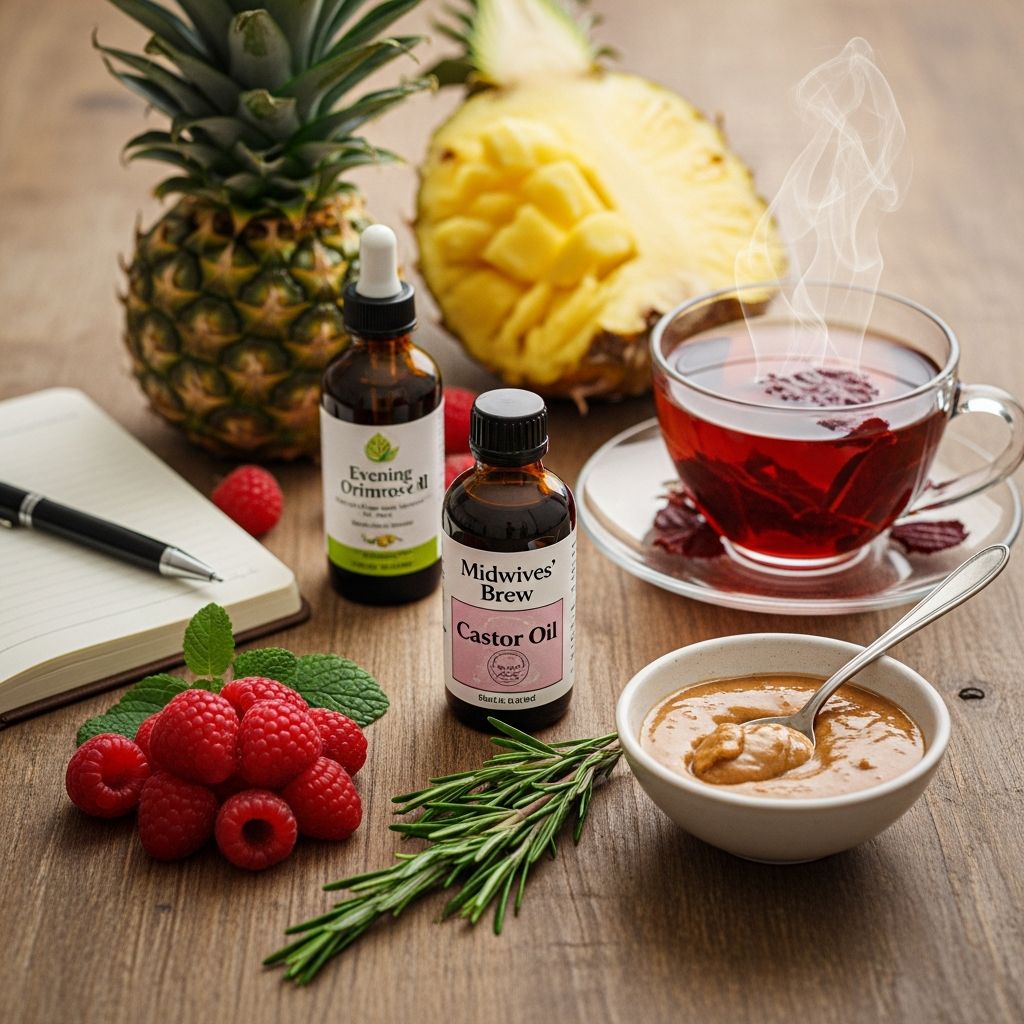
Reaching the final weeks of pregnancy can feel like a strange mix of excitement and impatience. As the due date passes—or looms very close—many women start searching for ways to help labor begin on its own. One of the most talked-about home methods is midwives’ brew, a drink that often includes castor oil and other ingredients said to stimulate contractions.
This article offers a fresh, original look at what midwives’ brew is, how it is commonly used, the potential risks you should think about, and gentler alternatives to try before considering strong home remedies. It is for informational and educational purposes only and is not a substitute for personalized medical advice.
What Is “Midwives’ Brew”?
The term midwives’ brew refers to a homemade drink that usually combines castor oil with other ingredients such as fruit juice, herbal tea, or nut butter. The goal is to create a mixture that is easier to swallow while still delivering a dose of castor oil, which is believed to stimulate the intestines and, secondarily, the uterus.
There is no single standard recipe, and every version varies in exact amounts, timing, and suggested follow-up steps. This lack of standardization is one reason why health professionals urge caution: it makes the effects unpredictable and harder to study or regulate.
Why Some Women Consider It
As pregnancy goes beyond the estimated due date, the risk of medical induction rises, and some women look for non-hospital options first. Midwives’ brew is often promoted as a “natural” alternative that can supposedly:
- Encourage the onset of regular contractions.
- Help avoid or delay a medical induction.
- Give a sense of control over the timing of labor.
It is important to remember that “natural” does not automatically mean “safe” or “appropriate for everyone.” Any substance strong enough to influence your intestines and uterus deserves the same level of respect and caution you would give a medication.
How Midwives’ Brew Is Typically Used
While exact recipes differ, most versions share several common features. The drink is usually taken once, on an empty or lightly filled stomach, at term or post-term, with the idea that labor might begin within a few hours if the body is ready.
Typical Components (Conceptual Overview)
Without reproducing any particular recipe, most brews are built around the following types of ingredients:
- Castor oil: The central active ingredient, thought to stimulate the intestines.
- A liquid base: Often a juice, tea, or other flavored beverage to dilute texture and taste.
- A thickener or emulsifier: Such as a nut butter or dairy/non-dairy milk to help the oil blend.
- Flavor enhancers: Fruits, sweeteners, or spices to make it more palatable.
The quantities and exact combinations are highly variable. This means two people can drink something both labeled “midwives’ brew” yet actually ingest very different doses with very different effects.
What People Expect
Stories shared online commonly describe the following sequence after taking a brew:
- Initial digestive changes such as cramping, gas, or diarrhea.
- Occasional nausea or vomiting, especially if the taste or texture is difficult to tolerate.
- Onset of uterine contractions within a few hours in some cases.
Experiences vary widely—from intense contractions and rapid labor to simply a lot of time spent in the bathroom with no progress in dilation. Anecdotes, even numerous ones, do not replace evidence obtained from controlled studies.
Evidence and Myths About Castor Oil for Labor
Castor oil has a long history as a laxative, and some small studies have explored whether it might increase the likelihood of labor beginning within a short window for women who are already term or post-term. Results are mixed and often involve small sample sizes, making strong conclusions difficult.
Some research suggests that a subset of women who take castor oil at or after term may experience a higher rate of labor onset within 24 hours compared to those who do not. However, the same research often notes increased gastrointestinal discomfort, and it is not always clear how these outcomes compare with safer or more controlled medical methods of induction.
Common Misconceptions
| Popular Belief | More Nuanced Reality |
|---|---|
| It always works if you are full term. | Labor only starts if the body is already close to ready; some women feel sick with no labor at all. |
| Because it is made at home, it must be harmless. | Castor oil can cause strong intestinal contractions, dehydration, and stress for both mother and baby. |
| If contractions start quickly, that means it was a safe choice. | Fast, intense contractions may increase discomfort and can occasionally stress the baby; safety depends on more than just whether labor begins. |
| Midwives’ brew replaces the need for medical guidance. | Even if using home methods, ongoing communication with a qualified provider is strongly recommended. |
Potential Risks and Side Effects
Any method designed to influence labor, even a home remedy, can carry risks. Midwives’ brew is no exception, especially because its main active ingredient—castor oil—has a strong laxative effect.
Possible Maternal Effects
- Intense diarrhea: This can lead to dehydration and electrolyte imbalance if severe.
- Abdominal cramping: Distinguishing intestinal pain from early contractions can be confusing.
- Nausea and vomiting: These are common complaints and may make labor, if it begins, more exhausting.
- Fatigue and weakness: Prolonged time in the bathroom or feeling unwell may leave you with less energy for the active stages of labor.
Possible Concerns for the Baby
The baby’s well-being is closely linked to the mother’s overall condition. Severe dehydration or stress can potentially influence fetal heart rate patterns and overall tolerance of labor. In addition, some experts worry that very forceful, irregular contractions might affect how well the baby handles the process.
There have also been ongoing questions about whether stimulating the bowel so strongly might increase the chance of the baby passing meconium (its first stool) before or during labor. If that happens and the baby inhales meconium-stained fluid, there is a risk of breathing complications after birth. Research evidence is not fully definitive, but this possibility adds another layer of caution.
Who Should Avoid Midwives’ Brew
Certain situations make self-induction especially risky. Midwives’ brew is generally not considered appropriate without explicit provider supervision if you:
- Have a high-risk pregnancy or known complications (such as preeclampsia, growth restriction, or placenta problems).
- Have had a prior cesarean or uterine surgery where intense contractions might increase risk.
- Are not yet at full term, or your provider has advised against induction for medical reasons.
- Have gastrointestinal diseases, severe heartburn, or conditions worsened by diarrhea or vomiting.
Your own midwife or obstetric clinician is best positioned to help evaluate whether any induction method—natural or medical—is appropriate in your specific circumstances.
Questions to Ask Your Provider Before Trying Anything
If you are curious about midwives’ brew or any other do-it-yourself labor starter, open communication with your provider is essential. Honest conversations allow you to balance your desire for a natural experience with an accurate understanding of the potential risks.
Discussion Checklist
- “Is my pregnancy considered low-risk or high-risk right now, and why?”
- “At what point would you recommend a medical induction, and what options would you suggest first?”
- “What are your thoughts on castor oil or midwives’ brew specifically in cases like mine?”
- “If I notice contractions after trying any home method, when should I contact you or go to the hospital/birth center?”
- “Are there gentler strategies you prefer before considering strong stimulants?”
Writing these questions down in advance can help you feel more prepared and confident during prenatal appointments. Your provider may also be able to offer individualized guidance based on your cervix, baby’s position, and medical history.
Gentler Ways to Encourage Labor Naturally
Many women prefer to explore low-risk, comfort-focused approaches before trying anything as strong as midwives’ brew. None of these methods can force labor to begin, but they may support the body’s own readiness and help you feel more comfortable and empowered.
Movement and Positioning
- Walking: Gentle walks can help the baby settle deeper into the pelvis and may encourage regular, mild contractions in a body that is nearly ready.
- Birthing ball exercises: Rocking, bouncing lightly, and making hip circles can ease pelvic discomfort and help the baby find a favorable position.
- Upright postures: Spending time standing, kneeling, or leaning forward may use gravity to support alignment of the baby’s head with the cervix.
Comfort and Relaxation Techniques
- Warm baths or showers: Warm water can ease muscle tension and may gently encourage hormonal cascades that precede labor.
- Massage: Partner or professional massage can support relaxation, improve circulation, and sometimes help soften anxiety about birth.
- Breathing and mindfulness practices: Focusing on slow, steady breathing and guided imagery prepares you mentally whether labor starts soon or not.
Other Commonly Mentioned Strategies
Some additional methods are frequently discussed, but each comes with its own considerations and should be reviewed with a knowledgeable provider. These include:
- Acupressure or acupuncture: Certain points are traditionally linked to labor stimulation; training and hygiene of the practitioner matter greatly.
- Sexual activity: Semen contains prostaglandins, and orgasm may cause uterine tightening, but effectiveness varies greatly.
- Membrane sweep (done by a provider): A clinical procedure where the caregiver uses a gloved finger to separate the membranes from the cervix, sometimes encouraging labor within days.
These approaches, while still not guaranteed, often involve more controlled circumstances than a potent home laxative and may be preferred as intermediate steps.
Comparing Options: Midwives’ Brew vs. Other Approaches
| Approach | Typical Setting | Potential Benefits | Key Concerns |
|---|---|---|---|
| Midwives’ brew / castor oil drink | Home, self-administered | May increase chances of contractions if the body is nearly ready; no hospital admission needed to try. | Risk of diarrhea, dehydration, intense contractions, and uncertain impact on baby; dose and quality are not standardized. |
| Gentle movement and positioning | Home or community | Supports comfort, alignment, and readiness; very low risk when done cautiously. | Cannot force labor; may be frustrating for those eager for quick results. |
| Membrane sweep | Clinic or hospital | Sometimes starts labor within a few days; performed by a professional who can assess cervical status. | Can be uncomfortable, may cause spotting or irregular contractions without active labor. |
| Medical induction (medications or devices) | Hospital | Monitored environment; doses and timing are controlled; clearer understanding of risks and benefits. | Involves medical interventions, possible need for electronic monitoring, and potential for a more clinical experience than desired. |
Preparing Emotionally for the End of Pregnancy
The psychological side of waiting for labor can be just as intense as the physical side. Feelings of impatience, worry, excitement, and even disappointment are all normal. Understanding this emotional landscape can help you make calmer decisions about whether to try anything like midwives’ brew.
- Set flexible expectations: Due dates are estimates, not guarantees. Many babies arrive after the predicted day.
- Limit information overload: Reading every single story on the internet often increases anxiety rather than offering clarity.
- Focus on what is in your control: Nourishing meals, rest, hydration, and connection with supportive people can matter more than any one induction tactic.
Viewing midwives’ brew and other methods as options rather than magic solutions can help keep perspective. The primary goal is not just to start labor, but to welcome a healthy baby while keeping the birthing parent safe.
Frequently Asked Questions (FAQ)
Is midwives’ brew guaranteed to start labor?
No. Even when people share experiences of rapid contractions afterward, many others drink a brew and simply endure digestive upset without reaching active labor. Labor begins only when a complex set of hormonal and physical signals align, and a drink cannot override that process for everyone.
When do people usually consider trying it?
Most anecdotal accounts describe women using midwives’ brew at or after term, often once a provider has mentioned the possibility of medical induction. Starting earlier in pregnancy is not advisable due to the potential for stronger side effects and the absence of any proven benefit.
Is it safer because some midwives talk about it?
The involvement of a midwife or other trained professional can improve monitoring and decision-making, but it does not make any particular method automatically safe. Individual midwives may hold differing opinions; many prefer gentler, lower-risk methods and careful medical collaboration instead of aggressive home-based induction.
Can I just copy a recipe I saw online?
Using a recipe found on the internet without discussing it with your provider is risky. You may not know how it interacts with your health conditions, medications, or the current state of your pregnancy. Dose, timing, and your baby’s well-being all need to be considered in a more personalized way.
What should I do if I already took midwives’ brew?
If you have already used midwives’ brew, keep a close eye on your symptoms. Contact your provider or birthing facility promptly if you experience severe diarrhea, signs of dehydration, very painful or constant contractions, decreased fetal movement, or anything else that feels alarming. Even if labor does not start, you deserve support and reassurance.
Key Takeaways for Informed Choice
- Midwives’ brew is a loosely defined castor-oil–based drink intended to encourage labor, but its recipes and effects vary significantly.
- Some women report that it helps trigger contractions at term, while others experience only digestive distress and fatigue.
- Risks include diarrhea, dehydration, nausea, and the possibility of intense or poorly regulated contractions that may stress both parent and baby.
- Discuss any self-induction ideas with your midwife or obstetric clinician, especially if your pregnancy has risk factors or your provider has specific concerns.
- Gentle lifestyle measures—movement, positioning, relaxation, and provider-guided techniques—often offer a safer starting point.
Approaching the end of pregnancy with curiosity, caution, and collaboration with your care team can help you navigate the many opinions and options surrounding labor induction. While midwives’ brew is one of the more talked-about home methods, it is far from the only choice, and it may or may not be right for you.