Understanding Birth Order’s Role in Child Development
The order in which children arrive in a family creates distinct patterns of behavior, personality traits, and relationship dynamics that can persist throughout their lives. Birth order theory, initially developed by psychologist Alfred Adler in the early twentieth century, establishes that the position a child occupies within their family structure significantly influences their personality formation and behavioral patterns. This foundational concept has evolved into a comprehensive framework for understanding how family environments shape individual development. The differences between middle and firstborn children represent one of the most compelling areas of study within this theory, revealing how distinct family roles create fundamentally different experiences and adaptive strategies.
The impact of birth order extends beyond simple personality categorization. It influences how children perceive their value within the family unit, how they approach relationships with siblings and peers, and ultimately how they navigate social and professional environments throughout adulthood. Understanding these dynamics can help parents recognize their children’s unique needs and support healthy development across the entire family system.
The Firstborn Child: Leadership and High Achievement
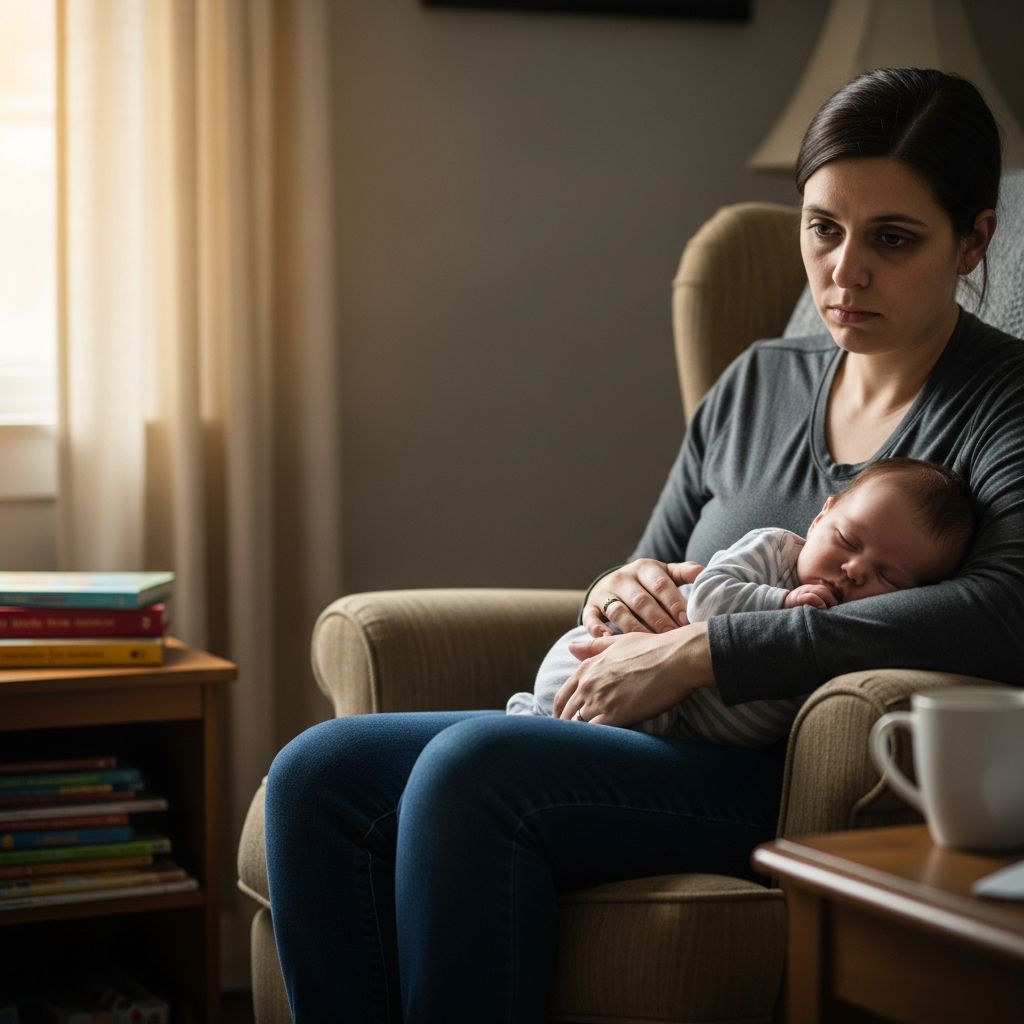
Firstborn children occupy a unique position as the family’s initial experiment in parenting. They serve as the primary focus of parental attention and energy, receiving undivided parental guidance during their early years. This concentrated attention creates a distinct developmental pathway characterized by heightened expectations and responsibility.
Firstborn children typically exhibit several core characteristics:
- Strong achievement orientation and goal-directed behavior
- Natural leadership inclinations and organizational skills
- Detail-oriented approach to tasks and responsibilities
- Reliability and conscientiousness in commitments
- Preference for structure and predictability
- Conscientiousness regarding rules and expectations
The firstborn experiences what researchers describe as elevated parental standards. Parents frequently communicate expectations that emphasize their role as the oldest sibling: “I expect more from you because you are the oldest.” This messaging, while often well-intentioned, establishes a performance orientation where firstborns internalize the message that they must exceed baseline expectations and model appropriate behavior for younger siblings. They become list-makers, planners, and individuals who resist surprises, preferring to anticipate challenges and prepare accordingly.
Firstborn children also experience what some researchers call “guinea pig” status—they navigate family routines, parenting approaches, and expectations without precedent. Parents refine their parenting strategies through these initial experiences, meaning firstborns both benefit from intense focus and serve as the testing ground for parental decision-making.
The Middle Child Experience: Finding Identity Between Siblings
Middle children occupy an inherently different family position, one that creates distinct advantages and challenges compared to their firstborn counterparts. Unlike firstborns who have established clear family roles, or youngest children who receive ongoing attention as the “baby,” middle children must navigate an ambiguous position between two siblings with established identities.
The middle child typically develops the following characteristics:
- Strong independence and self-reliance developed through necessity
- Exceptional social skills and empathy with peers and adults
- Diplomatic temperament and natural mediation abilities
- People-pleasing tendencies as a survival strategy
- Adaptability and flexibility in varying situations
- Tendency toward conflict avoidance and peacekeeping
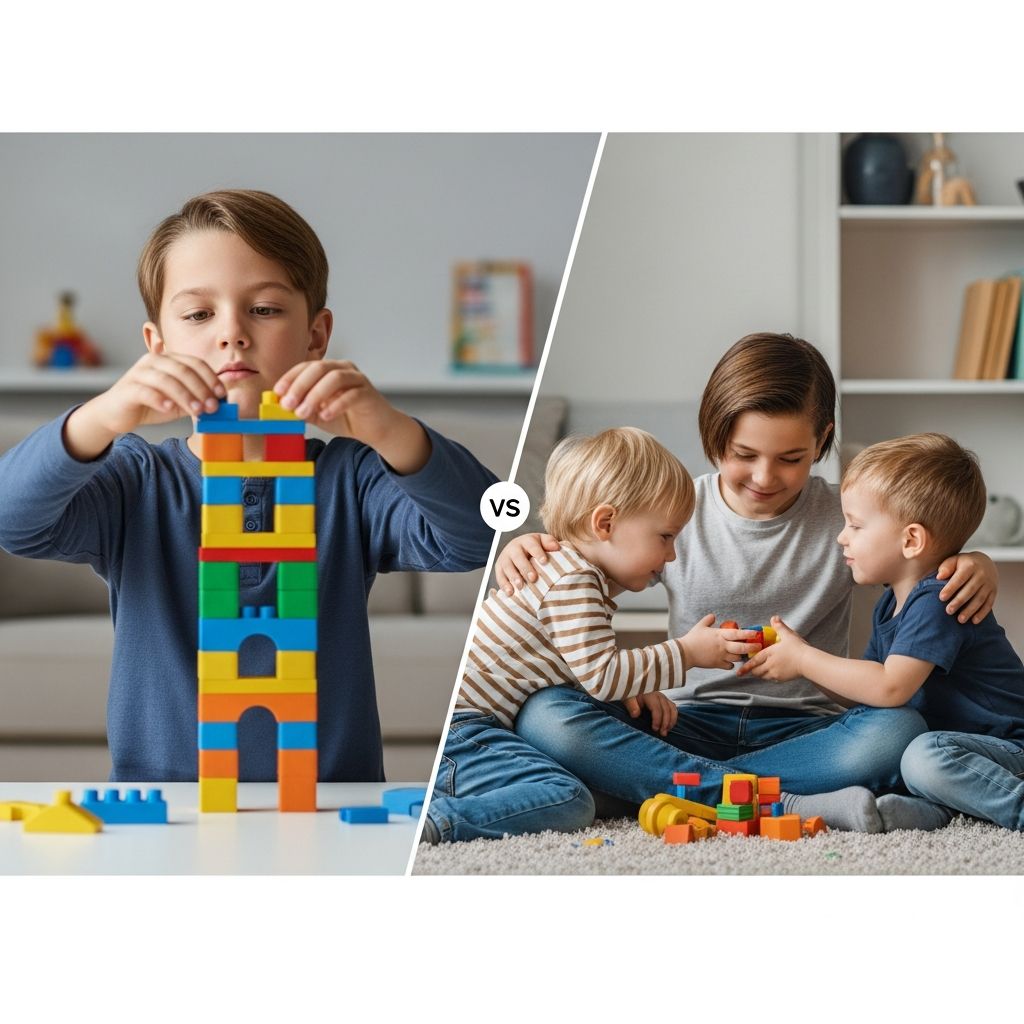
Research on birth order indicates that middle children frequently develop traits that represent opposition to their older siblings. This differentiation strategy—becoming distinctly different from the firstborn—helps middle children establish their own identity within the family. If the firstborn is the achiever, the middle child might pursue different interests or values. If the firstborn is reserved, the middle child might become more social and outgoing.
The competition for parental attention fundamentally shapes the middle child’s developmental trajectory. Sandwiched between an older sibling with established authority and a younger sibling receiving “baby” status, middle children must actively negotiate for recognition and resources. This ongoing competition for attention and validation influences their attachment styles and how they approach relationships throughout life.
Contrasting Personality Trajectories
The personality differences between middle and firstborn children emerge from their fundamentally different family roles and experiences:
| Characteristic | Firstborn Children | Middle Children |
|---|---|---|
| Drive and Ambition | Highly driven toward achievement and excellence | Moderately driven; focus on balance and relationships |
| Social Orientation | Natural leaders; prefer hierarchical structures | Excellent mediators; thrive in collaborative settings |
| Independence Development | Independence linked to responsibility and leadership | Independence developed through self-sufficiency necessity |
| Family Role | Model and example-setter for younger siblings | Bridge between older and younger siblings |
| Relationship Approach | Direct communication; preference for clarity | Diplomatic communication; preference for harmony |
| Attachment Patterns | Secure attachment through consistent parental focus | May develop insecure attachment due to divided attention |
The Challenge of Feeling Overlooked: Middle Child Syndrome
The phenomenon commonly referred to as “middle child syndrome” describes the psychological experience of feeling neglected, undervalued, or overlooked compared to siblings. While not a formal clinical diagnosis, middle child syndrome reflects genuine patterns identified in birth order research regarding how middle children perceive their place within family hierarchies.
Middle children often experience several overlapping challenges:
- Perceived Neglect: The absence of special status as either the oldest or youngest can create feelings of invisibility within the family unit
- Identity Confusion: Without a clearly defined role, middle children may struggle to understand their unique value and contribution to family dynamics
- Attention Competition: The need to compete simultaneously with both older and younger siblings for parental recognition creates sustained psychological pressure
- Self-Worth Questions: Uncertainty about parental investment in their wellbeing and future can lead to lower self-esteem
- Social Withdrawal: Some middle children respond to perceived family neglect by investing more heavily in peer relationships
However, middle child syndrome should not be viewed as an inevitable outcome of birth order. Many factors outside family dynamics—temperament, parenting consistency, financial circumstances, and individual resilience—significantly influence whether a middle child develops syndrome characteristics or instead channels their experiences into positive adaptation.
Building Resilience: How Middle Children Develop Unique Strengths
While middle children face genuine challenges related to their family position, they also develop distinctive strengths that often exceed those of their siblings. The very circumstances that create challenges also forge remarkable capabilities.
Middle children frequently develop exceptional independence because they cannot rely on the default parental attention available to firstborns or the “baby” privileges granted to youngest children. They must learn early to solve problems independently, advocate for their own needs, and create their own entertainment and validation sources. This self-sufficiency becomes a valuable life skill that translates into workplace competence and adult resilience.
The diplomatic skills middle children cultivate through constant family negotiation position them as natural peacemakers and mediators. Their ability to understand multiple perspectives—seeing situations from the firstborn’s viewpoint, the youngest’s position, and their own—creates sophisticated social intelligence. Middle children become excellent listeners, skilled negotiators, and individuals who excel in team environments requiring collaborative problem-solving.
Research indicates that middle children demonstrate remarkable adaptability and flexibility compared to siblings. Because they occupy an ambiguous family role without the structured expectations placed on firstborns, middle children become comfortable with change and uncertainty. They develop creative approaches to challenges and can think innovatively about problems precisely because they haven’t been channeled into rigid achievement frameworks.
Middle children also cultivate exceptional loyalty in relationships. Those who develop strong peer connections to compensate for perceived family neglect often become profoundly committed friends and partners. Their willingness to invest in relationship maintenance and their ability to understand others’ perspectives make them valuable companions and collaborators throughout life.
Parental Strategies for Supporting Middle Children
Understanding birth order dynamics enables parents to intentionally support middle children’s development and minimize negative syndrome effects. Effective parental approaches include:
- Individualized Recognition: Provide specific, consistent acknowledgment of the middle child’s unique talents, achievements, and personality traits distinct from siblings
- Dedicated Attention: Schedule regular one-on-one time with the middle child to demonstrate that they matter and receive genuine parental investment
- Defined Family Role: Help the middle child understand their unique contribution to family functioning and their value within the family system
- Reduced Comparisons: Minimize direct comparison between siblings and celebrate different types of accomplishments and development
- Validation of Feelings: Acknowledge when middle children feel overlooked rather than dismissing these feelings as unfounded
- Independence Encouragement: Channel their natural independence development into positive channels rather than viewing it as detachment
Attachment Styles and Relationship Patterns
Birth order significantly influences how children develop attachment patterns that shape their approach to relationships throughout life. Firstborn children, receiving concentrated early parental attention, typically develop secure attachment styles characterized by confidence in parental availability and responsiveness. This secure foundation influences their comfort with hierarchical relationships and their expectation that their needs will be recognized and addressed.
Middle children, navigating constant competition for attention from both directions, often develop more complex attachment patterns. The divided attention of parents and the need to compete for recognition can create insecure attachment styles where middle children feel uncertain about whether their needs matter and whether they can rely on parental responsiveness. Some middle children compensate by investing heavily in peer relationships, developing strong friendships that provide the consistent validation and attention they seek.
These attachment patterns have practical implications for adult relationships. Middle children often become exceptionally skilled at reading others’ emotional states and responding to relational needs—skills that make them valuable partners. However, they may also struggle with directly expressing their own needs, assuming that others’ needs take priority, or expecting to be overlooked in relationship hierarchies.
Sibling Relationships: Different Dynamics Across Birth Order
The relationship between middle and firstborn siblings often reflects their distinct family roles. Firstborn children, positioned as models and authorities, may view middle siblings with a mix of mentoring impulse and competitiveness. Middle children frequently experience complex feelings toward firstborns—admiration for their achievements combined with resentment about unequal family treatment.
Middle children typically develop different relationship patterns with youngest siblings. Rather than viewing them as competitors for parental attention, middle children often assume semi-parental roles, mediating between firstborn authority figures and youngest siblings. This positioning can create either strong bonds or additional pressure as middle children navigate expectations from multiple directions.
Real-World Applications: Understanding Your Family
Birth order theory provides useful framework for understanding family dynamics, but individual variation remains significant. Not every firstborn demonstrates achievement orientation, and not every middle child develops mediating skills. Factors including temperament, parenting consistency, family size, gender dynamics, and socioeconomic circumstances all influence how birth order manifests in individual children.
The most valuable application of birth order theory involves recognizing that children occupy different family positions that create different experiences and challenges. This awareness enables parents to respond to their children’s actual needs rather than assumptions based on birth position, while simultaneously appreciating how position influences development.
Frequently Asked Questions
Q: Is middle child syndrome a real psychological condition?
A: Middle child syndrome is not a formal clinical diagnosis, but it describes genuine patterns of feelings and experiences many middle children report. However, it is not inevitable—many middle children develop positive adaptations and don’t experience syndrome characteristics.
Q: Can birth order effects be overcome through parenting?
A: Yes. Intentional parenting that recognizes each child’s unique needs, provides individualized attention, and validates each child’s distinct identity can significantly minimize negative birth order effects while strengthening positive adaptations.
Q: Why do middle children often develop strong friendships?
A: Middle children frequently seek peer relationships as a source of validation and attention when competing for family recognition becomes challenging. These relationships become deeply important and often foster exceptional loyalty.
Q: Are firstborns always high achievers?
A: While firstborns tend to develop achievement orientation due to elevated parental expectations, individual temperament, family circumstances, and parenting approach significantly influence outcomes. Not all firstborns become high achievers.
Q: How does birth order affect career choices and relationships?
A: Birth order influences personality traits that often correlate with career preferences and relationship styles. Firstborns may gravitate toward leadership roles, while middle children often excel in collaborative, mediating, or team-based positions. Understanding these tendencies helps individuals make intentional choices rather than following patterns unconsciously.
References
- How Birth Order Affects Your Personality — Dr. Kevin Leman, Birth Order Guy. Accessed April 2026. https://birthorderguy.com/parenting/how-birth-order-affects-your-personality/
- Birth Order and Attachment: Personality Traits and Stereotypes — The Attachment Project. Accessed April 2026. https://www.attachmentproject.com/psychology/birth-order-theory/
- Middle Child Syndrome: Personality, Traits, & Unique Challenges — Lotus Medical Centre. Accessed April 2026. https://www.lotusmedicalcentre.com.au/caught-in-the-middle-understanding-middle-child-syndrome/
- How Middle Child Syndrome Affects Kids & Ways to Foster Balance — Handspring Health. Accessed April 2026. https://www.handspringhealth.com/post/understanding-middle-child-syndrome