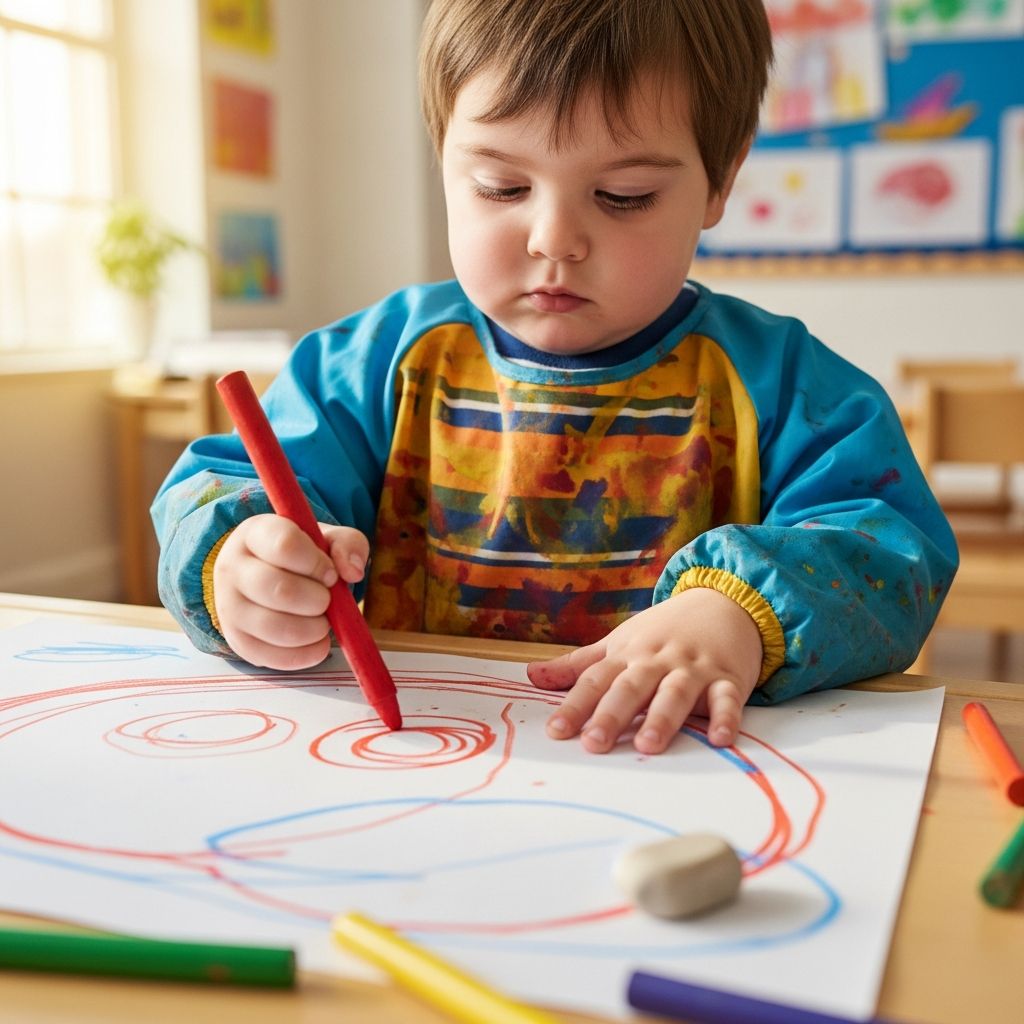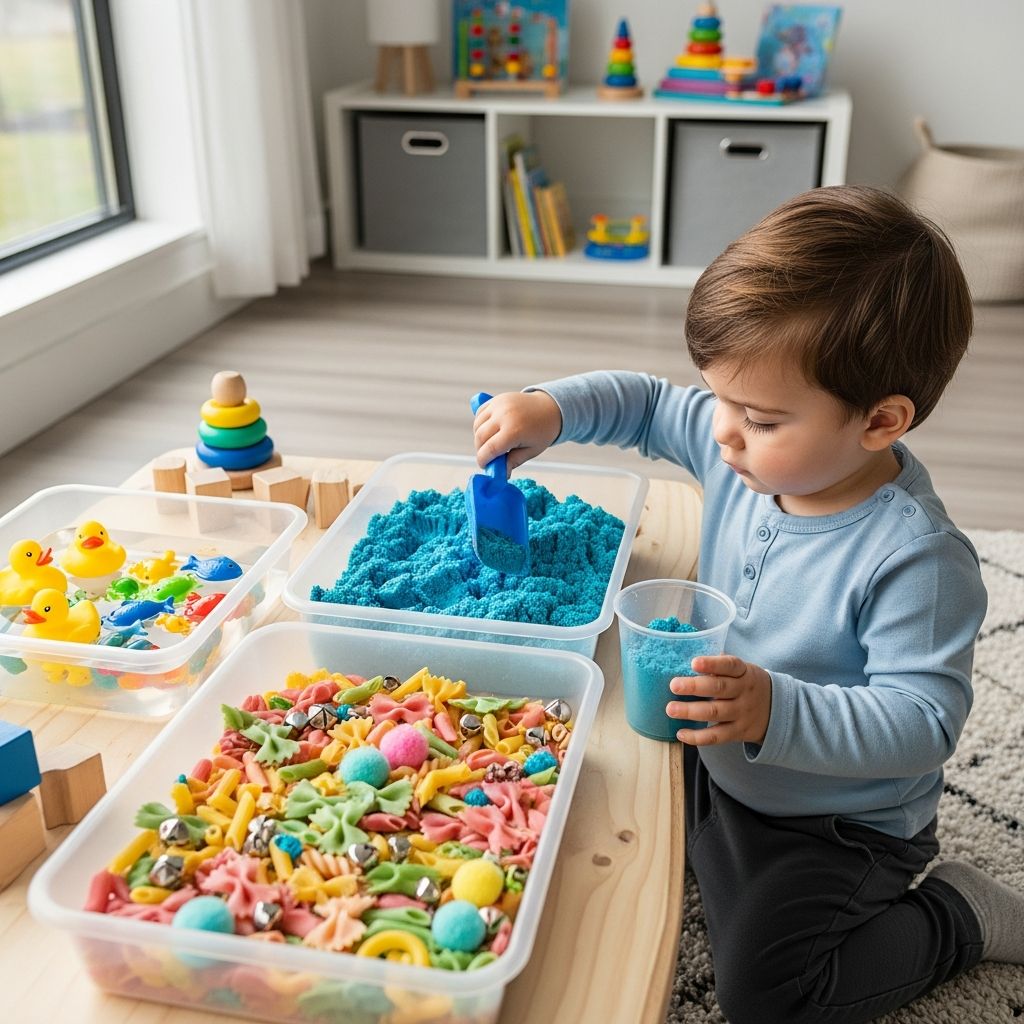
In many families, the middle child quietly sits between a trailblazing eldest and a doted-on youngest, often hearing jokes about being “forgotten” or “overlooked.” While the term “middle child syndrome” is not a formal diagnosis, it captures a pattern many families recognize: middle children may feel less visible, less special, or unsure where they fit. This article explores the emotional experience of middle children and offers concrete, compassionate ways to support them.
What People Mean by “Middle Child Syndrome”
“Middle child syndrome” is a popular phrase used to describe the idea that children born between older and younger siblings may develop particular feelings or behaviors because of their position in the family. It is not a medical or psychological label, but it can reflect real emotional experiences.
Common themes include:
- Feeling overshadowed by an older sibling’s achievements and a younger sibling’s needs.
- Believing they receive less attention, praise, or special treatment.
- Wondering where they truly belong in the family story.
Not every middle child feels this way, and birth order is only one factor among many. Temperament, parenting style, culture, age gaps, and life events all shape who a child becomes. Still, paying attention to the specific pressures of being “in the middle” helps parents respond more thoughtfully.
How Birth Order Shapes the Middle Child’s Experience
Middle children grow up in a family where roles often feel preassigned. The firstborn may be seen as the responsible pioneer, and the youngest as the adorable baby who still needs extra care. The middle child enters a scene where both of those roles already exist.
This can influence everyday dynamics in ways such as:
- Parents expecting the eldest to model behavior and the youngest to be protected, leaving the middle with fewer “special” expectations.
- Middle children tagging along with older siblings yet also being asked to help with younger ones.
- Subtle routines where the middle child gets less one-on-one time because everyone is busy managing ends of the age range.
None of this means parents love their middle child less. It does mean the family pattern can unintentionally send that message unless it is balanced out with intentional attention and affirmation.
Common Emotional Experiences of Middle Children
Because each child and family is unique, not all middle children share the same emotional journey. Still, certain feelings appear frequently in families with more than one child.
Feeling Less Visible
Middle children may quietly notice that big milestones tend to be celebrated more for older siblings (first day of school, first driving test, first graduation), while younger siblings often attract attention simply for being “the baby.” The middle child’s milestones can feel like reruns of something the family has already seen.
- They might stop bringing up small achievements because they assume no one will be very excited.
- They may interpret parental busyness as disinterest, even when love is present.
Searching for a Clear Identity
Without a built-in, obvious role, middle children sometimes struggle to answer, “Who am I in this family?” The eldest is “the first” and the youngest is “the last”; the middle may feel like the comma in between.
- Some respond by reinventing themselves as the funny one, the rebel, the best friend, or the peacekeeper.
- Others feel pulled in different directions, never fully sure where they stand.
Balancing Between Sides
When siblings argue, the middle child is often caught between loyalty to the older and empathy for the younger. Adults may even rely on the middle child to smooth over conflicts because they “get along with everyone.”
- This peacemaker role can build strong social skills but also creates pressure to keep everyone happy.
- Over time, the middle child might prioritize harmony over their own needs.
Potential Strengths of Growing Up in the Middle
Despite the challenges, being a middle child can nurture powerful strengths. Many of the qualities families treasure in adulthood take root in navigating this in-between space.
- Adaptability: Middle children are often used to tagging along with different age groups and shifting between roles, which can make them flexible and open to change.
- Empathy and diplomacy: Spending years watching both older and younger perspectives helps them understand multiple sides of a situation.
- Independence: Receiving less direct supervision or pressure can give them space to explore interests on their own terms.
- Strong friendships: Many middle children build deep, loyal bonds with peers who become a “chosen family.”
Parents can intentionally nurture these strengths while also protecting middle children from feeling obligated to be endlessly flexible or available to everyone else.
Challenges Middle Children May Face
Alongside strengths, middle children can encounter patterns that, if ignored, may affect self-esteem and relationships later in life.
- Low sense of specialness: They may internalize the idea that others are more worthy of attention.
- Difficulty stating needs: Years of “going with the flow” can make it hard to say no or ask for help.
- Rivalry and comparison: Competing with both older and younger siblings for parental approval can be exhausting.
- People-pleasing or rebellion: Some middle children try to win love by being helpful and agreeable, while others act out to finally be noticed.
Recognizing these patterns early allows caregivers to respond with support instead of criticism.
Everyday Parenting Strategies That Help Middle Children Thrive
Small, consistent habits often matter more than big, occasional gestures. The goal is not to erase the reality of birth order, but to make sure the middle child feels just as cherished, unique, and important as their siblings.
1. Create Moments of One-on-One Connection
Middle children sometimes see parents spending focused time with a new baby or helping an older child with advanced tasks, while their own time gets squeezed out. Proactively scheduling individual attention helps counteract this.
- Set up a recurring “just us” time, even 15–20 minutes a week, where the middle child chooses the activity.
- Use car rides, bedtime, or errands as opportunities for private conversations and playful connection.
2. Acknowledge Feelings Without Comparison
If a middle child says, “You love my brother more,” it can be tempting to respond with logic or reassurance alone. Start by honoring the feeling.
- Use phrases like, “It sounds like you felt left out when I was helping your sister. Tell me more.”
- Avoid comparing siblings’ struggles or saying, “But you’re lucky because…” as a way to dismiss hurt.
3. Notice Effort and Character, Not Just Outcomes
Middle children may think they have to outperform siblings to be seen. When parents focus on effort, progress, and personal qualities, children feel appreciated for who they are, not just for what they produce.
- Comment on persistence, kindness, creativity, or problem-solving.
- Privately acknowledge small wins that might otherwise be overshadowed by a sibling’s larger milestone.
4. Give Each Child a Distinct Role Without Boxing Them In
Most families naturally fall into informal roles, but these should never become cages. Create room for each child to explore a variety of interests and identities.
- Encourage the middle child to pursue hobbies that are not simply hand-me-downs from an older sibling.
- Highlight times when the middle child is a leader, creator, or decision-maker, not just a helper.
5. Balance Responsibilities and Privileges
Middle children often share responsibilities similar to the eldest but enjoy fewer privileges, or they feel expected to help younger siblings without receiving corresponding freedoms.
- Regularly review chores, rules, and rewards to be sure the middle child is not consistently carrying more than their fair share.
- Explain family decisions so they do not assume unfairness where there is none.
Sample Family Practices to Support Middle Children
The following simple ideas can be adapted to different ages, cultures, and family structures. They are not rigid rules, but starting points for reflection.
| Goal | Family Practice | Example |
|---|---|---|
| Make the middle child feel seen | Regular “middle child night” where they choose dinner or activity | Once a month, everyone plays the middle child’s chosen game or eats their favorite meal. |
| Reduce constant comparison | Avoid discussing siblings’ achievements in front of each other | Share report card praise privately instead of ranking children’s grades at the table. |
| Protect them from over-helping | Limit caretaking tasks with younger siblings | Set a clear boundary: they can help with small tasks, but discipline and major care remain the adults’ job. |
| Strengthen identity | Invite the middle child to teach others about their interests | Have them show the family a new dance, recipe, or project they enjoy. |
When Middle Children Act Out or Withdraw
Behavior that looks like “attitude,” constant joking, or withdrawal may, underneath, be a quiet plea: “Do you see me?” While clear boundaries are important, it helps to respond to the need as well as the behavior.
- Acting out: Rules and consequences should remain consistent, but pair them with curiosity about what the child is feeling.
- People-pleasing: Praise honesty and assertiveness, not only helpfulness. Show that saying “no” does not threaten your love.
- Withdrawing: Invite low-pressure connection through parallel activities (drawing side by side, walking, cooking) to open gentle conversation.
If patterns of sadness, anxiety, or extreme behavior persist, consider consulting a child therapist or counselor. Professional support can offer your child a safe space and give parents fresh tools.
Supporting Middle Children in Adolescence and Beyond
As middle children grow into teenagers and young adults, the themes of visibility, identity, and belonging remain, but the context shifts to friendships, school, and romantic relationships.
- They may work hard to earn approval from teachers, bosses, or partners, echoing early efforts to be noticed at home.
- They might become the “glue” in friend groups, always mediating disagreements.
- They may struggle to believe they can be someone’s “first choice” in close relationships.
Parents of teens and young adults can still play a powerful role by listening without judgment, reflecting back strengths, and explicitly naming the ways their middle child matters.
Adapting These Ideas for Different Family Structures
Not all families follow the classic pattern of two parents and three children. Divorce, remarriage, adoption, age gaps, and cultural expectations can all change how “middle” is experienced.
- In blended families, a child may feel “in the middle” emotionally, even if they are not literally between siblings in age.
- Only children who gain younger siblings later may suddenly feel squeezed between roles.
- Cultural norms about respect for elders and protection of younger children can amplify or soften some of these dynamics.
Instead of focusing strictly on birth order, ask: “Does this child consistently feel less visible, less powerful, or less special than others in our home?” That question points directly to where attention and change are needed.
Frequently Asked Questions About Middle Children
Is “middle child syndrome” a real diagnosis?
No. It is a popular phrase, not a clinical diagnosis. It describes common patterns some middle children report, but it does not appear in diagnostic manuals. It is better understood as a shorthand for a set of feelings and family dynamics, not as a label assigned to a child.
Do all middle children feel neglected?
Not at all. Many middle children feel deeply loved and secure. Parents who provide consistent attention, fair boundaries, and opportunities for each child to shine often find that birth order has less impact. The goal is not to fear being a middle child, but to be attentive to the specific risks and opportunities that come with that position.
Can middle children be more successful or well-adjusted than their siblings?
Yes. Middle children can thrive in all areas of life. Their adaptability, diplomacy, and independence can serve them well in school, work, and relationships. Success depends far more on the overall emotional climate of the family, access to support, and the child’s own personality than on birth order alone.
How can I tell if my middle child really feels overlooked?
Look for patterns rather than isolated moments. Repeated comments like “No one cares what I want,” frequent comparisons to siblings, chronic people-pleasing, or sudden changes in mood can be signs. The most direct way to know is to ask open questions and then listen without interrupting or defending yourself.
What is one thing I can start doing today?
Choose a small, specific ritual that sends a clear message: “You matter to me.” It might be a nightly check-in, a weekly walk, or a special handshake. Consistency is more important than length. Over time, these simple gestures can transform how a middle child experiences their place in the family.
Helping the Middle Feel Central
Being a middle child does not doom anyone to a life of feeling invisible. When caregivers respond with curiosity, care, and intentional connection, the “in-between” position can become a place of rich growth. By recognizing both the vulnerabilities and the strengths of middle children, families can help them step out of the shadow of siblings and into a confident sense of self—right at the heart of the family, where they have always belonged.