Microplastics, tiny plastic particles smaller than 5 millimeters, have infiltrated everyday foods and beverages, raising concerns for children’s developing bodies. Parents can significantly lower exposure by selecting lunch box items made from safe, non-plastic materials.
Understanding Microplastics in Children’s Diets
Microplastics enter food supplies primarily through environmental contamination, appearing in items like seafood, salt, fruits, vegetables, and bottled water. Children face higher relative exposure due to their smaller size and greater consumption of food and water per body weight. Studies detect these particles in human tissues, including blood and organs, though definitive health risks remain under investigation.
Infants and young kids are particularly vulnerable; plastic baby bottles, especially when heated, release particles. School-aged children encounter microplastics via packaged lunches stored in plastic containers or wrappers that degrade over time.
Health Implications for Growing Children
Emerging research links microplastics to potential disruptions in hormone function, inflammation, immune response, and reproductive health. Animal studies indicate risks like impaired organ development and increased infection susceptibility, with human cell research suggesting similar effects. Children between ages 2-5, during rapid brain growth, and older adults show elevated vulnerability.
The U.S. Food and Drug Administration notes no current evidence of harm from food levels, but emphasizes ongoing monitoring and research gaps in detection methods. Pediatric experts recommend precautionary measures to limit intake, especially since particles accumulate in lungs, brains, and other organs.
Essential Lunch Box Swaps for Microplastic Reduction
Transitioning to plastic-free alternatives protects lunches without complicating routines. Key replacements include:
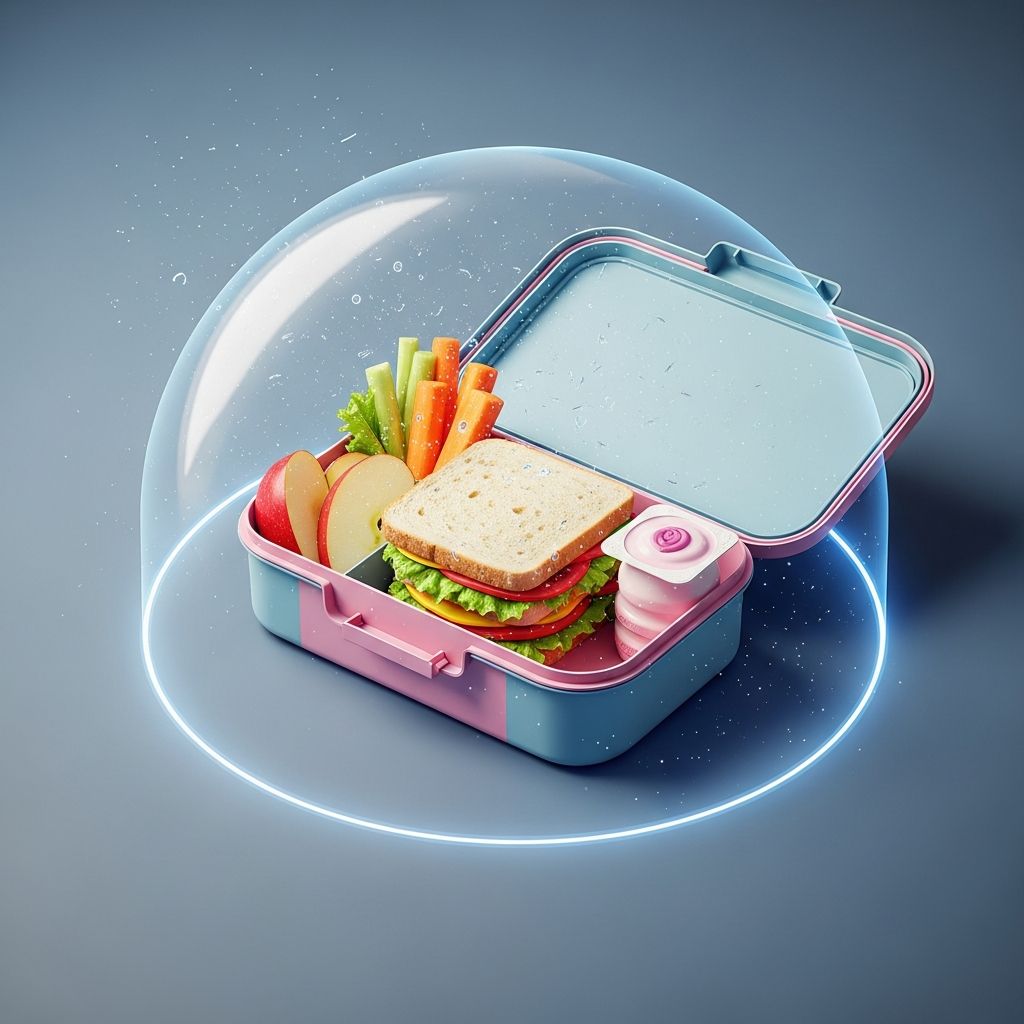
- Stainless Steel Containers: Durable, non-leaching options for sandwiches and snacks, unlike plastic that sheds particles when scratched or heated.
- Glass Jars and Dishes: Ideal for dips, fruits, or yogurt; opt for tempered glass to prevent breakage.
- Silicone Pouches: Food-grade silicone bags for wet items, avoiding single-use plastics.
- Bee’s Wrap or Cloth: Reusable fabric wraps infused with beeswax for sandwiches, replacing foil or plastic film.
These choices prevent microplastic migration, particularly important for microwaved reheats at school.
Water and Beverage Solutions
Bottled water contains far more microplastics than tap; switch to stainless steel or glass bottles filled from home filters. Insulated models keep drinks cold without plastic linings. For hot beverages, use thermoses made of safe materials to avoid leaching.
| Material | Pros | Cons | Best For |
|---|---|---|---|
| Stainless Steel | Durable, no leaching, insulated | Heavier | Daily use, all ages |
| Glass | Chemically inert, reusable | Breakable | Home prep, short trips |
| Plastic (BPA-free) | Lightweight | Potential shedding | Avoid if possible |
Safe Utensils and Accessories
Plastic forks, spoons, and straws break down into microplastics during use. Replace with:
- Bamboo or stainless steel cutlery sets.
- Metal or silicone straws.
- Wooden picks for fruits instead of plastic toothpicks.
Avoid heating plastics; use ceramic or glass for warm leftovers. Labels like “BPA-free” help, but steer clear of recycling codes 1, 3, 6, 7 which may contain problematic additives.
Packaging and Storage Best Practices
Minimize direct food-plastic contact:
- Choose paper-lined pouches or cardboard boxes for dry snacks.
- Layer parchment paper inside any container.
- Freeze meals in silicone molds, then transfer to metal tins.
Wash reusables by hand with mild soap to reduce wear; dishwashers accelerate plastic breakdown.
Broader Dietary Adjustments
Beyond lunch boxes, reduce overall exposure:
- Increase fresh produce, peeled when possible, as they absorb fewer soil particles.
- Limit processed foods in plastic packaging.
- Filter tap water with certified systems removing 99% of particles.
- Avoid microwaving in plastic; use glass or porcelain.
School and Daily Routine Integration
Educate caregivers and schools on these swaps. Pack themed lunches: “Metal Monday” with steel everything. Involve kids in prep to build habits. Track progress with a checklist:
- Container: Glass/Steel ✓
- Utensils: Non-plastic ✓
- Drinkware: Filtered water ✓
- Wrappers: Cloth/Paper ✓
These steps align with pediatric advice for minimizing endocrine disruptors alongside microplastics.
Frequently Asked Questions
Are microplastics in all foods harmful to kids?
Current FDA evidence shows no proven risk at detected levels, but experts advise caution due to potential long-term effects on development.
Can I still use some plastic items?
BPA-free plastics are safer short-term, but prioritize non-plastics for frequent contact to minimize cumulative exposure.
How do I transition lunch boxes affordably?
Start with one steel container and cloth wraps; thrift stores and bulk buys keep costs low.
Is tap water safer than bottled for kids?
Yes, with filtration; bottled water has significantly higher microplastic content.
What if my child refuses new items?
Make it fun with colorful silicone or engraved steel; pair with favorite foods.
Long-Term Strategies for Family Health
Combine lunch swaps with home changes: synthetic-free clothing reduces airborne fibers, and cast iron cookware avoids PFAS coatings. Stay informed via reputable sources as research evolves. By prioritizing these actions, parents empower kids’ health amid environmental challenges.
References
- Microplastics and Your Family’s Health: What You Need to Know — Nationwide Children’s Hospital. 2025-04-01. https://www.nationwidechildrens.org/family-resources-education/700childrens/2025/04/microplastics
- Microplastics and Nanoplastics in Foods — U.S. Food and Drug Administration (FDA). 2024-10-01. https://www.fda.gov/food/environmental-contaminants-food/microplastics-and-nanoplastics-foods
- How to Avoid Microplastics in Food and Water — Woman’s Hospital. 2024-05-15. https://womanshospital.com/blog/entry/how-to-avoid-microplastics-in-food-and-water
- Are Plastic Chemicals Leaking into Your Child’s Food? — Children’s Health. 2024-08-20. https://www.childrens.com/health-wellness/are-plastic-chemicals-leaking-into-your-childs-food
- Microplastics and Our Health: What the Science Says — Stanford Medicine. 2025-01-15. https://med.stanford.edu/news/insights/2025/01/microplastics-in-body-polluted-tiny-plastic-fragments.html