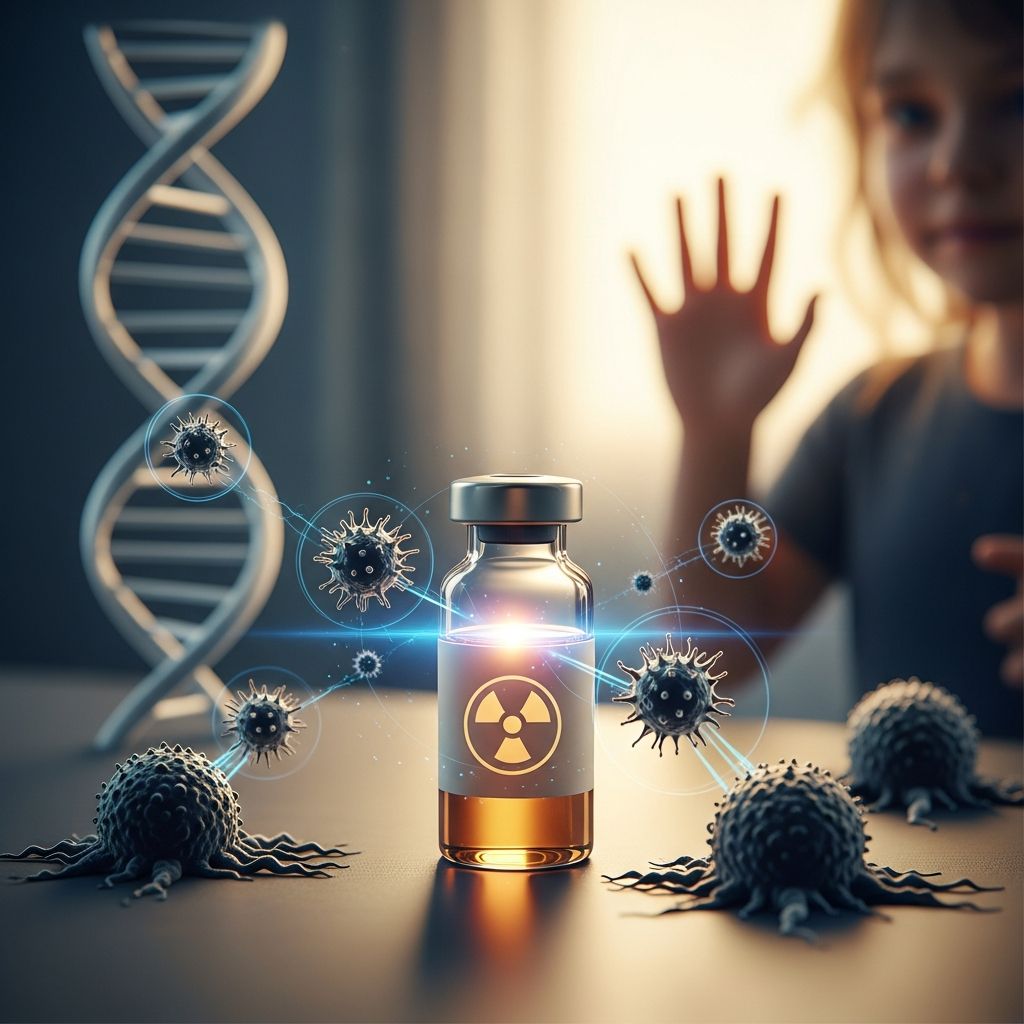
MIBG treatment is a specialized therapy sometimes used for children with neuroblastoma, a cancer that starts in immature nerve cells. It delivers targeted radiation directly to cancer cells while limiting exposure to the rest of the body. This guide explains how MIBG therapy works, why it might be recommended, what to expect during your child’s hospital stay, and how to keep your family safe and supported.
What Is MIBG and Why Is It Used in Neuroblastoma?
MIBG stands for metaiodobenzylguanidine, a molecule that behaves like norepinephrine, a chemical used by certain nerve and adrenal cells. Many neuroblastoma cells take up norepinephrine-like substances, so MIBG can be used as a carrier to bring radiation straight to the tumor cells.
When MIBG is joined to a radioactive form of iodine (most often I-131 for treatment), it creates a type of targeted internal radiation therapy. The combined compound travels through the bloodstream, is absorbed by neuroblastoma cells, and then releases radiation inside or very close to those cells.
- Goal: Destroy or shrink cancer cells that absorb MIBG.
- Target: Neuroblastoma and other neuroendocrine tumor cells that take up norepinephrine-like molecules.
- Delivery: Radiation is given through a vein rather than an external machine.
| Type of Therapy | How It Works | Main Target |
|---|---|---|
| Standard Chemotherapy | Drugs circulate through the body and attack fast-growing cells. | Both cancer cells and some healthy fast-growing cells. |
| External Beam Radiation | Radiation is directed from a machine outside the body at specific areas. | Defined regions of the body (tumor area and nearby tissue). |
| MIBG Treatment | Radioactive MIBG travels in the blood and is taken up mainly by neuroblastoma cells. | Cells that absorb MIBG, especially neuroblastoma and some neuroendocrine tumors. |
When Might Doctors Recommend MIBG Treatment?
MIBG therapy is not used for every child with neuroblastoma. It is usually considered in specialized centers for specific situations, such as:
- Recurrent or relapsed neuroblastoma that has come back after other treatments.
- High-risk neuroblastoma that has not responded well to standard therapy.
- To help shrink tumors before other treatments, such as stem cell transplant or surgery, depending on the care plan.
The decision to use MIBG therapy depends on your child’s overall health, prior treatments, tumor location, and how much disease is present. MIBG is often used together with other treatments, not as the only therapy.
How MIBG Treatment Works Inside the Body
Once MIBG is connected to radioactive iodine and infused into a vein, the following steps happen:
- Circulation: The radioactive MIBG flows through the bloodstream.
- Uptake by tumor cells: Neuroblastoma cells absorb MIBG because it resembles norepinephrine.
- Radiation delivery: The radioactive iodine attached to MIBG emits beta and gamma radiation that damages cancer cell DNA.
- Cell damage and death: Over time, damaged cancer cells may die or grow more slowly.
Because healthy tissues do not absorb as much MIBG, the radiation tends to be more focused on cancer cells than on the rest of the body. However, some normal tissues, especially the bone marrow and thyroid, can still receive radiation, so protective measures and monitoring are important.
Preparing a Child and Family for MIBG Therapy
Planning and preparation help reduce stress and keep everyone safe. Before admission, the care team will review your child’s medical history, previous treatments, kidney function, and blood counts.
Common Pre-Treatment Steps
- Assessment and scans: Imaging tests and lab work help doctors understand where disease is located and whether MIBG therapy is appropriate.
- Thyroid protection: Children usually receive iodine drops or tablets (for example, Lugol’s solution) before and after treatment to lower the thyroid’s uptake of radioactive iodine.
- Medication review: Some drugs interfere with MIBG uptake and may need to be stopped or changed temporarily.
- Fertility discussion (for older children/teens): The team may review potential long-term effects and options to protect fertility, depending on dose and prior treatment.
Emotional and Practical Preparation
- Explain in age-appropriate language that the medicine is radioactive and requires special safety rules.
- Pack comfort items such as favorite toys, books, or electronic devices that can stay in the room.
- Ask who can stay in the hospital, when you can visit, and what contact rules exist while the child is radioactive.
Inside the Hospital: Step-by-Step MIBG Treatment
MIBG therapy is usually given in a dedicated room designed for radiation safety. Although routines vary by hospital, many centers follow a similar pattern.
1. Admission and IV Access
- Your child is admitted to a specialized unit (often a pediatric oncology or nuclear medicine unit).
- Staff place or use an existing central line or IV to infuse the MIBG.
- Nurses review safety instructions, including how parents and staff should limit close contact while radiation levels are high.
2. Infusion of MIBG
- MIBG is infused slowly over a set period (often 1–2 hours, depending on protocol).
- Vital signs (heart rate, blood pressure, breathing) are monitored during the infusion.
- Children may receive medications to prevent nausea or help them rest comfortably.
3. Special Room Setup and Safety Measures
Because your child will temporarily emit radiation, the room is arranged to protect family members and hospital staff.
- Lead shielding: Portable lead screens, glass, or walls reduce radiation exposure to others.
- Distance: Parents are encouraged to stay several feet away when possible, especially from the child’s midsection where most radiation is centered.
- Time limits: Hospitals may limit the amount of time parents or staff can spend very close to the child each day.
- Disposable items: Items that become contaminated with bodily fluids (diapers, gloves) are usually collected and stored safely until they no longer emit significant radiation.
4. Managing Radioactivity in Bodily Fluids
After treatment, the body eliminates some of the radioactive MIBG through urine, stool, and sweat.
- Children are encouraged to drink plenty of fluids to help clear the tracer.
- Urine and stool are handled carefully, often with special toilet instructions or collection systems.
- Parents may wear gloves when helping with toileting or changing diapers to reduce exposure.
5. Monitoring During the Hospital Stay
- Daily checks of radiation levels determine when it is safe for the child to leave the specialized room.
- Blood tests monitor bone marrow function and other organ systems as needed.
- Medical staff observe for side effects, including nausea, blood pressure changes, or pain.
Radiation Safety for Parents and Siblings
Radiation safety is central to MIBG treatment. The levels used can be significant for the child, but with proper precautions, exposure to others is kept low. Hospitals follow national and international safety guidelines for nuclear medicine.
Key Safety Principles
- Time: Limit the amount of time spent very close to your child, especially in the first days after treatment.
- Distance: Stay as far away as is comfortably possible when not providing direct care.
- Shielding: Use walls, doors, and lead screens to reduce exposure when you are in the room.
Pregnant family members and very young siblings are often advised not to visit while radiation levels are highest, due to increased sensitivity of developing tissues.
Possible Side Effects of MIBG Therapy
Every child responds differently, but some side effects are relatively common or important to monitor. Many are temporary and can be managed with supportive care.
Short-Term Side Effects
- Nausea and vomiting: Often managed with anti-nausea medicines.
- Fatigue: Tiredness may last days to weeks after treatment.
- Changes in blood pressure: Because MIBG is similar to norepinephrine, blood pressure may temporarily rise or fall, so monitoring is routine.
- Pain or discomfort: Some children may have pain in areas where tumor cells are being damaged.
Effects on Blood Counts
The bone marrow, which makes blood cells, can be affected by the radiation from MIBG. This can cause:
- Low white blood cells (higher infection risk)
- Low red blood cells (anemia, causing tiredness or pallor)
- Low platelets (greater risk of bruising or bleeding)
Blood counts are checked often after MIBG therapy. Some children may need transfusions or additional supportive care.
Potential Long-Term Risks
High doses of radiation may have long-term risks, including:
- Possible effects on growth and development, especially with multiple treatments or prior intensive therapy.
- Rarely, an increased risk of secondary cancers later in life, similar to other forms of radiation and chemotherapy.
Your care team will discuss these risks in the context of your child’s overall treatment plan and expected benefits.
What Happens After Leaving the Hospital?
Once radiation levels fall to an approved range, your child can go home or to nearby housing. Some radiation may still be present, so limited precautions often continue for a short time.
Home Safety Recommendations (Varies by Center)
- Avoid prolonged close contact (such as a child sitting on another person’s lap for hours) for several days, especially with pregnant people and small children.
- Encourage your child to use their own bathroom if possible, and flush twice after use.
- Wash clothes and bed linens separately if instructed.
- Follow any written instructions about school, public places, and contact with others until cleared by the care team.
Follow-Up Visits and Tests
- Blood tests check recovery of bone marrow and organ function.
- Imaging scans (often MIBG, MRI, or CT) evaluate how much the tumors have shrunk or changed.
- The oncology team reviews results and discusses next treatment steps, which might include more chemotherapy, surgery, stem cell transplant, immunotherapy, or another MIBG course.
Supporting Your Child Emotionally During MIBG Therapy
Beyond the medical aspects, MIBG treatment can be emotionally challenging because of isolation, strict rules, and the visible presence of radiation safety equipment.
Helping Your Child Cope
- Use simple, honest explanations about why the treatment and safety rules are necessary.
- Maintain routines where possible: regular meal times, bedtimes, and communication with family.
- Use video calls so siblings and other loved ones can stay connected.
- Ask the hospital’s child life specialists, psychologists, or social workers for age-appropriate activities and emotional support.
Taking Care of Yourself as a Parent
- Ask questions until you feel comfortable with the plan and safety guidelines.
- Accept help from friends, family, or support organizations for meals, childcare, and errands.
- Talk with other parents who have experienced MIBG therapy, if support groups are available.
Frequently Asked Questions (FAQs)
Q1: Is MIBG treatment the same as an MIBG scan?
No. An MIBG scan uses a much lower dose of radioactive MIBG to take pictures of tumors. MIBG treatment uses a higher dose to deliver therapeutic radiation to cancer cells.
Q2: How long will my child be radioactive?
Radiation levels drop as the radioactive iodine decays and is eliminated. Most centers keep children in a protected room for several days and then may recommend limited home precautions for about one to two weeks, depending on dose and local guidelines.
Q3: Can I stay with my child during treatment?
Most hospitals allow at least one caregiver to stay in or near the room, but with rules about how close you can be and for how long. Pregnant caregivers are usually advised not to provide bedside care during the most radioactive period.
Q4: Will MIBG treatment cure my child’s cancer?
MIBG therapy can shrink tumors and reduce disease in many children, but it is usually one part of a larger treatment plan. Some children respond very well, while others may need additional or different therapies. Your child’s oncologist is the best person to explain expected benefits for your child.
Q5: Is MIBG therapy available at every hospital?
No. MIBG treatment requires specialized rooms, equipment, and trained staff, so it is typically offered at major pediatric cancer centers or hospitals with nuclear medicine expertise. Families may need to travel for evaluation and treatment.
References
- MIBG Scan — Together by St. Jude™ (St. Jude Children’s Research Hospital). 2023-06-01. https://together.stjude.org/en-us/treatment-tests-procedures/tests/imaging-tests/mibg-scan.html
- MIBG Scan: What It Is, Purpose, Procedure & Results — Cleveland Clinic. 2022-08-25. https://my.clevelandclinic.org/health/diagnostics/17226-mibg-scan
- MIBG Scan — Canadian Cancer Society. 2022-03-15. https://cancer.ca/en/treatments/tests-and-procedures/mibg-scan
- MIBG Scan — CureSearch for Children’s Cancer. 2021-11-10. https://curesearch.org/MIBG-Scan/
- MIBG Scan — InsideRadiology (Royal Australian and New Zealand College of Radiologists). 2021-05-01. https://www.insideradiology.com.au/mibg-scan/
- MIBG Scan — Great Ormond Street Hospital for Children NHS Foundation Trust. 2020-09-14. https://www.gosh.nhs.uk/conditions-and-treatments/procedures-and-treatments/mibg-scan/