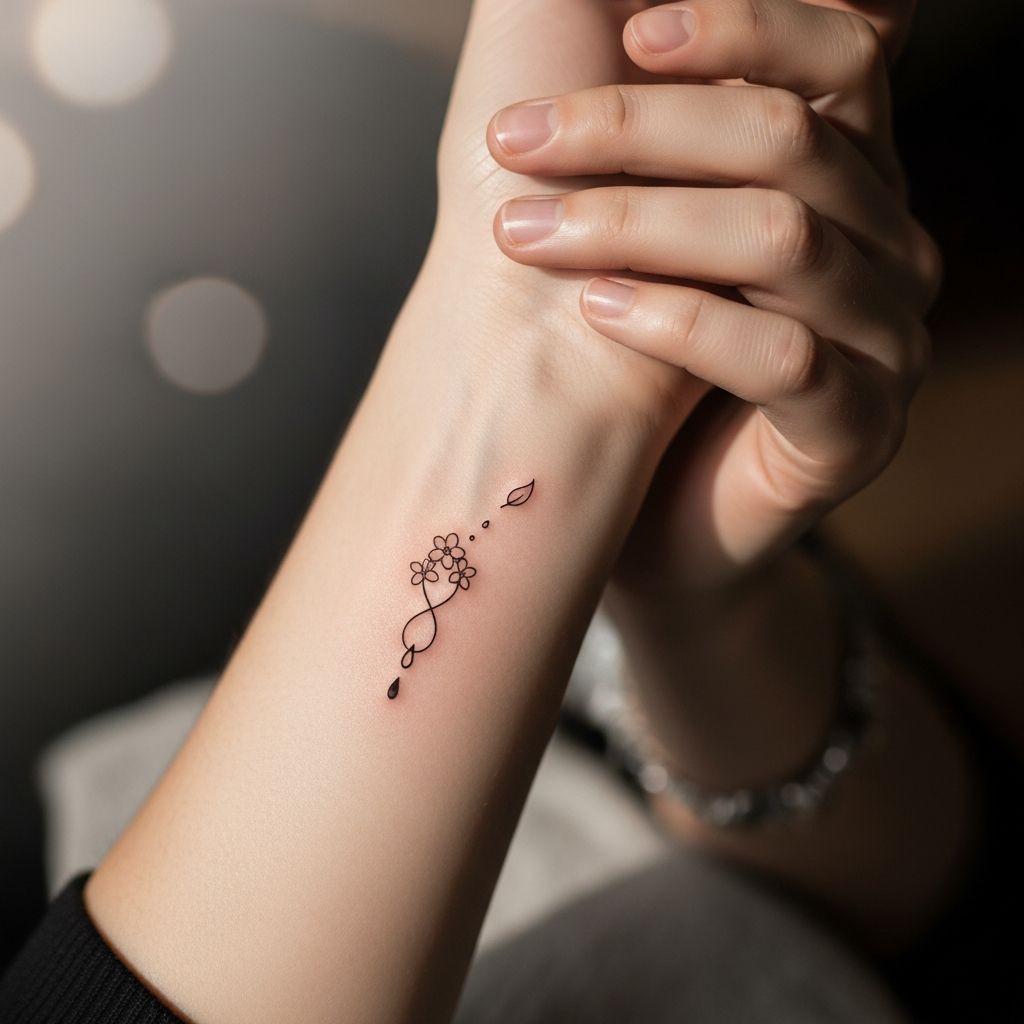
Understanding Pregnancy Loss Through Permanent Ink
The loss of a pregnancy represents one of life’s most profound and often invisible traumas. Unlike other losses that society openly acknowledges and mourns, pregnancy loss frequently exists in silence—a private devastation that can leave parents feeling isolated, unsupported, and struggling to validate their grief. Many individuals who have experienced miscarriage describe feeling as though their loss lacks legitimacy because their child never drew breath or existed outside the womb. This emotional vacuum can intensify the pain and complicate the grieving process.
In response to this lack of recognition, many parents have discovered a meaningful way to externalize their grief and affirm the reality of their child’s existence: commemorative tattoos. These permanent marks on the body serve as visible declarations that a pregnancy occurred, that a child was loved, and that the loss continues to matter. Unlike grief that can be hidden or suppressed, a tattoo transforms private anguish into a tangible, visible testament to a life that, though brief, held profound significance.
The Power of Visible Memorialization
Grief from pregnancy loss often feels particularly isolating because society frequently treats it as a minor setback rather than the significant life event it represents. When a pregnancy ends before viability, family members, friends, and even medical professionals sometimes minimize the emotional impact, inadvertently sending the message that the loss is not worthy of extended mourning. This cultural tendency can leave bereaved parents feeling unseen and delegitimized in their suffering.
A memorial tattoo challenges this invisibility by creating a permanent, public acknowledgment of loss. Every time someone asks about the tattoo, the bereaved parent has an opportunity to speak their child’s story, share their experience, and reclaim their grief from the realm of silence. This act of visibility can be profoundly healing, transforming shame and isolation into connection and understanding. For many parents, simply being asked about their tattoo by a caring listener provides validation that their loss was real and their grief is justified.
Beyond personal healing, these visible memorials serve an educational function within communities. They raise awareness about the prevalence and impact of pregnancy loss, reducing stigma and helping other bereaved parents recognize that they are not alone in their suffering. The cumulative effect of multiple people bearing visible signs of this loss helps normalize the conversation and encourage support systems to develop around those who are grieving.
Symbolic Language and Personal Meaning
One of the most powerful aspects of memorial tattoos is the freedom to choose symbolism that carries personal significance. Rather than words alone, which can feel inadequate to capture complex grief, symbols allow parents to distill their experience into visual metaphors that resonate on emotional and spiritual levels.
Flowers represent one of the most popular choices for memorial tattoos, each carrying distinct meanings. Lotus flowers embody resilience and spiritual growth, suggesting that from suffering and darkness can emerge beauty and strength. Poppies symbolize rest and peace, offering comfort to those struggling with the restlessness of unprocessed grief. Baby’s breath represents delicacy and remembrance, honoring the tender brevity of a pregnancy. Forget-me-nots carry the explicit message that the lost child will not be forgotten, providing reassurance against the fear that grief might fade and with it, the memory of their baby.
Avian imagery—birds, feathers, and wings—frequently appears in these designs, representing freedom, spiritual transcendence, and the journey toward heaven. Many bereaved parents find comfort in imagining their child’s spirit ascending, no longer bound by earthly pain or limitation. The image of birds in flight can symbolize both loss and hope: the release of a child into the spiritual realm and the continuation of a parent’s love across the boundary between life and death.
Celestial symbols such as stars, moons, and shooting stars tap into universal associations with wonder, guidance, and infinity. These images suggest that though a child is no longer present in physical form, their essence endures as a guiding light throughout the parent’s life. Some parents choose to incorporate dates, names, or initials into their designs, creating a more specific and personalized memorial that directly names their child.
Hearts, rainbows, and tree-of-life designs offer additional symbolic possibilities. Hearts represent love and connection, making explicit the emotional bond that persists despite loss. Rainbows have become increasingly associated with “rainbow babies”—children born after a loss—and can symbolize hope and the promise of future family expansion. Tree-of-life imagery represents continuity, growth, and deep roots, honoring both the child who was lost and the strength the bereaved parent is developing through their grief journey.
Design Approaches: Explicit and Subtle Expression
Bereaved parents approach memorial tattoo design across a spectrum, from deeply explicit to understated. The choice often depends on how openly the parent wishes to share their loss story and their personal relationship to public vulnerability.
Explicit designs leave no ambiguity about their purpose. Footprints with angel wings, a name with a birth date and loss date, or an image of a baby angel directly communicate that this is a memorial to pregnancy loss. These designs make a statement and invite conversation. Parents choosing explicit designs often feel ready to discuss their loss openly and find value in the awareness-raising potential of their visible memorial.
Subtle designs hold their meaning closer to the bearer’s heart. A small lotus flower on the ankle, a tiny heart near the collarbone, or a simple star on the wrist carry profound significance while remaining private. These designs can be easily concealed if the wearer chooses discretion in particular contexts. This approach suits parents who are still processing their loss privately or who prefer to share their story only with those they trust.
Placement considerations significantly impact both visibility and accessibility. Tattoos on highly visible areas—forearms, neck, or hands—broadcast their presence and invite regular commentary. Wrist and ankle placements offer a middle ground: visible during everyday life but easily covered when privacy is desired. Placements over the heart, on the upper arm, or on the back remain semi-private, visible primarily to close relationships and when the wearer chooses to reveal them.
The Somatic Dimension of Healing Through Tattoos
Trauma specialists have long recognized that grief and trauma register in the body as patterns of tension, restriction, and disconnection. Traditional talk therapy, while valuable, sometimes remains lodged in the cognitive realm, unable to fully access the somatic (body-based) dimensions of trauma. This is where the process of getting a memorial tattoo can offer unique healing potential.
When someone chooses to mark their body with a memorial tattoo, they engage in an intentional act of embodying their grief. The physical sensation of the tattooing process—the needle’s penetration, the line work, the building of color—creates a new somatic experience that can help process and release trauma held in the body. This is not about inflicting additional pain but rather about consciously channeling sensation toward a meaningful purpose. Many bereaved parents report that the focused attention and controlled intensity of the tattooing experience provides a healthy outlet for pain that has previously felt overwhelming and uncontrollable.
Additionally, the permanent visual reminder of the tattoo creates repeated moments of embodied remembrance throughout daily life. Each time the wearer catches sight of their memorial tattoo—whether while washing their hands, getting dressed, or simply existing in their body—they receive a gentle reminder of their child and their capacity to love despite loss. This repeated micro-engagement with grief, rather than ignoring or pushing away painful feelings, can facilitate ongoing processing and integration of the loss into the larger narrative of their life.
Memorial Tattoos as Bridges Between Loss and Connection
One of the most unexpected benefits many bereaved parents discover is that their memorial tattoo becomes a bridge toward connection with others who have experienced similar losses. In a society where pregnancy loss remains largely hidden and unspoken, encountering another person bearing a visible symbol of miscarriage or stillbirth creates an immediate sense of kinship and mutual recognition.
These chance encounters can evolve into meaningful conversations that might never have occurred otherwise. A stranger noticing a memorial tattoo might share their own loss story, revealing that pregnancy loss is far more prevalent than societal silence suggests. These moments of connection combat the profound isolation that often accompanies grief, reminding bereaved parents that they are part of a larger community of people who have endured similar heartbreak.
Furthermore, visible memorial tattoos contribute to broader cultural awareness. Each time someone inquires about a grief tattoo, the wearer has an opportunity to educate, to normalize the discussion of loss, and to challenge stigma. Over time, as more people bear visible memorials and speak openly about their losses, society’s understanding and compassion around pregnancy loss gradually expands.
Design Styles Across Different Aesthetic Preferences
Memorial tattoos can be executed in virtually any artistic style, allowing bereaved parents to choose designs that align with their aesthetic sensibilities while honoring their child’s memory.
- Minimalist designs: Simple line work, tiny symbols, or minimal color create understated elegance. These designs appeal to those seeking quiet, personal memorials that maintain privacy while still marking their body.
- Watercolor style: Soft, flowing washes of color and blended hues create an ethereal, dreamy quality that many find soothing and spiritually resonant.
- Realistic portraiture: Some parents commission highly detailed, photorealistic images of their baby or symbolic creatures. This approach suits those desiring the most explicit, recognizable memorial.
- Geometric patterns: Abstract geometric designs can incorporate symbolic meaning through shape and proportion, appealing to those preferring modern aesthetics.
- Script and calligraphy: Beautifully lettered names, dates, or meaningful quotes can serve as powerful memorials, particularly when rendered in artistic fonts.
- Combination designs: Many parents choose complex designs that weave together multiple symbolic elements—perhaps combining flowers, birds, and dates into a cohesive composition.
Practical Considerations for Memorial Tattoo Selection
Choosing a memorial tattoo is a deeply personal decision that benefits from thoughtful consideration. Several factors can guide this process toward a design that feels authentically meaningful and sustainable over time.
Timing: Some bereaved parents feel called to get a memorial tattoo relatively quickly after their loss, channeling raw grief into immediate action. Others need months or years to process their loss before committing to permanent ink. Neither timeline is superior; the right moment is whenever the individual genuinely feels ready and clear about what they wish to commemorate.
Collaboration with the artist: Working with a tattoo artist who demonstrates genuine understanding of the significance of memorial tattoos can transform the process into a meaningful ritual. Discussing the story, symbolism, and personal details with the artist helps them create a design that authentically represents the wearer’s relationship to their loss.
Budget and design complexity: Memorial tattoos range from simple, inexpensive designs to elaborate, costly artwork. Establishing a budget and then working with an artist within that framework helps ensure that financial constraints don’t undermine the meaningfulness of the process.
Placement intuition: Rather than overthinking placement, many bereaved parents report that they intuitively know where they want their memorial. Trusting this intuition often leads to placements that feel right emotionally and practically.
When Memorial Tattoos Facilitate Ongoing Grief Processing
Unlike some approaches to grief that emphasize “moving on” or “getting over” loss, memorial tattoos support a different model of grief integration. Rather than suggesting that the goal is to diminish grief until it disappears, these permanent memorials normalize the ongoing presence of loss in one’s life. They acknowledge that the death of a child—regardless of how early the pregnancy ended—permanently alters the landscape of one’s existence.
A parent who has experienced miscarriage does not “recover” and return to their previous baseline. Instead, they integrate this loss into a new identity and new way of being in the world. The memorial tattoo serves as a physical anchor to this integration, a constant reminder that the child existed, mattered, and continues to influence the parent’s life and relationships. This is not pathological; this is love expressed across the boundary of death.
Beyond Individual Healing: Community Impact
The cumulative effect of individuals choosing to bear visible memorials creates shifts in community culture and awareness. As more people display tattoos honoring lost pregnancies, the prevalence of miscarriage becomes undeniable. The hushed shame that has traditionally surrounded this loss gradually transforms into open acknowledgment and compassionate support.
This cultural shift has practical implications. Medical providers, employers, and social institutions gradually recognize pregnancy loss as a legitimate grief event deserving support and accommodation. Support networks develop. Resources expand. The isolation that bereaved parents once endured in silence becomes less absolute.
Frequently Asked Questions
Q: Is it too late to get a memorial tattoo if my miscarriage was years ago?
A: No. There is no timeline for grief or memorialization. Many parents get memorial tattoos years or even decades after their loss, and the meaning remains equally powerful. Some describe finally feeling ready to memorialize after sufficient time has passed for initial shock to settle.
Q: Will getting a memorial tattoo make me sadder?
A: For most people, the opposite occurs. While the process may temporarily intensify emotions related to the loss, many report that having a visible memorial actually facilitates healing by externalizing grief and validating their child’s existence. The tattoo becomes a source of comfort rather than sadness.
Q: How do I explain a memorial tattoo to people who ask about it?
A: You control the narrative. You can share as much or as little as feels comfortable. Some people say, “It’s a memorial to someone I lost.” Others provide more detailed explanations. Your tattoo, your story, your choice about disclosure.
Q: Can both partners get matching memorial tattoos after a miscarriage?
A: Yes. Many couples find that matching or complementary tattoos help them process shared grief and honor their child together. Connected designs—such as matching footprints or complementary symbols—can strengthen the sense of shared loss and shared love.
Q: What if I’m worried the tattoo will look regretful later?
A: Working with a skilled tattoo artist on a timeless, meaningful design significantly reduces the likelihood of future regret. Memorial tattoos typically feel increasingly precious over time rather than regrettable, as they represent an important chapter of your life and a child you loved.
References
- Miscarriage Tattoos – A Unique Way to Memorialize Your Angel — CNY Fertility. Accessed February 2026. https://www.cnyfertility.com/miscarriage-tattoos/
- 21 Inspiring Miscarriage Tattoos to Help You Cope — The Centered Parent. Accessed February 2026. https://thecenteredparent.com/21-inspiring-miscarriage-tattoos-to-help-you-cope/
- Grief and the Body: Somatic Approaches to Trauma Processing — The National Institute for Trauma and Loss in Children. https://www.ntlc.org/
- Pregnancy Loss: Support and Healing Resources — American College of Obstetricians and Gynecologists (ACOG). https://www.acog.org/