Navigating Melatonin Use in Pediatric Populations
Sleep difficulties in children represent a growing concern for families worldwide, leading many parents to explore various solutions. Melatonin supplements have become increasingly popular as a potential remedy for childhood sleep disturbances, with usage rates rising dramatically in recent years. According to recent research, nearly half of parents with children under age 13 have considered or administered melatonin to help their children sleep better. However, the surge in popularity has raised important questions about the safety profile, appropriate dosing, and long-term implications of using this supplement in young populations. Understanding the evidence surrounding melatonin’s effectiveness and safety requires a balanced examination of current research and expert medical guidance.
What Melatonin Is and How It Functions
Melatonin is a naturally occurring hormone produced by the pineal gland in the brain that plays a crucial role in regulating the body’s circadian rhythm, commonly known as the sleep-wake cycle. The body naturally produces melatonin in response to darkness, signaling that it is time to prepare for sleep. When melatonin levels rise, they promote sleepiness and help maintain sleep throughout the night. Exogenous or supplemental melatonin aims to replicate this natural process, assisting children whose bodies may not be producing adequate amounts of this hormone or whose sleep schedules are irregular.
Parents often turn to melatonin supplements when their children experience difficulties falling asleep or maintaining consistent sleep patterns. The availability of melatonin as an over-the-counter supplement in various formulations—including tablets, liquids, and gummies—has made it readily accessible to families seeking solutions without a prescription. However, the ease of access does not necessarily indicate that melatonin is appropriate for all children or for unlimited use.
Examining the Evidence for Melatonin Effectiveness
Research investigating melatonin’s effectiveness in children has produced promising results in specific contexts. Clinical studies have demonstrated improvements in sleep onset and sleep quality, particularly in children with certain medical conditions. An open-label study involving 107 children with autism spectrum disorder experiencing sleep problems found that approximately 60% of parents reported overall improvements in their children’s sleep following melatonin administration. When administered 30 to 60 minutes before bedtime at appropriate doses—starting at 0.75 to 1 mg for children under six years and 1.5 mg for those six years and older—melatonin showed measurable benefits in reducing sleep onset latency.
However, medical experts emphasize an important distinction: melatonin functions as a sleep aid that may facilitate falling asleep, not as a comprehensive sleep solution. The American Academy of Pediatrics does not recommend routine usage of melatonin supplements in children and encourages parents to consult with pediatricians before administration. This cautious stance reflects the reality that underlying sleep issues often require behavioral interventions, environmental modifications, or investigation of underlying medical conditions rather than pharmacological solutions alone.
Safety Profile: Short-Term Use and Minor Adverse Effects
When used appropriately at the correct dose for age and under healthcare provider guidance, melatonin appears to be relatively safe for short-term use in children. Research has consistently demonstrated that serious adverse effects are uncommon, though minor side effects do occur in some cases. The most frequently reported side effects include the following:
- Nightmares and vivid dreams
- Morning grogginess and residual drowsiness
- Headaches and dizziness
- Increased bedwetting at night
- Mood changes and irritability
- Agitation and fatigue
These minor side effects typically resolve without intervention upon discontinuation of the supplement. Most of these effects are transient and do not represent serious health threats. However, the occurrence of any adverse effects warrants communication with a healthcare provider to determine whether continuation, dose adjustment, or discontinuation is appropriate.
Long-Term Safety Concerns and Research Gaps
A significant gap in current evidence exists regarding the long-term safety profile of melatonin use in children. While short-term studies have been conducted, few comprehensive clinical trials have examined extended melatonin use over years of childhood development. This knowledge gap creates uncertainty about potential cumulative effects or impacts on developmental processes.
One area of particular concern involves melatonin’s potential effects on reproductive hormones and pubertal development. Studies in animal models have suggested that melatonin can influence hormones related to puberty, raising theoretical concerns about whether similar effects might occur in human children. However, limited clinical evidence currently supports these concerns in human populations. A study conducted in the Dutch population found no significant differences in pubertal development markers (Tanner stages) between children who received melatonin supplementation at a mean dose of 3 mg for approximately three years during pre-puberty and non-users. Despite this reassuring finding, the lack of extensive long-term clinical trials means questions about melatonin’s impact on growth and development remain only partially answered.
The Rising Problem of Unintentional Ingestion
One of the most significant emerging safety concerns involves unintentional melatonin overdose in young children, particularly those under five years of age. Data from poison control centers reveals a concerning trend in pediatric melatonin exposure. Between 2012 and 2021, unintentional melatonin ingestions in children increased dramatically, with a 530% increase in children under five years of age over this decade. This surge has transformed melatonin into one of the most frequently ingested substances reported to poison control centers in recent years.
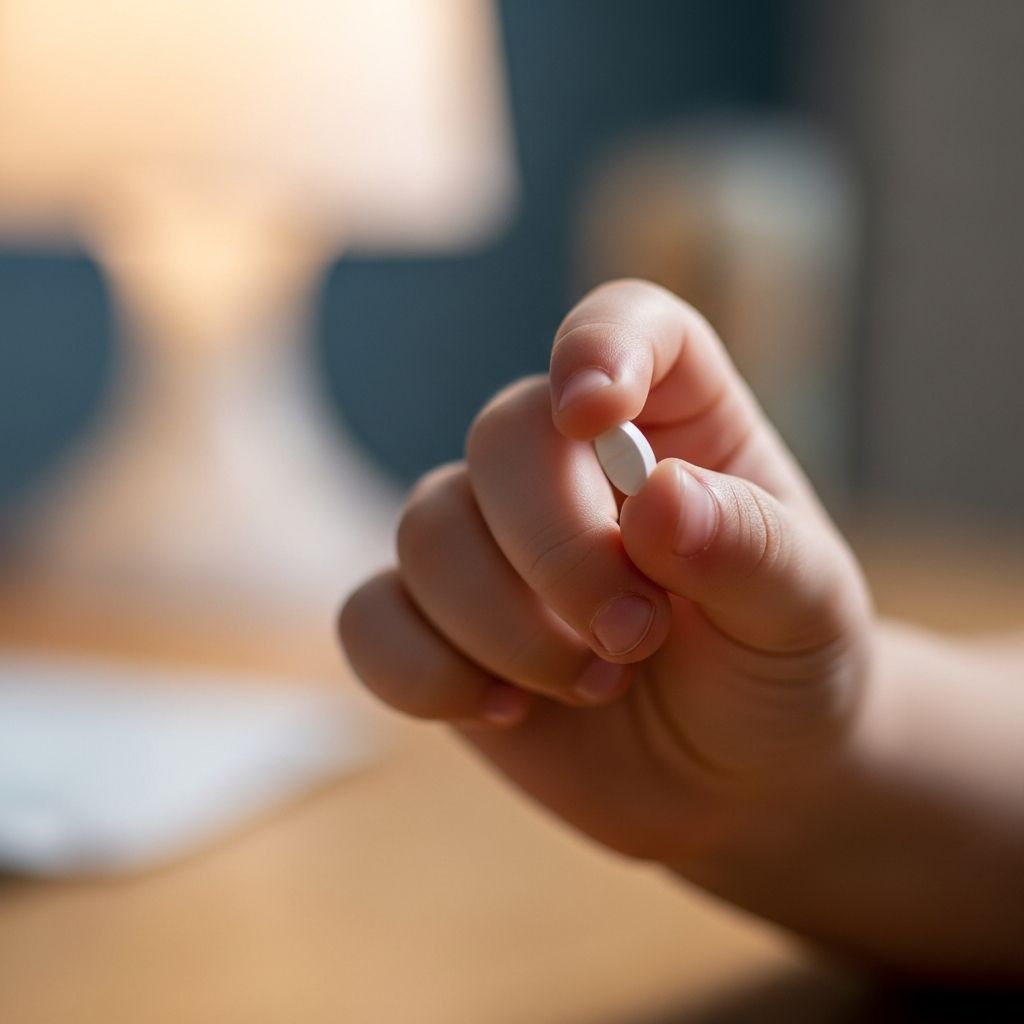
The appeal of melatonin gummies—which resemble candy and taste pleasant—creates a significant risk factor for accidental overdose when products are stored within children’s reach. Young children may consume multiple gummies thinking they are treats, resulting in doses far exceeding recommended amounts. When children ingest doses exceeding 80 mg or present with symptoms, referral to poison control centers occurs.
Fortunately, the vast majority of unintentional ingestions do not result in serious outcomes. Approximately 82.8% of children who ingested melatonin were asymptomatic, and about 80% of cases resulted in no symptoms at all. Among more than 260,000 ingestions reported to poison control centers over a 10-year period, approximately 4,000 children required hospitalization, with most being teenagers whose ingestions were deliberate rather than accidental. The primary symptoms observed in symptomatic cases included drowsiness, gastrointestinal upset, vomiting, and headaches.
However, rare severe outcomes have been documented. Between 2012 and 2022, five children required mechanical ventilation, and two children died following melatonin ingestion. Both fatal cases involved children under two years of age and occurred in home settings. While these deaths represent isolated incidents within the context of thousands of ingestions, they underscore the importance of secure storage and cautious use.
Appropriate Dosing and Age-Related Considerations
Determining appropriate melatonin dosing for children requires medical guidance, as optimal doses vary by age and individual circumstances. General recommendations suggest starting with the lowest effective dose and adjusting only under professional supervision. For children under six years of age, initial doses typically range from 0.75 to 1 mg, with potential adjustments every two weeks based on clinical response. Children aged six and older generally begin with doses of 1.5 mg, with dose escalation considered only if the initial dose proves ineffective.
Long-term studies examining higher doses have been conducted in specific populations. In pediatric patients with delayed sleep phase syndrome and attention-deficit/hyperactivity disorder, melatonin doses up to 10 mg were used for mean follow-up periods of four years without serious adverse events. Additionally, controlled-release melatonin formulations at maximum dosages of 15 mg used for up to 3.8 years in populations with neurodevelopmental disabilities and sleep disorders showed no documented adverse events.
It is critical that parents never assume that because melatonin is available without prescription, any dose is safe. Taking excessive amounts can disrupt the body’s natural melatonin production, potentially making sleep initiation more difficult on subsequent nights, and can cause gastrointestinal disturbances and increased irritability.
When Melatonin May Be Medically Indicated
Medical professionals may recommend melatonin for children with specific conditions that warrant its use. Children with autism spectrum disorder frequently experience sleep disturbances, and melatonin has demonstrated effectiveness in improving sleep parameters in this population. Similarly, children with attention-deficit/hyperactivity disorder often struggle with sleep regulation, and melatonin, when properly managed with routine medical evaluation and follow-up, may provide benefit.
Melatonin may also be considered for children with delayed sleep phase syndrome, a condition in which the body’s internal clock is shifted significantly later than the desired sleep schedule. In these cases, melatonin administered at appropriate times can help realign the circadian rhythm. However, melatonin should always be accompanied by behavioral interventions addressing the underlying sleep problems rather than replacing such approaches.
Alternative Approaches to Supporting Healthy Sleep
Before resorting to melatonin or any supplement, experts recommend implementing behavioral and environmental strategies to promote healthy sleep. These foundational approaches often resolve sleep issues without pharmacological intervention. Establishing consistent sleep schedules, creating dark and quiet sleeping environments, reducing screen time—particularly in the hours before bedtime—and implementing relaxing bedtime routines can significantly improve children’s sleep quality.
Addressing underlying causes of sleep disturbances is essential. Sleep difficulties may reflect anxiety, inadequate physical activity, excessive caffeine intake, or undiagnosed sleep disorders such as sleep apnea. Identifying and treating these root causes proves more effective than simply masking symptoms with supplements.
Expert Recommendations and Precautions
The American Academy of Pediatrics and pediatric sleep specialists emphasize that melatonin use in children should be approached with caution and ideally under the guidance of healthcare professionals. Before administering melatonin to a child, parents should consult with their pediatrician to determine whether the supplement is appropriate, to establish proper dosing, and to rule out underlying sleep disorders or medical conditions contributing to sleep difficulties.
Key precautions include the following:
- Store melatonin supplements securely out of reach of young children to prevent accidental ingestion
- Start with the lowest possible dose appropriate for the child’s age
- Use melatonin for short-term periods rather than indefinitely
- Implement behavioral sleep strategies concurrently with melatonin use
- Monitor for side effects and report any concerns to the pediatrician
- Recognize that melatonin addresses symptoms rather than solving underlying sleep problems
The Current State of Evidence and Future Directions
Current evidence supports the short-term safety of melatonin in children when used appropriately and under medical supervision. However, the field would benefit from additional research addressing several knowledge gaps. Long-term clinical trials examining melatonin use over years would provide clarity regarding potential impacts on development, growth, and hormonal maturation. Comparative studies evaluating melatonin against behavioral interventions alone would help determine optimal treatment approaches. Additionally, standardized guidelines addressing appropriate indications, dosing schedules, and monitoring protocols for different age groups would enhance clinical practice consistency.
The dramatic increase in melatonin usage and accidental ingestions underscores the need for public education regarding appropriate storage, the risks of unsupervised use, and the importance of consulting healthcare providers before administering melatonin to children.
Common Questions About Melatonin and Children’s Sleep
Q: At what age can children safely take melatonin?
A: There is no absolute minimum age established for melatonin use, but it is most commonly studied and recommended for children aged two years and older when medically indicated. For children under two, melatonin should only be considered under direct pediatric medical supervision.
Q: How long can my child take melatonin?
A: Melatonin is best used for short-term periods of weeks to a few months. While some children have used melatonin long-term under medical supervision without serious adverse effects, limited research exists regarding indefinite use. Discuss duration with your pediatrician.
Q: Will melatonin stop working over time?
A: Some children may develop tolerance, requiring dose adjustments. However, individual responses vary considerably. Your pediatrician can assess whether continued use remains beneficial.
Q: What should I do if my child accidentally ingests too much melatonin?
A: Contact your local poison control center immediately or seek emergency medical care. Most overdoses result in no serious symptoms, but professional evaluation is important to ensure your child’s safety.
Q: Are melatonin gummies safer than tablets?
A: Melatonin gummies and tablets contain the same active ingredient. The gummy formulation may actually present increased risk of accidental ingestion due to their candy-like appearance and taste, making secure storage especially important.
References
- Melatonin Use in Pediatrics: A Clinical Review on Indications and Safety — National Center for Biotechnology Information (NCBI). 2024. https://pmc.ncbi.nlm.nih.gov/articles/PMC10968776/
- Melatonin for Kids: Is It Effective? Is It Safe? — Boston Children’s Hospital. https://answers.childrenshospital.org/melatonin-for-children/
- Melatonin for Children: Pediatricians Urge Caution — University of Utah Health. 2024. https://healthcare.utah.edu/healthfeed/2024/01/melatonin-children-pediatricians-urge-caution
- Melatonin Use in Children: Is a Sleep Aid Supplement Safe? — Mayo Clinic Health System. https://www.mayoclinichealthsystem.org/hometown-health/speaking-of-health/melatonin-use-in-children
- Pediatric Melatonin Ingestions — United States, 2012–2021 — Centers for Disease Control and Prevention (CDC). 2022. https://www.cdc.gov/mmwr/volumes/71/wr/mm7122a1.htm
- Rethinking the Use of Melatonin as a Sleep Aid for Kids — American Academy of Sleep Medicine (AASM). https://aasm.org/rethinking-the-use-of-melatonin-as-a-sleep-aid-for-kids/
- Melatonin Use in Young Children: A Systematic Review — JAMA Network Open. 2023. https://jamanetwork.com/journals/jamanetworkopen/fullarticle/2843284