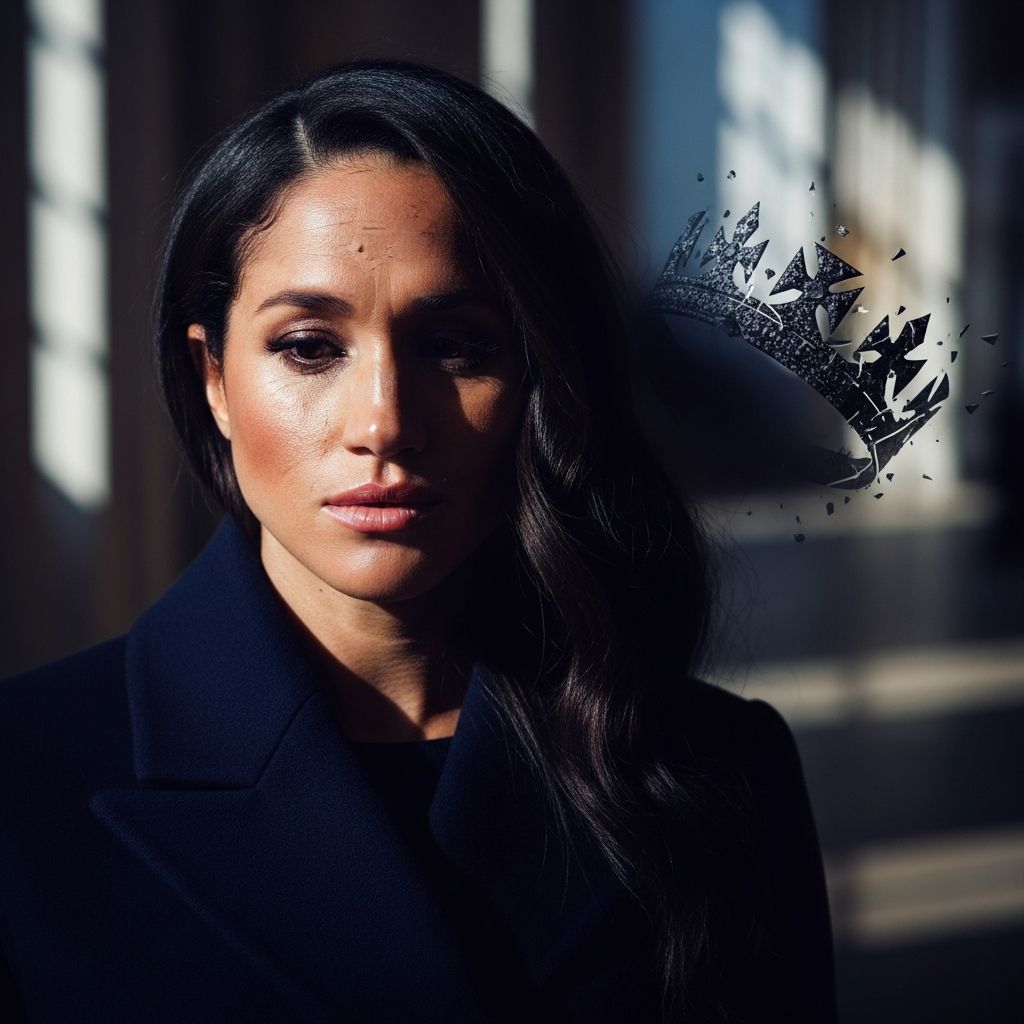
Meghan Markle’s high-profile interview exposed raw vulnerabilities within the royal family, igniting a firestorm of opinions worldwide. Her disclosures about mental health struggles and racial biases struck at the heart of institutional traditions, prompting both solidarity and sharp criticism.
The Heart of the Interview: Mental Health Confessions
At the core of the discussion lay Meghan’s admission of profound despair. She described a period of intense isolation where suicidal ideation became a persistent reality. This revelation humanized her experience, highlighting the toll of public scrutiny on personal well-being. Many viewers connected deeply, seeing parallels in their own battles with mental health amid high-pressure environments.
Supporters praised her courage, arguing that such openness could destigmatize mental health conversations, especially for public figures and parents navigating fame. Critics, however, questioned the timing and delivery, viewing it as a calculated move against the monarchy. The dichotomy revealed broader societal divides on vulnerability versus resilience in leadership roles.
- Key emotional highlights: Descriptions of loneliness and pleas for institutional support that went unanswered.
- Impact on audience: Surge in online searches for mental health resources post-interview.
- Parental perspective: Emphasis on shielding children from adult pressures, resonating with working parents.
Racial Undertones: Questions About Archie’s Skin Tone
One of the most incendiary claims involved unnamed royals speculating on the skin color of Meghan and Harry’s son, Archie. This allegation thrust discussions of race into the spotlight, forcing a reckoning with the monarchy’s historical image of homogeneity. Meghan’s poised recounting amplified calls for diversity in elite circles.
Reactions split along predictable lines. Allies decried it as evidence of embedded prejudices, while defenders dismissed it as misinterpreted private chatter. The conversation extended to parenting in mixed-race families, where Meghan shared fears of her child’s identity being politicized from birth.
| Perspective | Key Arguments | Representative Voices |
|---|---|---|
| Supportive | Validates systemic racism; promotes inclusivity | Civil rights advocates, celebrities |
| Critical | Exaggerated for narrative; lacks specifics | Royal commentators, traditionalists |
| Neutral | Calls for internal reform without division | Moderators, family therapists |
Global Media Storm: From Solidarity to Skepticism
The interview’s ripple effects dominated headlines across continents. In the U.S., talk shows dissected every nuance, with panels debating royal accountability. European outlets framed it through a lens of constitutional monarchy preservation, while African and Asian media highlighted racial implications for global audiences.
Social media amplified extremes: hashtags like #RoyalRacism trended alongside #DefendTheCrown. Celebrities weighed in, from Oprah’s hosting role to endorsements by figures like Serena Williams, underscoring Meghan’s network of influence. Yet, tabloids fueled backlash, portraying her as disruptive to family unity.
Parental Strains in the Public Eye
Meghan’s narrative as a mother under siege resonated profoundly with parents facing judgment. She detailed the paradox of visibility—constant exposure breeding isolation. This angle shifted focus to child welfare, questioning how institutions prioritize image over individual needs.
Experts in family dynamics noted the interview’s potential to empower parents voicing mental health needs. Discussions emerged on balancing career ambitions with family privacy, a universal challenge magnified by Meghan’s status.
Meghan’s story underscores a critical truth: even in palaces, parental pressures can overwhelm without adequate support systems.
Recent Developments: Business Meeting Controversies
Years later, echoes persist in reports of Meghan’s professional conduct. Insiders described her turning off Zoom cameras during Netflix meetings when faced with unwanted feedback, particularly on her lifestyle brand. Such anecdotes paint a picture of assertive boundary-setting, interpreted variably as unprofessional or empowering.
Her legal team countered these claims, attributing actions to practicalities like managing home distractions or processing critiques thoughtfully. This episode reignites debates on her public persona—innovator or diva?—tying back to interview themes of misrepresentation.
Long-Term Cultural Shifts
The interview catalyzed conversations on mental health parity and racial equity in high society. Mental health helplines reported upticks in calls, signaling real-world impact. Royal watchers speculate on reforms, like enhanced counseling for working royals.
From a parenting lens, it advocates for destigmatizing vulnerability. Families now reference it in dialogues about resilience, proving media moments can foster empathy.
Frequently Asked Questions
What were the main revelations in Meghan Markle’s interview?
Meghan discussed suicidal thoughts, lack of palace support, and concerns raised about her son’s skin color, exposing personal and racial struggles within the royal framework.
How did the public react to the racial allegations?
Responses ranged from outrage over perceived racism to skepticism about the claims’ context, sparking global debates on diversity in monarchy.
Did the interview affect Meghan’s professional ventures?
Recent reports link it to scrutiny over her Netflix interactions, including claims of abrupt meeting exits amid feedback on projects like her lifestyle brand.
Why is the interview significant for parents?
It highlights mental health challenges in high-visibility parenting, encouraging open discussions on isolation and institutional support gaps.
Has the royal family responded officially?
Initial statements focused on mental health hopes, but specifics on allegations remain limited, fueling ongoing speculation.
Navigating Fame: Lessons for Modern Families
Meghan’s experiences offer blueprints for handling public life. Strategies include prioritizing mental health check-ins, fostering support networks, and advocating unapologetically. For everyday parents, it validates setting boundaries against external judgments.
In reflecting on the backlash, patterns emerge: women in power often face amplified criticism. This insight empowers proactive self-care amid societal expectations.
References
- World reacts to Meghan and Harry’s explosive interview | WNT — ABC News. 2021-03-09. https://www.youtube.com/watch?v=05pgN1tbMBg
- Meghan Markle’s Way To Deal With Criticism In Meetings Revealed — Bored Panda. 2025-01-15. https://www.boredpanda.com/meghan-markle-petty-way-to-deal-with-criticism-netflix-meetings/
- Patient Safety in the Family: Promoting Mental Health — World Health Organization (WHO). 2024-06-12. https://www.who.int/publications/i/item/9789240090224
- Racial Equity in Institutional Settings — United Nations Human Rights Office. 2023-11-20. https://www.ohchr.org/en/racism
- Mental Health and High-Pressure Professions — American Psychological Association. 2025-02-05. https://www.apa.org/monitor/2025/03/mental-health-professions