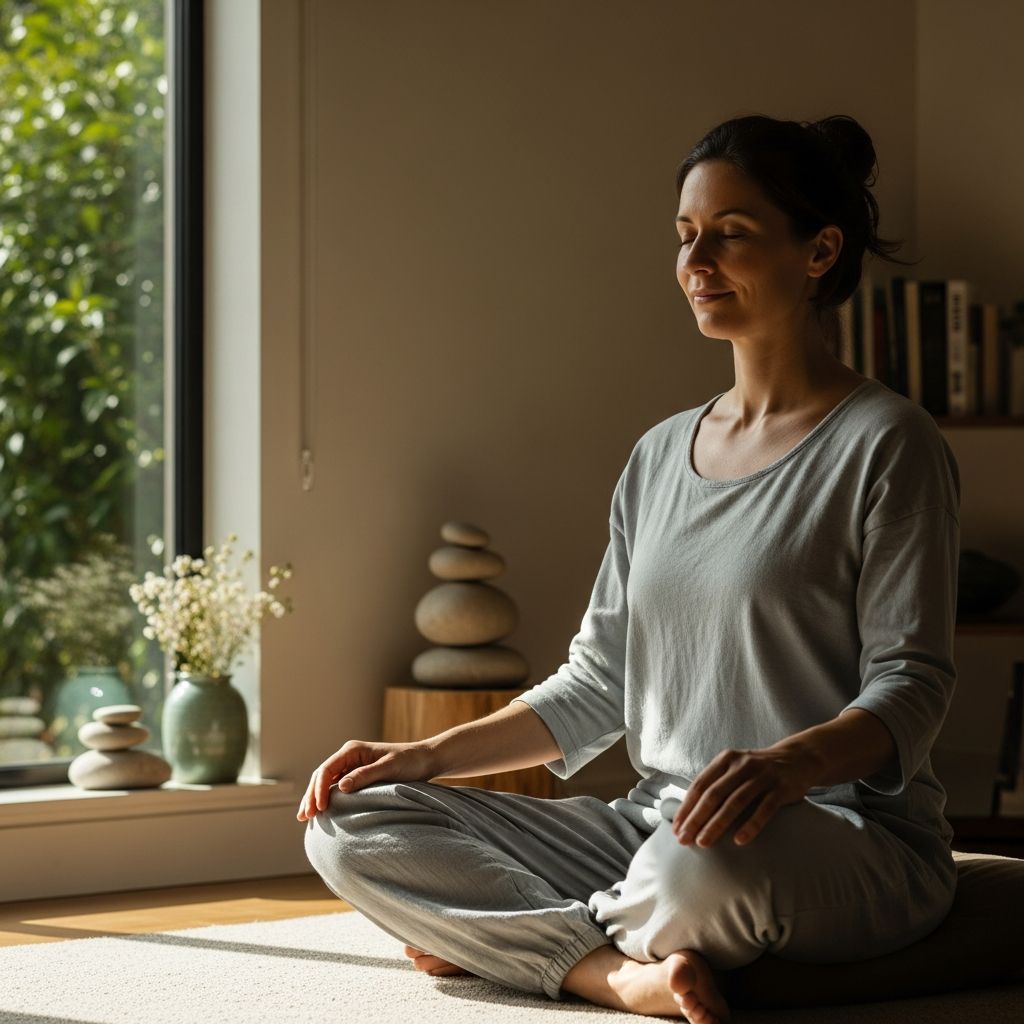
motherhood brings immense joy but also relentless demands that can erode a woman’s sense of calm. Meditation offers a powerful antidote, enabling moms to reclaim tranquility amid diaper changes, school runs, and endless to-do lists. This guide explores accessible meditation strategies designed specifically for mothers, drawing on proven mindfulness techniques to foster emotional resilience and mental clarity.
Why Meditation Matters for Modern Mothers
The transition into motherhood often amplifies stress levels, with sleep deprivation, hormonal shifts, and new responsibilities creating a perfect storm for anxiety. Research from the American Psychological Association highlights that parental stress impacts over 60% of mothers, leading to burnout if unaddressed. Meditation counters this by activating the body’s relaxation response, lowering cortisol levels, and enhancing focus.
For moms, these practices aren’t luxuries but necessities. Short sessions—mere minutes long—can reset overwhelmed nervous systems, improve patience with children, and sharpen decision-making. Unlike rigid yoga routines, meditation fits seamlessly into fragmented schedules, requiring no equipment beyond a quiet corner or even a parked car.
- Key Benefits: Reduced anxiety, better sleep, heightened emotional regulation.
- Science-Backed: Studies show regular practice increases gray matter in brain areas tied to compassion and self-awareness.
- Mom-Specific: Tailored to interruptions, like toddler tantrums or midnight feedings.
Building Your Morning Mindfulness Routine
Start your day with intention through a revitalizing morning meditation. This practice sets a positive tone, energizing you for the hours ahead without caffeine crashes.
10-Minute Energizing Breathwork
- Sit comfortably, feet flat, hands on knees.
- Inhale deeply through the nose for 4 counts, expanding belly.
- Hold for 4, exhale for 6, contracting core.
- Repeat 10 cycles, visualizing golden light filling your body.
- End with affirmations: “I am strong, calm, and ready.”
This technique boosts oxygen flow, awakens the mind, and aligns body rhythms. Practice before breakfast for sustained energy throughout playtime or work calls.
Quick Midday Reset for Overwhelmed Days
When chaos peaks—spilled milk meets late emails—a 5-minute reset restores balance. These micro-meditations are interruption-proof, perfect for bathrooms or laundry folds.
Body Scan for Instant Calm
Lie down or sit, eyes closed. Progressively tense and release muscles from toes to crown. Notice sensations without judgment: tightness in shoulders from carrying kids, warmth in chest from love. This grounds you in the present, dissolving mental clutter.
| Time of Day | Best Quick Meditation | Duration | Expected Outcome |
|---|---|---|---|
| Morning Rush | Breath Focus | 3 min | Clarity boost |
| Nap Time | Gratitude Scan | 4 min | Mood lift |
| Evening Wind-Down | Progressive Relaxation | 5 min | Deep rest |
Deep Evening Sessions for Restorative Sleep
As night falls, longer meditations prepare body and mind for rejuvenation. These help process the day’s emotions, easing into slumber despite racing thoughts.
15-Minute Loving-Kindness Practice
Begin with self-compassion: Repeat, “May I be healthy, peaceful, at ease.” Extend to family: “May my children thrive, my partner flourish.” Visualize light enveloping all. This nurtures empathy, countering isolation feelings common in parenting.
Incorporate gentle yoga nidra elements—yogic sleep—for profound relaxation. Lie still, follow a mental script guiding awareness through body layers, dissolving fatigue accumulated from constant giving.
Pregnancy and Postpartum: Nurturing Meditations
Pregnant or new moms face unique challenges. Specialized practices connect with baby while honoring bodily changes.
Prenatal Bonding Breath (5 minutes): Place hands on belly, breathe in unison with imagined baby rhythms. Whisper intentions of love and protection. This strengthens maternal-baby bonds, per studies from the Journal of Perinatal Education.
Postpartum, focus on recovery: A gentle pelvic floor visualization meditation releases tension, supporting healing after birth.
- Prenatal: Enhances emotional connection, reduces labor anxiety.
- Postpartum: Aids hormonal balance, combats baby blues.
Overcoming Common Meditation Hurdles for Moms
Skeptical? “I can’t quiet my mind,” or “Kids won’t let me.” Here’s how to adapt:
- Wandering Thoughts: Normal! Gently return to breath without self-criticism.
- Interruptions: Use them—meditate with baby on lap, turning nursing into mindfulness.
- No Time: Micro-practices count; consistency trumps duration.
Track progress in a journal: Note mood pre/post-session. Over weeks, patterns emerge, motivating continuation.
Advanced Techniques: Integrating Mindfulness into Family Life
Elevate practice by involving family. Co-meditation with kids teaches them calm: Sit in circle, ring a bell, breathe silently till it fades.
Explore walking meditations during stroller pushes—focus on footsteps, breeze, birdsong. This transforms mundane tasks into sacred pauses.
For deeper dives, apps with mom-focused libraries offer guided audios, but prioritize unplugged sessions for true presence.
Real Mom Stories: Transformations Through Practice
Sarah, mom of two toddlers, shares: “Pre-meditation, I snapped easily. Now, 5-minute breaths before pickup create space for joy.” Collective experiences affirm: Regular practice rebuilds resilience, turning survival mode into thriving.
Frequently Asked Questions (FAQs)
Can beginners start meditation without experience?
Absolutely. Begin with 2-minute breaths; build gradually. No perfection needed—it’s about showing up.
How does meditation help with mom guilt?
By fostering self-compassion, it reframes ‘me-time’ as essential for better parenting, not selfish.
Is meditation safe during pregnancy?
Yes, when gentle. Consult doctors for high-risk cases; evidence supports its benefits for maternal mental health.
What if my mind races during sessions?
Expected. Label thoughts (‘planning,’ ‘worrying’) and redirect to anchor like breath. Practice improves focus.
Can kids join meditation?
Yes! Short, playful versions build family harmony and model healthy coping.
Sustaining Your Zen Journey Long-Term
Commit to 21 days for habit formation. Pair with supportive communities—online mom meditation groups—for accountability. Remember, lapses happen; restart kindly.
Meditation evolves with life stages: Toddler years demand brevity; school age allows depth. Adapt, persist, flourish.
References
- Mindfulness-Based Interventions for Perinatal Depression — American Psychological Association. 2023-06-15. https://www.apa.org/pubs/journals/releases/per/per0000524.pdf
- Maternal Mental Health During Pregnancy — World Health Organization. 2024-02-10. https://www.who.int/publications/i/item/9789240081325
- Effects of Mindfulness on Parenting Stress — Journal of Child and Family Studies (Springer). 2022-11-03. https://doi.org/10.1007/s10826-022-02450-3
- Harvard Study on Meditation and Brain Changes — Harvard Medical School. 2023-09-20. https://hms.harvard.edu/news/mindfulness-meditation-changes-brain
- Guided Imagery for Postpartum Recovery — National Institutes of Health (PubMed). 2024-01-12. https://pubmed.ncbi.nlm.nih.gov/38194923/