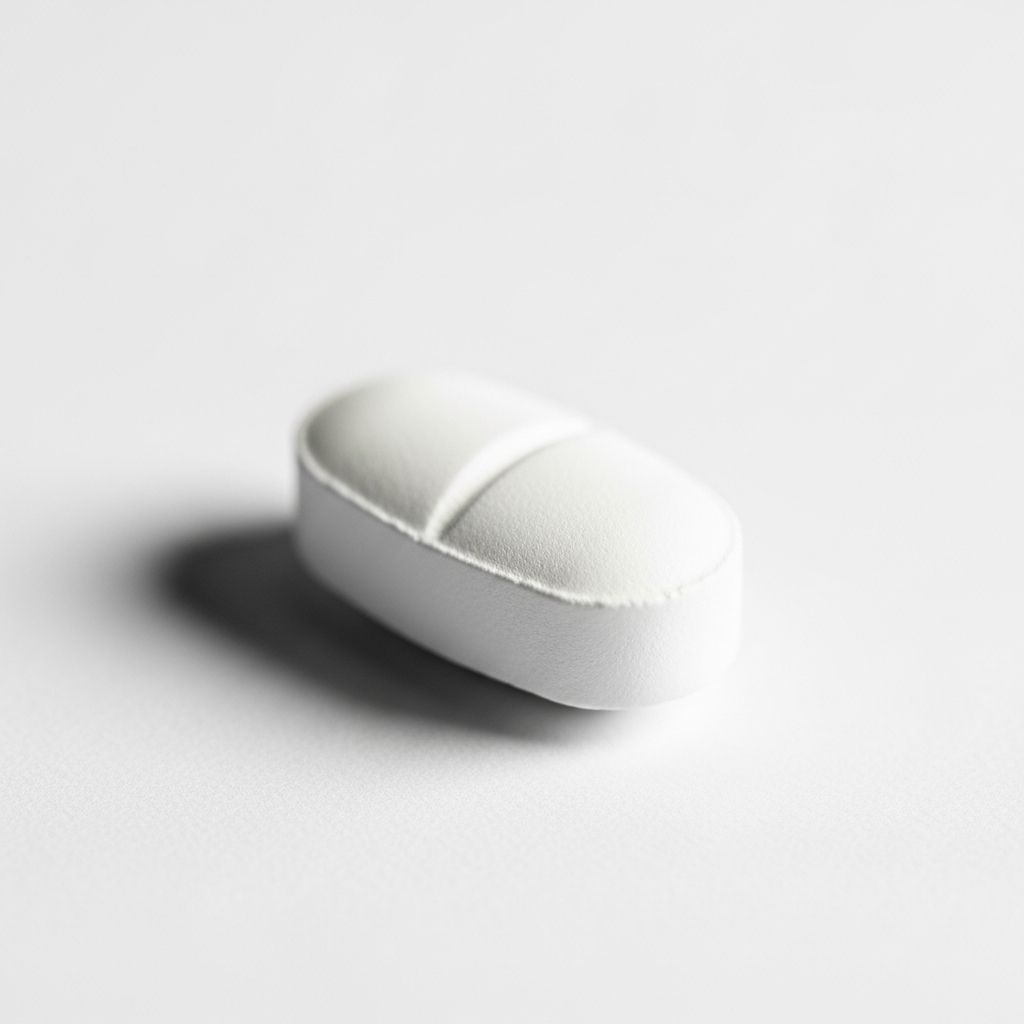
Medication abortion, commonly known as the abortion pill, offers a non-surgical option to end early pregnancies using prescribed medications. This method involves two primary drugs: mifepristone and misoprostol, which work together to stop pregnancy development and expel uterine contents.
Understanding How Medication Abortion Works
The process mimics a natural miscarriage by disrupting the hormonal environment necessary for pregnancy continuation. Mifepristone, taken first, blocks progesterone—a key hormone that sustains pregnancy—causing the uterine lining to break down and the embryo to detach. Approximately 24 to 48 hours later, misoprostol is administered, prompting uterine contractions and bleeding to expel the pregnancy tissue.
This regimen is FDA-approved up to 10 weeks of gestation, with clinical evidence supporting use up to 11 weeks (77 days). Over half of abortions in the U.S. utilize this method due to its convenience and high success rate.
Who Qualifies for Medication Abortion?
Candidates typically have pregnancies confirmed at 11 weeks or earlier via ultrasound or blood tests. A healthcare provider evaluates medical history to rule out contraindications like ectopic pregnancy, adrenal issues, or chronic corticosteroid use.
- Ideal gestational age: Up to 70-77 days from last menstrual period.
- Health checks: No allergies to medications, no IUD in place (must be removed), and ability to access follow-up care.
- Access: Available via telehealth in many areas or clinics, though state laws vary.
Surgical options may be recommended beyond 11 weeks or if medical abortion fails.
Step-by-Step Process of Taking the Abortion Pill
The regimen spans 1-2 days, often completed at home after initial consultation.
- Day 1: Mifepristone (200 mg orally). Swallow one pill in a clinic, doctor’s office, or home. It halts progesterone, with light spotting possible soon after.
- 24-48 Hours Later: Misoprostol (800 mcg). Place four 200 mcg pills buccally (cheeks), sublingually (under tongue), or vaginally for 30 minutes. Vaginal use may reduce nausea; discard if expelled after absorption.
- Cramping and Bleeding: Begins 1-4 hours post-misoprostol, peaks at 4-5 hours, lasts several hours to days. Pass clots and tissue (resembling heavy period).
- Follow-Up: 1-2 weeks later via call, test, or ultrasound to confirm completion.
| Method of Misoprostol | Instructions | Pros | Cons |
|---|---|---|---|
| Buccal | Between cheek and gum, 30 min | Easy, no insertion | Mild nausea possible |
| Sublingual | Under tongue, 30 min | Discreet | Higher nausea |
| Vaginal | Inserted deep, if no bleeding | Least nausea | Messy if bleeding started |
Pain management: Take ibuprofen (e.g., naproxen 30 min prior) as directed.
Safety and Success Rates
Medication abortion is 94-98% effective up to 11 weeks, with lower rates slightly later. ACOG endorses it as safe, preferring mifepristone-misoprostol over misoprostol alone.
- Level A Evidence: Combined regimen superior; incomplete cases managed expectantly or with repeat dose.
- Rare Failures: Ongoing pregnancy (1-5%), treated by repeat misoprostol or aspiration.
Major complication rate under 0.5%, less risky than childbirth.
Common Side Effects and Pain Management
Expect heavy bleeding (soaking 2 pads/hour for 2 hours max), cramps, nausea, diarrhea, fever/chills (from prostaglandins in misoprostol).
- Pain Relief: Ibuprofen 600-800 mg every 6-8 hours; avoid aspirin (increases bleeding).
- Other Tips: Heat pads, rest, hydration, light meals.
- Bleeding Duration: 1-2 weeks, lighter than menses afterward.
Tissue passage: Clots, sac, or embryo (size of grape at 10 weeks); normal and private.
Potential Risks and When to Seek Help
Serious issues rare but include heavy bleeding (4+ pads/hour >2 hours), infection (foul discharge, fever >100.4°F >24 hours), severe pain unrelieved by meds.
- Emergency Signs: Soaking >2 maxi pads/hour for >2 hours, dizziness, rapid pulse, temperature >101°F.
- Incomplete Abortion: Managed with additional misoprostol, aspiration, or wait (often resolves).
Contact provider or ER if concerned; most resolve without intervention.
Recovery After Medication Abortion
Most resume normal activities in 1-2 days. Use pads (no tampons/IUDs for 1-2 weeks to avoid infection).
- Fertility: Returns immediately; use contraception to avoid repeat pregnancy.
- Emotional Health: Feelings vary; support hotlines available.
- Follow-Up Tests: Pregnancy test negative by 4 weeks; ultrasound if needed.
No long-term fertility impact; breastfeeding safe (pump/discard milk for 4 hours post-meds).
Legal Access and Alternatives
Availability varies by location; telehealth expands access. FDA approves up to 10 weeks; evidence-based up to 11. Alternatives: Surgical aspiration for later gestations or preferences.
Frequently Asked Questions (FAQs)
Can I take the abortion pill at home?
Yes, after provider consultation, mifepristone often at home, misoprostol self-administered privately.
How late is too late for the abortion pill?
Up to 11 weeks (77 days); beyond, procedural abortion recommended.
Does it hurt as much as childbirth?
No, cramps resemble severe period pain, manageable with OTC meds; peaks briefly.
What if I don’t pass tissue right away?
Bleeding confirms process; follow-up verifies completion. Incomplete often resolves naturally.
Is medication abortion reversible?
No established safe reversal; follow through if started.
Can I drive after taking the pills?
Yes, but have support for cramping phase; avoid if pain severe.
References
- How to take abortion pills: misoprostol & mifepristone — Hey Jane. 2023. https://www.heyjane.com/articles/how-to-take-abortion-pills-what-to-expect
- Medical Abortion: What It Is, Pain, Risks & Recovery — Cleveland Clinic. 2023-10-24. https://my.clevelandclinic.org/health/treatments/21899-medical-abortion
- The Abortion Pill Guide — Alamo Women’s Clinic. 2023. https://alamowomensclinic.com/the-abortion-pill-guide/
- What is medication abortion? Your questions answered — AAMC. 2023. https://www.aamc.org/news/what-medication-abortion-your-questions-answered
- Medication Abortion Up to 70 Days of Gestation — ACOG. 2020-10. https://www.acog.org/clinical/clinical-guidance/practice-bulletin/articles/2020/10/medication-abortion-up-to-70-days-of-gestation
- Telemedicine Medical Abortion Instructions — Cedar River Clinics. 2022-04. https://cedarriverclinics.org/wp-content/uploads/2022/04/TelemedMABInstructions5-20.pdf
- Mifepristone and Misoprostol for Early Pregnancy Loss — AAFP. 2021-04-15. https://www.aafp.org/pubs/afp/issues/2021/0415/p473.html