Measles remains one of the most contagious viral infections, capable of spreading rapidly through airborne droplets and posing significant risks, particularly to young children, infants, pregnant individuals, and those with compromised immunity. Despite advances in medicine, outbreaks continue in under-vaccinated communities, underscoring the need for awareness and proactive measures. This guide equips parents, caregivers, and individuals with practical knowledge on early detection, symptom management, potential complications, and robust prevention strategies grounded in recommendations from leading health authorities.
Understanding the Nature of Measles
Caused by the measles virus, a member of the paramyxovirus family, this highly infectious disease primarily affects the respiratory system before manifesting systemic symptoms. It spreads efficiently via respiratory droplets from coughing, sneezing, or even talking, with an infected person contagious from four days before the rash appears until four days after. Approximately 90% of unvaccinated, susceptible individuals exposed to measles will contract it, highlighting its extreme transmissibility. Global health bodies emphasize that while vaccination has drastically reduced incidence in many regions, vigilance is crucial as imported cases can spark local outbreaks.
Recognizing Early Warning Signs
Initial symptoms mimic a common cold, often delaying recognition. Watch for these progressive indicators:
- High fever, frequently exceeding 104°F (40°C), persisting for several days.
- The ‘three Cs’: cough, coryza (runny nose), and conjunctivitis (red, watery eyes with light sensitivity).
- White spots inside the mouth, known as Koplik’s spots, appearing 1-2 days before the rash—a hallmark early sign.
- General malaise, loss of appetite, and fatigue.
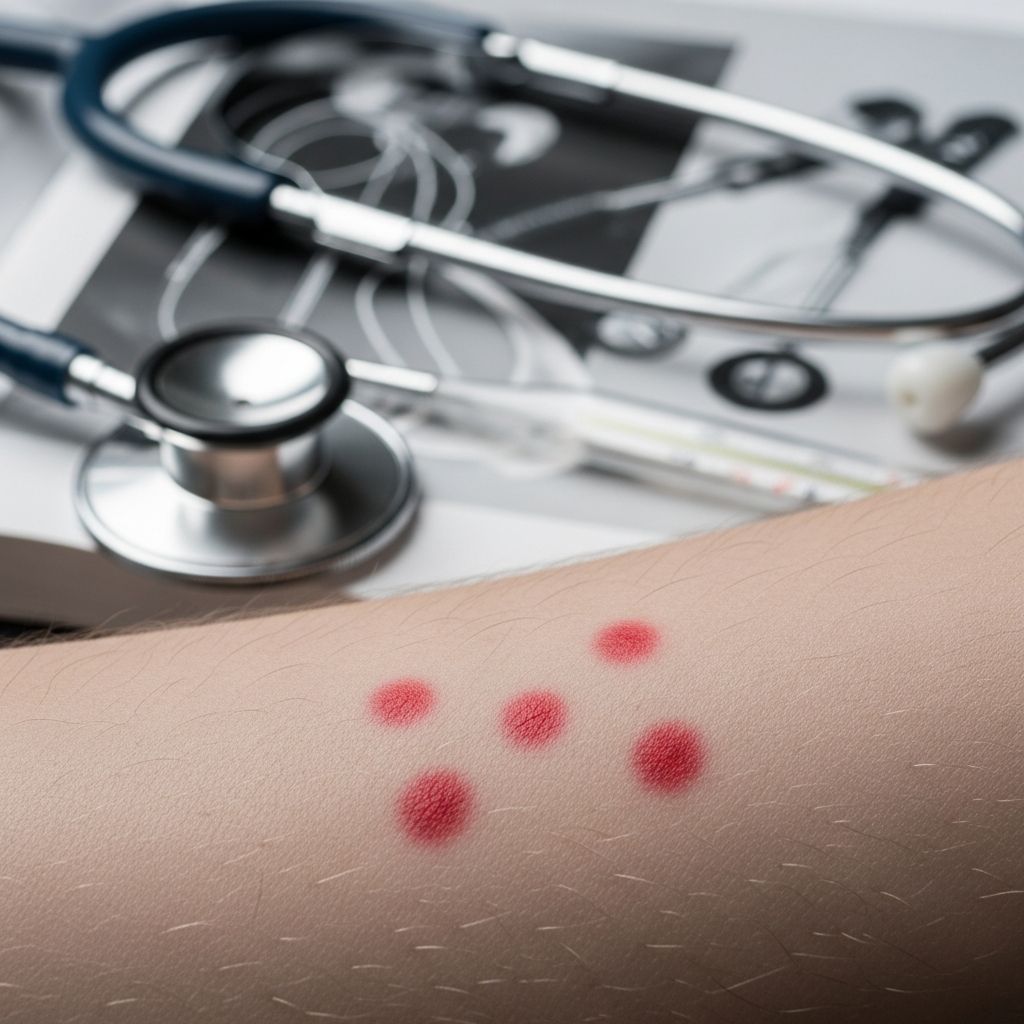
These prodromal symptoms emerge 10-12 days post-exposure, with the full rash—flat red spots starting on the face and spreading downward—developing 3-5 days later. The rash typically lasts 5-6 days, fading in the order it appeared. Early identification is vital, as isolation prevents further spread.
Step-by-Step Response if Exposure Occurs
Suspected exposure warrants immediate action. Contact a healthcare provider promptly to assess risk based on vaccination status and symptoms. Providers may recommend post-exposure prophylaxis, such as MMR vaccine for unvaccinated individuals within 72 hours of exposure, which can mitigate severity even if infection occurs. Health departments must be notified to trace contacts and curb outbreaks. Monitor for symptoms up to 21 days, practicing strict hygiene: frequent handwashing, covering coughs, and avoiding shared items.
Effective Home Care Strategies
No antiviral cures measles; management centers on supportive measures to ease discomfort and avert dehydration or secondary issues. Key approaches include:
- Hydration: Encourage frequent sips of water, oral rehydration solutions, or clear broths to counter fever-induced fluid loss.
- Fever control: Use acetaminophen or ibuprofen per age-appropriate dosing to reduce temperature and aches; avoid aspirin in children due to Reye’s syndrome risk.
- Eye and respiratory relief: Dim lights for photophobia, apply cool compresses to eyes, and use a humidifier for cough relief.
- Nutrition: Offer soft, nutritious foods; vitamin A supplements (two doses, 24 hours apart) are recommended by WHO for all cases to bolster immunity and prevent eye damage.
- Rest and isolation: Keep the patient in a well-ventilated room, away from others, for at least four days post-rash onset.
Caregivers should don masks during close contact and disinfect surfaces, as the virus survives on objects.
High-Risk Groups and Complication Vigilance
Certain populations face elevated dangers. Infants under one, children under five, adults over 20, pregnant people, and immunocompromised individuals are prone to severe outcomes. Common complications encompass:
| Complication | Description | Risk Factors |
|---|---|---|
| Ear infections | Bacterial otitis media from viral predisposition | Young children |
| Pneumonia | Viral or secondary bacterial lung infection, a leading cause of measles-related death | Infants, malnourished |
| Encephalitis | Brain inflammation (1 in 1,000 cases), potentially causing seizures or long-term damage | Immunocompromised |
| Subacute sclerosing panencephalitis (SSPE) | Rare, fatal neurodegenerative disorder years later | Early childhood infection |
Seek emergency care for breathing difficulties, persistent high fever, severe headache, neck stiffness, confusion, or rash non-fading under pressure. Hospitalization may involve IV fluids, oxygen, or antibiotics for bacterial superinfections.
The Power of Vaccination in Prevention
The MMR vaccine—protecting against measles, mumps, and rubella—is the cornerstone of defense, with two doses conferring 97% efficacy. Administer first dose at 12-15 months, second at 4-6 years in low-incidence areas; earlier (9 months) in high-risk settings. It’s safe, with mild side effects like transient rash or fever in some. Debunked myths linking MMR to autism stem from fraudulent research; extensive studies affirm no causal connection. During outbreaks, unvaccinated exposed children benefit from prompt vaccination. Community immunity requires 95% coverage to halt transmission.
Everyday Precautions to Curb Spread
Beyond vaccination, adopt these habits:
- Avoid contact with infected individuals; maintain 6 feet distance.
- Practice respiratory etiquette: cough into elbow, dispose tissues promptly.
- Clean high-touch surfaces with EPA-approved disinfectants.
- Verify vaccination records before travel, school, or childcare.
Employers and schools should screen for symptoms and enforce isolation.
Frequently Asked Questions (FAQs)
Q: Can vaccinated people still get measles?
A: Rarely, breakthrough cases occur but are milder and less contagious, affecting about 3% despite two doses.
Q: Is measles dangerous for adults?
A: Yes, adults over 20 risk higher complication rates like pneumonia; vaccination is advised if no prior immunity.
Q: What if my unvaccinated child is exposed?
A: Consult a doctor immediately for possible vaccine or immunoglobulin; monitor closely for 21 days.
Q: How long is someone with measles contagious?
A: From four days before to four days after rash onset; isolate accordingly.
Q: Does vitamin A help with measles recovery?
A: Yes, WHO-recommended supplements reduce mortality and eye complications, especially in deficient children.
Building Community Resilience Against Outbreaks
Recent U.S. surges highlight vaccination gaps. Health departments track cases, advise advanced dosing, and promote catch-up campaigns. Families should review records via state registries or providers. International travel necessitates proof of immunity. Educating networks fosters collective protection. By prioritizing vaccination and swift response, measles can remain a rarity, sparing future generations its burdens.
References
- Protect Yourself and Stop the Spread: Measles Symptoms, Treatment and Prevention — Allegheny Health Network. 2024. https://www.ahn.org/health/articles/protect-yourself-and-stop-the-spread-measles-symptoms-treatment-and-prevention
- Measles outbreaks: symptoms, treatment and prevention—what parents need to know — UC Davis Health. 2024-02. https://health.ucdavis.edu/news/headlines/measles-outbreaks-symptoms-treatment-and-prevention-what-parents-need-to-know/2024/02
- Measles – Control Prevention — Occupational Safety and Health Administration (OSHA). Accessed 2026. http://www.osha.gov/measles/control-prevention
- Measles — World Health Organization (WHO). 2025-11-04. https://www.who.int/news-room/fact-sheets/detail/measles
- Measles – Symptoms & causes — Mayo Clinic. Accessed 2026. https://www.mayoclinic.org/diseases-conditions/measles/symptoms-causes/syc-20374857
- Measles Prevention — Florida International University Division of Student Affairs. Accessed 2026. https://dasa.fiu.edu/campus-spaces/student-health-clinics/disease-prevention/measles-prevention/