The Art of Meaningful Family Photography
In an era where smartphones and social media dominate our daily lives, the desire to capture precious moments with our children has become more important than ever. Yet many parents struggle with finding ways to photograph their kids that feel authentic, fun, and genuinely reflective of their personality. Rather than relying on traditional studio settings or staged poses, many families are discovering the joy of creating photographs in unexpected places with unconventional props and settings.
Family photography has evolved significantly over the past decade. What was once reserved for formal occasions now encompasses the spontaneous, the playful, and the wonderfully messy moments that truly define childhood. Parents are increasingly looking for ways to document their children’s lives that go beyond standard portraits, seeking instead to capture genuine expressions, curious explorations, and the unscripted joy that comes from everyday adventures.
Why Unconventional Backdrops Matter
The choice of location for family photos can dramatically influence the overall feeling and authenticity of the images. When photographers choose settings that connect to a family’s interests, heritage, or daily life, the resulting photographs tell a much richer story than generic studio backdrops ever could. Whether it’s a farmers market, a family business, a favorite neighborhood shop, or a meaningful community space, these locations add layers of context and personality to photographs.
Using real-world environments also tends to put children at ease. When kids are photographed in familiar or intriguing settings rather than sterile studio spaces, they often relax naturally and display more genuine expressions. A child exploring colorful vegetables at a market will likely show more authentic joy and curiosity than one forced to smile at a blank white wall.
The Power of Local Businesses as Backdrops
Local businesses offer remarkable opportunities for unique family photography sessions. Family-owned shops, markets, bakeries, and farms are not only visually interesting but also carry personal significance. When parents choose to photograph their children in spaces where they regularly spend time or that represent their family’s values, the photographs gain emotional resonance. These locations become part of the family’s story, creating images that feel connected to who they actually are.
Props That Tell a Story
The items used in photographs serve as powerful storytelling tools. Rather than generic props found in photography studios, consider using objects that have meaning within your family’s life. Fresh produce, seasonal items, family heirlooms, or items related to a parent’s profession can all become meaningful elements in family portraits.
When props are chosen intentionally, they transform a simple photograph into a narrative. A child surrounded by fruits and vegetables tells a story about nourishment, health, and connection to nature. A child holding items related to a parent’s work communicates family pride and shared interests. These deliberate choices make photographs more interesting and more memorable.
Making Props Age-Appropriate and Safe
- Always prioritize safety when selecting objects for infants and toddlers
- Choose props that are too large to pose choking hazards
- Ensure all items are clean and sanitized before they contact a child’s skin or mouth
- Avoid props with sharp edges, small detachable pieces, or toxic materials
- Test props thoroughly before including them in a photo session
- Keep the session brief to prevent fatigue or overstimulation
Creating a Comfortable Atmosphere During Photography Sessions
The success of any family photography session depends heavily on the mood and comfort level of everyone involved, especially the children. A rushed, tense, or overly formal environment will result in stiff poses and forced smiles. Instead, parents should work with photographers who understand how to create a relaxed, playful atmosphere where children feel comfortable being themselves.
Good photographers recognize that the best shots often come during moments of genuine interaction and play rather than during posed attempts. They’ll encourage families to play together, laugh, and engage naturally while documenting these unscripted moments. This approach requires patience and flexibility from both the photographer and the family.
Preparation Tips for Successful Sessions
- Choose a time of day when children are typically well-rested and fed
- Dress in clothing that reflects your family’s style and allows for natural movement
- Plan the session duration to match your child’s attention span and energy levels
- Bring along comfort items like favorite toys or snacks if needed
- Communicate with your photographer about your family’s personality and preferences beforehand
- Have realistic expectations and focus on having fun rather than achieving perfection
The Rise of Authentic Family Documentation
Social media has played an interesting role in family photography trends. While some worry about the pressure to create perfect images for online sharing, others have found inspiration in the authentic, candid photographs that resonate most deeply with audiences. Images that showcase real family moments—complete with messy faces, genuine laughter, and imperfect poses—often generate more meaningful engagement than overly polished alternatives.
This shift toward authenticity represents a healthier approach to documenting family life. Rather than trying to present an idealized version of parenthood, families are celebrating the reality of raising children, which includes both beautiful and chaotic moments. Photographs that capture genuine emotion and connection feel more valuable and memorable than staged alternatives.
The Importance of Celebrating Your Child’s Individuality
Every child has a unique personality, interests, and way of interacting with the world. The most meaningful family photographs are those that reflect and celebrate these individual qualities. Rather than trying to force children into predetermined poses or expressions, thoughtful photographers and parents work together to highlight what makes each child special.
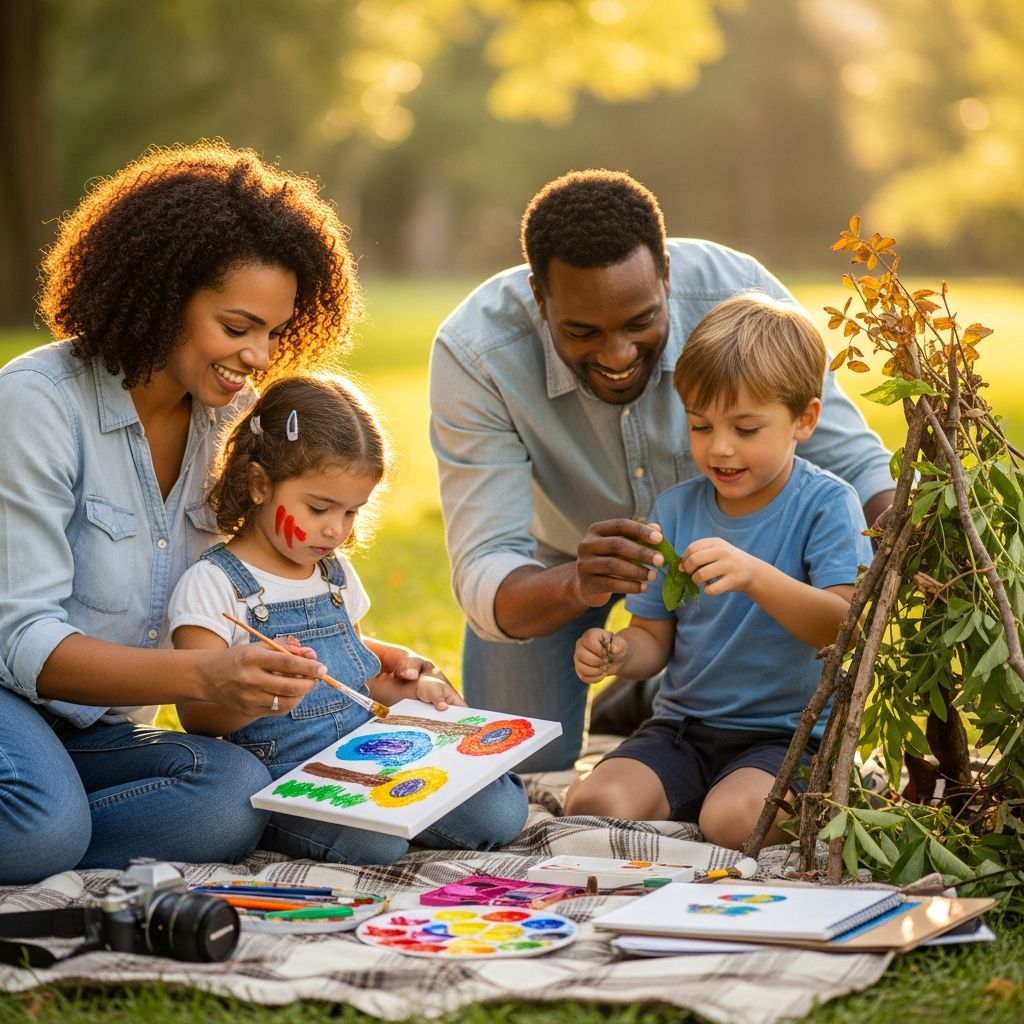
This might mean creating a photo series that showcases a child’s love of exploration, artistic interests, or connections to family heritage. It might involve visiting meaningful locations or incorporating elements that represent the child’s passions. The goal is to create visual documentation that future generations will treasure precisely because it captures the essence of who that child was at that moment in time.
Budget-Friendly Photography Options
Professional photography sessions can be expensive, which is why many families are exploring more affordable alternatives. Smartphone photography has advanced tremendously, allowing parents to capture high-quality images without professional equipment. For those seeking professional results without the highest price tags, consider:
- Booking sessions during off-peak seasons or weekdays when photographers may offer reduced rates
- Hiring emerging photographers building their portfolios who offer competitive pricing
- Requesting shorter session lengths focusing on specific shots rather than extended sessions
- Combining professional sessions with DIY photography using natural light and smartphone technology
- Organizing group sessions with other families to share photographer fees
Creating a Legacy Through Images
Photographs serve as tangible connections to the past and touchstones for family memories. Years from now, the images created today will become treasured records of childhood, family relationships, and important moments in time. When these photographs are created thoughtfully and authentically, they become even more valuable to families.
The effort invested in planning creative, meaningful photo sessions pays dividends as years pass. Children who see themselves documented thoughtfully and celebrated in photographs develop stronger connections to their family history. Photographs that honestly capture who children were at different ages become increasingly precious as they grow and change.
Tips for Long-Term Photo Preservation
Creating meaningful photographs is only part of the equation; preserving them properly ensures they remain accessible for future generations. Consider these strategies:
- Store digital files in multiple locations including cloud backup services
- Print select favorite images to create physical albums that don’t depend on technology
- Organize files with clear naming conventions and folder structures for easy retrieval
- Use professional archival methods for any printed photographs to prevent deterioration
- Create photobooks or albums that tell specific family stories rather than random collections
- Share digital copies with extended family members for backup protection
Frequently Asked Questions
Q: What age is best for professional family photographs?
A: Family photographs work well at any age, but sessions tend to be easiest with older children who can follow simple directions. Babies and toddlers also photograph beautifully when sessions are brief and allow for natural play. The best time is whenever your family feels ready and excited about the experience.
Q: How should we choose what to wear for family photos?
A: Select clothing that reflects your family’s personal style and makes everyone comfortable. Avoid busy patterns that distract from faces, and choose colors that complement your chosen location. Coordinated outfits need not be matchy—a cohesive color palette works beautifully and feels more natural.
Q: Can we use regular locations instead of professional studios?
A: Absolutely. Many photographers excel at working in outdoor locations, parks, local businesses, and other meaningful settings. These locations often result in more authentic and interesting photographs than studio settings.
Q: How often should we do family photo sessions?
A: This depends on your preferences and budget. Annual sessions are common for capturing growth and changes, but some families prefer sessions every few years. Milestone sessions for birthdays, graduations, or family achievements also work well.
Q: What should we do if our child is nervous about photos?
A: Start with familiar, comfortable settings and allow plenty of playtime before taking photos. Keep sessions short and make it fun rather than pressured. Some children warm up when they see the photographer first and understand what’s happening.
Q: How do we select a photographer for our family?
A: Review portfolios to see if their style matches your vision. Read reviews, ask about their experience with families and children, and have a consultation to discuss your goals. Chemistry and communication are important for successful sessions.
References
- The Benefits of Family Photography for Child Development — American Psychological Association. 2023. https://www.apa.org/science/about/psa/family-relationships
- Child Safety Guidelines for Photography Sessions — American Academy of Pediatrics. 2024. https://www.healthychildren.org/English/safety-prevention/on-the-go/Pages/default.aspx
- Digital Photo Preservation and Archival Standards — Library of Congress. 2023. https://www.loc.gov/preservation/digital/
- Authentic Parenting and Documentation Trends — American Academy of Pediatrics. 2024. https://www.healthychildren.org/English/family-life/Pages/default.aspx