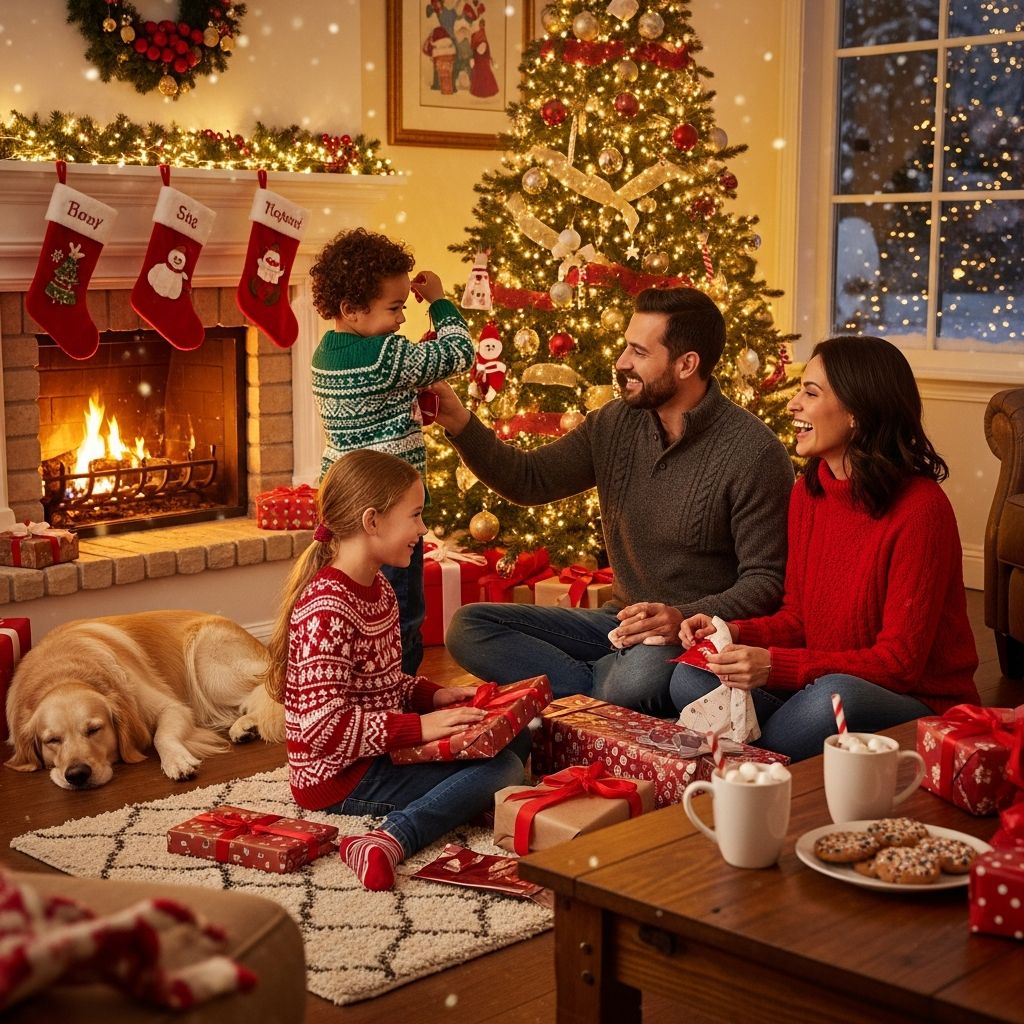
Christmas traditions are more than cute photos and matching pajamas; they are the small, repeated rituals that quietly tell children, “This is who we are and how we love each other.” The most memorable traditions are rarely the most expensive or elaborate—they are the ones your family can return to year after year with joy, not stress.
This guide walks through practical, flexible ways to build Christmas traditions that fit your family’s personalities, schedules, and budgets. You will find ideas for cozy nights at home, meaningful giving, creative keepsakes, and low-pressure ways to involve kids of all ages.
Why Christmas Traditions Matter
Family rituals offer children a sense of safety and predictability in a season that can otherwise feel chaotic. When the same songs, smells, and activities appear each December, kids learn to anticipate moments of warmth and belonging.
Traditions also give adults something to hold onto. As kids grow, move out, and form their own households, these repeated rituals become a shared language and a bridge across different life stages.
Designing Traditions That Actually Work
Before adding a dozen new activities to your calendar, pause and think about what your family truly enjoys. A successful Christmas ritual should feel like a gentle anchor, not another obligation. Start with one or two small ideas, let them settle, and adjust them over time.
Consider these questions when choosing or adapting traditions:
- Does this fit our current season of life (sleep schedules, work hours, budget)?
- Can we repeat it easily next year without resentment or burnout?
- Is there room for kids to help or lead, depending on their ages?
Simple Daily and Weekly Rituals
Not every tradition has to happen on Christmas Eve or Christmas Day. Smaller, recurring practices throughout December can be just as meaningful and often less stressful.
Evening Moments That Build Connection
Choose one or two short rituals you can reliably do most nights or once a week. The key is consistency, not complexity.
- Cozy story time: Read a winter or holiday-themed book together by the tree lights and let each child pick the night’s story.
- Gratitude spark: Go around the room and have everyone share one thing they were thankful for that day, holiday-related or not.
- Hot drink ritual: Pick one night each week for “mug night” with hot chocolate, tea, or warm milk and a simple conversation starter.
Weekly Themes to Keep December Grounded
Instead of trying to squeeze everything into one weekend, assign gentle themes to each week of December. This makes planning easier and gives kids something to anticipate.
| Week of December | Simple Theme | Example Traditions |
|---|---|---|
| Week 1 | Lights & Decorating | Hang lights, decorate the tree, make one DIY ornament. |
| Week 2 | Baking & Treats | Try one new cookie recipe, share extras with neighbors. |
| Week 3 | Giving & Gratitude | Donate toys, write thank-you notes, choose a charity. |
| Week 4 | Rest & Reflection | Slow movie night, family walk, share hopes for next year. |
Memory-Making at Home
Some of the most beloved traditions happen without ever leaving the house. These rituals turn ordinary living rooms and kitchens into the backdrop of lifelong memories.
Kitchen Traditions Kids Will Remember
Holiday food is powerful because it engages all the senses—smell, taste, sound, and even touch. You do not need gourmet skills to make kitchen memories; you just need time and patience.
- Signature cookie or treat: Pick one recipe that becomes “your” family’s holiday staple, whether it is ginger cookies or simple chocolate bark.
- Family bake day: Assign each person a job—stirring, decorating, delivering plates—and celebrate teamwork more than perfection.
- Breakfast tradition: Choose one special breakfast for Christmas morning each year, such as cinnamon rolls or fruit and yogurt parfaits.
Living Room Traditions for All Ages
The living room often becomes mission control for holiday gatherings, gift opening, and lazy afternoons. Building rituals here creates a sense of shared space and belonging.
- Tree night: Dedicate one evening to decorating the tree, playing favorite music, and telling the stories behind each ornament.
- Movie & pajama night: Choose one evening where everyone wears pajamas, watches a holiday movie, and enjoys a simple snack picnic on the floor.
- Game or puzzle evening: Keep one board game or puzzle that only appears during December so it feels special and seasonal.
Traditions That Give Back
Including generosity in your Christmas rituals teaches children that the season is not only about receiving. Even small acts can plant deep roots of empathy and awareness.
Rather than adding pressure to “do it all,” choose one meaningful giving tradition and return to it each year. Repetition is what turns a nice idea into a lasting ritual.
- Holiday giving jar: Collect spare change or small bills during the year and let kids help decide where to donate in December.
- Neighbor appreciation: Deliver simple treats or handwritten notes to a few neighbors, delivery drivers, or teachers.
- Wish list sharing: For every wish on a child’s gift list, invite them to add one idea of how they might help someone else.
Traditions for Different Ages and Stages
As your family changes, your rituals can change too. Instead of clinging tightly to one “right” way to celebrate, treat your traditions like a living collection that can grow and shift.
What delights a toddler may bore a teenager, and what overwhelms a new parent may energize grandparents. Flexibility makes space for everyone.
With Babies and Toddlers
For the youngest family members, Christmas can be wonderfully simple. Focus on sensory moments and predictable routines rather than complicated outings.
- Turn off main lights and let babies gaze at the tree or window lights for a calm evening ritual.
- Sing the same lullaby or carol each night in December as part of bedtime.
- Take short stroller walks to look at outdoor decorations in your neighborhood.
With School-Aged Kids
Elementary-aged children love repetition and hands-on participation. This is a great season to involve them in planning and leading small pieces of your traditions.
- Let kids be in charge of one annual task, such as hanging stockings or arranging the holiday books basket.
- Create a “tradition choice list” where each child picks an activity for one December evening.
- Start a simple craft tradition, like making one new ornament each year with their name and age on the back.
With Teens
Teenagers often have busier schedules and evolving tastes, but they still crave a sense of continuity. Involve them in decisions and create space for both nostalgia and new ideas.
- Invite teens to plan and host a themed movie or game night for the family.
- Let them handle music playlists, photo-taking, or setting up a hot chocolate bar.
- Include them in choosing a charity or cause the family supports each year.
Capturing and Preserving Your Traditions
Memories can blur over time, especially in a busy season. A simple system for capturing your traditions helps you see how your family has grown and changed.
You do not need scrapbooking skills or an expensive camera. Small, consistent steps matter more than polished results.
- Annual snapshot: Take one family photo in the same spot every year, regardless of outfits or perfect smiles.
- Year-in-review note: On a notecard or in a digital document, jot down a few bullet points about what felt special that Christmas.
- Memory box: Keep one box or folder with favorite holiday cards, kids’ drawings, and a few ticket stubs or programs.
Keeping Expectations Realistic
It is easy to imagine perfectly coordinated outfits, cheerful children, and a spotless home. Real life usually looks more like spilled cocoa, mismatched ornaments, and someone crying at bedtime.
Healthy expectations protect both your energy and your relationships. When a tradition stops serving your family, you have full permission to simplify it or let it go.
- Choose one or two “non-negotiable” traditions and treat everything else as optional.
- Build in margin—leave some evenings free for rest and unplanned moments.
- Remember that kids remember how they felt, not whether the house was perfectly decorated.
Ideas for Small Spaces and Tight Budgets
Meaningful Christmas traditions do not require a large home or a big budget. In fact, limited space and resources often encourage more creativity and connection.
Focus on experiences, not price tags. Many of the most treasured rituals are completely free.
- Make a paper chain or snowflakes from scrap paper instead of buying new decor.
- Plan a “lights walk” to admire neighborhood decorations instead of expensive outings.
- Host a simple cocoa night with one friend or neighbor instead of a large party.
Frequently Asked Questions
How many Christmas traditions should a family have?
There is no ideal number of traditions. Some families thrive with just a few simple rituals, like a special breakfast and one evening activity, while others enjoy a more eventful December. The right number is whatever your family can repeat with joy rather than obligation.
What if my kids are older and we have never had strong traditions?
It is never too late to start. Be honest with your family, share that you would love to create a few new rituals together, and ask for their ideas. Beginning with one or two traditions that older kids help design can build enthusiasm and ownership.
How do we handle different cultural or religious backgrounds?
If your household includes multiple traditions or faiths, treat that as a strength rather than a conflict. You can blend elements, alternate focus days, or create new rituals that honor everyone’s values, such as gratitude, hospitality, or storytelling.
What if a tradition becomes stressful?
Traditions are meant to support your family, not drain it. If a ritual consistently causes tension, expense, or exhaustion, consider simplifying it or replacing it. Checking in together at the end of the season can help you decide what to keep, change, or release.
Can traditions change from year to year?
Yes. Tradition does not mean rigid sameness; it means a recognizable rhythm that can adapt as your family grows. Keeping a core of familiar rituals while allowing room for new experiments gives you both stability and flexibility.
As you consider which traditions to start or continue this year, remember that the most meaningful ones are usually the simplest. A song sung together, a candle lit at the same time each night, or a short walk to see the lights may become the moments your family talks about for decades to come.