Navigating the Landscape of Extended Family Bonds
The relationship between grandchildren and their grandparents represents one of the most meaningful and influential family connections. Yet these relationships are far from uniform. The bonds that develop between a child and their maternal grandparents often differ significantly from those formed with paternal grandparents, shaped by historical patterns, family dynamics, and evolving cultural norms.
Understanding these differences is not about favoring one set of grandparents over another, but rather recognizing how various factors influence relationship development and quality. Modern families benefit greatly from acknowledging these patterns while actively working to strengthen all grandparent connections.
Historical Context and Family Connection Patterns
Traditionally, maternal grandmothers have occupied a unique position within family structures. This prominence stems from the historically strong bond between mothers and daughters, which naturally extended to grandchild relationships. In earlier generations, mothers often looked to their own mothers for guidance, support, and practical help with childcare and household management.
The maternal grandmother frequently served as the family anchor, hosting gatherings and maintaining connections among relatives. This role created natural opportunities for grandchildren to develop closer relationships with their maternal side of the family. Paternal grandmothers, by contrast, operated in a different sphere. The relationship between a son and his mother differs from the mother-daughter bond, and when that son marries, the family dynamics shift further.
The traditional “unspoken rule” suggests that paternal grandmothers should defer to maternal grandmothers in certain situations, particularly in the early stages of a grandchild’s life. This convention reflects deeper family dynamics rooted in how children are raised and the parenting philosophies they internalize from their own mothers.
The Foundation of Grandmother Relationships
The closeness between a daughter and her mother creates a foundation for intergenerational relationships. This maternal line connection often feels more natural and comfortable because the parenting approaches are familiar. When a grandmother cares for her daughter’s children using methods she employed with her own daughter, there is an inherent understanding and trust.
Paternal grandmothers, meanwhile, must navigate the intermediate relationship between themselves and their daughter-in-law. This daughter-in-law has different family traditions, parenting philosophies, and expectations. Even when relationships are warm and supportive, paternal grandmothers are typically required to prove their reliability and respect the primary mother’s preferences more explicitly than maternal grandmothers must do.
Research indicates that the comfort level between a newborn’s mother and her own mother creates an environment where the paternal grandmother may feel like an outsider initially. The maternal grandmother’s familiarity with the mother’s needs and preferences makes her presence feel less intrusive, while the paternal grandmother’s different approach—even if equally valid—may require adjustment and negotiation.
Practical Roles and Family Involvement
Historically, maternal grandmothers have been twice as likely to serve as “providers,” stepping in during times of family crisis or need. Whether helping when a new baby arrives, providing housing during hardship, or offering financial support during unemployment, the maternal grandmother has traditionally been viewed as part of the family’s safety net. This pattern developed because the mother-daughter relationship already included mutual care and support; extending that care to grandchildren felt like a natural progression.
Paternal grandmothers also want to provide meaningful help, but they may face different expectations or opportunities to do so. The daughter-in-law, while appreciating assistance, may not reach out as readily as she would to her own mother. Building this provider role requires paternal grandmothers to be proactive, offering specific forms of help that align with the family’s needs and the daughter-in-law’s comfort level.
The Kinkeeper Role
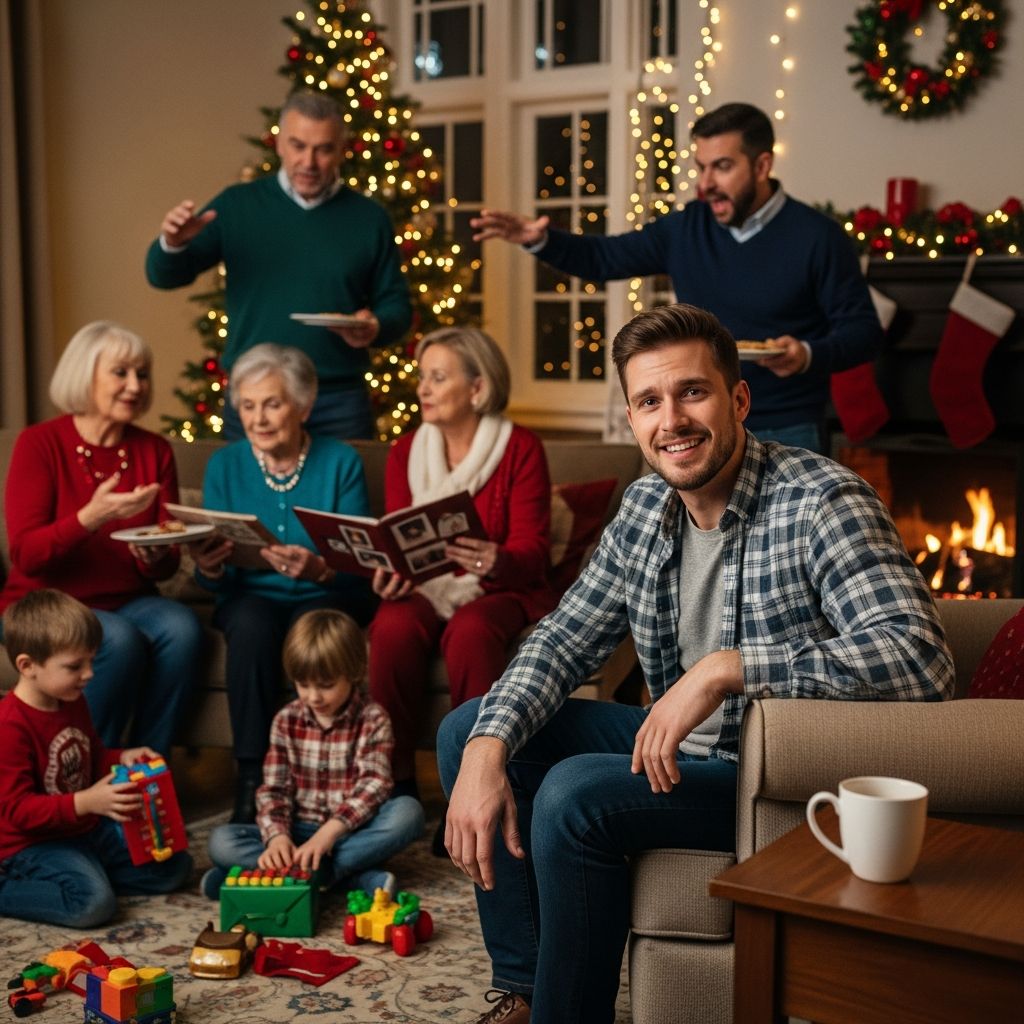
Beyond providing practical support, grandmothers traditionally fulfill the “kinkeeper” role—organizing family gatherings, maintaining contact with relatives, and preserving family traditions. Maternal grandmothers have historically dominated this role, hosting Sunday dinners, holiday celebrations, and family reunions. These gatherings created spaces where grandchildren naturally spent more time with maternal relatives, heard family stories, and developed a sense of familial identity.
Paternal grandmothers who aspire to a kinkeeper role face different circumstances. Extended family may be more geographically dispersed, parents may not feel the same pull toward paternal family gatherings, and the maternal grandmother may already occupy the primary kinkeeper position. However, modern family structures provide new opportunities. With both parents increasingly involved in childcare and household management, the kinkeeper role is becoming more flexible and less tied to a single family line.
Modern Transformations in Family Relationships
Contemporary family dynamics are reshaping traditional grandparent relationships in significant ways. Several factors contribute to a more balanced landscape:
- Fathers today are substantially more involved in childcare and family decision-making than in previous generations, creating more space for paternal grandmothers to develop meaningful connections
- Working parents increasingly need regular childcare support from either grandparent, valuing reliability and availability over family lineage
- Geographical mobility means extended family members may not live near each other, leveling the advantage previously held by proximate maternal grandmothers
- Changing family structures, including blended families and diverse partnership arrangements, have created new relationship models that don’t follow traditional patterns
- Cultural evolution has reduced the strict social expectations that once dictated grandparent hierarchy
Building Strong Paternal Grandmother Connections
For paternal grandmothers seeking to develop close relationships with grandchildren, intentional effort makes a meaningful difference. The approach differs from that required of maternal grandmothers, but the result can be equally strong and loving.
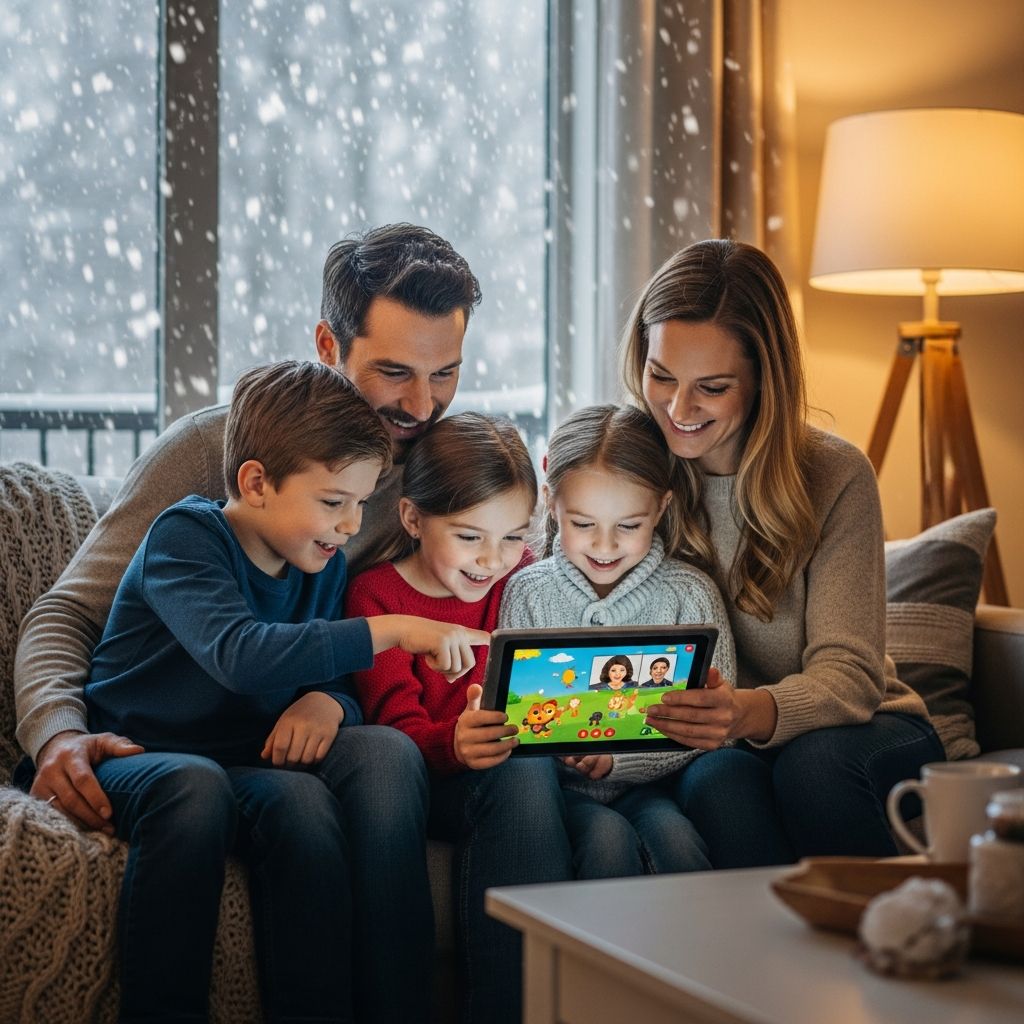
Successful paternal grandmothers demonstrate commitment through consistent, reliable presence. This might take the form of scheduled weekly childcare, regular video calls with distant grandchildren, or being the go-to person when parents need time for themselves. The specificity of the commitment matters—rather than vague offers of “anytime you need help,” concrete commitments like “every Saturday afternoon” or “the first Tuesday of each month” provide the consistency that builds trust.
Communication with the daughter-in-law is equally important. Understanding her parenting philosophy, respecting her preferences, and demonstrating competence in childcare creates the foundation for a positive three-way relationship. When a paternal grandmother shows genuine interest in the daughter-in-law’s perspective and adapts her approach accordingly, she moves from being viewed as an outsider to becoming a valued team member in the child’s life.
Creating Individual Relationships Rather Than Competing
Modern child development research emphasizes that children benefit from having multiple loving adults in their lives, each offering unique perspectives and forms of affection. Rather than competing for position, grandparents serve different functions.
A paternal grandmother might excel at outdoor adventures that the maternal grandmother doesn’t enjoy. She might have different talents in cooking, crafts, or storytelling. She might live in a location that offers unique experiences. By developing her own distinct relationship with each grandchild, a paternal grandmother creates space that isn’t defined by comparison to the maternal grandmother.
This approach requires shifting mindset from seeking primary position to embracing a specialized role. Children instinctively understand and appreciate that different people offer different things. The paternal grandmother who confidently establishes her own traditions and areas of special connection with grandchildren creates something genuinely valuable rather than simply attempting to replicate the maternal grandmother’s role.
Emotional Closeness and Personality Factors
Beyond structural family roles, personality plays a significant role in relationship quality. Maternal grandmothers described by grandchildren as “fun-loving,” “energetic,” and “easy-going” naturally attract attachment and positive memories. These personal characteristics matter more than shared vacation experiences or expensive gifts.
Paternal grandmothers who cultivate warmth, emotional availability, and genuine interest in their grandchildren’s lives create strong bonds regardless of family position. Being physically affectionate when comfortable, remembering details about grandchildren’s interests and achievements, and responding enthusiastically to their accomplishments builds attachment that transcends traditional family patterns.
The perception that paternal grandmothers are more “reserved” or “emotionally distant” is not inevitable but rather reflects historical patterns where opportunities for closeness were fewer. Today’s paternal grandmothers can actively cultivate emotional warmth and accessible presence, changing the dynamic for both themselves and their grandchildren.
Practical Strategies for Strengthening All Grandparent Bonds
Families can take deliberate steps to ensure that both maternal and paternal grandparents develop meaningful relationships with children:
- Schedule regular, predictable contact with both sets of grandparents rather than allowing one relationship to dominate by default
- Encourage parents to facilitate paternal grandparent involvement equally with maternal, resisting traditional hierarchies
- Create opportunities for each grandparent to establish unique traditions or special activities with grandchildren
- Encourage paternal grandmothers to take initiative in offering specific help tailored to family needs
- Model respect and warmth toward all grandparents in front of children, showing that different relationships have equal value
- Communicate openly about expectations and preferences, creating mutual understanding rather than unspoken assumptions
The Evolution of Family Structures
Modern families look increasingly diverse, from blended families to same-sex partnerships to multigenerational households. These variations create both challenges and opportunities for redefining grandparent relationships beyond traditional maternal-paternal patterns.
In blended families, step-grandparents may bring fresh energy and perspectives to family relationships. In families with two mothers or two fathers, the traditional mother-daughter bond that historically favored maternal grandmothers may not exist at all, creating space for more equitable grandparent relationships. Extended kincare arrangements sometimes place grandparents in primary caregiving roles that exceed traditional boundaries.
These evolving structures suggest that the future of grandparent relationships will be less determined by lineage and more shaped by individual commitment, reliability, and emotional availability. The maternal grandmother’s traditional advantage may continue to diminish as family structures diversify and both parents engage equally in childcare.
Frequently Asked Questions
Is it normal for children to be closer to their maternal grandparents than paternal?
Historically, yes, but this pattern is increasingly less pronounced in modern families. While maternal grandmothers have traditionally held closer relationships due to the mother-daughter bond and their role as family organizers, today’s more involved fathers and more flexible family structures are creating more balanced relationships across both sides of the family.
How can paternal grandmothers build strong relationships with grandchildren when they start at a disadvantage?
Paternal grandmothers can build strong connections by offering consistent, reliable help to the family; communicating openly with their daughter-in-law; demonstrating competence and respect for parenting preferences; and creating unique traditions and activities that are distinctly theirs. Personal warmth and emotional availability matter more than family position.
What role does the father play in strengthening paternal grandparent relationships?
Fathers play a crucial role by encouraging grandchildren to spend time with paternal grandparents, facilitating regular contact, and modeling affection and respect toward their own parents. When fathers are actively involved in family life and value the paternal grandparent relationship, it significantly strengthens grandchildren’s bonds with that side of the family.
Can children have equally close relationships with both maternal and paternal grandparents?
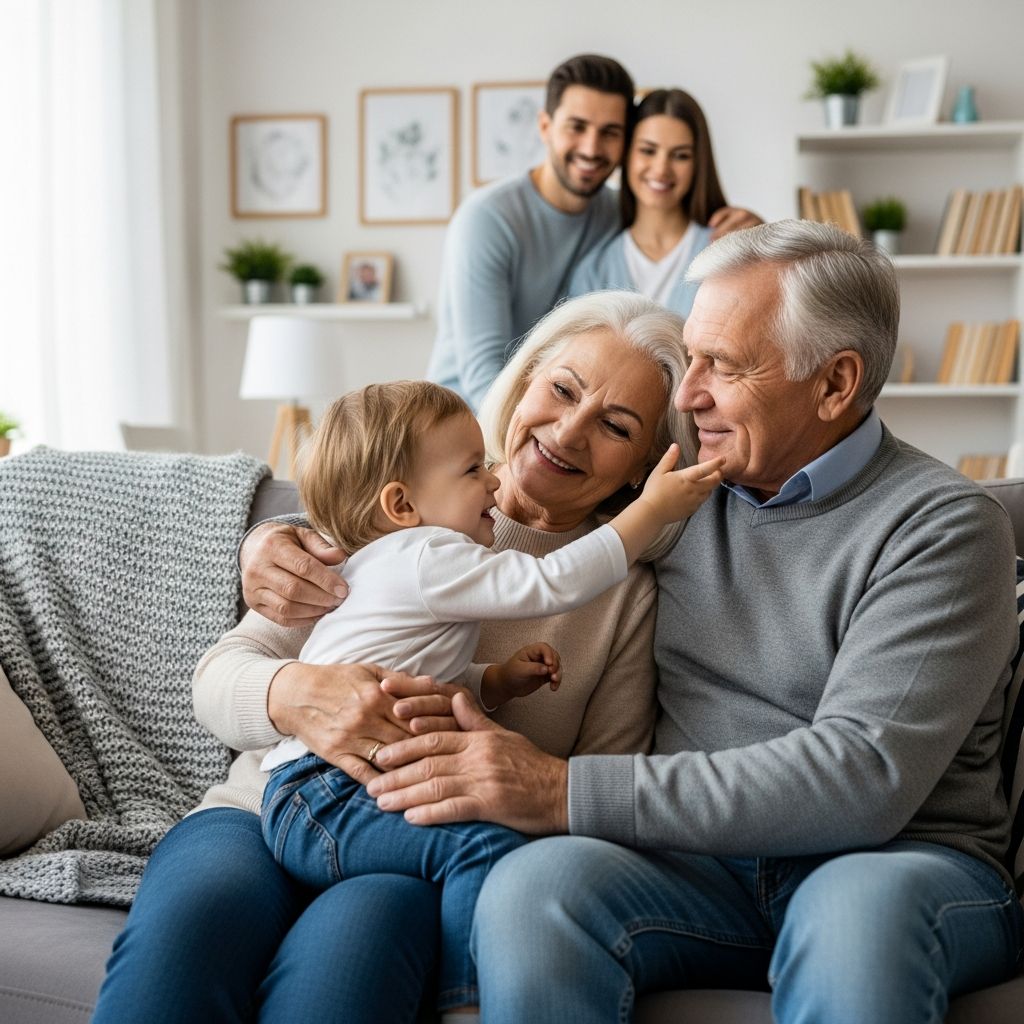
Absolutely. When both sets of grandparents are present, involved, and offer consistent, loving relationships, children can develop strong attachments to all of them. Differences in relationship quality typically reflect opportunity and effort rather than any inherent limitation.
How has technology changed grandparent relationships?
Video calls, social media, and digital communication tools have dramatically reduced geographical barriers. Paternal grandparents who live far away can now maintain regular contact and active involvement in their grandchildren’s daily lives in ways that were impossible in previous generations.
References
- Maternal Grandparents vs Paternal Grandparents — Grand Magazine. 2024. https://www.grandmagazine.com/2024/03/maternal-grandparents-vs-paternal-grandparents/
- The Differences Between Paternal and Maternal Grandmothers — PEPS (Parent Engaged Parenting Support). https://www.peps.org/ParentResources/by-topic/grandparenting/the-differences-between-paternal-and-maternal-grandmothers
- What is the Difference Between Maternal and Paternal? — Find My Past. https://www.findmypast.com/guides/difference-between-maternal-and-paternal
- Do Grandparents Compete With or Support Their Grandchildren? — Royal Society Publishing. https://royalsocietypublishing.org/rsos/article/3/4/160069/36573/Do-grandparents-compete-with-or-support-their