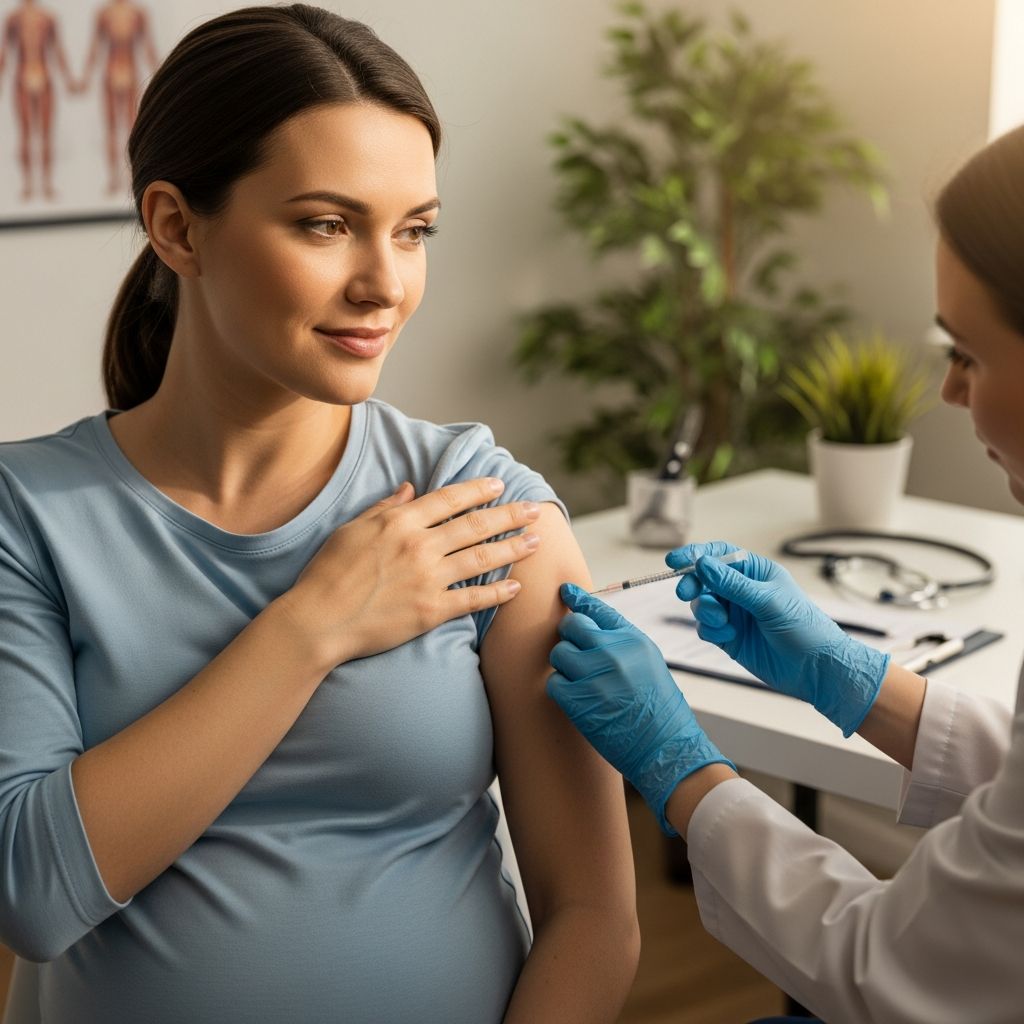
Respiratory syncytial virus (RSV) poses a major threat to infants under six months, causing thousands of hospitalizations annually in the U.S. Maternal vaccination transfers protective antibodies to the baby, significantly lowering severe RSV risks. The optimal period is 32 through 36 weeks gestation, aligning peak antibody levels with the newborn’s most vulnerable phase.
Understanding RSV and Its Impact on Newborns
RSV is a highly contagious virus leading to bronchiolitis and pneumonia in young children. In the U.S., it results in roughly 1.5 million outpatient visits, 500,000 emergency visits, 70,000 hospitalizations, and 100-300 deaths yearly among children under five, with most severe cases in infants under six months. Newborns lack mature immune systems, making passive immunity from vaccinated mothers essential during RSV season, typically fall through spring.
Without intervention, nearly all children contract RSV by age two, but protection via maternal antibodies bridges the gap until the baby can receive direct immunizations or monoclonal antibodies like nirsevimab.
How Maternal RSV Vaccines Work
Vaccines like Pfizer’s Abrysvo target the RSV prefusion F protein, prompting the mother’s body to produce neutralizing antibodies. These cross the placenta, providing the fetus with ready-made defenses lasting several months post-birth. Clinical trials demonstrate this approach reduces infant RSV hospitalization by 68% within three months and 57% within six months.
- Antibody transfer peaks in the third trimester, ensuring high levels at delivery.
- Protection wanes over time, emphasizing timing to cover peak RSV exposure.
- A single dose suffices, unlike infant options requiring precise post-birth administration.
Recommended Vaccination Window: 32-36 Weeks
Health authorities including the CDC and ACOG endorse vaccination from 32 0/7 to 36 6/7 weeks gestation, ideally September through January for RSV season alignment. This timing maximizes transplacental antibody transfer when maternal levels are highest, coinciding with birth during peak virus circulation.
| Gestational Age | Antibody Peak at Birth | Infant Protection Duration | Risk Considerations |
|---|---|---|---|
| 24-28 weeks | Lower | Declines before RSV season | Higher preterm risk observed in trials |
| 32-36 weeks | Optimal | 3-6 months peak protection | Minimized theoretical preterm risk |
| 37+ weeks | Moderate | Shorter overlap with season | Lower transfer efficiency |
This window was selected post-trial analysis to optimize benefits while addressing safety signals.
Clinical Evidence Supporting Efficacy
Phase 3 trials of Abrysvo involved over 7,000 pregnant participants dosed at 24-36 weeks. Results showed 69.4% efficacy against severe RSV lower respiratory tract disease in infants through 90 days, extending to 81.8% for hospitalization prevention. A Cochrane meta-analysis of four RCTs confirmed high-certainty evidence for halving lab-confirmed RSV hospitalizations (RR 0.50, 95% CI 0.31-0.82).
Real-world data reinforces these findings, with no significant post-licensure signals for reduced efficacy.
Safety Profile and Key Concerns
The vaccine is generally safe, with common maternal side effects including injection site pain, headache, muscle pain, and nausea. Infant outcomes showed low birth weight in 5.1% (vs. 4.3% placebo) and jaundice in 7.3% (vs. 6.9%), neither statistically significant.
Preterm birth rates were 5.7% in vaccine groups vs. 4.7% placebo, not statistically significant overall but notable in low/middle-income countries, prompting the 32-36 week restriction. CDC notes conflicting data on hypertensive disorders, possibly due to confounding, with ongoing studies.
- No increased risk of congenital anomalies (RR 0.96, high-certainty).
- Little effect on stillbirth, maternal/infant death (low-certainty).
- Guillain-Barré syndrome risk under FDA monitoring.
Comparing Maternal Vaccine to Infant Options
| Option | Timing | Efficacy | Pros | Cons |
|---|---|---|---|---|
| Maternal RSV Vaccine (Abrysvo) | 32-36 weeks pregnancy | 57-68% hospitalization reduction | No infant shot; season-long protection | Small preterm signal; maternal side effects |
| Nirsevimab (monoclonal Ab) | Birth or <8 months | 87-98% reduction in healthy infants | No pregnancy risks; high efficacy | Requires infant injection; potential supply issues |
CDC recommends maternal vaccination if the infant won’t receive nirsevimab, prioritizing high-risk cases.
Who Should Consider the Vaccine
Most pregnant individuals in the recommended window qualify, especially if birth aligns with RSV season. Contraindications include prior severe allergic reaction to vaccine components or acute illness.
Individuals with immunocompromising conditions may have reduced antibody response, warranting shared decision-making. Document vaccination status in medical records for newborn care coordination.
Practical Steps for Getting Vaccinated
- Discuss with your obstetrician at 28-30 weeks.
- Confirm gestational age via ultrasound.
- Schedule during 32-36 weeks, ideally pre-RSV season.
- Report side effects to VAERS if concerning.
- Ensure pediatrician knows of maternal vaccination.
Addressing Common Misconceptions
Myths persist about vaccine safety, but data affirm benefits outweigh risks. Preterm concerns drove timing adjustments, not vaccine avoidance. Protection is targeted, not lifelong, complementing future infant vaccines.
Frequently Asked Questions
Is the RSV vaccine safe at 32-36 weeks?
Yes, trials and CDC affirm safety, with benefits exceeding risks despite minor preterm imbalance not deemed causal.
Can I get it if I’m past 36 weeks?
No, optimal transfer occurs earlier; consult for alternatives like nirsevimab for baby.
What if my baby is high-risk for preterm birth?
Weigh with provider; vaccine protects against RSV, but monitor closely.
Does it protect through RSV season?
Yes, up to 6 months, covering peak vulnerability.
Is Abrysvo the only option?
Currently the FDA-approved maternal RSV vaccine for this use.
Future Directions in RSV Prevention
Ongoing studies address GBS, hypertensive links, and long-term data. Enhanced monitoring and potential new formulations may refine recommendations. For now, 32-36 weeks vaccination remains the cornerstone for maternal-infant protection.
References
- RSV Vaccine Guidance for Pregnant Women — CDC. 2024. https://www.cdc.gov/rsv/hcp/vaccine-clinical-guidance/pregnant-people.html
- Maternal RSV Vaccination — ACOG. 2024. https://www.acog.org/clinical-information/physician-faqs/maternal-rsv-vaccination
- Respiratory syncytial virus vaccination during pregnancy — PubMed (Cochrane Review). 2024-05-01. https://pubmed.ncbi.nlm.nih.gov/38695784/
- Maternal RSV Vaccination | Risk Info — Abrysvo (Pfizer). 2024. https://www.abrysvo.com/pregnant-women/maternal-vaccination
- RSV Vaccine During Pregnancy and Risk of Preterm Birth — CHOP Vaccine Update. 2024. https://www.chop.edu/vaccine-update-healthcare-professionals/newsletter/rsv-vaccine-during-pregnancy-and-risk-preterm-birth
- Respiratory Syncytial Virus (RSV) Vaccine & Pregnancy FAQ — ND HHS. 2024. https://www.hhs.nd.gov/sites/www/files/documents/Public%20Health/Immunizations/2024%20Maternal%20RSV%20Vaccine%20FAQ.pdf
- Should You Get an RSV Vaccine? — Yale Medicine. 2024. https://www.yalemedicine.org/news/should-you-get-an-rsv-vaccine