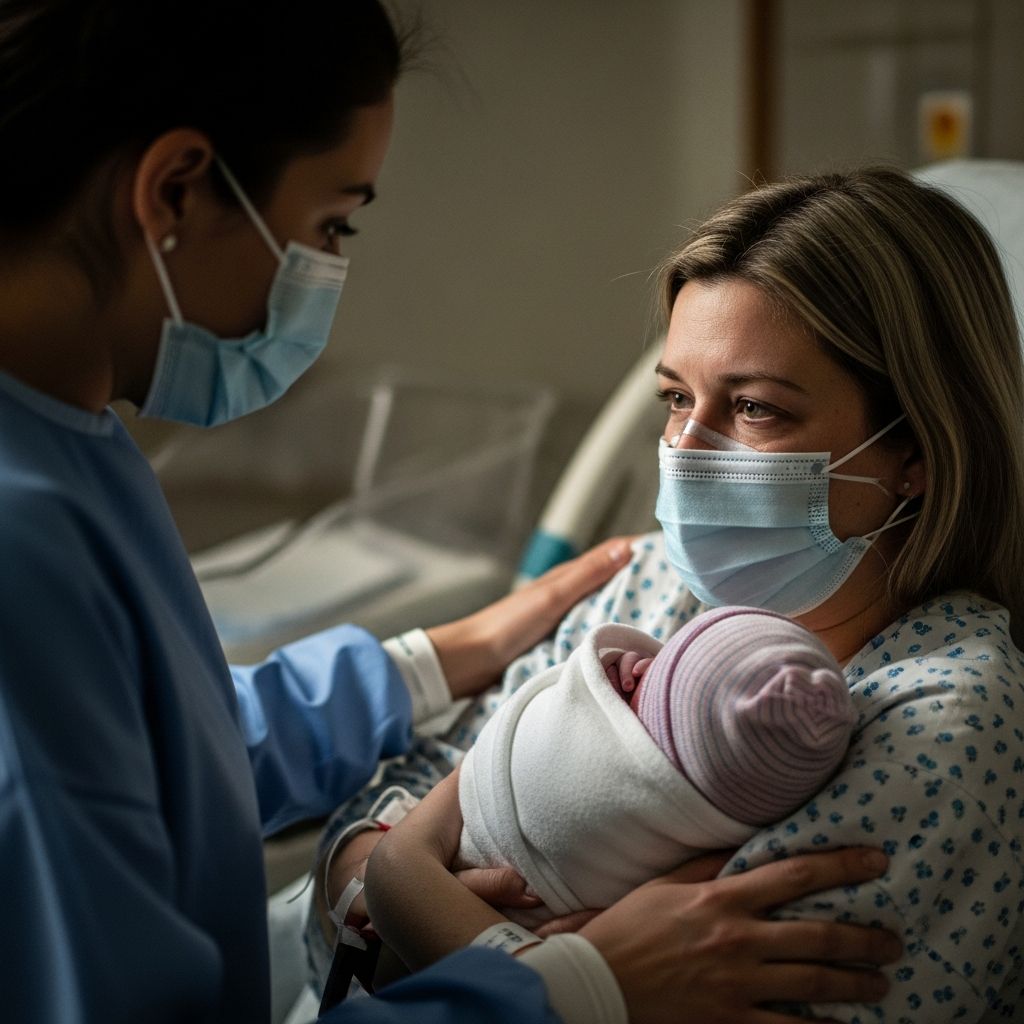
During the height of the COVID-19 pandemic, countless women navigated one of life’s most profound experiences—giving birth—while adhering to strict mask mandates in hospitals. These requirements, aimed at curbing virus transmission, introduced unique physical, emotional, and psychological hurdles to labor and delivery. This article draws from peer-reviewed studies, medical guidelines, and reported experiences to examine the multifaceted impacts of mask-wearing during childbirth, highlighting both the protective rationale and the human cost involved.
The Emergence of Mask Policies in Maternity Care
Mask protocols in healthcare settings surged in early 2020 as hospitals grappled with the novel coronavirus. For birthing individuals, these rules often extended into the delivery room, a space traditionally associated with vulnerability and intimacy. Women reported donning masks upon hospital entry and maintaining them through active labor, pushing stages, and even postpartum recovery periods.
Official guidance from bodies like the Royal College of Midwives (RCM) and Royal College of Obstetricians and Gynaecologists (RCOG) advised against mandating masks on laboring women due to potential harm, yet surveys revealed widespread enforcement. In a UK study of 936 births in December 2020, one in five women were instructed to wear masks despite exemptions. Similarly, U.S. facilities like The Mother Baby Center outlined conditional allowances, permitting removal only in late labor stages under specific criteria: no COVID-19 symptoms, negative tests, and during pushing if intolerable.
Physical Challenges of Laboring Under a Mask
The physical demands of childbirth—intense contractions, rapid breathing, and exhaustive pushing—clashed starkly with mask-wearing. Many described sensations of suffocation, heightened anxiety from restricted airflow, and fogged vision impairing focus. One account detailed enduring a mask for 38 hours of labor, underscoring the endurance required even for those with pre-existing conditions like asthma.
Research confirms these discomforts were prevalent. A study of births from March to December 2020 found mask-wearing, particularly during active labor, topped women’s negative experiences, with reports of feeling “horrible” and constant vigilance for staff entries necessitating replacement. Midwifery associations clarified that professionals should bear primary protective burdens, allowing women masks only if tolerable.
| Aspect | Reported Challenges | Policy Variations |
|---|---|---|
| Active Labor | Breathing difficulty, panic | Often mandatory until pushing |
| Pushing Stage | Removal if negative test | Conditional exemptions |
| Postpartum | Extended wear in shared spaces | Day-and-night in some cases |
| C-Section | Full coverage required | No exemptions noted |
This table summarizes common scenarios, illustrating how policies balanced infection control against physiological needs.
Emotional and Psychological Toll
Beyond physical strain, masks eroded the emotional sanctuary of birth. Laboring women felt dehumanized, their faces—their expressions of pain, joy, and connection—obscured. Partners, often limited or masked themselves, struggled to provide comfort, amplifying isolation.
Comments from affected mothers revealed a spectrum of reactions: compassion from peers, acceptance of measures for safety, and outright anger at perceived violations of bodily autonomy. Exclusion of chosen support persons compounded distress, with mask mandates symbolizing broader losses of control during a pivotal life event. Campaigns like Masks for MOMS emphasized equitable access to protective gear while acknowledging stress reduction benefits, yet real-world application often fell short.
- Isolation from Partners: Many partners barred or masked, hindering support.
- Altered Bonding: Masked faces impeded immediate skin-to-skin recognition.
- Anxiety Amplification: Phobias like emetophobia exacerbated by confined breathing.
- Relief Post-Removal: Moments of unmasking brought palpable gratitude.
Medical Rationale and Evidence-Based Justifications
Hospitals justified masks as bidirectional shields: protecting vulnerable mothers from staff and vice versa, especially amid asymptomatic spread. Historical precedents existed, such as H1N1 protocols requiring masks on confirmed cases. CDC recommendations underscored masks’ role in public spaces, extending to prenatal and delivery contexts to safeguard neonates from potential vertical transmission risks.
Pregnant individuals faced heightened severity risks from COVID-19, prompting campaigns to ensure mask availability at prenatal visits, admissions, and discharges. Protective layering—social distancing, hand hygiene, and masks—mirrored general public health strategies, with emphasis on mutual protection in high-stakes environments.
While not absolute barriers, masks slow transmission, critical in labor wards where close contact is inevitable.
Personal Narratives: Voices from the Delivery Room
Individual stories humanize the data. Sarah Kershner, asthmatic, masked through five days post-delivery of her son Mak, prioritizing collective safety. Melissa Kite-Laidlaw wore hers during an emergency C-section and NICU vigils, forgoing newborn contact for nine hours pending negative tests. Rosie Brown, phobia-afflicted, faced mandates contravening guidance, part of a pattern affecting hundreds.
These accounts, echoed in forums and studies, portray resilience amid adversity. Women advocated mask compliance in daily life by analogy: if survivable in labor’s extremity, it should be manageable elsewhere. Yet, many yearned for policy nuance recognizing labor’s exceptional demands.
Partner and Support Person Restrictions
Mask rules intertwined with visitor limits, often excluding doulas or family. Allowed partners donned PPE, their masked presence offering muted reassurance. Studies noted this as a top grievance, fueling online solidarity and policy critiques.
Postpartum Implications and Recovery
Masking persisted postpartum, disrupting breastfeeding initiation and family bonding. In neonatal units, extended wear delayed parental access, intensifying emotional strain. Long-term, some reported lingering trauma, underscoring birth’s lasting psychological imprint.
Lessons for Future Public Health Crises
The pandemic exposed maternity care gaps, prompting refined guidelines. Flexible exemptions, better communication, and mental health support emerged as priorities. As facilities evolve, balancing infection control with dignity remains paramount.
Frequently Asked Questions
Was mask-wearing mandatory during all stages of labor?
Not universally; many policies allowed removal during pushing if asymptomatic and COVID-negative, though enforcement varied.
Did masks increase complications during birth?
No direct links in studies, but discomfort was common, potentially heightening stress.
How did partners cope with mask requirements?
They wore masks too, often feeling helpless in providing tactile support.
Are similar rules in place post-pandemic?
Most have relaxed, with masks now situational based on local risks.
What support exists for pandemic birth trauma?
Counseling and peer groups address isolation and policy-induced distress.
Navigating Modern Maternity Amid Evolving Guidelines
Today, hospitals prioritize informed consent, offering clear exemption pathways. Expectant parents should query policies prenatally, preparing for variables like surge capacity. Virtual tours and doula consultations aid preparation.
Reflecting on this era reveals profound maternal fortitude. Women not only birthed amid uncertainty but advocated for compassionate care, shaping resilient systems. Their stories remind us: health measures must honor humanity’s core experiences.
References
- Experiences of giving birth during the COVID-19 pandemic — PMC/NCBI. 2023. https://pmc.ncbi.nlm.nih.gov/articles/PMC9841489/
- Mothers told to wear face masks during labour — BBC News. 2021. https://www.youtube.com/watch?v=eCJRdtN6bW8
- I wore a mask during 38 hours of labor. You can wear one too — Good Morning America. 2020. https://www.goodmorningamerica.com/amp/wellness/story/wore-mask-38-hours-labor-wear-71534015
- What are the rules and recommendations for wearing a face mask during delivery? — The Mother Baby Center. 2020-07. https://www.themotherbabycenter.org/blog/2020/07/what-are-the-rules-and-recommendations-for-wearing-a-face-mask-during-delivery/
- Why MASKS for MOMS? — University of Illinois Chicago Maternal Child Health. 2020-05-27. https://maternalchild.uic.edu/wp-content/uploads/sites/614/2020/12/Masks-for-MOMS-Summary-5-27-20-Final.pdf