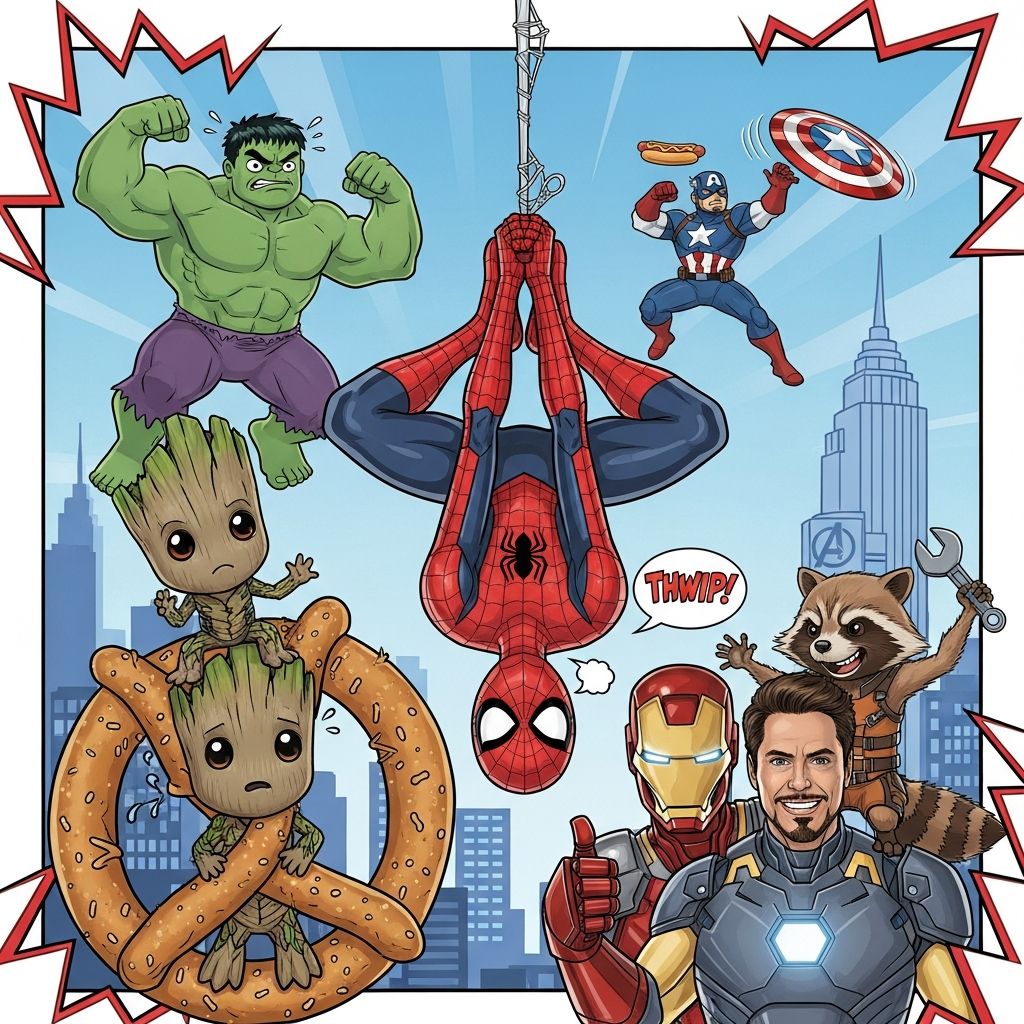
Unlocking Laughter: A Guide to Marvel-Themed Comedy for Children
Superhero entertainment has become a cultural phenomenon that appeals to audiences of all ages, but the humor embedded within these stories particularly resonates with younger viewers. Marvel’s cinematic universe and comic franchises have created memorable moments that go beyond action sequences and dramatic plot twists—they’ve delivered memorable comedic exchanges that children find genuinely entertaining. The appeal of Marvel jokes lies in their clever wordplay, character-specific references, and unexpected punchlines that make kids laugh while reinforcing their connection to beloved characters.
Humor serves as a powerful tool for engaging children with entertainment content. When structured around recognizable characters and familiar storylines, jokes become more memorable and shareable. Marvel provides an ideal foundation for this type of comedy because the franchise encompasses a vast array of characters, each with distinct personalities, abilities, and signature traits that lend themselves perfectly to comedic interpretation.
Character-Based Puns: The Heart of Marvel Comedy
One of the most effective categories of Marvel humor involves direct references to character names and abilities, creating clever wordplay that works on multiple levels. These jokes rely on homophonic and homonymic similarities—words that sound alike but have different meanings—to generate their comedic punch.
The character Peter Quill, known as Star-Lord from the Guardians of the Galaxy, becomes the subject of straightforward puns about boredom and inactivity. When someone has nothing to do, they might be described as experiencing a state of idleness that connects phonetically to his superhero name, creating an immediately recognizable joke for fans familiar with his character.
Groot, another Guardian character famous for his limited vocabulary, provides opportunities for wordplay involving his iconic phrase. When this character possesses wealth or treasures, the connection between his speech pattern and material abundance creates humorous scenarios that appeal to children’s appreciation of linguistic tricks.
Dr. Stephen Strange’s name itself becomes comedic fodder. His cousin who lacks magical abilities transforms into Doctor Normal—a straightforward but effective pun based on name substitution. Similarly, when the good doctor falls ill, he requires treatment from Doctor Stranger, flipping the expected terminology while maintaining logical consistency within the joke’s framework.
Wordplay Involving Physical Characteristics and Objects
Marvel’s visual design and equipment-based characters generate another category of highly effective jokes. These humorous constructions rely on recognizing physical attributes or signature items associated with particular heroes.
Iron Man serves as a particularly rich source for this style of comedy. The character’s name pairs perfectly with everyday words and concepts related to iron as a material. Before bathing, he engages in an activity that sounds like his civilian name while simultaneously referencing the removal of clothing. His breakfast choices involve grains prepared with his metallic namesake. When performing household tasks, he transforms into a related but distinct version of his superhero identity.
Thor provides similar opportunities through his Norse name and the English language’s incorporation of days derived from Norse mythology. His favorite day of the week matches perfectly with his first name. His preferred food incorporates similar linguistic patterns. Even casual encounters, such as meeting forest animals, become comedic when filtered through his distinctive way of speaking and perception.
Spider-Man’s web-related abilities expand beyond typical superhero narratives into technology and design fields. His skill set becomes directly applicable to career paths, creating jokes that children understand immediately while appreciating the clever connection between character abilities and professional specializations.
Reference-Based Humor and Pop Culture Connections
Marvel humor often succeeds by connecting superhero elements with recognizable cultural references and common phrases that children encounter in their daily lives. These jokes work because they bridge the gap between the fantastical superhero world and tangible, relatable experiences.
References to well-known songs, movies, and cultural moments create humor that extends beyond die-hard Marvel fans to anyone with general pop culture literacy. The Hulk’s musical preferences reference established artistic works, making the joke comprehensible to anyone familiar with that particular cultural touchstone. Captain America’s interactions with other heroes create wordplay opportunities based on his military background and historical context.
Black Widow’s name generates spider-related humor that doesn’t necessarily depend on detailed knowledge of the character’s backstory but rather on understanding animal classifications and arachnid associations. Wanda’s abilities connect to household electrical systems through color symbolism and common language patterns used to describe light switches and controls.
Observational Humor and Character Dynamics
Some Marvel jokes derive their appeal from observations about character relationships, typical behavioral patterns, and situational comedy arising from superhero contexts applied to ordinary scenarios. These jokes require slightly deeper familiarity with character dynamics but reward that knowledge with more layered humor.
The relationship between Batman and Robin, while technically not Marvel property, has influenced how audiences understand sidekick dynamics in superhero narratives. Jokes about what happens when these paired characters encounter common situations—like entering retail establishments or dealing with time delays—play on the recognized partnership and the homophonic qualities of a sidekick’s name.
When superpowers interact with unexpected circumstances, the results generate natural comedy. The combination of a character associated with speed with another known for strength and rage creates conceptual humor based on genre film references. When abilities meet everyday situations, like baseball games, the results showcase why certain powers would excel at seemingly unrelated tasks.
Absurdist Humor and Unexpected Combinations
Children often enjoy humor that subverts expectations or creates unusual juxtapositions. Marvel’s vast character roster allows for comedic combinations that wouldn’t typically coexist, generating surprise factor that enhances the punchline.
Crossing different Marvel characters with unrelated concepts produces unexpected results. Combining superhero elements with vegetables, for instance, creates absurdist humor that doesn’t rely on sophisticated wordplay but rather on the inherent comedy of inappropriate combinations. The resulting creature names sound plausible as superhero identities while maintaining the underlying absurdity.
Creating team-ups between characters known for different abilities or personality types generates humor through contrast. When metallic and quick-moving characters collaborate, the resulting description combines both characteristics into an unexpected phrase that children find amusing through its novelty and unexpected connection.
Why Children Respond to Marvel Humor
Young audiences connect with Marvel jokes for several interconnected reasons. First, these children likely have exposure to Marvel content through films, television shows, comics, or merchandise, making character references immediately recognizable and relevant to their entertainment preferences. Second, the jokes employ accessible wordplay and pun-based structures that children can understand, remember, and repeat to peers, creating social currency through shared laughter.
Marvel humor also doesn’t require detailed plot knowledge or sophisticated comedic theory to appreciate. A child doesn’t need to have watched every film or read extensive comic storylines to understand why a particular character’s name generates humor through simple linguistic manipulation. The jokes remain accessible to casual fans while potentially offering additional layers of appreciation for devoted followers who understand character details and story elements more thoroughly.
Implementing Marvel Humor in Family Settings
Parents and educators seeking to incorporate Marvel humor into family entertainment or educational contexts can leverage these jokes in multiple ways. They serve as icebreakers during family gatherings, particularly when multiple age groups participate. The jokes’ range from simple puns to more sophisticated references allows different family members to find humor at appropriate levels.
Marvel jokes work effectively as rewards during educational settings, offering brief moments of enjoyment during study sessions or after completing assignments. The jokes themselves often contain vocabulary and word relationships that reinforce language learning, making them pedagogically useful alongside their entertainment value.
The Broader Function of Superhero Humor
Beyond simple entertainment, jokes about superheroes serve important developmental functions. They help children process complex fictional worlds through accessible humor, creating mental bridges between fantastical scenarios and their own reality. The jokes also facilitate peer interaction and social bonding as children share their favorite humor with friends.
Superhero narratives often contain themes about responsibility, sacrifice, and human connection. Humor allows children to engage with these characters in lighter contexts, appreciating them primarily as entertainment sources rather than constantly reinforcing the serious elements of their stories. This balance between dramatic narratives and comedic elements creates healthier engagement with fantasy content.
Frequently Asked Questions
Q: Are these jokes appropriate for all age groups?
A: Yes, Marvel jokes range from simple puns suitable for early elementary-age children to more sophisticated wordplay that appeals to teenagers and adults. Most Marvel jokes work across age ranges because they employ straightforward humor structures.
Q: Do children need to be familiar with Marvel films to understand these jokes?
A: While familiarity with Marvel content enhances appreciation, many jokes rely on basic wordplay and character names that children recognize through cultural exposure, even without having watched every film or read every comic.
Q: Where can families find additional Marvel jokes?
A: Beyond curated lists specifically designed for children, joke collections focused on superhero humor generally, family entertainment websites, and parenting resources offer extensive compilations that vary in style and sophistication.
Q: How can parents encourage children to create their own superhero jokes?
A: By teaching basic pun structures and wordplay techniques, parents can help children develop their own Marvel-based humor by starting with character names and simple rhyming patterns, encouraging creative linguistic experimentation.
Q: Do Marvel jokes lose their appeal as children grow older?
A: Many jokes transition from simple humor to ironic appreciation as children mature. Teenagers and adults often enjoy these jokes precisely because they’re deliberately corny, appreciating the groaning quality that comes with well-executed puns.
References
- 21 Best Marvel And ‘Avengers’ Jokes For Kids — Fatherly. Accessed February 2026. https://www.fatherly.com/entertainment/best-marvel-superhero-and-avengers-jokes-for-kids
- 77 Funny Superhero Jokes and Puns — DaddiLife. Accessed February 2026. https://www.daddilife.com/health/dad-jokes/superhero-jokes/
- 130 Marvel Jokes To Tell Your Avengers-Loving Friends — Bored Panda. Accessed February 2026. https://www.boredpanda.com/marvel-jokes/
- 75 Marvel Jokes and Puns That’ll Hulk Smash Your Funny Bone — TheDad. Accessed February 2026. https://www.thedad.com/marvel-jokes-puns/
- Silly Superhero Jokes To Tell The Kids — Mom vs the Boys. Accessed February 2026. https://momvstheboys.com/2021/04/superhero-jokes/