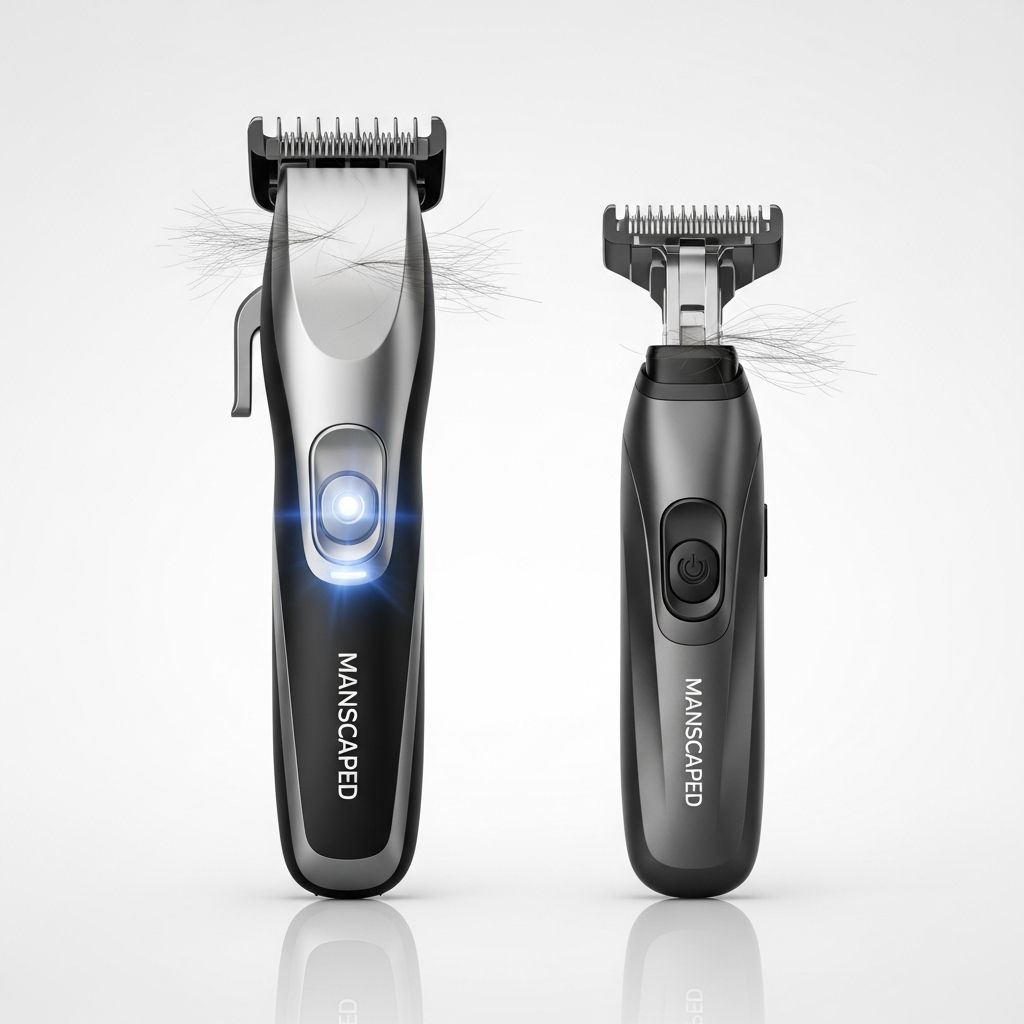
Electric body trimmers like the Manscaped Lawn Mower series have made grooming below the neck far more convenient, especially for sensitive areas such as the groin and underarms. This guide walks through how these trimmers work, how the models differ, and how to use them safely and effectively for a cleaner, more comfortable routine.
Why Body Grooming Needs Its Own Tools
Face razors and clippers are not designed for the contours and sensitivity of the groin, inner thighs, and underarms. Using the wrong tool can increase the risk of nicks, irritation, and ingrown hairs. Research on shaving shows that removing hair close to the skin can create sharp stubble that may re-enter the skin and cause inflamed bumps, especially in curly or coarse hair.
Purpose-built body trimmers attempt to reduce those risks by combining safety-focused blade design, adjustable hair length, and waterproof construction so you can trim in the shower where skin and hair are softer.
What Makes a Manscaped Lawn Mower Different?
The Lawn Mower line is Manscaped’s flagship series of electric body trimmers. While each generation adds new features, they share several core ideas:
- Ceramic cutting blades designed to stay sharp longer than typical steel blades and to generate less heat during use.
- Skin-focused guard design (called SkinSafe by the brand) that aims to limit direct blade contact with the skin.
- Water-resistant or waterproof housings, allowing trimming on wet or dry skin, including in the shower.
- Rechargeable batteries providing around an hour of continuous use per charge in most modern models.
- LED spotlights on later models to help you see contours, folds, and missed patches.
Because the blades and motors on several Lawn Mower versions are similar, the biggest differences from one model to another are often in convenience features such as travel locks, wireless charging, and included guards, rather than in raw cutting performance.
Comparing Key Lawn Mower Features
While this article is not a full spec sheet, it helps to understand in broad strokes how the series evolves as you go up the ladder.
| Model (Series) | Blade Type | Charging Style | Typical Runtime | Notable Convenience Features |
|---|---|---|---|---|
| Lawn Mower 3.x | Ceramic blade, safety-focused guard | Dock or direct cable (USB) | Up to ~60 minutes | Basic LED, simple controls, compact size |
| Lawn Mower 4.x | Updated ceramic blade head | Wireless-compatible dock | Up to ~60 minutes | Travel lock, clearer battery indicator, upgraded grip |
| Lawn Mower 5.x | Ceramic trimmer + optional foil-style head | Wireless + fast charging | Comparable runtime | Interchangeable heads, more comb options, closer trim option |
Independent testers who have used multiple versions report that the trimming feel and closeness are broadly similar, with most improvements showing up in ergonomics and extras rather than dramatic changes in hair-cutting power.
Choosing the Right Lawn Mower for Your Needs
Your ideal trimmer depends less on the model number and more on how and where you plan to use it. Consider the following factors before buying:
1. Where You’ll Trim Most Often
- Groin-focused grooming: Any recent Lawn Mower model can handle pubic hair, but having multiple guards and a bright LED can help you work more slowly and precisely in tight areas.
- Full body (chest, stomach, legs, armpits): If you trim multiple body zones, prioritize models with more guard lengths and comfortable grips, since you’ll spend more time holding the device.
- Face + body with one device: Dermatology and infection-control guidance generally recommends using different tools or at least different blades for different body regions to reduce cross-contamination. Look for models with easily swappable blade heads and consider dedicating one head to the groin and another to the rest of the body.
2. How Sensitive Your Skin Is
People with sensitive skin, a history of folliculitis (inflamed hair follicles), or frequent razor bumps may benefit from trimming hair to a short length rather than shaving down to skin level. The U.S. Centers for Disease Control and Prevention notes that shaving can create micro-abrasions that increase opportunities for skin infection, especially when combined with friction and moisture.
- Very sensitive skin: Use higher guard settings at first, see how your skin reacts over a few days, and only then decide whether to go shorter.
- Coarse or curly hair: Leaving 1–3 mm of length often helps reduce ingrown hairs compared with a completely clean shave.
3. Travel and Storage Habits
- If you travel frequently, a model with a travel lock (to prevent the trimmer turning on in a bag) and a small charging dock or USB-C cable is easier to pack.
- If your bathroom space is limited, look for a compact charging stand and guards that store in a pouch or case.
4. Budget vs. Features
Third-party reviews that compare multiple Lawn Mower generations have repeatedly found that the core trimming performance is broadly similar across models, while price rises with each new generation. Consider paying extra only if you are sure you will use the added features, such as:
- Wireless charging and clearer power indicators
- Extra guards or interchangeable heads
- Included travel cases or stands
How to Use a Lawn Mower Safely and Effectively
Even the best trimmer can irritate skin if used carelessly. The steps below outline a low-risk, methodical approach to grooming body hair, especially around the groin.
Step 1: Start With Clean, Warm Skin
- Shower with warm water first. Warmth softens hair and opens pores, making trimming smoother.
- Use a gentle cleanser to remove sweat and oil from the area you plan to trim. This helps the trimmer glide and reduces bacteria on the skin.
Guidance for shaving and hair removal often recommends washing and softening hair as a first step to limit irritation and ingrown hairs afterward.
Step 2: Choose the Right Guard
- Begin with a longer guard setting than you think you need. You can always go shorter, but you cannot put hair back.
- For the groin, a short stubble length (for example, 2–4 mm) often strikes a good balance between a tidy look and comfort.
- Reserve bare-blade trimming for areas where you can stretch the skin flat and where you’re comfortable working more slowly, such as the upper thighs.
Step 3: Trim in Good Lighting
- Use the trimmer’s LED spotlight plus overhead lighting so you can see contours and folds clearly.
- Avoid rushing. Move in short, controlled strokes rather than long sweeps.
Taking extra time and using adequate lighting matters more for preventing cuts and missed spots than shaving pressure or speed.
Step 4: Work With the Grain First
- Trim in the direction of hair growth initially. This approach is gentler and typically causes less irritation.
- If you want a closer trim afterward, go back over selected areas with shorter strokes against the grain, checking your skin response as you go.
Dermatologists often advise shaving with the grain, especially in sensitive areas, to lower the chance of razor bumps and ingrown hairs.
Step 5: Handle Folds and Sensitive Areas Slowly
- Use your free hand to pull skin taut in areas with natural folds, like the scrotum and groin creases.
- Keep the blade guard flat against the skin rather than tilting the trimmer sharply.
- If you are nervous about these areas, keep a longer guard on and accept a slightly longer trim for extra safety.
Step 6: Rinse, Pat Dry, and Soothe the Skin
- Rinse trimmed areas with lukewarm water to remove loose hairs.
- Pat dry with a clean towel rather than rubbing vigorously.
- Apply a fragrance-free moisturizer or a light, alcohol-free post-shave product if your skin tends to get dry.
Overly harsh aftershaves with strong alcohol or fragrance can sting and may worsen irritation on freshly trimmed skin, so milder products are preferable in sensitive areas.
Cleaning and Maintaining Your Trimmer
Regular maintenance is essential for both hygiene and performance. A clogged or dirty blade can tug hair and spread bacteria from one grooming session to the next. Infection-control guidance emphasizes that tools contacting skin and hair should be cleaned and, when possible, disinfected between uses to reduce risk of skin infections.
After Every Use
- Turn off and unplug (or remove from its charging dock) before cleaning.
- Detach the blade head as the manufacturer instructs.
- Rinse waterproof parts under running water to remove hair and debris. Use the tiny brush often included to sweep out trapped hair from corners.
- Shake off excess water and leave the trimmer and blade to air-dry completely before reattaching or storing.
Periodic Deep Cleaning
- Use a mild soap solution on removable heads if the manual allows it; then rinse thoroughly and dry.
- Consider using a clipper disinfectant spray designed for grooming tools to reduce microbial buildup on blades.
- Replace or rotate blades periodically, especially if the trimmer begins to pull hair or leaves uneven patches.
Battery Care
- Avoid storing the trimmer completely drained for long periods; lithium-ion batteries last longer when kept partially charged.
- If your model has wireless charging, place it back on its dock between uses so it is always topped up.
Pros and Limitations of Lawn Mower-Style Trimmers
No grooming tool is perfect for every person. Here are realistic upsides and trade-offs of these devices based on testing by independent reviewers and typical user experiences.
Advantages
- Purpose-built for body hair: Safer and more comfortable in sensitive zones than many generic beard clippers.
- Ceramic blades: Designed to stay sharp and run cooler than typical steel blades, which may help reduce irritation on longer sessions.
- Waterproof designs: Trimming in the shower can be cleaner and more comfortable, and hair rinses away immediately.
- LED lighting and ergonomics: Lightweight bodies and rubberized grips help with control, especially in hard-to-see angles.
Potential Drawbacks
- Limited cutting width: The relatively small shaving heads that are safer in tight areas can make full-body trims on large areas like the chest or legs take longer.
- Premium pricing: Higher-end models can be expensive considering that core trimming performance is similar across the line.
- Not a true razor: Even with a foil-style head, these tools typically leave a slight shadow rather than a baby-smooth shave; people seeking completely hairless skin may still need a traditional razor afterward.
Frequently Asked Questions
Can I use a Lawn Mower on my face as well as my body?
You can physically use it on the face, but it is better hygiene to dedicate separate blades to different regions. Infection-control recommendations for barbers and salons advise against using the same uncleaned tools on different body sites to reduce the risk of transferring bacteria or fungi.
How often should I trim my groin hair?
Most people find an interval of 1–3 weeks works well. Hair in the pubic region usually regrows quickly, but grooming too frequently or going very short every few days can increase irritation and ingrown hairs, especially in curly hair types.
Are Lawn Mower trimmers completely nick-proof?
No trimmer is completely cut-proof. Protective guards and blade design reduce the risk, but moving too fast, pressing too hard, or trimming over loose folds of skin can still cause small nicks. Using guards, stretching skin, and working slowly are more important than model choice for safety.
Do I need shaving cream with a body trimmer?
When you use the trimmer with a guard, you usually do not need shaving cream. For bare-blade or foil-style heads used on damp skin, a light, non-foaming gel can sometimes help the head glide more comfortably, but thick shaving foam can clog the mechanism.
How long does a ceramic blade typically last?
Lifespan depends on how often you trim, how coarse your hair is, and how carefully you clean the blade. Many users can go several months before noticing dullness. Replace blades or heads when you feel tugging, pulling, or see uneven patches after trimming.
References
- Shaving and Pseudofolliculitis Barbae — James J. Leyden, Harold I. Maibach; in: Current Problems in Dermatology. 1981. https://doi.org/10.1159/000410298
- Manscaped Lawn Mower 3.0 Review — Brio Product Group. 2024-02-05. https://www.brio4life.com/blogs/trimmer-reviews/manscaped-lawnmower-3-0-review
- What is the difference between The Lawn Mower 4.0 vs. 3.0 vs. 2.0? — Manscaped, Inc. 2023-07-10. https://www.manscaped.com/blogs/grooming/manscaped-lawn-mower-comparison
- The Lawn Mower 3.0 Plus vs. 4.0 Pro vs. 5.0 Ultra – Which Should I Choose? — Manscaped, Inc. 2024-05-03. https://www.manscaped.com/blogs/grooming/the-lawn-mower-3-0-plus-vs-4-0-pro-vs-5-0-ultra-which-should-i-choose
- Manscaped Review: Is the ‘Lawn Mower’ Body Hair Razor Any Good? — Reviewed / USA TODAY Network. 2023-09-01. https://www.reviewed.com/beauty/content/manscaped-review-is-the-shark-tank-famous-lawnmower-trimmer-any-good
- Guidelines for Environmental Infection Control in Health-Care Facilities — Centers for Disease Control and Prevention (CDC). 2003-06-06. https://www.cdc.gov/infection-control/guidelines/environmental/index.html
- Preventing Skin Infections in Athletes — Centers for Disease Control and Prevention (CDC). 2019-08-29. https://www.cdc.gov/mrsa/community/team-hc-providers/advice-for-athletes.html