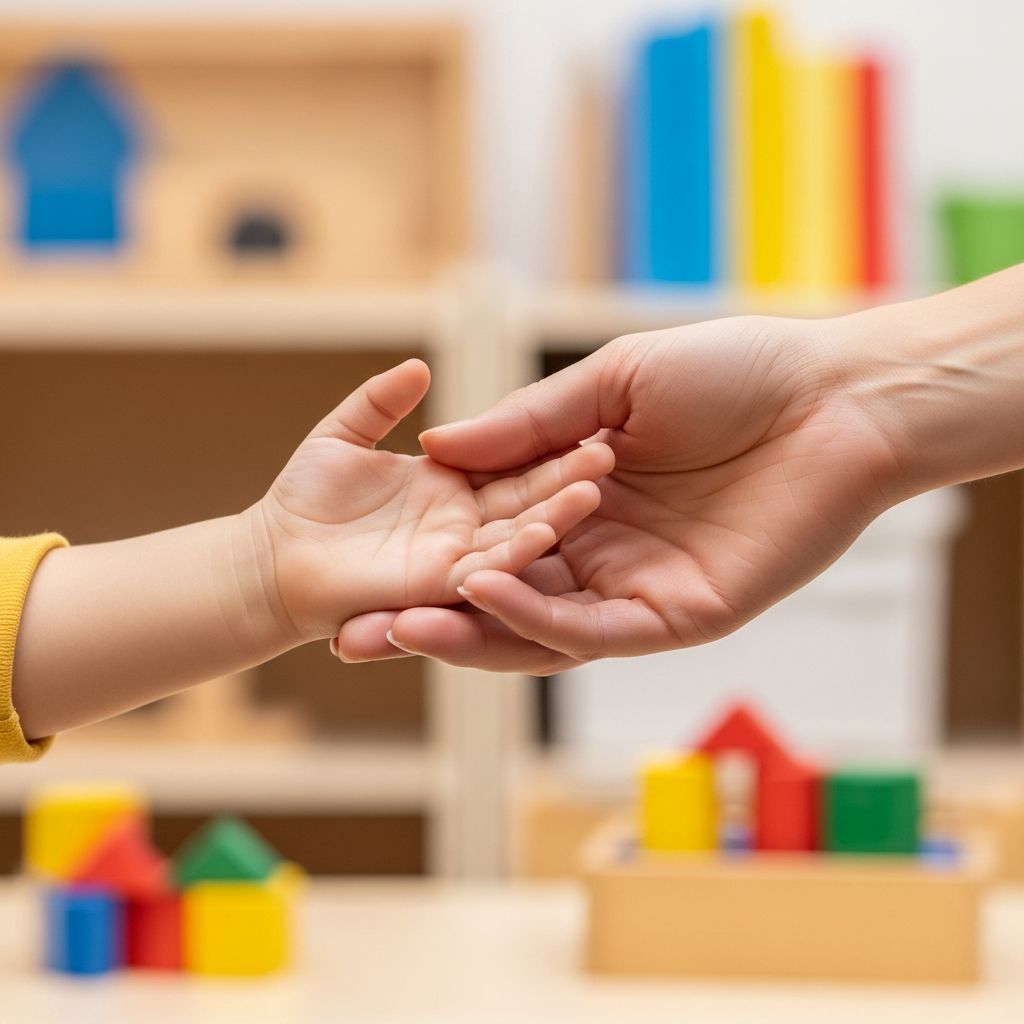
Children with diabetes can enjoy full school days just like their peers when proper management strategies are in place. This involves personalized medical plans, trained school personnel, and clear communication to handle blood sugar monitoring, meals, and activities effectively.
Understanding Diabetes in School-Aged Children
Diabetes affects how the body processes glucose, requiring daily management to prevent highs (hyperglycemia) or lows (hypoglycemia). Type 1 diabetes, the most common in kids, means the body produces no insulin, necessitating injections or pumps. Type 2 is rising due to lifestyle factors but still needs careful oversight.
School days demand routine checks, insulin dosing, and emergency responses. Without support, kids risk health issues impacting learning and play. Federal laws ensure equal access to education and care.
Building a Strong Foundation: The Diabetes Medical Management Plan
Central to school success is the Diabetes Medical Management Plan (DMMP), crafted by the child’s healthcare provider. This document outlines:
- Target blood glucose ranges, typically 70-180 mg/dL.
- Testing schedules, like before meals, snacks, and exercise.
- Insulin types, doses, and administration methods.
- Hypoglycemia symptoms (shakiness, sweating) and treatments (15g fast carbs).
- Hyperglycemia protocols, including ketone checks.
- Meal plans with carb counting.
- Activity guidelines to adjust for sports.
Update the DMMP annually or with treatment changes. Share it with the school nurse first, then all relevant staff.
Section 504 Plans: Legal Safeguards
A Section 504 Plan, based on the DMMP, details school accommodations like private testing areas or snack breaks. It ensures safety and equal opportunities, renewed yearly.
Assembling the School Health Team
Effective care requires teamwork. Key players include:
| Role | Responsibilities |
|---|---|
| School Nurse | Leads care, trains backups, manages emergencies. |
| Teachers | Monitor symptoms, allow breaks, supervise self-care. |
| Parents/Guardians | Provide supplies, update plans, communicate changes. |
| Student | Self-manages if able, reports issues. |
| Other Staff (PE, Cafeteria) | Adapt activities/meals, recognize emergencies. |
Train backups for nurse absences; all must be on-site during school hours.
Daily Routines: Blood Sugar Checks and Insulin
Testing frequency varies: younger kids need full adult help, while teens often self-manage. Use finger sticks or continuous glucose monitors (CGMs). Insulin boluses align with carbs; pumps automate basal rates.
Store supplies in a cool, accessible kit. Schools must allow self-carry for capable students.
Meals, Snacks, and Nutrition Strategies
Consistent eating prevents swings. Cafeteria staff provide carb info; some kids pack lunches for precision. Snacks are essential for lows or long gaps.
- Breakfast before school.
- Mid-morning snack if needed.
- Lunch with insulin match.
- After-school snack.
Party foods require pre-planned doses. Teach carb counting: 15g per exchange (apple, crackers).
Physical Activity and Sports Participation
Exercise lowers blood sugar, benefiting diabetes control. Check levels before, during, and after; extra snacks for lows. PE teachers adjust intensities and watch for symptoms.
Field trips need packed supplies and trained chaperones.
Emergency Preparedness: Hypo and Hyper Boxes
“Hypo boxes” contain glucagon, glucose tabs, juice—accessible everywhere. Protocols:
| Blood Sugar Level | Action |
|---|---|
| <70 mg/dL (Hypo) | 15g carbs, recheck 15 min, repeat if needed, glucagon if unconscious. |
| >250 mg/dL (Hyper) | Water, activity if safe, insulin per plan, call parent/doctor for ketones. |
Train staff yearly; practice drills build confidence.
Age-Appropriate Self-Management
- Preschool/Young Elementary: Full adult assistance.
- Middle Elementary: Kid tests, adult doses.
- Middle/High School: Independent with oversight.
Encourage gradual independence to build skills.
Social and Emotional Support
Diabetes can isolate kids; foster peer education without stigma. Counselors address bullying or anxiety. Inclusive policies boost confidence.
FAQs
What if my child has a low during class?
Treat immediately with fast carbs; teachers must allow discreet handling.
Can kids with diabetes go on field trips?
Yes, with plans, supplies, and trained staff.
How often should plans be reviewed?
Yearly or with changes; before school starts.
What about after-school activities?
Extend plans to clubs/sports with backups.
Do all staff need training?
Key personnel yes; awareness for others.
References
- Managing Diabetes at School — Centers for Disease Control and Prevention. 2023. https://www.cdc.gov/diabetes/caring/managing-diabetes-at-school.html
- Helping the Student with Diabetes Succeed — National Institute of Diabetes and Digestive and Kidney Diseases. 2023. https://www.niddk.nih.gov/health-information/professionals/clinical-tools-patient-management/diabetes/helping-student-diabetes-succeed-guide-school-personnel
- Managing Diabetes in School — Minnesota Department of Health. 2024. https://www.health.state.mn.us/people/childrenyouth/schoolhealth/hco/diabetes.html
- Understanding Diabetes Challenges in Schools — International Diabetes Federation Kids. 2023. https://kids.idf.org/about/understanding-diabetes-challenges-schools/
- Managing Type 1 Diabetes in the School Setting — YouTube (JDRF). 2022. https://www.youtube.com/watch?v=F1n3vOfHs4s
- Safe at School State Laws — American Diabetes Association. 2024. https://diabetes.org/advocacy/safe-at-school-state-laws
- Diabetes in Children — National Association of School Nurses. 2023. https://www.nasn.org/nasn-resources/resources-by-topic/diabetes