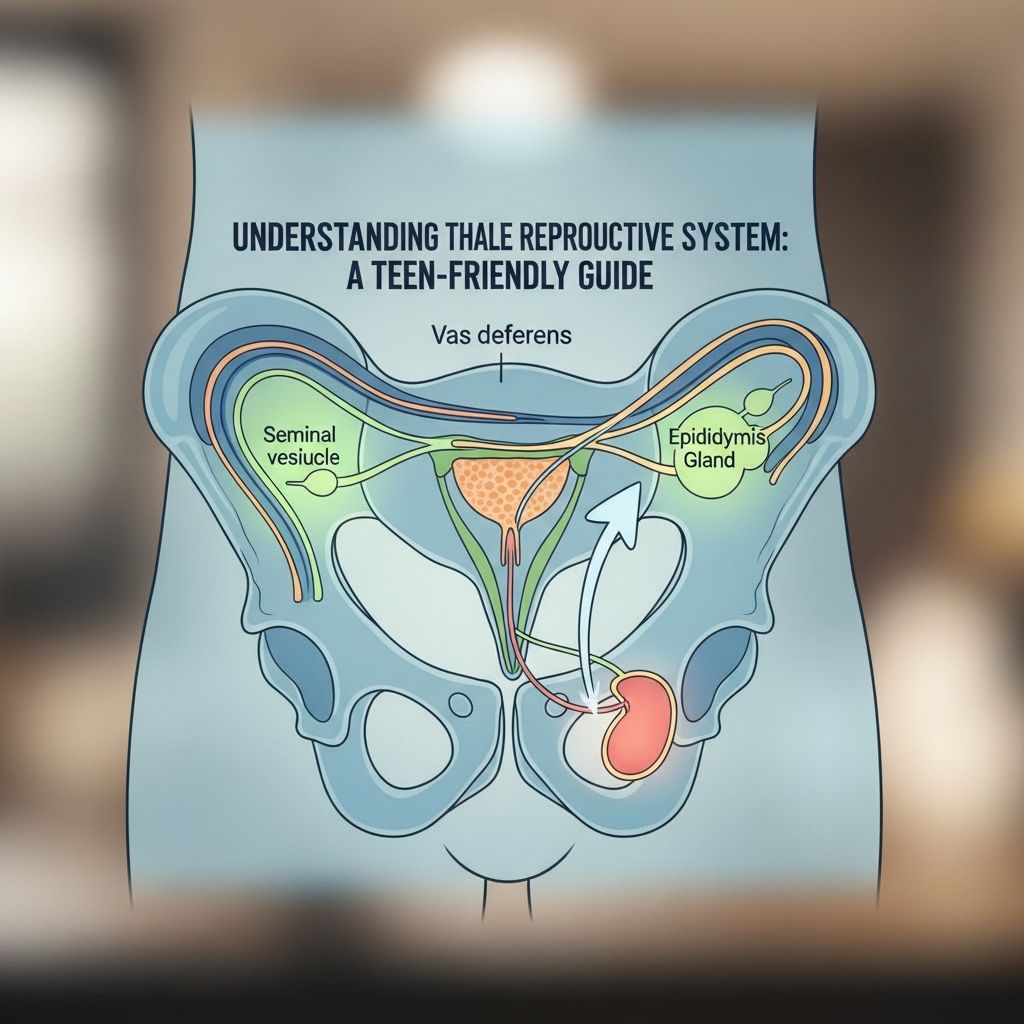
The male reproductive system is a group of organs that work together to make reproduction possible and support sexual health. It is also closely connected to puberty, body changes, emotions, and self-confidence.
This guide explains what the main parts are, what they do, how puberty affects them, and how to take care of your body in a healthy, respectful way.
Why Learning About Your Body Matters
Understanding how the male reproductive system works can make puberty feel less confusing and less stressful. When you know what is normal, it becomes easier to notice when something might be wrong and to ask for help.
Learning about your body also helps you make safer decisions about sexual activity, consent, and protection against infections and unplanned pregnancy when you are older.
- Knowledge can reduce anxiety and embarrassment about normal body changes.
- Accurate information is far more reliable than rumors from friends or social media.
- Feeling informed supports self-respect and respect for other people’s bodies.
Overview of the Male Reproductive System
The male reproductive system includes external parts (on the outside of the body) and internal parts (inside the pelvis and lower abdomen). Together, these structures produce sperm, create semen, and allow semen to leave the body during ejaculation.
Most of these organs are fully formed at birth, but they do not become able to produce sperm or function in reproduction until puberty.
External Structures
- Penis: The organ that allows urine and semen to leave the body through a tube called the urethra.
- Scrotum: A loose pouch of skin that hangs behind the penis and holds the testicles.
- Testicles (testes): Two oval organs inside the scrotum that make sperm and the hormone testosterone.
Internal Structures
- Epididymis: A long, coiled tube on the back of each testicle where sperm mature and are stored.
- Vas deferens: Tubes that carry sperm from the epididymis up into the pelvis during ejaculation.
- Seminal vesicles: Glands that add fluid full of nutrients to sperm, helping form semen.
- Prostate gland: A gland below the bladder that adds more fluid to semen, helping sperm travel.
- Bulbourethral (Cowper’s) glands: Small glands that release a clear fluid into the urethra before ejaculation.
- Urethra: A tube that runs through the penis and carries urine or semen out of the body, but not both at the same time.
How the System Works Step by Step
The male reproductive system follows a sequence of events to make sperm and release semen. Hormones from the brain control most of these steps, especially during puberty and adulthood.
Below is a simple, step-by-step look at how the process of sperm production and ejaculation usually works.
| Step | What Happens | Main Structures Involved |
|---|---|---|
| 1. Hormone signaling | The brain sends chemical signals that tell the testicles to make testosterone and begin sperm production. | Brain (hypothalamus, pituitary), testicles |
| 2. Sperm formation | Inside the testicles, special cells divide and mature into sperm over several weeks. | Testicles, seminiferous tubules |
| 3. Sperm maturation | Immature sperm move into the epididymis, where they gain the ability to swim and fertilize an egg. | Epididymis |
| 4. Transport | During sexual arousal, muscle contractions move sperm through the vas deferens toward the glands that add fluid. | Vas deferens |
| 5. Semen formation | Fluids from the seminal vesicles, prostate, and other glands combine with sperm to form semen. | Seminal vesicles, prostate, bulbourethral glands |
| 6. Ejaculation | Rhythmic muscle contractions push semen through the urethra and out of the penis. | Penis, urethra, pelvic muscles |
Puberty and Male Body Changes
Puberty is the phase of life when the male reproductive system becomes active and the body changes from a child’s body to an adult body. This usually begins sometime between late childhood and early teens, and the exact timing is different for everyone.
During puberty, rising levels of testosterone cause visible physical changes as well as emotional and social changes.
Common Physical Changes
- Growth of the testicles and scrotum, followed by increase in penis size.
- Appearance and thickening of pubic hair, later underarm and facial hair.
- Increase in height, muscle mass, and shoulder width.
- Voice changes, often starting with “cracking” before becoming deeper.
- Increase in body odor and oil production, which can lead to acne.
Emotional and Social Changes
- Stronger romantic or sexual feelings and curiosity about relationships.
- Mood swings or feeling more sensitive, irritated, or self-conscious.
- More focus on privacy, independence, and identity.
These changes are a normal part of development. Talking with trusted adults or health professionals can help if the experience feels overwhelming or confusing.
Erections, Ejaculation, and Wet Dreams
As the reproductive system matures, erections and ejaculation become possible. Understanding these processes can make them feel less awkward and easier to handle.
An erection happens when increased blood flow makes the penis firm and larger. Ejaculation is the release of semen from the penis, usually during sexual arousal or orgasm.
Everyday Facts About Erections
- Erections can happen with or without sexual thoughts, especially during puberty.
- They may occur at random times, such as in class or while sleeping.
- They usually go away on their own after a short time.
What Are Wet Dreams?
Wet dreams, also called nocturnal emissions, occur when ejaculation happens during sleep. The person may or may not remember a dream or feel an orgasm when this occurs.
- Wet dreams are a normal sign that the body is producing semen.
- The frequency varies; some people have them often, some rarely, and some not at all.
- They usually become less frequent as someone gets older.
Hormones and Their Role
Hormones are chemical messengers that travel in the blood and tell different parts of the body what to do. Several hormones work together to control puberty and reproductive function in males.
Most of this control comes from communication between the brain and the testicles.
Key Hormones Involved
- Testosterone: The main male sex hormone that leads to deeper voice, muscle growth, body hair, and sperm production.
- FSH (follicle-stimulating hormone): Helps the testicles produce sperm.
- LH (luteinizing hormone): Signals the testicles to make testosterone.
The body keeps these hormones in balance through feedback signals. When levels rise or fall too much, the brain adjusts its messages to bring them back toward normal.
Common Questions About Size and Appearance
Many teens worry about penis size, testicle size, or the way their genitals look compared with others. Growth patterns differ from person to person, and there is a wide range of normal.
Looking at images online or comparing yourself in locker rooms usually gives a distorted idea of what is typical.
- Genital growth does not happen all at once and can continue through the later teen years.
- Being taller, shorter, thinner, or heavier does not automatically predict penis size.
- Curves or slight differences between sides of the scrotum are often normal.
If there is pain, a sudden change in size, a lump, or one testicle seems missing or very high up, a health care provider should examine it.
Staying Healthy: Hygiene and Self-Care
Caring for the male reproductive system involves daily hygiene, body awareness, and healthy lifestyle habits. These steps help prevent infections, irritation, and some longer-term problems.
Good habits started in the teen years can benefit overall health and fertility later in life.
Daily Hygiene Tips
- Shower or bathe regularly, especially after sports or sweating.
- Gently wash the penis, scrotum, and groin with mild soap and water.
- Dry the area thoroughly to reduce moisture and irritation.
- Wear clean, breathable underwear that is not too tight.
- If uncircumcised, gently pull back the foreskin as far as it comfortably goes and clean underneath, without forcing it.
Healthy Lifestyle Choices
- Do not smoke or vape, and avoid drugs and heavy alcohol use, which can harm fertility over time.
- Maintain a balanced diet and regular physical activity for healthy hormone levels.
- Protect the groin during sports with appropriate gear to prevent injuries.
- Aim for enough sleep, which supports growth and hormone regulation.
Sexual Health, Consent, and Protection
The reproductive system is not only about body parts; it is also connected to relationships, consent, and sexual decision-making. As people grow older, they may choose to become sexually active, so it is important to understand the responsibilities that come with that choice.
Protection and respect are central to healthy sexual behavior.
Key Principles of Consent
- Both people must clearly agree to any sexual activity, without pressure or fear.
- Consent can be withdrawn at any time, even after something has started.
- Someone who is drunk, high, or asleep cannot give full consent.
Protection and Safer Sex
- Using condoms correctly every time reduces the risk of sexually transmitted infections (STIs) and pregnancy.
- Birth control methods can help prevent pregnancy, but many do not protect against STIs.
- Regular sexual health checkups are important for anyone who is sexually active, even if there are no symptoms.
When Something Might Be Wrong
Most changes during puberty are normal, even if they feel strange or uncomfortable at first. However, some signs can suggest a problem that needs medical attention.
Ignoring symptoms can make certain conditions worse, so it is important to speak up if something does not seem right.
Symptoms to Discuss With a Health Professional
- Pain, swelling, or a hard lump in a testicle or scrotum.
- A testicle that suddenly changes position, appears much higher, or feels twisted.
- Burning, pain, or blood when urinating.
- Unusual discharge from the penis.
- Rashes, sores, or bumps on the genitals that do not go away.
- Persistent problems getting or keeping an erection, especially if this causes stress.
Health care providers talk about these issues every day, and their job is to help, not judge. Bringing a trusted adult to an appointment can make it easier to ask questions.
Emotional Well-Being and Body Image
Changes in the reproductive system can affect how someone feels about their body and identity. It is common to compare yourself to others or to images seen online, but those comparisons are often unrealistic or incomplete.
Building a healthy body image means accepting that everyone develops at a different pace and that worth is not based on appearance or sexual experience.
- Talking about concerns with trusted people can reduce embarrassment and stress.
- Counselors, school nurses, or doctors can provide support and accurate information.
- Limiting time spent on unrealistic media and focusing on strengths outside appearance can improve self-esteem.
FAQs About the Male Reproductive System
Is it normal for one testicle to hang lower than the other?
Yes. In many males, one testicle naturally hangs slightly lower than the other. This difference helps prevent them from pressing too hard against each other and is usually not a cause for concern unless there is pain, sudden change, or a noticeable lump.
How often is it normal to have erections or wet dreams?
There is no single \”normal\” number. Some teens have frequent erections and wet dreams, while others have them rarely. Frequency can change over time and often decreases with age, but as long as there is no pain or distress, it is usually part of normal development.
Does masturbating damage the reproductive system?
Masturbation, or touching one’s own genitals for sexual pleasure, does not damage the reproductive organs when done in private and without hurting the body. Myths that it permanently harms fertility or causes physical deformities are not supported by medical evidence.
Can tight clothing affect fertility?
Wearing very tight underwear or pants occasionally is unlikely to cause serious problems. However, long-term, constant pressure and heat around the scrotum may not be ideal for sperm production, so comfortable, breathable clothing is recommended for everyday wear.
When should a teen see a doctor about puberty?
A health professional should be consulted if puberty seems very delayed, such as if there are no signs of genital growth well into the mid-teen years, or if puberty started and then seemed to stop. Any pain, major asymmetry, or sudden changes in the genitals are also reasons to seek medical advice.
The male reproductive system is complex, but learning about it can make puberty and growing up less confusing. Honest questions, reliable information, and access to medical care when needed are all key parts of staying healthy and confident during this stage of life.