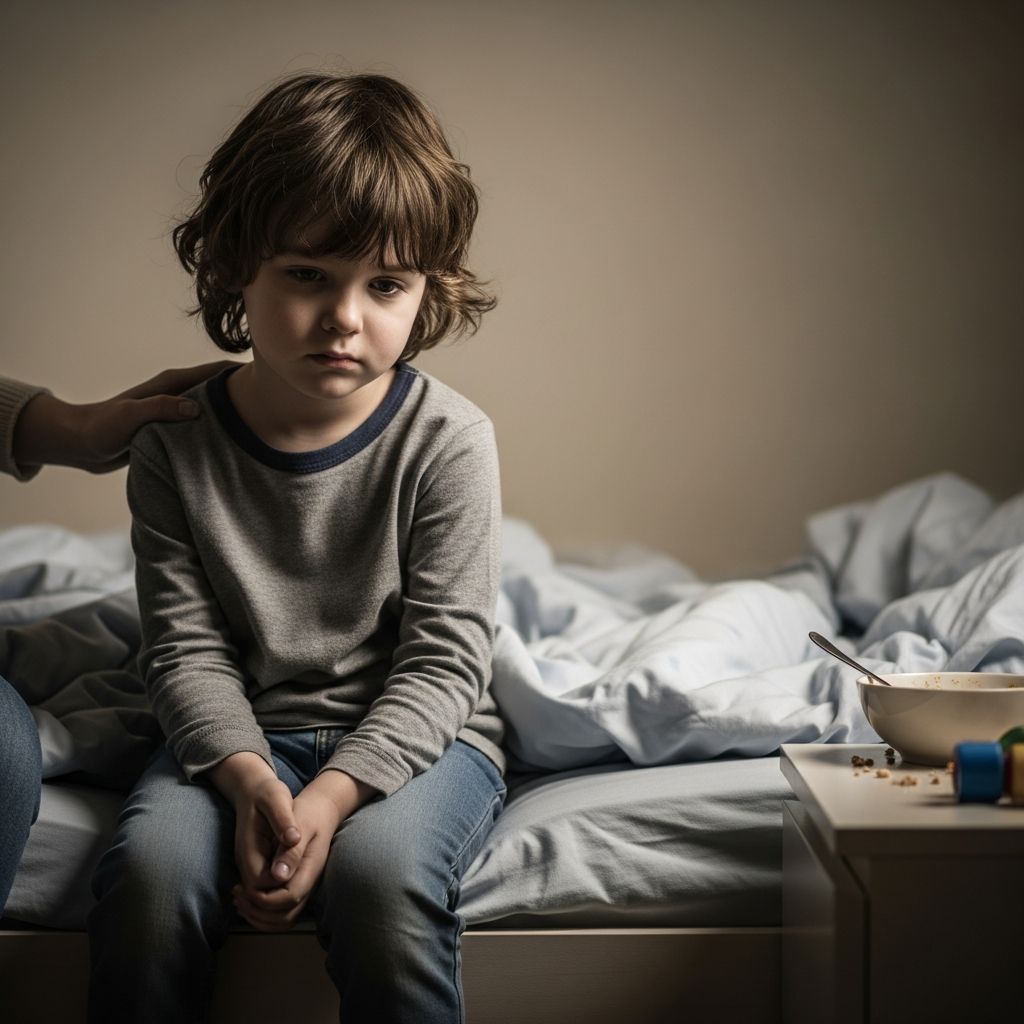
Many parents recognize the moment when a child looks up and says, “I just don’t feel right,” but cannot explain exactly what hurts. That vague, hard-to-describe sense of being unwell is often called malaise, and understanding it can help you decide whether to watch and wait, call the doctor, or seek urgent care.
What Does “Malaise” Mean in Kids?
Malaise is a general term for feeling unwell, uncomfortable, or “off” without a clear, specific symptom like a sharp pain or a localized rash. Children may struggle to find the right words and instead say they feel tired, droopy, grumpy, or “weird.”
In everyday language, malaise can look like a child who is less active than usual, not interested in play, or simply wanting to lie down even though they do not complain of one clear problem. It is not a diagnosis on its own; instead, it is a clue that the body is responding to something, such as an infection, lack of sleep, or another medical issue.
- Young children might only show malaise by being clingy, whiny, or unusually quiet.
- Older kids may say they are wiped out, low on energy, or just not themselves.
- Teens might describe feeling “run down,” drained, or mentally foggy.
How Malaise Differs from Normal Tiredness
Children naturally get tired after busy days, sports, or late nights. Simple tiredness usually improves after a good meal, rest, or a full night’s sleep. Malaise, on the other hand, often lingers, feels more like a whole-body problem, and may come with other subtle signs of illness.
Because kids recover quickly from typical fatigue, a child who remains droopy or out of sorts despite rest deserves a closer look. Malaise may be the body’s early warning sign that something more than ordinary tiredness is going on.
| Feature | Normal Tiredness | Malaise |
|---|---|---|
| Typical trigger | Late bedtime, lots of activity, busy day | Often linked to illness, infection, or other health issue |
| Response to rest | Improves with short rest, nap, or sleep | May persist despite rest and quiet time |
| Other symptoms | Usually none beyond sleepiness | May include mild fever, body aches, poor appetite, or irritability |
| Duration | Hours, up to a day | Can last days or longer, depending on cause |
Common Causes of Malaise in Children
Malaise is not a disease; it is a symptom that shows up in many different situations. Some causes are mild and short-lived, while others may need medical evaluation and follow-up. Often, multiple factors overlap in the same child.
Short-Term (Acute) Causes
Short-term malaise often appears suddenly and improves over several days as the body heals. Parents most commonly see this with everyday childhood illnesses and minor disruptions to a child’s routine.
- Viral infections such as colds, flu, or stomach viruses often start with a vague feeling of being unwell before obvious symptoms like cough, runny nose, vomiting, or diarrhea appear.
- Bacterial infections including strep throat, some ear infections, or pneumonia may cause low energy, poor appetite, and general malaise before a child can point to throat pain or chest discomfort.
- Post-vaccination reactions can lead to temporary fatigue, mild fever, or malaise as the immune system responds to the vaccine.
- Lack of sleep or jet lag sometimes causes short-term malaise, especially when combined with school demands, sports, or screen time late at night.
- Dehydration, even mild, can lead to headache, sluggishness, and a general feeling of being unwell.
Long-Term (Chronic) or Recurrent Causes
When malaise lasts for weeks or returns frequently, it may reflect an underlying medical condition, lifestyle issue, or mental health concern. Chronic causes should always be discussed with a healthcare professional.
- Ongoing infections or immune conditions can leave children feeling drained, even after more obvious symptoms begin to fade.
- Anemia (low red blood cell or hemoglobin levels) reduces oxygen delivery to tissues and can cause fatigue, pale skin, and malaise.
- Endocrine and metabolic conditions, such as thyroid disorders or blood sugar problems, may show up first as vague tiredness or poor stamina.
- Chronic fatigue–type conditions can cause deep, long-lasting tiredness, unrestful sleep, and post-exertional malaise (worsening symptoms after even mild activity).
- Heart, lung, liver, or kidney problems sometimes present with low energy and a sense of feeling unwell before more obvious organ-specific symptoms are recognized.
Lifestyle and Emotional Factors
Not all malaise is caused by physical disease. Daily routines, stress, and emotional health play a large role in how children feel. Sometimes changing habits can make a noticeable difference.
- Insufficient or poor-quality sleep from irregular bedtimes, screens in the bedroom, or sleep disorders leads many kids to feel chronically run down.
- Unbalanced nutrition with skipped meals, excessive sugary drinks, or low iron intake can contribute to low energy and malaise.
- Low physical activity can paradoxically make children feel more tired; regular, age-appropriate movement often helps energy levels.
- Stress, anxiety, or depression may show up in children as physical complaints, low motivation, and vague feelings of being unwell rather than clearly stated emotional distress.
- Medication effects such as from antihistamines or some treatments for behavioral or mood conditions can include drowsiness and malaise as side effects.
How to Recognize Malaise in Children
Because malaise is subjective, observing behavior is often more useful than waiting for a child to find the right words. Parents and caregivers usually know when something about a child’s behavior is “off.”
- Notice changes in play: A normally active child who prefers the couch, bed, or quiet activities.
- Watch for withdrawal: Less interest in friends, family, or favorite toys.
- Track appetite: Eating less, skipping meals, or drinking much less than usual.
- Check school performance: New concentration problems, slower work, or frequent complaints of not feeling well at school.
- Monitor mood: Increased irritability, tearfulness, or lack of usual enthusiasm.
Keeping a simple log of when malaise appears, how long it lasts, and any related symptoms (fever, cough, headaches, stomach pain, rashes) can be very helpful if you need to discuss the pattern with your child’s healthcare provider.
Home Care: What Parents Can Do
If your child has mild malaise but no alarming symptoms, home care focuses on comfort and gentle support while you observe for any changes. Small steps can ease discomfort and assist the body’s own healing process.
Creating a Restful Environment
- Offer a calm, quiet space where your child can rest, read, or watch something relaxing.
- Encourage naps or earlier bedtimes if your child is clearly more tired than usual.
- Limit noisy activities, intense video games, or social media that might be overstimulating.
Supporting Hydration and Nutrition
- Provide frequent sips of water, oral rehydration solutions, or clear fluids, especially if there is fever, vomiting, or diarrhea.
- Offer light, easy-to-digest foods such as toast, bananas, rice, yogurt, or soup if appetite is low.
- Avoid forcing large meals; instead, try small, frequent snacks.
Gentle Activity and Comfort Measures
- Allow your child to choose calm activities like drawing, puzzles, or audiobooks.
- Use cool cloths, a warm bath, or comfortable clothing to help with general discomfort.
- Follow your pediatrician’s guidance before giving over-the-counter medications such as pain relievers or fever reducers.
Throughout, reassure your child, check in often, and trust your instincts. If your child seems to be getting worse, struggles to stay awake, or develops new symptoms, contact a healthcare professional promptly.
When Malaise Signals an Emergency
While most episodes of malaise in children relate to minor, self-limited illnesses, sometimes that vague unwell feeling is an early sign of something serious. Knowing the red flags helps you act quickly when it matters most.
Seek emergency care (call emergency services or go to the nearest emergency department) if malaise is combined with any of the following:
- Difficulty breathing, rapid breathing, grunting, or struggling to catch breath.
- Blue, gray, or very pale lips or face.
- Confusion, trouble staying awake, or unusual difficulty waking up.
- Stiff neck with fever, severe headache, or sensitivity to light.
- Seizure or sudden loss of consciousness.
- Severe chest pain, sudden weakness, or trouble speaking (rare in children but urgent when present).
- Signs of severe dehydration such as no urination for many hours, very dry mouth, or no tears when crying.
- A rapidly spreading rash, especially if it looks like bruises or small red-purple spots and does not fade when pressed.
When to Call the Doctor or Clinic
For many families, the challenge is deciding when malaise is mild enough to monitor at home and when to involve a healthcare provider. If you feel uneasy about your child’s condition, calling for advice is always appropriate.
Contact your child’s doctor or clinic within the same day if:
- Malaise lasts more than a few days without clear improvement.
- Your child has recurring episodes of low energy or malaise over weeks or months.
- There is persistent fever, weight loss, night sweats, or ongoing pain.
- Your child is missing significant amounts of school or activities due to feeling unwell.
- You see important changes in personality, mood, or school performance along with malaise.
Before the appointment, make a list of any medications, supplements, or recent vaccine doses, plus notes about sleep routine, diet, and school or family stressors. This context helps your child’s clinician consider both physical and emotional contributors.
How Healthcare Professionals Evaluate Malaise
During a medical visit for malaise, the clinician’s goal is to determine whether there is an identifiable underlying cause that needs specific treatment or further testing. The evaluation usually starts with questions, observation, and a thorough physical exam.
Typical Questions You May Be Asked
- When did the malaise start, and has it been constant or on and off?
- What makes it better or worse (rest, activity, certain foods, school days vs. weekends)?
- Are there other symptoms such as fever, cough, sore throat, headaches, stomach pain, joint pain, or weight changes?
- How is your child sleeping, eating, and functioning at school or in activities?
- Has anything changed at home or school that could be stressful or upsetting?
Possible Tests and Follow-Up
Not every child with malaise needs tests. If the exam and history suggest a viral infection or short-term issue, observation may be all that is required. When symptoms are more prolonged or severe, the clinician may recommend lab work or imaging.
- Blood tests can check for anemia, infection, inflammation, or problems with organs such as liver, kidneys, or thyroid.
- Urine tests may help identify infections or metabolic issues.
- Imaging studies such as chest X-rays or ultrasounds are used when specific organ problems are suspected.
- Referrals to specialists in cardiology, pulmonology, neurology, mental health, or other fields may be recommended for ongoing, unexplained malaise.
Prevention and Long-Term Well-Being
Not all malaise can be prevented, especially when it is a sign of infections or other medical problems. Still, healthy daily habits and stress management can reduce the frequency and impact of many mild episodes. They also strengthen a child’s resilience when they do get sick.
- Prioritize sleep: Set consistent bedtimes and wake times, with relaxing routines and limited screen exposure before bed.
- Encourage balanced meals: Include fruits, vegetables, whole grains, and protein; limit sugary drinks and heavy, late-night snacks.
- Promote daily movement: Age-appropriate physical activity supports energy, mood, and overall health.
- Support emotional health: Talk regularly with your child about school, friendships, and feelings; consider counseling if stress or anxiety seems significant.
- Stay up to date on checkups and vaccines: Regular visits allow early detection of issues that might otherwise show up only as vague malaise.
Frequently Asked Questions
1. How long can a child feel malaise before I should worry?
Mild malaise that accompanies a cold or another minor illness often improves within a few days as other symptoms peak and then fade. If your child seems just as unwell or more drained after several days, or if malaise persists without obvious infection, contact your pediatrician for guidance.
2. Can malaise be purely emotional or stress-related?
Yes. Children often express emotional distress through physical sensations, including feeling “sick,” weak, or tired. Major life changes, school difficulties, bullying, or anxiety can all cause or worsen malaise. A healthcare professional can help distinguish between primarily physical and emotional contributors and suggest appropriate supports.
3. Is malaise always a sign of serious disease?
No. In many cases, malaise simply reflects a minor viral infection, poor sleep, or an off day and resolves on its own. However, because malaise is nonspecific, parents should stay alert for other symptoms and follow up with a healthcare provider if it is persistent, severe, or accompanied by worrisome signs like high fever, breathing problems, or major behavior changes.
4. Should my child stay home from school if they have malaise?
If malaise is mild and your child can participate in usual activities, school may still be appropriate, especially once a contagious infection has been ruled out or has run its course. If your child is too tired to function, cannot concentrate, or is clearly unwell, rest at home and consultation with your pediatrician is a better choice.
5. How can I explain malaise to my child?
For younger kids, you can describe it as the body’s way of saying, “Something is not right; I need extra rest and care.” Older children and teens may understand that malaise means feeling unwell overall, even if they cannot name one specific symptom. Validating their experience helps them feel heard and encourages them to speak up when they do not feel like themselves.
Malaise in children can be confusing, but it is also an important signal. By paying attention to changes in energy, mood, and behavior, and by knowing when to seek medical advice, parents can respond calmly and effectively to this common yet sometimes overlooked symptom.