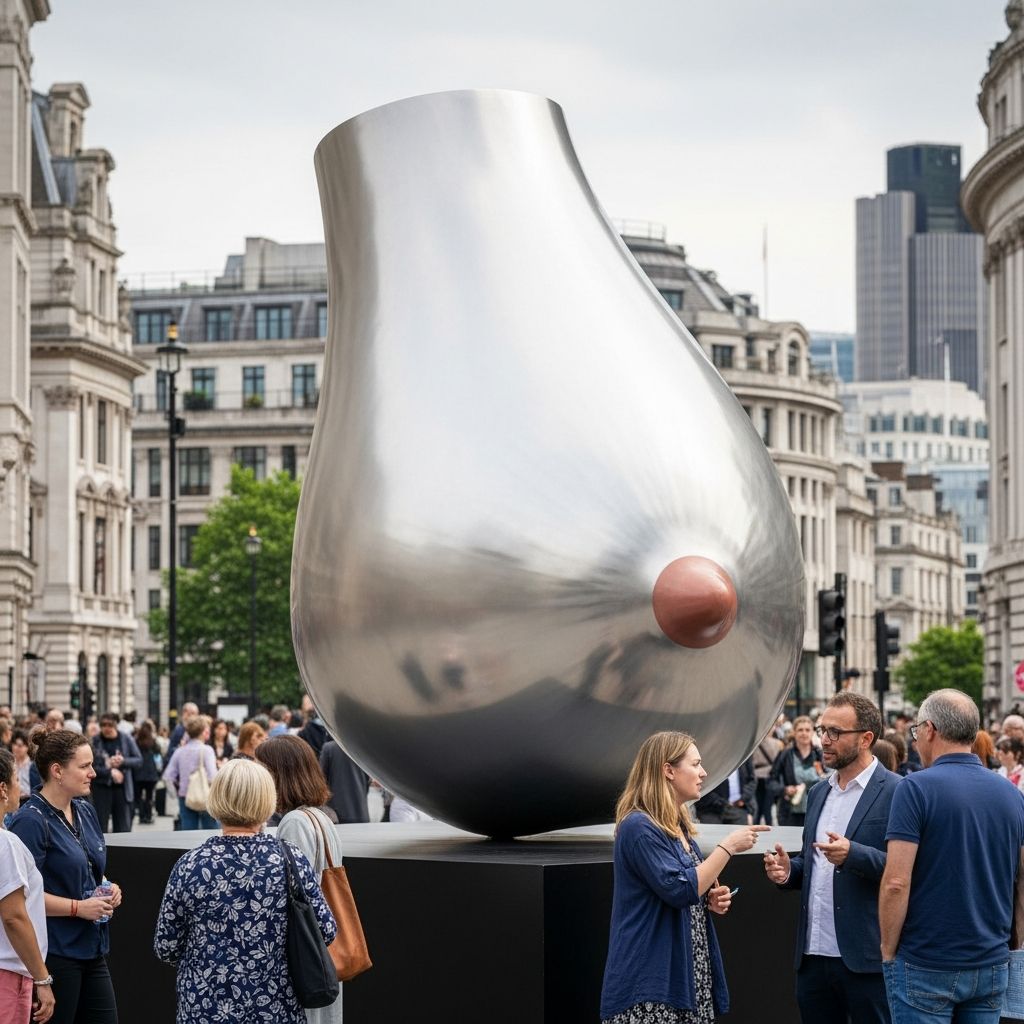
Motherhood transforms lives in profound ways, adding layers of love, responsibility, and joy. Yet, it often prompts a deep introspection about personal identity, as many women navigate the shift from individual pursuits to family-centered routines. This journey involves recognizing that parenting enhances rather than erases who you are, fostering a richer, more multifaceted self.
The Transformative Power of Becoming a Parent
Entering parenthood introduces overwhelming emotions and new priorities that reshape daily existence. Women frequently describe this phase as an all-encompassing transition, where unconditional love emerges alongside challenges that test resilience. For instance, the demands of caring for young children can dominate schedules, leading to a temporary eclipse of personal hobbies, career goals, and social connections.
Research highlights how this period evokes intense inner feelings, touched by everyday interactions with children. Mothers report a heightened awareness of life’s deeper meanings, realizing the profound impact of nurturing bonds. However, this intensity can blur the lines between one’s core self and the parental role, prompting questions about enduring identity.
Navigating the Myth of Identity Loss
A common narrative portrays motherhood as a complete overhaul, suggesting women must abandon prior selves to succeed as parents. This view is not only outdated but potentially detrimental, implying surrender of lifelong development for effective caregiving. In reality, parenting acts as an extension, building upon existing strengths and passions.
Many mothers find that rather than diminishing their essence, child-rearing expands capabilities. It reveals untapped depths of patience, creativity, and empathy, allowing women to evolve into more complete versions of themselves. Acknowledging this expansion prevents the sense of erasure and encourages integration of old and new identities.
Building a Balanced Sense of Self
Maintaining individuality requires intentional steps. Start by grieving the pre-parenthood life while embracing current realities. This acceptance honors changes without discrediting growth. Practical strategies include:
- Carving out daily time for personal reflection, such as journaling thoughts unrelated to family.
- Reconnecting with pre-baby interests, like reading non-parenting books or pursuing creative outlets.
- Setting boundaries to protect solo recharge periods amid family demands.
Therapists emphasize exploration and rediscovery as key to sustaining identity. Prioritizing self-care isn’t selfish; it’s essential for modeling healthy autonomy to children.
Practical Strategies for Self-Preservation
| Strategy | Benefits | Implementation Tips |
|---|---|---|
| Daily Self-Care Rituals | Boosts energy and mental clarity | Schedule 15-30 minutes for exercise, meditation, or a hobby |
| Career or Skill Revival | Restores ambition and role-model status | Start small with online courses or part-time gigs |
| Social Reconnection | Reduces isolation | Plan friend meetups without kids monthly |
| Mindful Goal Setting | Aligns personal dreams with family life | Create quarterly non-parenting objectives |
These approaches help integrate motherhood into a broader life canvas, preventing over-identification with parenting alone.
Role Modeling for Future Generations
Mothers who cultivate personal identities inspire children profoundly. By pursuing ambitions, women demonstrate that household roles coexist with individual achievements, teaching daughters self-reliance and sons respect for women’s multifaceted lives. This modeling counters limiting stereotypes, encouraging kids to build their own identities.
Personal stories abound of women who, after immersing fully in parenting, pivoted to new ventures. One microbiologist paused her career post-birth but later reignited passions, finding motherhood fueled her drive to step beyond comfort zones. Such examples underscore how parenting confidence propels broader goals.
Embracing Emotional Shifts
The emotional landscape of motherhood includes joy, exhaustion, and identity flux. Many experience an initial \”loss\” feeling, expecting seamless addition of the mother role atop existing ones. Unexpectedly, it feels subtractive at first, eroding old routines.
Yet, this phase passes with adaptation. Interviews reveal parents who rediscover purpose through unconditional love, living \”with\” rather than \”through\” their children. Embracing these shifts fosters resilience and a renewed sense of self.
Spiritual and Philosophical Perspectives
For some, identity anchors in faith, viewing motherhood as a mission rather than core essence. This distinction safeguards against crises when parenting phases evolve, like children gaining independence. Prioritizing spiritual foundations ensures stability amid life’s changes.
Phenomenological studies affirm motherhood’s overwhelming nature but highlight its role in revealing life’s true significances through love. Balancing this with personal spirituality creates holistic fulfillment.
Overcoming Common Challenges
Mothers often face societal pressures equating worth to parenting perfection. Combat this by affirming that personal growth enhances caregiving. Challenges like time scarcity resolve through micro-habits, such as listening to podcasts during chores.
Support networks amplify efforts. Joining mom groups focused on personal development provides accountability and shared insights.
Frequently Asked Questions
Is it normal to feel like you’ve lost yourself after becoming a mom?
Yes, many mothers experience this temporary identity shift due to life’s overwhelming changes, but it’s a phase that evolves with intentional self-reconnection.
How can I balance family and personal ambitions?
Prioritize small, consistent actions like weekly personal goals alongside family schedules to harmoniously integrate both worlds.
Does pursuing my own interests make me a bad parent?
No, it models healthy independence for children and sustains your well-being, ultimately improving parenting quality.
What if my partner doesn’t support my self-care time?
Communicate benefits openly, sharing how refreshed energy enhances family dynamics, and negotiate shared responsibilities.
How long does identity rediscovery take?
Varies by individual, but consistent practices yield noticeable shifts within months, deepening over years.
Long-Term Fulfillment Through Integration
Ultimately, thriving in motherhood means weaving personal identity into family fabric. This holistic approach yields sustainable joy, preventing burnout and enriching all relationships. Women who embrace this expansion report greater life satisfaction, proving parenting amplifies rather than supplants.
Commit to ongoing self-investment. Track progress in a journal, celebrate milestones, and adjust as family stages change. This dynamic balance ensures enduring vibrancy.
References
- Identity of a Mother — Wellspringwords. 2023. https://www.wellspringwords.love/narratives/identity-of-a-mother
- Motherhood Is an Extension of Your Identity, Not a Replacement of It — By Stef Caldwell. 2023. https://bystefcaldwell.com/blog/motherhood-is-an-extension-of-your-identity-not-a-replacement-of-it
- The Meaning of Becoming a Mother. A Phenomenological Study — PMC / NIH. 2024-10-15. https://pmc.ncbi.nlm.nih.gov/articles/PMC11911502/
- Motherhood is a Mission, Not an Identity — Your Mom Has A Blog. 2026-01-05. https://yourmomhasablog.com/2026/01/05/motherhood-is-a-mission-not-an-identity/
- Maintaining Your Identity in Motherhood — Momwell. 2024. https://www.momwell.com/blog/maintaining-your-identity-in-motherhood