Choosing How to Celebrate: Mail-Only or Party Gifts?
Every year, parents face the same question: How should we celebrate our child’s birthday? For many families, the default answer has long been a party with friends, cake, games, and a pile of wrapped presents. But in recent years, a quieter alternative has gained attention: the mail-only birthday. In this model, the child doesn’t host a party; instead, they receive birthday cards and small gifts through the mail from loved ones.
This shift isn’t just about convenience. It reflects changing attitudes toward consumerism, social expectations, and what truly matters in a birthday celebration. Whether you’re considering a mail-only birthday for the first time or reevaluating your current approach, it’s worth taking a close look at both options. Each has its own strengths, challenges, and long-term impact on your child and your family life.
What Is a Mail-Only Birthday?
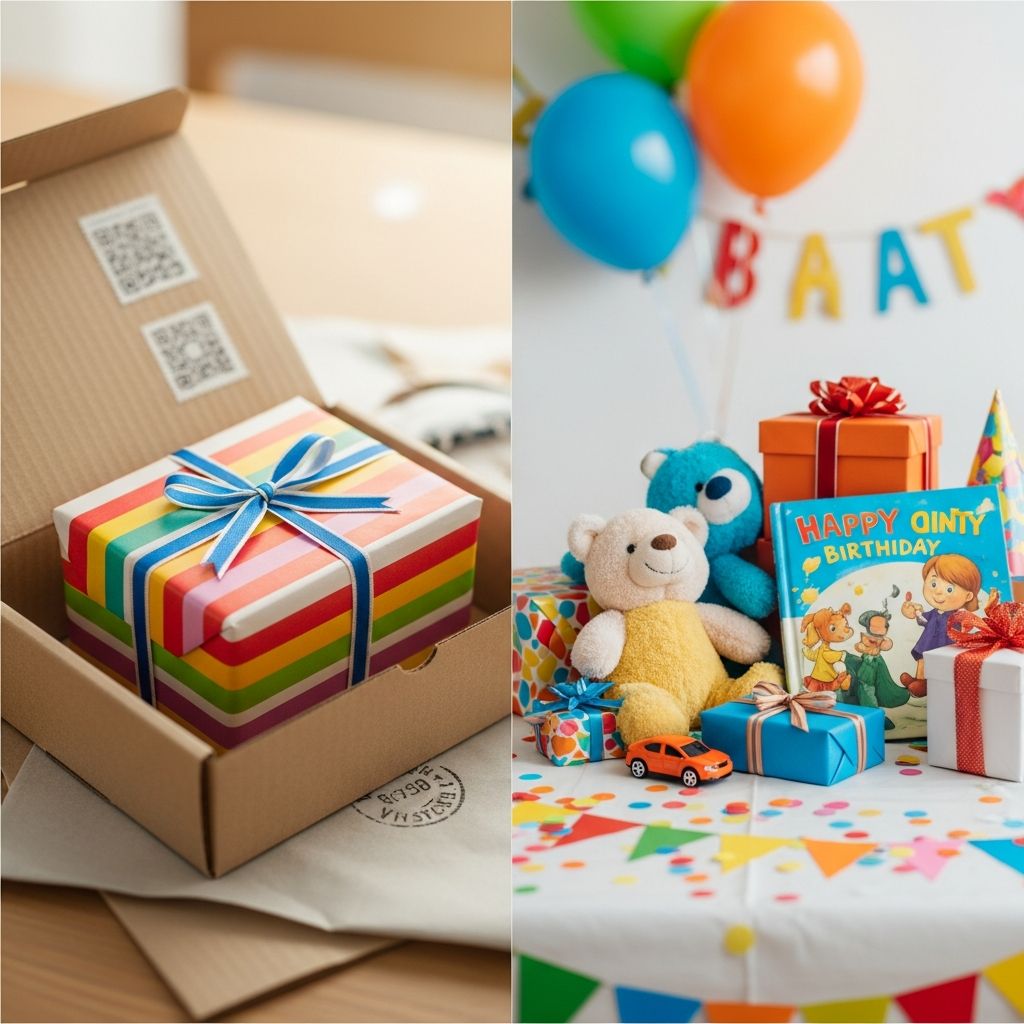
A mail-only birthday is a celebration where the child does not host a party with guests. Instead, the focus is on receiving birthday wishes and small tokens through the postal service. Relatives, close family friends, godparents, and sometimes even extended family members send cards, letters, and modest gifts in the weeks leading up to or on the child’s birthday.
The celebration itself is usually low-key: a special breakfast, a favorite meal, a small outing, or a cozy evening at home. The highlight is opening the mail and reading messages from people who care. There’s no need to coordinate schedules, decorate a space, or manage a group of children. The emphasis is on connection, thoughtfulness, and simplicity rather than spectacle.
The Traditional Birthday Party with Gifts
In contrast, the traditional birthday party is a social event centered around gathering friends, celebrating with food and activities, and exchanging gifts. These parties can range from a small backyard gathering to a larger event at a venue, but they typically share a few common elements:
- A guest list of peers (and sometimes siblings)
- Decorations, a theme, and party games
- Cake, snacks, and often a meal
- A gift-opening moment where the birthday child opens presents in front of others
For many children, this is the highlight of the year—a chance to feel special, be the center of attention, and enjoy time with friends. For parents, it’s an opportunity to create memories, strengthen social ties, and mark another year of growth.
Benefits of a Mail-Only Birthday
Choosing a mail-only birthday isn’t about cutting corners; it’s about redefining what a birthday means. Many families find that this approach offers several meaningful advantages:
Reduced Stress and Logistics
Planning a party involves a long checklist: invitations, food, decorations, activities, seating, and cleanup. A mail-only birthday eliminates most of that. There’s no need to coordinate with other parents, worry about allergies, or manage a room full of excited children. The parent’s role shifts from event planner to facilitator of a calm, personal celebration.
Less Focus on Materialism
When the only gifts come through the mail, the emphasis is naturally on the message, not the price tag. Children learn to appreciate handwritten notes, drawings, and small, thoughtful items rather than expecting a large pile of expensive toys. This can help build gratitude and reduce the pressure to keep up with peers’ gifts.
Stronger Family-Centered Celebration
Without the demands of hosting guests, the birthday becomes more intimate. Families can spend the day doing something meaningful together—visiting a favorite park, going to a museum, baking together, or simply enjoying a relaxed day at home. The child still feels celebrated, but the focus is on time and attention rather than external validation.
More Inclusive for Distant Loved Ones
For families with relatives who live far away, a mail-only birthday can be a way to include them more fully. Grandparents, aunts, uncles, and family friends who can’t attend a party can still participate by sending a card or small gift. This helps maintain emotional connections across distance and reinforces that the child is loved by a wider circle.
Lower Financial Pressure
Parties can be expensive: venue fees, catering, decorations, entertainment, and party favors. A mail-only birthday significantly reduces these costs. While some families may still spend on a special meal or outing, the overall financial burden is usually much lighter, which can be especially valuable in tight budgets.
Benefits of a Traditional Party with Gifts
Despite the appeal of a simpler celebration, many families continue to choose traditional parties for good reasons. These events offer unique benefits that are hard to replicate with a mail-only approach:
Social Connection and Peer Relationships
For children, birthday parties are often one of the main opportunities to host friends and practice social skills. They learn how to welcome guests, share attention, and navigate group dynamics. These experiences are important for building confidence and strengthening friendships.
Memorable, Shared Experiences
A well-planned party creates shared memories that last for years. The games, the laughter, the slightly chaotic gift-opening moment, and the photos afterward all contribute to a story the child can look back on. These moments become part of the family’s history and the child’s sense of identity.
Opportunity for Generosity and Gratitude
Receiving gifts in person can be a powerful lesson in gratitude. When a child opens a present from a friend, they can thank them directly, which reinforces social manners and emotional awareness. At the same time, hosting a party gives the child a chance to be generous—sharing food, games, and their special day with others.
Clear Milestone Marking
A party makes the birthday feel like a real event, not just another day. The decorations, the cake, the guests, and the attention all signal that this is important. For many children, this external recognition helps them process the idea of growing older and feeling proud of their achievements.
Flexibility in Scale and Style
Traditional parties don’t have to be extravagant. Families can choose a small, low-key gathering with a few close friends or a larger event with a theme and activities. This flexibility allows parents to tailor the celebration to their child’s personality, age, and social needs.
Challenges of Each Approach
Neither option is perfect, and both come with their own set of challenges. Understanding these can help parents make a more informed decision.
Mail-Only Birthday Challenges
- Missing out on peer interaction: Some children thrive on the social energy of a party and may feel disappointed if they don’t get to celebrate with friends.
- Pressure on relatives: Not all family members are comfortable or consistent with sending mail. Some may forget, others may feel obligated, and a few may resent the expectation.
- Perceived as “less special”: In a culture where big parties are the norm, a mail-only birthday might be seen by others (or even the child) as a downgrade, especially as the child gets older.
- Dependence on postal reliability: Delays or lost mail can mean gifts don’t arrive on time, which can be disappointing.
Traditional Party Challenges
- High stress and workload: Planning, hosting, and cleaning up after a party can be exhausting, especially for working parents or those with multiple children.
- Financial cost: Even modest parties can add up quickly, and the pressure to “keep up” with other families can lead to overspending.
- Gift overload and entitlement: A large pile of presents can unintentionally teach children to expect material rewards, making it harder to appreciate smaller, non-material gestures.
- Social pressure and comparisons: Children may compare their parties and gifts to those of friends, leading to feelings of envy or inadequacy.
- Logistical headaches: Coordinating schedules, managing allergies, handling conflicts between children, and dealing with last-minute cancellations are all common issues.
How to Decide What’s Right for Your Family
There’s no one-size-fits-all answer. The best choice depends on your child’s personality, your family’s values, and your practical circumstances. Here are some questions to help guide your decision:
Consider Your Child’s Personality
- Does your child enjoy being the center of attention, or do they feel overwhelmed in large groups?
- Do they look forward to parties with friends, or are they more content with quiet, family-centered celebrations?
- How do they respond to gifts? Are they excited by the act of opening presents, or are they more interested in the experience of the day?
Reflect on Your Family’s Values
- Do you want to emphasize gratitude, simplicity, and family connection?
- Are you trying to reduce consumerism and focus on experiences over things?
- How important is it to you that your child feels included in the broader social world of their peers?
Evaluate Practical Factors
- What is your budget for birthday celebrations?
- How much time and energy do you realistically have to plan and host a party?
- Do you have access to a suitable space, or would you need to rent a venue?
- How many close friends does your child have, and how easy is it to coordinate with other families?
Hybrid Approaches: The Best of Both Worlds
Many families find that a strict either/or choice isn’t necessary. It’s possible to blend elements of both models to create a celebration that fits their unique situation. Some ideas include:
Mail-Only with a Small Family Celebration
Keep the party small and family-focused, but still encourage relatives to send cards and small gifts through the mail. This maintains the low-stress, low-cost benefits of a mail-only approach while still giving the child a sense of being celebrated.
Traditional Party with a No-Gift or Low-Gift Policy
Host a party with friends, but ask guests to skip gifts or bring a small, symbolic item (like a book or a handmade card). This reduces materialism while preserving the social and experiential benefits of a party.
Alternating Years
Some families alternate between a big party year and a mail-only or low-key year. This can help manage costs and energy while still giving the child a major celebration every other year.
Themed Mail-Only Celebrations
Even without a party, you can make the mail-only birthday feel special. Create a theme (e.g., “Adventure Mail,” “Art Mail,” “Book Mail”) and encourage relatives to send themed cards or small items. This adds fun and creativity to the celebration.
Communicating Your Choice to Others
Whichever approach you choose, clear communication is key. Relatives and friends may be used to a certain way of celebrating, so it helps to explain your reasoning in a positive, respectful way.
- For a mail-only birthday: Let people know that you’re focusing on a quieter, family-centered celebration and that their cards and small gifts are warmly welcomed.
- For a no-gift party: Be upfront in invitations or conversations that the focus is on fun and friendship, not presents. Offer alternatives like donations to a charity or a shared experience.
- For a traditional party: Be clear about expectations (e.g., RSVPs, allergies, gift preferences) so everyone feels comfortable and included.
Long-Term Impact on Your Child
The way you celebrate birthdays can shape your child’s expectations and values over time. A mail-only approach may help them develop a deeper appreciation for relationships and experiences, while a traditional party can strengthen their social skills and sense of belonging.
Ultimately, the goal is not to choose the “perfect” celebration, but to create a birthday experience that feels meaningful, joyful, and aligned with your family’s life. Whether that means a quiet day with mail and a favorite meal or a lively party with friends and gifts, what matters most is that your child feels loved, seen, and celebrated for who they are.
FAQs: Mail-Only vs. Party Gifts
Can a mail-only birthday still feel special to a child?
Yes, absolutely. Many children love the anticipation of receiving mail and the personal touch of handwritten notes and small gifts. When paired with a thoughtful family celebration, a mail-only birthday can feel just as special as a party.
How do I handle relatives who want to give big gifts?
Be honest and kind. You can say something like, “We’re trying to keep things simple this year, and we’d love for [child’s name] to enjoy your card and a small token. Your thoughtfulness means more than the size of the gift.”
Is it okay to switch between mail-only and parties over the years?
Yes. Many families adapt their approach as their child grows and their circumstances change. Flexibility allows you to respond to what works best at each stage of childhood.
What if my child really wants a party with gifts?
Listen to their wishes and discuss the pros and cons together. You might compromise by planning a smaller, low-cost party with a no-gift or low-gift policy, or by saving a big party for a milestone birthday.
How can I make a mail-only birthday more fun?
Build excitement around the mail: create a countdown, decorate a special spot for opening cards, take photos of the child with each gift, and pair it with a favorite activity or outing. The key is to make the day feel intentional and joyful.
References
- Children’s Social Development: The Role of Peer Interactions — American Academy of Pediatrics. 2023. https://www.aap.org/en/patient-care/healthy-childhood/development/social-emotional-development/
- Consumerism and Childhood: Trends and Impacts — American Psychological Association. 2022. https://www.apa.org/topics/consumerism
- Family Celebrations and Emotional Well-Being — Child Development, Wiley Online Library. 2021. https://onlinelibrary.wiley.com/doi/full/10.1111/cdev.13567