Lymphatic malformations can sound frightening when you first hear the diagnosis, but understanding what they are and how they are treated can make them much less overwhelming. This guide explains lymphatic malformations in children using clear, parent-friendly language, and outlines how doctors diagnose, monitor and treat them.
What Is a Lymphatic Malformation?
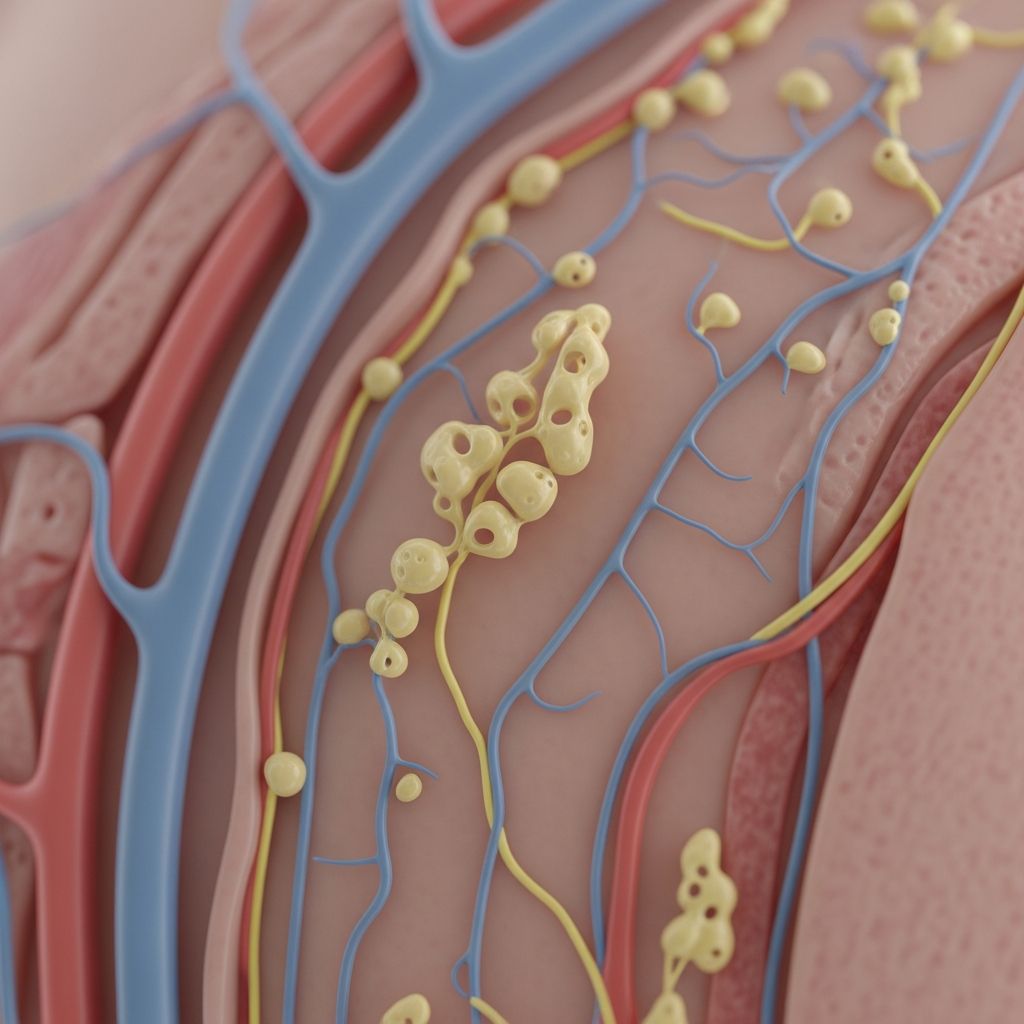
The lymphatic system is a network of tiny vessels and organs that helps move fluid called lymph around the body and plays a key role in immune defenses. In some babies, parts of this system do not form normally before birth. When that happens, clusters of abnormal lymphatic vessels can trap fluid and create fluid-filled spaces (cysts) in soft tissues.
These clusters of abnormal vessels and cysts are called lymphatic malformations. They are:
- Noncancerous (benign) growths, not tumors that spread to other parts of the body.
- Usually present at birth or noticed in early childhood, often before age 2.
- Most common in the head and neck, but they can occur almost anywhere in the body.
Because the lymph vessels in these areas do not drain fluid properly, the collected fluid makes the affected area look swollen, lumpy, or blister-like.
Common Locations and Types
Lymphatic malformations can vary widely in size, depth and location. Doctors look at both where they are and what they look like inside to help plan treatment.
Typical Body Areas Affected
- Neck and face – the most frequent site in children; may affect the jaw, cheeks, lips or tongue.
- Underarm, chest and upper back – can cause visible lumps or internal pressure on the lungs or airways.
- Abdomen and pelvis – may involve the intestines, bladder area or reproductive organs.
- Arms and legs – can lead to limb swelling or overgrowth in the affected region.
- Eye socket (orbit) – may push the eye forward or affect vision.
Macrocystic vs. Microcystic Malformations
Doctors often describe lymphatic malformations based on the size of the fluid spaces inside them.
| Type | Key Features | Typical Appearance |
|---|---|---|
| Macrocystic | Few larger cysts or pockets of fluid, often grouped together. | Soft, often translucent mass, frequently in the neck or chest area. |
| Microcystic | Many very small cysts spread through the tissue. | Thickened or swollen area; may look like clusters of tiny blisters on skin or mucous membranes. |
| Mixed | Combination of both large and small cysts; very common. | Features of both macrocystic and microcystic lesions in the same region. |
The category helps specialists decide which treatments are likely to work best, but most children’s malformations have elements of both types.
Why Do Lymphatic Malformations Develop?
Lymphatic malformations are thought to arise from an error in the development of the lymphatic system while the baby is growing in the womb. During fetal development, a group of lymph vessels can become separated or malformed, so they do not connect properly to the rest of the lymphatic network. The isolated vessels then fill with lymph and gradually form cysts.
Key points about cause:
- They are usually present from birth, even if they are not obvious right away.
- They are not caused by anything the parents did or did not do during pregnancy.
- They are generally not inherited; most cases occur by chance.
In some children, lymphatic malformations can be part of a broader pattern of abnormal growth or rare genetic syndromes, so specialists may consider genetic evaluation if there are other unusual findings.
How Lymphatic Malformations Grow and Change
Many families notice that a lymphatic malformation does not behave like a typical lump. It can change in size over time and may suddenly swell or become painful.
Typical patterns include:
- Slow, steady growth as the child grows, often in proportion to body size.
- Sudden enlargement during or after an infection, injury, or bleeding inside the malformation.
- Temporary swelling that increases when a child is ill and then improves as they recover.
- Rarely, partial spontaneous shrinkage without treatment.
These changes do not mean the malformation has become cancerous. They reflect how sensitive the abnormal lymph vessels are to inflammation, bleeding and fluid shifts in the body.
Signs and Symptoms Parents May Notice
Symptoms depend on the size and location of the malformation. Some children have minor cosmetic changes, while others may have trouble breathing, eating or using an affected body part.
Visible and Physical Changes
- A soft, smooth lump under the skin that may feel spongy or rubbery.
- Swelling that may look bluish or clear, especially near the skin surface.
- Clusters of tiny blisters or vesicles that may leak clear or bloody fluid.
- A mass that rapidly increases in size, often becoming firmer and painful, especially if there is bleeding inside.
Functional Problems by Location
- Head, neck, mouth and tongue
- Difficulty breathing or noisy breathing.
- Trouble swallowing or feeding.
- Speech difficulties if the tongue or lips are involved.
- Chest
- Shortness of breath or wheezing.
- Chest discomfort or a feeling of pressure.
- Eye socket (orbit)
- Bulging of the eye (proptosis).
- Double vision or visual problems.
- Abdomen and intestines
- Abdominal swelling or pain.
- Problems with protein loss or digestion in severe cases.
- Pelvis, bladder or genital area
- Urinary or bowel difficulties.
- Recurrent infections or discomfort.
Signs of Infection or Bleeding
Lymphatic malformations are prone to episodes of inflammation, infection and bleeding. Contact your child’s healthcare provider promptly if you notice:
- Rapid swelling, warmth, and redness of the area.
- Increased pain or tenderness.
- Fever or your child appears unwell.
- Sudden hardening or a new lump inside the existing malformation.
- Leaking or draining fluid, especially if it is cloudy or foul-smelling.
How Doctors Diagnose Lymphatic Malformations
Diagnosis begins with a careful medical history and physical examination. Because lymphatic malformations can look similar to other vascular anomalies, imaging tests help clarify the diagnosis and guide treatment.
History and Physical Exam
During the visit, the clinician will typically:
- Ask when the swelling was first noticed and how it has changed over time.
- Review any episodes of rapid growth, pain, infection or bleeding.
- Check for breathing difficulties, feeding issues, or developmental concerns.
- Gently examine the area to feel its texture, borders and tenderness.
Imaging Studies
Common imaging tools include:
- Ultrasound – often the first test; uses sound waves to see fluid-filled spaces, blood flow and nearby structures.
- MRI (Magnetic Resonance Imaging) – provides detailed pictures of soft tissues, useful for deeper or more complex malformations.
- CT scan – sometimes used if bone involvement is suspected or for certain surgical planning needs.
In rare or complex cases, biopsy or specialized blood tests may be needed, especially if doctors are considering other diagnoses.
Treatment Options for Lymphatic Malformations
Not every lymphatic malformation requires immediate treatment. The best approach depends on location, size, symptoms and how much the malformation affects your child’s daily life.
Watchful Waiting (Active Monitoring)
For small, symptom-free malformations, especially those that do not affect breathing, feeding or vision, doctors may recommend careful observation rather than immediate intervention.
This approach usually includes:
- Regular clinic visits and measurements or photographs of the area.
- Monitoring for signs of infection or sudden growth.
- Planning for treatment if symptoms appear or cosmetic concerns become significant.
Sclerotherapy
Sclerotherapy is a commonly used minimally invasive treatment for many lymphatic malformations. A specialist injects a medication (sclerosant) directly into the cysts, usually guided by ultrasound or X-ray imaging. The medication irritates the lining of the abnormal vessels, causing them to scar, shrink and eventually close.
Key points about sclerotherapy:
- Often performed under general anesthesia in children.
- Works especially well for macrocystic or mixed lesions with large fluid pockets.
- May require several sessions over months or years for best results.
- Temporary swelling, pain, bruising or infection can occur after treatment.
Surgery
Surgical removal may be recommended when:
- The malformation compresses vital structures, such as the airway or eye.
- There is severe, persistent disfigurement or functional impairment.
- Sclerotherapy alone is unlikely to relieve symptoms.
Because lymphatic malformations often weave around nerves, muscles and organs, complete removal may not be possible without causing harm. In those cases, surgeons remove as much of the malformation as safely possible to reduce symptoms while protecting normal tissue.
Medicines and Additional Therapies
Other supportive treatments can also help manage symptoms:
- Antibiotics for confirmed or suspected infections such as cellulitis.
- Pain medicines during acute flares or after procedures.
- Compression garments for some limb malformations, to help control swelling (when recommended by specialists).
- Newer targeted drugs are being studied for complex lymphatic and vascular malformations at specialized centers.
Possible Complications
Most children with lymphatic malformations do well with appropriate monitoring and treatment, but complications can occur, especially in large or deep malformations.
- Recurrent infections (cellulitis) – redness, warmth, swelling and pain that often require antibiotics.
- Bleeding into the malformation – can cause sudden painful swelling and firmness.
- Airway compromise – with lesions near the tongue, throat or chest; may require urgent care.
- Vision problems – when the orbit or eyelids are involved; can interfere with normal visual development.
- Effects on bones – nearby bones may overgrow or become weakened in certain extensive forms.
- Emotional and social impact – visible malformations may affect self-esteem, especially in school-age children and teens.
Regular follow-up with a multidisciplinary team helps catch and address complications early.
Living With a Lymphatic Malformation
Beyond medical treatment, families often want to know how to manage daily life, school, activities and emotional well-being.
Home Care and Day-to-Day Tips
- Follow the care team’s instructions for wound and skin care, especially if there are blisters or open areas.
- Watch for signs of infection and contact your provider promptly if they appear.
- Help your child avoid repeated trauma to the area when possible (for example, protective gear during sports if recommended).
- Keep a simple photo record of the malformation over time to show changes clearly at clinic visits.
- Ask your team if any activity limitations are needed; many children can participate in most normal activities.
Emotional Support
Visible lymphatic malformations can draw unwanted attention or questions from others. Parents can support children by:
- Using age-appropriate language to explain the condition to the child and siblings.
- Practicing simple responses to common questions from peers.
- Alerting teachers or school nurses so they understand the condition and any special needs.
- Seeking counseling or peer support groups if body image concerns or bullying arise.
Working With a Specialty Team
Because lymphatic malformations can affect many body systems, children often benefit from care at a center with a vascular anomalies clinic or multidisciplinary team.
Depending on your child’s needs, the team may include:
- Pediatricians and pediatric surgeons.
- Interventional radiologists (who perform sclerotherapy).
- Otolaryngologists (ENT doctors) for head and neck involvement.
- Dermatologists, ophthalmologists or orthopedic surgeons for specific areas.
- Geneticists and other specialists when a broader condition is suspected.
Families are key members of this team. Sharing your child’s experiences, concerns and goals helps clinicians tailor a long-term plan that fits your child’s life.
Frequently Asked Questions (FAQs)
Are lymphatic malformations cancer?
No. Lymphatic malformations are benign (noncancerous) lesions caused by abnormal lymphatic vessels and fluid-filled spaces. They do not spread like cancer, although they can become larger or more complicated over time.
Will my child outgrow a lymphatic malformation?
Most lymphatic malformations tend to grow as the child grows and do not completely disappear on their own. Some may become less noticeable or require only minimal treatment, but long-term follow-up is usually recommended.
Is it my fault that my baby has a lymphatic malformation?
No. Current evidence suggests these malformations result from developmental errors in the womb that are not caused by parental actions during pregnancy and are usually not inherited.
Can lymphatic malformations come back after treatment?
Yes, especially with large or complex lesions. Even with excellent surgery or sclerotherapy, regrowth or new fluid pockets can occur over time. This is why ongoing monitoring with your child’s team is important.
When should I seek urgent medical care?
Contact emergency services or go to the nearest emergency department if your child has:
- Sudden difficulty breathing or swallowing.
- Rapid swelling in the head, neck or mouth.
- High fever and severe redness or pain over the malformation.
These can be signs of infection, bleeding, or airway compromise needing urgent attention.
References
- Lymphatic Malformations — Seattle Children’s Hospital. 2023-04-10. https://www.seattlechildrens.org/conditions/lymphatic-malformations-lm/
- Pediatric Lymphatic Malformations — Children’s National Hospital. 2022-06-15. https://www.childrensnational.org/get-care/health-library/lymphatic-malformations
- Lymphatic Malformations — National Organization for Rare Disorders (NORD). 2021-08-01. https://rarediseases.org/rare-diseases/lymphatic-malformations/
- Lymphatic Malformation — Nationwide Children’s Hospital. 2022-10-05. https://www.nationwidechildrens.org/conditions/lymphatic-malformation
- Lymphatic Malformation — Children’s Hospital Colorado. 2023-02-20. https://www.childrenscolorado.org/conditions-and-advice/conditions-and-symptoms/conditions/lymphatic-malformation/
- Lymphatic Malformations: Symptoms, Diagnosis and Treatment — Cincinnati Children’s Hospital Medical Center. 2022-09-12. https://www.cincinnatichildrens.org/health/l/lymphatic-malformations
- Lymphatic Malformation — Boston Children’s Hospital. 2021-11-30. https://www.childrenshospital.org/conditions/lymphatic-malformation