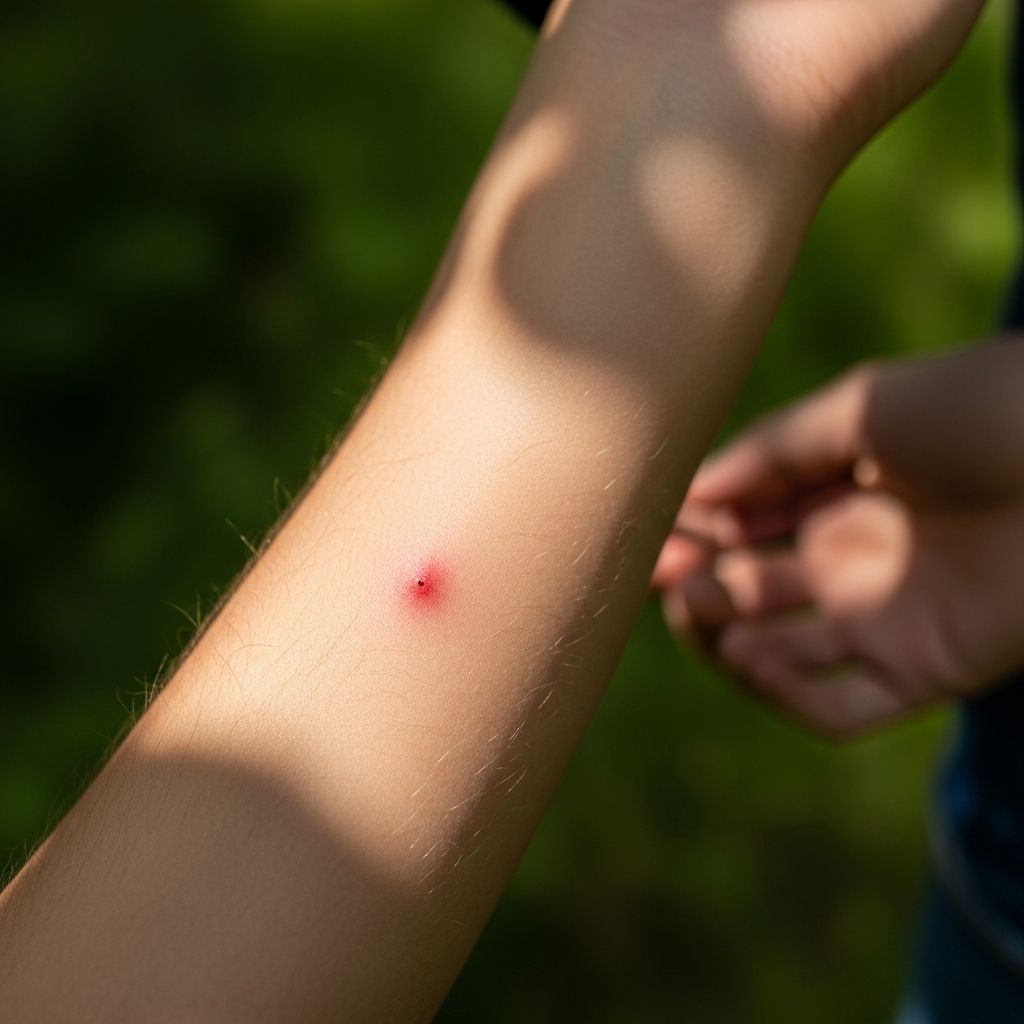
Lyme disease, caused by the bacterium Borrelia burgdorferi, spreads through bites from infected blacklegged ticks and poses a real threat to active teens who love hiking, camping, or hanging out in wooded areas. Early detection through a distinctive rash and flu-like symptoms can lead to quick antibiotic treatment, preventing serious joint, heart, or nerve issues. This guide breaks down everything teens need to know, from recognizing dangers to staying safe outdoors.
What Fuels the Rise of Lyme Cases Among Young People?
Ticks carrying Lyme disease thrive in grassy, brushy, or forested regions, especially in the northeastern, mid-Atlantic, and north-central United States, where warmer months see peak activity from spring to fall. Teens exploring nature are prime targets because blacklegged ticks—tiny and often overlooked—latch onto skin during outdoor adventures. Not every tick bite leads to infection; transmission typically requires the tick to feed for 36-48 hours, but quick removal slashes this risk dramatically. Climate shifts and expanding deer populations, which host these ticks, have boosted cases, making awareness crucial for youth.
Decoding the Body’s Early Warnings
The infection unfolds in stages, starting subtly days to a month after a bite. Most teens notice the hallmark **erythema migrans (EM) rash** first—a red, expanding bull’s-eye pattern at the bite site, growing up to 12 inches wide without itching or hurting. About 70-80% of cases show this rash, which might feel warm but fades over weeks if untreated.
- Flu-like invaders: Fever, chills, headache, fatigue, muscle aches, and swollen lymph nodes mimic a bad cold.
- Joint and neck stiffness: Early hints of deeper inflammation.
- Rash variations: Not always bull’s-eye; some appear solid red or blotchy, popping up on trunks, thighs, or underarms.
Without action, symptoms can escalate, but catching them early with a doctor’s visit changes the game.
When Lyme Spreads: Watch for Advanced Signals
Weeks to months post-bite, untreated Lyme disseminates, hitting multiple systems. Teens might face multiple EM rashes, severe headaches, neck stiffness signaling meningitis, facial droop from nerve palsy, or irregular heartbeats from carditis.
| System | Symptoms | Frequency |
|---|---|---|
| Nervous | Facial paralysis, numbness, meningitis-like stiffness | 10-15% of untreated cases |
| Heart | Palpitations, AV block | Rare, <1% |
| Joints | Swelling, especially knees | Late stage hallmark |
Late-stage Lyme, months later, brings recurrent arthritis, brain fog, or shooting pains, but timely intervention halts progression.
How Doctors Confirm Lyme in Teens
Diagnosis hinges on symptoms, tick exposure history, and physical checks like full-body rash scans. The EM rash alone warrants treatment without tests in endemic areas, as it’s pathognomonic. For others, CDC’s two-tier blood tests rule: ELISA screens for antibodies, followed by Western blot confirmation if positive.
- Early pitfalls: Tests miss 30-40% of new infections due to delayed antibody response; retest after 2-6 weeks if needed.
- Advanced tools: PCR on joint fluid or spinal taps for neuro cases.
- No routine tick testing: Focus stays on patient symptoms.
Teens in high-risk zones with matching signs get empiric antibiotics while awaiting results.
Antibiotic Power: Shutting Down Lyme Fast
Antibiotics cure most early cases, with 10-21 days of orals like **doxycycline** (first-line for non-pregnant teens over 8), amoxicillin, or cefuroxime axetil. Doxycycline’s edge covers co-infections like anaplasmosis. IV ceftriaxone tackles severe neuro or heart involvement.
| Stage | Preferred Oral Antibiotic | Duration | Notes |
|---|---|---|---|
| Early Localized | Doxycycline 100mg 2x/day | 10-14 days | Age >8; avoids sun sensitivity |
| Early Disseminated | Amoxicillin 500mg 3x/day | 14-21 days | Kids/pregnant safe |
| Late/Neuro | IV Ceftriaxone | 14-28 days | Hospital if needed |
Finish the full course, even if better—Jarisch-Herxheimer reactions (temporary symptom flare from bacterial die-off) hit 5-15% but resolve in days with NSAIDs. Recovery is swift with prompt care.
Lingering Effects: Post-Treatment Realities
90% recover fully, but 10-20% face Post-Treatment Lyme Disease Syndrome (PTLDS): fatigue, pain, cognitive haze lasting months. Not active infection—likely immune aftermath. Manage with symptom relief; long-term antibiotics lack evidence and risk harm. Johns Hopkins research stresses precise evaluation to rule out mimics.
Teen Tactics: Dodging Ticks in Daily Adventures
Prevention beats cure—make these habits second nature:
- Dress smart: Long sleeves, pants tucked into socks, light colors to spot ticks.
- Repel ruthlessly: DEET (20-30%) or permethrin on gear.
- Trail savvy: Stick to centers, skip leaf litter.
- Daily checks: Scalp, ears, armpits, groin post-outdoors; shower within 2 hours.
- Tick yank: Grasp with tweezers near skin, pull steady—no twist, clean site.
High-risk bites (engorged lone star/blacklegged) may warrant single-dose doxycycline prophylaxis.
Frequently Asked Questions About Lyme Disease
Can one tick bite doom me to Lyme?
No—only infected blacklegged ticks transmit after prolonged attachment; quick removal prevents most cases.
Is the bull’s-eye rash always present?
No, 20-30% lack it; flu symptoms or exposure history guide diagnosis.
What if antibiotics don’t fix everything?
PTLDS may linger; consult specialists for tailored support, avoiding unproven prolonged antibiotics.
Are pets Lyme carriers?
Ticks on pets can transfer to humans; use vet preventives and check furry friends.
Does Lyme spread person-to-person?
No—strictly tick-borne, not contagious.
Empowering Teens: Take Charge of Your Health
Lyme disease doesn’t have to sideline your adventures. By tuning into body signals, seeking swift care, and gearing up against ticks, teens can thrive outdoors worry-free. Share this with friends—knowledge is your best defense. If symptoms strike, tell parents and hit the doctor fast for antibiotics that work wonders. Stay vigilant, stay active.
References
- Lyme disease — Wikipedia. 2023-10-01. https://en.wikipedia.org/wiki/Lyme_disease
- Diagnosis and Management of Lyme Disease — American Academy of Family Physicians (AAFP). 2012-06-01. https://www.aafp.org/pubs/afp/issues/2012/0601/p1086.html
- Lyme Disease — StatPearls, NCBI Bookshelf, NIH. 2023-07-17. https://www.ncbi.nlm.nih.gov/books/NBK431066/
- Treatment and Intervention for Lyme Disease — Centers for Disease Control and Prevention (CDC). 2023-01-01. https://www.cdc.gov/lyme/treatment/index.html
- Lyme disease – Diagnosis and treatment — Mayo Clinic. 2023-05-04. https://www.mayoclinic.org/diseases-conditions/lyme-disease/diagnosis-treatment/drc-20374655
- Lyme Disease Treatment | Prognosis for Lyme Patients after Treatment — Johns Hopkins Lyme Disease Research Center. 2023-01-01. https://www.hopkinslyme.org/lyme-disease/treatment-and-prognosis-of-lyme-disease/