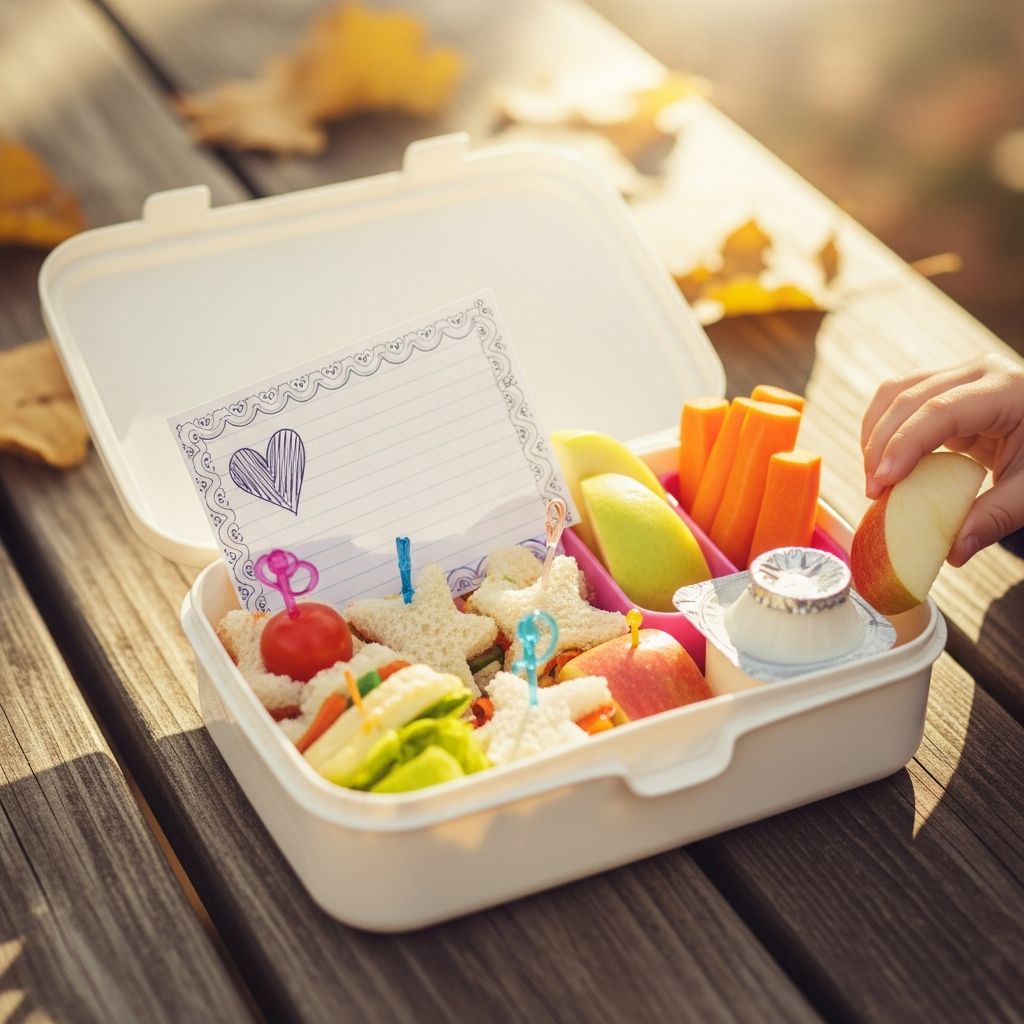
Slipping a small note into your child’s lunchbox is a timeless gesture that packs more than just nutrition—it’s a burst of emotional fuel for their school adventures. These tiny messages can transform a routine meal into a moment of joy, reassurance, and motivation, helping kids navigate challenges with a smile. Whether it’s a quick affirmation, a silly joke, or a thoughtful question, lunchbox notes remind children they are seen, loved, and capable, no matter the distance between home and classroom.
Why Lunchbox Notes Matter for Child Development
Research highlights the profound impact of positive messaging on young minds. Consistent exposure to affirming words helps children internalize self-worth, reducing anxiety and enhancing resilience. For instance, studies from child psychology experts show that daily positive reinforcement correlates with improved academic performance and social skills. During the structured yet stressful environment of school, these notes act as portable hugs, countering peer pressure or tough lessons with reminders of unconditional support.
Beyond emotional benefits, notes encourage healthy eating habits. When kids anticipate a fun surprise alongside their sandwich, lunchtime becomes something to look forward to, promoting mindful consumption over rushed cafeteria chaos. Parents report that children eat more balanced meals when motivated by these personal touches, turning potential battles over veggies into victories.
Essential Ingredients for Impactful Notes
Crafting effective lunchbox notes doesn’t require hours of preparation. Focus on brevity—aim for 10-20 words max—to fit tiny spaces and busy attention spans. Tailor content to your child’s age, interests, and current needs, blending authenticity with creativity for maximum resonance.
- Personalization: Reference a recent achievement, inside joke, or shared memory to make it uniquely theirs.
- Positivity: Use uplifting language that celebrates effort over perfection.
- Variety: Rotate themes weekly to keep the surprise element alive.
- Visual Appeal: Add doodles, stickers, or colors for non-readers or extra flair.
Crafting Affirmations That Build Inner Strength
Affirmations are powerful tools for self-love, rewiring negative self-talk into empowering beliefs. Start simple with phrases like “You are brave and kind” or “I see your amazing effort.” For deeper impact, categorize them to target specific growth areas.
| Category | Example Notes | Benefit |
|---|---|---|
| Self-Worth | “You are enough just as you are.” “Your smile lights up the world.” | Boosts confidence and reduces comparison |
| Resilience | “Mistakes help you grow stronger.” “You’ve got this—one step at a time.” | Encourages perseverance through setbacks |
| Kindness | “Spread your kindness today.” “Being you makes others happy.” | Fosters empathy and social bonds |
| Growth Mindset | “Learning is your superpower.” “Every try is a win.” | Promotes curiosity and effort |
Print batches of these on colorful cardstock, cut into strips, and store in a jar for effortless mornings. Rotate through categories to address weekly themes, like focusing on resilience during test season.
Hilarious Jokes to Spark Lunchtime Laughter
Humor is a universal mood-lifter, especially for kids facing school monotony. Jokes provide shareable icebreakers, helping shy children connect with peers while diffusing stress. Stock up on kid-friendly puns that are groan-worthy yet giggle-inducing.
- What do you call a fake noodle? An impasta!
- Why did the scarecrow win an award? He was outstanding in his field!
- How does the ocean say hello? It waves!
- Why don’t eggs tell jokes? They’d crack up!
- What do you call cheese that isn’t yours? Nacho cheese!
Pair jokes with a prompt like “Share this with a friend and tell me their reaction later!” to extend the fun into family dinnertime discussions. Laughter releases endorphins, scientifically proven to lower cortisol levels and improve focus post-lunch.
Interactive Prompts for Deeper Connections
Go beyond one-way messages by inviting responses. Interactive notes turn passive reading into active engagement, opening doors to meaningful after-school chats.
- Questions: “What’s one thing you’re excited about today?” “Dream job: astronaut or chef? Why?”
- Challenges: “Spot something blue today and tell me about it.” “Draw your dream pet on the back!”
- Games: Mini mazes, word searches, or “Would you rather: pizza or tacos?”
- Trivia: “True or false: Elephants can’t jump. (True!)”
These foster communication skills and emotional intelligence. Teens especially appreciate prompts tied to their hobbies, like music or sports, making notes feel relevant rather than babyish.
Age-Appropriate Strategies for Every Stage
For Toddlers and Preschoolers (Ages 2-5)
Use pictures over words: Draw hearts, stars, or their favorite animals with simple labels like “Big Hug!” Stickers of unicorns or dinosaurs add magic. Focus on security: “Mommy/Daddy loves you always.”
For Elementary Kids (Ages 6-10)
Introduce short affirmations and jokes. Themes around friendship and trying new things resonate, like “Be a superhero friend today!” Include fun facts: “Did you know octopuses have three hearts? You’re one of a kind too!”
For Tweens and Teens (Ages 11+)
Opt for subtle, cool vibes: Quotes from idols, motivational one-liners, or coded messages. Avoid cutesy—try “Crush that test, legend” or “You’re killing it out there.” Interactive elements like playlists or memes work wonders.
Time-Saving Hacks for Busy Parents
Mornings are chaotic, but preparation makes perfection possible.
- Batch-create 20-30 notes on Sundays, themed by day (Motivation Monday, Joke Friday).
- Use apps or printables for ready designs, customizing with a personal scribble.
- Repurpose calendar quotes or family mottos.
- Enlist siblings for note-writing rotations to build family involvement.
For visual learners, laminate notes for reuse or attach tiny charms. Eco-tip: Use seed paper that grows into wildflowers when planted.
Measuring the Magic: Real Parent Stories
One mom shared how her anxious kindergartener’s tears stopped after weeks of “You are safe and strong” notes. A teen dad noted his daughter’s improved lunch consumption and openness about school drama. These anecdotes underscore notes’ role in bridging emotional gaps, backed by surveys showing 85% of kids feel happier with parental surprises in lunches.
Frequently Asked Questions
What if my child thinks notes are embarrassing?
Start small and age-appropriate; for older kids, use humor or hide them cleverly. Gauge reactions and adjust—many grow to love them.
How often should I include notes?
Daily for maximum impact, but even 2-3 times weekly sustains benefits without routine fatigue.
Can notes help picky eaters?
Yes! Pair with fun facts about foods, like “Carrots help you see in the dark like a ninja!” to encourage trying new items.
Are there digital alternatives?
For tech-savvy families, apps send photo notes to school devices, but handwritten feels more personal.
What materials work best?
Waterproof paper, colorful pens, and food-safe stickers ensure durability in insulated bags.
Seasonal and Themed Note Ideas
Align notes with holidays or events for extra excitement:
- Back-to-School: “New year, new wins—you’ve got this!”
- Halloween: “You’re the treat of my life!” + ghost doodle.
- Valentine’s: “Friends forever, love always.”
- Exams: “Brain power activated—ace it!”
Themed weeks (space, animals, superheroes) keep creativity flowing without burnout.
References
- Positive Parenting and Child Development — American Psychological Association. 2023-05-15. https://www.apa.org/topics/parenting
- Child Nutrition and Emotional Well-being — Centers for Disease Control and Prevention (CDC). 2024-02-10. https://www.cdc.gov/healthyschools/nutrition.htm
- Encouraging Positive Self-Talk in Children — Harvard Graduate School of Education. 2023-11-20. https://www.gse.harvard.edu/ideas
- Laughter and Stress Reduction in Youth — National Institute of Mental Health (NIMH). 2024-01-08. https://www.nimh.nih.gov/health/topics
- Adolescent Emotional Support Strategies — U.S. Department of Health and Human Services. 2023-09-12. https://www.hhs.gov/programs
- Family Bonding Through Daily Rituals — Pew Research Center. 2024-03-05. https://www.pewresearch.org/social-trends