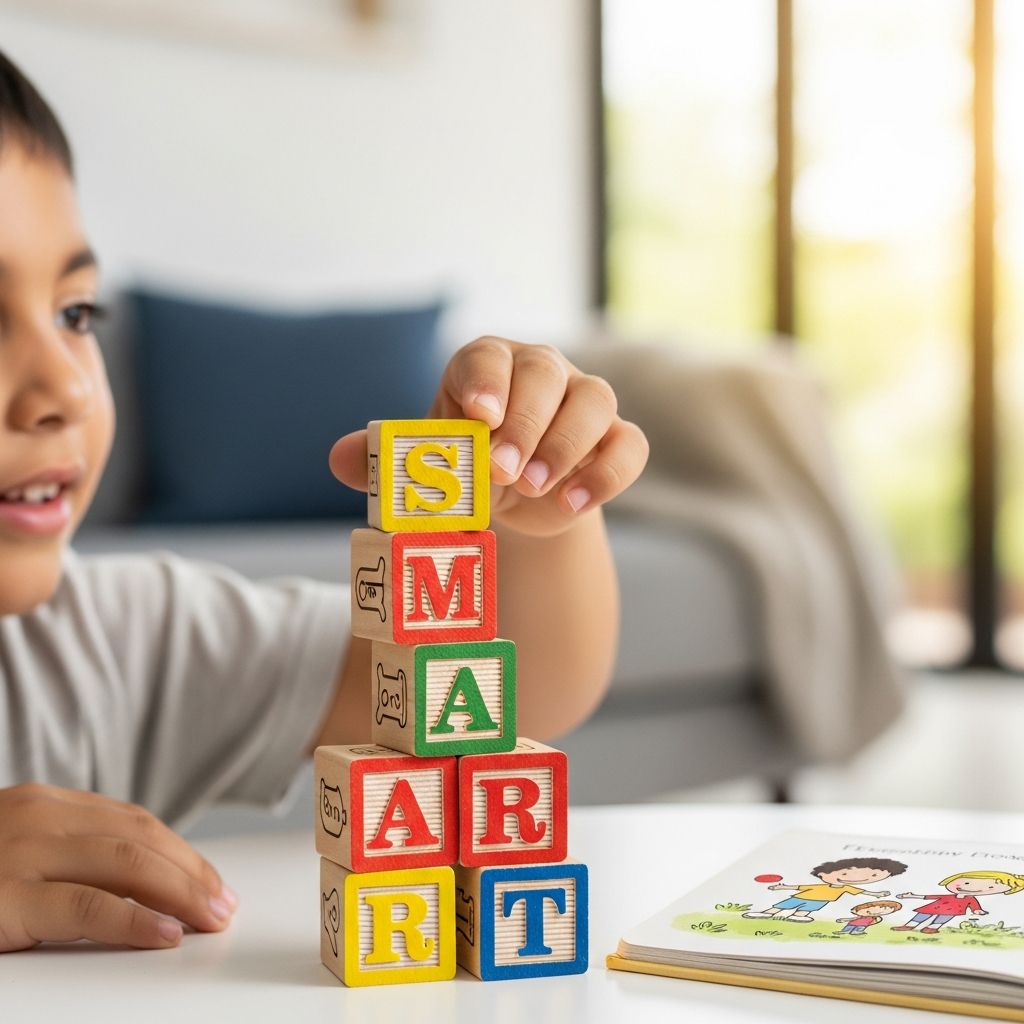
Parenting involves guiding children through challenges with methods that encourage growth rather than resentment. Effective consequences focus on teaching rather than merely punishing, helping kids connect actions to outcomes in meaningful ways. This approach strengthens family dynamics and promotes self-regulation skills essential for lifelong success.
Understanding the Power of Related Consequences
Related consequences directly tie to the misbehavior, making the lesson clear and memorable. Unlike arbitrary punishments, they help children see the impact of their choices, fostering empathy and accountability. Research shows that when consequences align with the offense, children are more likely to internalize positive changes.
For instance, if a child refuses to tidy toys, they might lose access to those toys until the task is completed. This logical link teaches responsibility without escalating into power struggles. Parents report higher compliance rates when using this method consistently.
- Ensure the consequence matches the action for maximum impact.
- Keep it brief to allow quick recovery and practice of better choices.
- Explain the reason calmly to reinforce learning.
Natural Outcomes: Letting Life Teach the Lesson
Natural consequences occur without parental intervention, providing real-world feedback. If a child forgets a jacket on a cold day, they feel chilly—a direct result of their choice. This builds problem-solving skills as kids learn from experience rather than lectures.
These work best for non-dangerous situations. For safety issues, intervene immediately but discuss the potential natural outcome afterward. Over time, children anticipate these results, reducing repeat behaviors.
| Misbehavior | Natural Consequence | Teaching Point |
|---|---|---|
| Forgets homework | Receives school penalty | Importance of preparation |
| Leaves bike outside | Bike gets wet or stolen | Value of care and storage |
| Doesn’t eat dinner | Hungry until breakfast | Planning meals wisely |
Logical Responses in Action: Tailored to Age and Issue
Logical consequences require adult guidance but remain connected to the behavior. For young children, a brief separation from playtime allows reflection. Older kids might practice the correct action repeatedly.
Consider age: Toddlers need short, one-minute-per-year timeouts; school-age children respond to privilege loss like screen time suspension after rude language. Always preserve dignity to maintain trust.
- Identify the behavior violation.
- Select a fitting response, such as practicing politeness after arguing.
- Follow up with praise for improvement.
Creative Ideas to Address Common Challenges
Creativity makes consequences engaging and effective. For backtalk, have the child write positive affirmations about family members. If complaining about food, serve a simple next meal to highlight gratitude.
- Door slamming: Practice gentle closing 20 times.
- Sibling meanness: Write and deliver an apology note.
- Chore avoidance: Redo the task perfectly or forfeit allowance.
- Potty humor: Spend extra time on the toilet reading hygiene facts.
- Late bedtime: Earlier lights-out the following night.
These ideas adapt to family values, ensuring relevance. Involve kids in brainstorming to increase buy-in.
Implementing Consequences Within Family Rules
Strong family rules form the foundation. Co-create rules with children to promote ownership. Link consequences explicitly: “Our rule is kind words; breaking it means a quiet reflection time”.
Consistency is key—apply the same response predictably. Combine with positive reinforcement: praise good days to balance the approach. Track progress in a family chart for motivation.
Age-Appropriate Strategies for Different Stages
Preschoolers (Ages 3-5)
Young children thrive on routine and visuals. Use timers for short breaks and picture charts for rules. Redirect to alternatives first, like offering a different toy during sharing disputes.
School-Age Kids (Ages 6-12)
These children understand logic. Loss of privileges, like no video games after unfinished homework, teaches time management. Encourage them to suggest fair fixes.
Teens (Ages 13+)
Focus on autonomy. Natural consequences like missing social events due to poor grades hit harder. Discuss impacts privately to build reasoning skills.
Combining Positives with Corrective Measures
Consequences alone aren’t enough; pair them with encouragement. Positive attention for good behavior amplifies effects. Start days with specific praise: “I appreciate how you helped your sibling yesterday”.
Use reward systems sparingly for milestones, shifting to intrinsic motivation. Private chats post-misbehavior clarify expectations and plan better choices.
Common Mistakes and How to Avoid Them
Avoid delays—respond promptly for connection. Skip yelling or criticism; focus on actions. Don’t use unrelated punishments like extra chores for lying, as they confuse the lesson.
- Mistake: Inconsistency leads to testing limits.
- Mistake: Overly harsh responses breed rebellion.
- Mistake: Ignoring emotions escalates issues.
Stay calm, breathe, and model desired behavior. If frustrated, pause before acting.
Frequently Asked Questions (FAQs)
What if a consequence doesn’t work immediately?
Patience is essential; behavior change takes repetition. Reinforce with positives and adjust if needed, ensuring it remains related.
Can I involve my child in choosing consequences?
Yes, for older kids—this builds responsibility. Guide them toward logical options during calm family meetings.
How do I handle repeated misbehavior?
Escalate gradually: start with reminders, then consequences, then extended practice. Seek patterns and address root causes like tiredness.
Are consequences better than rewards?
Both have roles; consequences teach accountability, rewards motivate. Balance prevents entitlement.
What about special needs children?
Tailor to abilities—use visuals or shorter durations. Consult professionals for personalized plans.
Long-Term Benefits of Thoughtful Discipline
Children raised with smart consequences develop resilience, empathy, and self-control. Families report fewer conflicts and stronger bonds. Track your journey; celebrate progress together.
Commit to this method for weeks to see shifts. Resources like parenting workshops enhance skills.
References
- Creative Consequences for Kids — Abi Ayres. 2023. https://abiayres.com/blogs/blog/creative-consequences-for-kids
- Consequences & positive child behaviour — Raising Children Network (Australian Government-funded). 2024-10-15. https://raisingchildren.net.au/preschoolers/behaviour/rules-consequences/consequences
- Consequences that Teach Better Behavior (Instead of Punish) — Heidi Songs Blog. 2023. https://heidisongs.blog/consequences-that-teach-better-behavior-instead-of-punish/
- Three Key Logical Consequences in Classroom Management — Responsive Classroom. 2024. https://www.responsiveclassroom.org/three-types-of-logical-consequences/
- 21 Consequences for Kids That Really Work — Not Consumed. 2023. https://www.notconsumed.com/consequences-for-little-hearts/
- Effective discipline for children — National Center for Biotechnology Information (PMC/NIH). 2009-06-30. https://pmc.ncbi.nlm.nih.gov/articles/PMC2719514/