The Scottish Roots of Logan: A Name Rooted in Geography
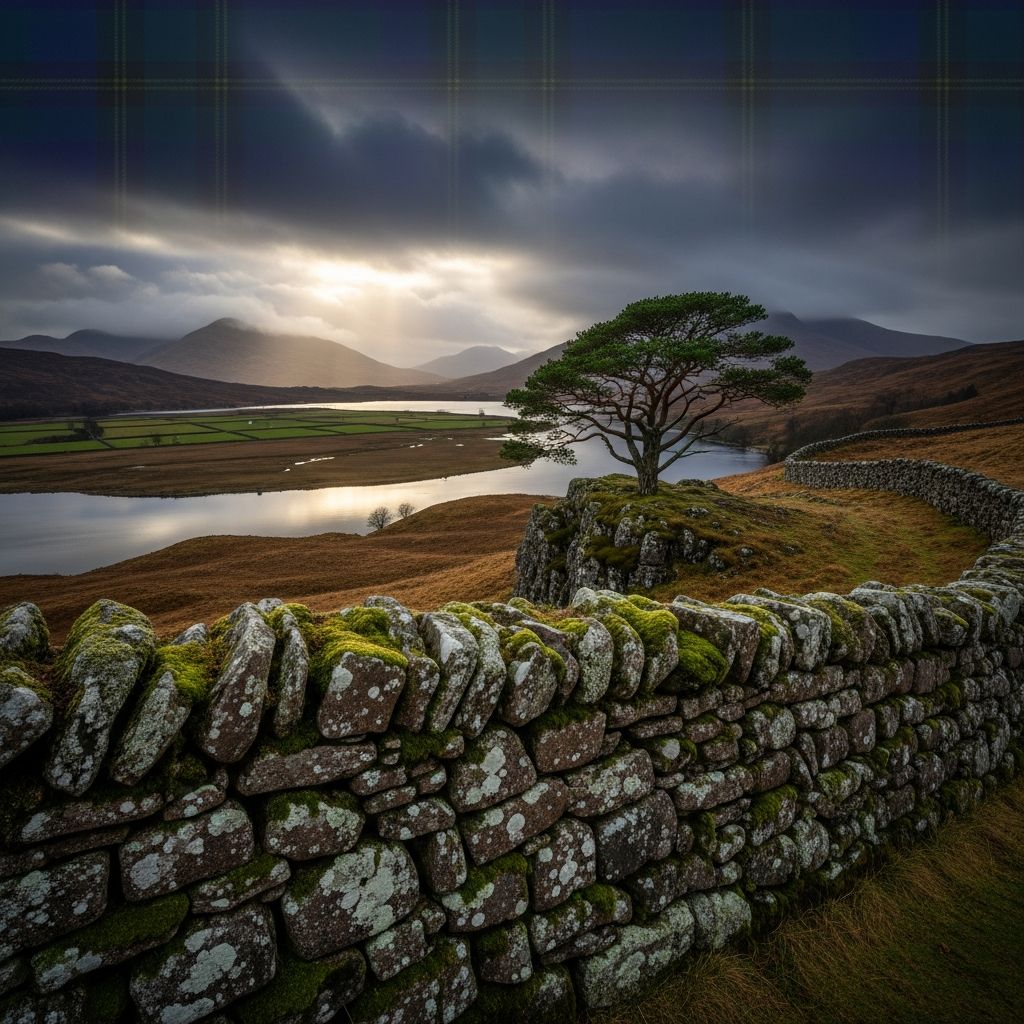
The name Logan carries a distinct Scottish heritage that spans centuries. Unlike many given names that derive from ancient mythologies or religious traditions, Logan emerged directly from the Scottish landscape and naming conventions. The name originated as a Scottish surname, particularly associated with the lands of Logan in Ayrshire, before eventually transitioning into widespread use as a first name. This geographical foundation gives Logan a unique character among modern baby names, as it represents a direct connection to place and ancestry rather than abstract meaning.
The evolution from surname to given name reflects broader naming trends in English-speaking cultures. During the late nineteenth century, surnames increasingly became popular choices for first names, especially in Scotland and later across the United States, Canada, and Australia. This transition allowed families to honor their heritage while creating contemporary-sounding names for their children. Logan benefited particularly from this trend, gaining momentum throughout the twentieth century until it became one of the most recognized names in English-speaking countries.
Linguistic Origins and Etymological Meaning
Logan derives from the Scottish Gaelic word “lagan” or “logan,” which translates to “little hollow” or “small meadow between hills.” This simple yet evocative meaning reflects how Scottish surnames developed. In medieval Scotland, people often received surnames based on their residence or the distinctive geographical features near their homes. If someone lived near a small valley or depression in the landscape, they might be called Logan, essentially meaning “the person from the hollow.”
The Gaelic linguistic roots run deep in Scottish culture, and Logan represents one of many names that maintained connection to the natural world. The word “lag,” which forms the basis of Logan, appears in various Scottish place names and geographical descriptions. Understanding this etymology helps explain why the name carries associations with nature, grounding, and connection to the land—qualities that resonate with modern parents seeking meaningful names for their children.
It is worth noting that Logan’s Irish connections also exist. The surname Logan appears among Irish populations, where it sometimes traces back to the Irish Gaelic name Ó Leoghain. However, much of Logan’s presence in Ireland resulted from Scottish plantations, particularly in Ulster, where Scottish settlers introduced their naming traditions to the region. This demonstrates how names can cross cultural boundaries while maintaining their essential character.
Historical Development and Family Legacy
The Logan family name first appeared prominently in County Westmeath in the Irish Midlands and in various Scottish regions. The surname belonged to septs whose chiefs held authority over territories such as Gailenga Mor, now known as Morgallion. This aristocratic connection meant that Logan carried associations with leadership and status, qualities that influenced how the name was perceived as it transitioned to use as a given name.
As a surname, Logan established strong family associations across Scotland and gradually spread to Ireland and other regions. The name’s connection to specific lands and noble families enhanced its prestige and memorability. When surnames began appearing as first names, Logan already carried these historical weight and cultural significance, making it an appealing choice for families looking to honor their heritage or simply select a name with established roots and connections.
Cultural Evolution: From Historical Surname to Modern First Name
The transition of Logan from exclusively a surname to a widely used given name occurred gradually but accelerated dramatically throughout the twentieth century. As naming conventions evolved and parents sought names that felt both traditional and contemporary, Logan emerged as an ideal choice. The name offered historical authenticity while sounding modern and accessible to speakers of English across different regions.
The late 1990s and early 2000s saw Logan’s popularity surge particularly in North America. This rise coincided with increasing parental interest in names with clear etymological meanings and cultural depth. Parents appreciated that Logan connected to Scottish heritage while remaining gender-flexible and suitable for children of various ages. The name’s relatively simple pronunciation across English-speaking countries and its lack of specific religious or mythological baggage made it universally appealing.
Television, film, and popular culture contributed significantly to Logan’s contemporary popularity. The name appeared in various media productions, creating familiarity and positive associations across generations. This cultural visibility helped cement Logan’s position as a modern name with staying power, not merely a trendy choice destined to fade.
Personality Traits and Symbolic Associations
Beyond its literal meaning, Logan carries symbolic weight that appeals to modern parents. The image of a hollow or valley—a low place nestled between higher ground—suggests qualities of stability, grounding, and connection to fundamentals. Many people associate Logan with traits including reliability, quiet strength, and balanced temperament. These associations stem from the natural imagery embedded in the name’s etymology: a valley is a place of rest, safety, and transition.
In numerological traditions, Logan frequently aligns with the number seven, which traditionally relates to introspection, thoughtfulness, and the pursuit of truth and understanding. People named Logan might be perceived as natural seekers, inclined toward philosophy, analysis, and deeper understanding of the world around them. While such associations remain speculative, they reflect how names shape cultural perception and self-identity.
The personality profile often attributed to Logan includes:
- Strength and loyalty reflected in the name’s historical connection to land and family
- Creativity and ambition combined with a grounded, practical approach
- Intellectual curiosity and thoughtfulness stemming from numerological associations
- Connection to nature and outdoor environments reflecting the geographical origins
- Quiet confidence rather than aggressive assertion
Gender Considerations and Modern Usage
Traditionally, Logan functioned primarily as a masculine name in both the United States and United Kingdom. However, contemporary naming practices have increasingly embraced Logan as a gender-neutral or unisex option. The name’s sound—neither distinctly masculine nor feminine—facilitates this flexibility. Many modern parents view Logan as equally suitable for sons and daughters, reflecting broader cultural shifts toward more fluid gender expression in naming conventions.
Despite its expanding use across gender categories, Logan remains predominantly associated with boys in most English-speaking countries. Statistical data from baby name registries shows consistently higher usage for males, though the female adoption rate has grown incrementally in recent decades. This pattern reflects how established naming conventions persist even as new possibilities emerge.
Global Popularity and Distribution
Logan’s popularity extends far beyond Scotland and Britain, with particularly strong adoption across North America and Australia. In the United States, Logan has maintained consistently high rankings in baby name popularity, reflecting the strong appeal of Scottish and Celtic names in American culture. The name’s simplicity, meaningful etymology, and cinematic appeal have contributed to its sustained popularity across diverse communities.
The name’s geographical distribution patterns reveal interesting cultural trends. Logan’s highest concentrations appear in regions with significant Scottish or Celtic heritage populations, though it has gained popularity across all demographic groups and regions. This suggests that the name’s appeal transcends specific ethnic or cultural boundaries, resonating with parents seeking meaningful, accessible names regardless of their own heritage.
Literary and Pop Culture Influence
The name Logan gained significant cultural momentum through various media appearances. Science fiction and contemporary cinema frequently feature characters named Logan, most notably the wolverine superhero from Marvel comics and related films. These high-profile cultural references created widespread familiarity with the name and associated it with positive attributes including strength, determination, and heroic qualities.
Such cultural visibility matters considerably in name selection. When parents encounter a name repeatedly in respected media, they develop positive associations and feel more confident selecting it for their children. The confluence of Logan’s historical legitimacy and contemporary cultural presence created ideal conditions for its rise in popularity.
Variants and Related Names
Several variants and related names share Logan’s Scottish Gaelic roots or similar meanings. These alternatives provide options for parents drawn to Logan’s essence but seeking slight variation:
- Lagan—the more literal Gaelic spelling of the etymological root
- Lorne—another Scottish name with Gaelic origins
- Loganson or O’Logan—surnames emphasizing family connection
- Modern adaptations using Logan as a middle name or component of compound names
Spiritual and Metaphorical Dimensions
While Logan is not explicitly a spiritual or religious name, it carries metaphorical significance when examined through various lenses. The image of a hollow or valley in biblical and spiritual traditions often represents places of transformation, testing, and growth. Valleys in scriptural contexts frequently mark important transitions or moments of spiritual significance. Though Logan itself does not appear in biblical texts, the underlying imagery connects to broader spiritual themes of humility, foundation, and renewal.
Spiritually minded parents sometimes appreciate how Logan’s meaning emphasizes being grounded and connected to fundamentals. The natural imagery avoids explicitly religious content while maintaining connection to deeper metaphorical traditions about earth, stability, and natural cycles. This quality allows families of various faith traditions to embrace the name comfortably.
Frequently Asked Questions About the Name Logan
What does the name Logan literally mean?
Logan derives from Scottish Gaelic and means “little hollow” or “small meadow between hills.” The name originally described a person who lived near such a geographical feature.
Is Logan primarily a boy’s name or unisex?
Traditionally, Logan functioned as a masculine name and remains predominantly used for boys. However, modern naming practices increasingly embrace it as a unisex option suitable for any gender.
Where did the name Logan originate?
Logan originated in Scotland, emerging from the Scottish Gaelic word “lagan.” The name is particularly associated with lands in Ayrshire before spreading throughout English-speaking countries.
How did Logan transition from a surname to a first name?
During the late nineteenth and twentieth centuries, surnames increasingly became popular choices for first names. Logan benefited from this trend while maintaining its historical authenticity and gaining cultural visibility through media appearances.
Does Logan have biblical origins?
No, Logan is not a biblical name and does not have Hebrew, Greek, or Latin origins. However, the imagery of valleys in biblical contexts connects metaphorically to themes the name evokes.
What personality traits are associated with Logan?
People named Logan are often described as reliable, thoughtful, creative, ambitious, and naturally connected to nature. These associations stem from the name’s geographical etymology and numerological alignments.
How popular is Logan today?
Logan has maintained consistently high popularity rankings in North America and other English-speaking countries, reflecting its broad appeal across diverse communities and demographics.
Choosing Logan: What Modern Parents Should Know
For families considering Logan as a name for their child, understanding its roots enriches the selection process. The name carries genuine historical authenticity, meaningful etymology, and positive cultural associations without being trendy or ephemeral. It functions well across gender categories, ages, and life stages, growing naturally from a baby through adulthood.
Logan offers the combination of being familiar enough to feel comfortable while distinctive enough to feel special. The name’s Scottish heritage appeals to families seeking connection to Celtic traditions, while its modern usage ensures it feels contemporary and accessible. Parents drawn to names with clear meanings, historical depth, and natural imagery often find Logan particularly appealing.
The name also performs well practically—it is easy to spell, pronounce consistently across different regions, and does not carry baggage of being associated with any particular era, making it less likely to become dated. These practical considerations, combined with its meaningful etymology and positive associations, explain much of Logan’s sustained popularity.
References
- Logan History, Family Crest & Coats of Arms — House of Names. Accessed 2026-01-16. https://www.houseofnames.com/logan-family-crest
- Logan: Name Meaning, Origins, Spiritual Insight, and 10 Nicknames — Infinite Spiritual. Accessed 2026-01-16. https://infinitespiritual.com/logan-name-meaning/
- Logan Baby Name Meaning, Origin, Popularity Insights — Momcozy. Accessed 2026-01-16. https://momcozy.com/blogs/baby-names/logan
- Logan – Baby Name Meaning, Origin and Popularity — The Bump. Accessed 2026-01-16. https://www.thebump.com/b/logan-baby-name
- Logan: Meaning and Origin of First Name — Ancestry.com. Accessed 2026-01-16. https://ir.ancestry.com/first-name-meaning/Logan