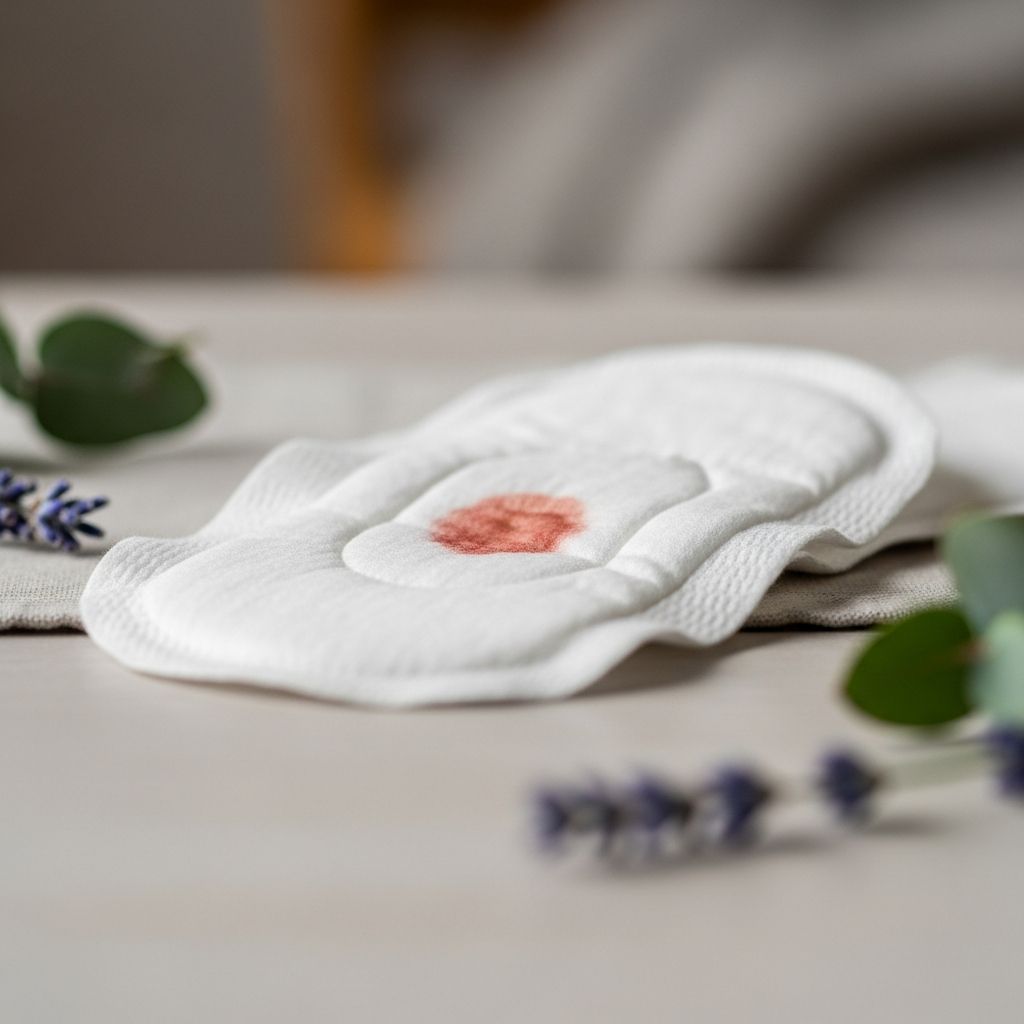
After giving birth, whether vaginally or via cesarean section, the body initiates a healing process that involves significant vaginal discharge known as lochia. This discharge consists of blood, mucus, and uterine tissue shed as the uterus contracts back to its pre-pregnancy size. Understanding lochia helps new mothers navigate recovery confidently.
The Science Behind Postpartum Bleeding
The uterus expands dramatically during pregnancy to accommodate the growing baby and placenta. Post-delivery, the placental attachment site—roughly the size of a dinner plate—forms an open wound that must heal. Lochia expels blood, remnants of the uterine lining, and other materials from this site, aiding contraction and preventing infection buildup.
Uterine involution, the shrinking process, is driven by hormones like oxytocin, especially elevated during breastfeeding. This natural mechanism expels lochia while reducing bleeding over time. Typically, flow is heaviest immediately postpartum and tapers off, lasting 4-6 weeks, though up to 12 weeks in some cases.
Stages of Lochia: A Timeline of Changes
Lochia progresses through distinct phases, each marked by changes in color, consistency, and volume. Recognizing these helps distinguish normal recovery from potential issues.
- Lochia Rubra (Days 1-4): Bright red blood dominates, resembling a heavy period with small clots. This phase sheds most red blood cells and tissue; pads may need changing hourly initially.
- Lochia Serosa (Days 4-10 or up to 3 weeks): Discharge lightens to pinkish-brown or watery red, with more fluid and fewer clots. It signals ongoing healing as blood content decreases.
- Lochia Alba (Week 3-6 or longer): Pale yellow or white mucus-like discharge prevails, composed mainly of white blood cells and bacteria-fighting fluids. Flow is minimal and intermittent.
These stages can overlap or vary by individual factors like delivery method or parity.
Factors Influencing Lochia Patterns
Not every mother’s experience mirrors the textbook timeline. Several variables affect lochia’s intensity and duration:
| Factor | Impact on Lochia | Example |
|---|---|---|
| Delivery Type | Vaginal births often start heavier | C-section may delay peak flow |
| Multiple Births | Increased volume and duration | Twins lead to larger placental site |
| Breastfeeding | Faster resolution via oxytocin | Contractions reduce bleeding quicker |
| Prior Pregnancies | Potentially heavier flow | Multiparas shed more tissue |
| Uterine Conditions | Prolonged or irregular | Fibroids may extend discharge |
Activity levels, such as morning routines or exercise, can temporarily increase flow due to gravity and movement.
Managing Daily Life with Lochia
Practical hygiene is crucial during recovery to minimize infection risk, as the healing uterus remains vulnerable.
- Use maxi pads only—avoid tampons, cups, or douching, which introduce bacteria.
- Change pads frequently, especially when breastfeeding or active, to stay dry and odor-free.
- Opt for breathable cotton underwear; shower daily with gentle soap.
- Track flow with a pad-saturation log to monitor progress or changes.
Rest is vital—limit lifting and stairs initially. Breastfeeding promotes healing, but empty the bladder regularly to aid uterine contraction.
Recognizing Abnormal Postpartum Bleeding
While variability exists, certain signs demand immediate care to rule out complications like postpartum hemorrhage (PPH) or infection.
- Heavy Bleeding: Soaking a pad hourly for several hours or passing golf-ball-sized clots.
- Foul Odor: Indicates possible endometritis (uterine infection).
- Prolonged Duration: Bright red blood beyond 2 weeks or total flow over 8 weeks.
- Accompanying Symptoms: Fever over 100.4°F, chills, severe cramps, dizziness, rapid heartbeat, or blurred vision.
Primary PPH occurs within 24 hours of birth, often from uterine atony (poor contraction). Secondary PPH (days 24+) links to retained tissue or infection.
Postpartum Hemorrhage: Risks and Prevention
PPH affects about 1-5% of births, posing serious risks if untreated. Risk factors include prolonged labor, C-sections, multiples, anemia, or preeclampsia.
Prevention involves proactive monitoring: healthcare providers assess blood loss at delivery and check uterine tone. Postpartum, patients receive oxytocin to enhance contractions. Awareness empowers mothers—report concerning symptoms promptly.
Long-Term Recovery and When to Follow Up
By 6 weeks, most lochia resolves, aligning with the typical postpartum checkup. However, spotting may persist, especially with physical exertion. Maintain follow-ups if breastfeeding delays return of menses or if irregularities occur.
Nutrition supports healing: iron-rich foods combat blood loss, while hydration prevents constipation straining incisions. Pelvic floor exercises (Kegels) start gently after clearance.
Frequently Asked Questions About Postpartum Lochia
Is lochia the same after vaginal and C-section births?
Yes, lochia occurs regardless of delivery method, though C-section patients may notice lighter initial flow due to surgical control of bleeding.
How much bleeding is too much?
If you soak a pad in under an hour for 2+ hours, pass large clots, or feel faint, seek emergency care immediately.
Can exercise affect lochia?
Yes, activity like walking can increase temporary flow, but avoid strenuous efforts until cleared by your provider.
Does breastfeeding shorten lochia?
Often yes, as suckling triggers oxytocin for stronger uterine contractions.
What if lochia smells bad or I have fever?
Contact your midwife or doctor promptly—these suggest infection needing antibiotics.
Empowering Your Postpartum Journey
Lochia marks the body’s remarkable return to baseline, but vigilance ensures safety. Partner with your healthcare team, trust your instincts, and celebrate each healing milestone. With knowledge, new mothers can focus on bonding amid recovery.
References
- Heavy bleeding after birth (postpartum haemorrhage) — Royal College of Obstetricians and Gynaecologists (RCOG). 2023. https://www.rcog.org.uk/for-the-public/browse-our-patient-information/heavy-bleeding-after-birth-postpartum-haemorrhage/
- Bump & Beyond | Postpartum Bleeding — Infirmary Health. 2025-01. https://www.infirmaryhealth.org/news-education/2025/january/bump-beyond-postpartum-bleeding/
- Postpartum bleeding: What’s normal and what’s not — Baylor Scott & White Health. Accessed 2026. https://www.bswhealth.com/blog/postpartum-bleeding-whats-normal-whats-not
- Lochia or Postpartum Bleeding — Colorado Women’s Health. Accessed 2026. https://obgyn.coloradowomenshealth.com/blog/lochia
- Understanding Postpartum Bleeding — Raleigh OB/GYN Centre. Accessed 2026. https://www.raleighob.com/understanding-postpartum-bleeding/
- Postpartum Care of the New Mother — StatPearls, NCBI Bookshelf. 2023. https://www.ncbi.nlm.nih.gov/books/NBK565875/