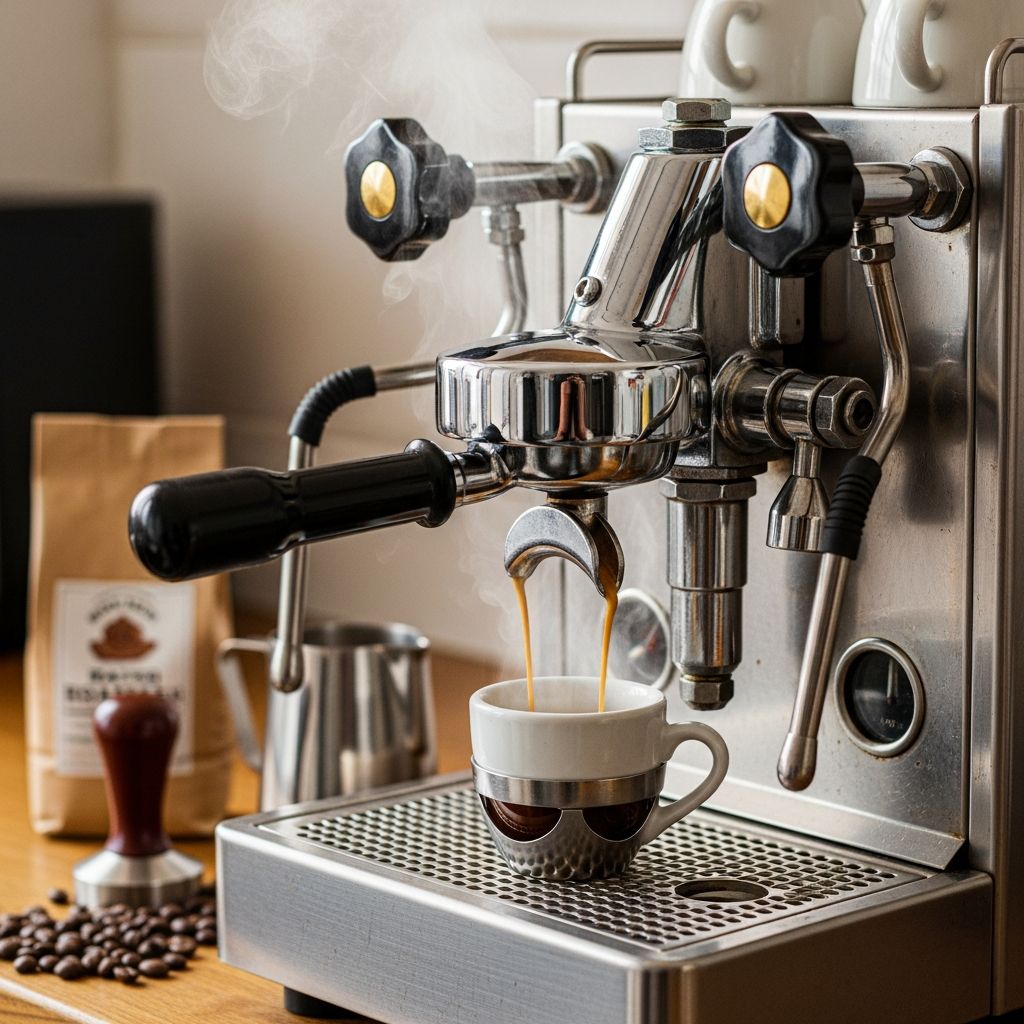
There is something undeniably seductive about a gleaming espresso machine on the kitchen counter. The chrome, the knobs, the promise of rich, café-style shots at home can make even a casual coffee drinker start fantasizing about becoming a home barista. But owning a classic, design-forward machine is not at all the same as admiring one in a showroom photo.
This article takes an honest, story-driven look at life with a stylish, semi-automatic espresso machine similar in spirit to the Francis Francis X5. You will not find a technical review or a ranking of models here. Instead, you will get a realistic picture of the daily routines, small frustrations, and quiet joys that come with committing part of your countertop — and part of your personality — to a serious espresso setup.
Why Design-Lovers Fall for Iconic Espresso Machines
Some people buy an espresso machine because they need caffeine quickly. Others buy one because they also want a piece of functional art. Classic, retro-inspired machines with bold colors and sculpted silhouettes fill a very specific niche: they are as much decorative object as kitchen tool.
- Visual impact: A brightly colored metal chassis and exposed portafilter can anchor the entire aesthetic of a kitchen.
- Material appeal: Heavy metal, chunky switches, and analog dials feel reassuringly mechanical in a world of plastic pods.
- Emotional pull: A design-forward machine often feels like a reward — for a new home, a new job, or surviving months of bad takeout coffee.
Researchers have noted that people form strong emotional attachments to everyday objects that reflect their identity, especially in domestic environments. A distinctive espresso machine can become a small ritual altar to adult life: mornings start here, guests gather here, and the person who operates it quietly feels just a little bit impressive.
The First Week: Unboxing Euphoria and Countertop Reality
Unboxing a substantial espresso machine can feel oddly ceremonial. The weight of the machine, the careful packaging, the included accessories — all of it hints that you have graduated from casual coffee drinker to someone who owns equipment.
But that romance collides with reality quickly, usually in three areas:
- Space: Machines with a solid metal body, external portafilter, and steam wand demand permanent counter space. They are not the type of appliance you casually move in and out of cabinets.
- Cord and outlet placement: You may find yourself rearranging other appliances or losing your favorite prep area to accommodate the machine’s footprint.
- Visual clutter: The machine, the tamper, the knock box, the grinder (if separate), and the bags of beans quickly turn one tidy corner into a miniature café.
None of these are deal-breakers, but they mark the first moment when you realize that this is not just a coffee maker; it is a lifestyle object that your kitchen now revolves around.
Learning Curve: From Button-Pusher to Home Barista
Modern pod systems reduce espresso to a single button. Classic semi-automatic machines expect more of you. That is both their charm and their challenge. According to specialty coffee educators, espresso is one of the most technique-dependent brewing methods: changes in grind size, dose, tamping pressure, and water temperature all affect the shot dramatically.
With a semi-automatic machine you will quickly encounter:
- Pre-heat time: Many home machines need several minutes to reach stable brewing temperature, particularly if they have a traditional boiler rather than an instant-heat thermoblock.
- Grind sensitivity: If you use a separate grinder, micro-adjustments can mean the difference between a sour, under-extracted shot and a harsh, over-extracted one.
- Tamping ritual: Leveling and compressing the coffee puck evenly becomes a tiny daily skill you either learn to enjoy or resent.
- Milk steaming technique: Producing velvety microfoam for lattes takes practice; your first attempts may be more soap suds than silk.
For some people, this is pure fun — a hobby disguised as a beverage. For others, the need to think before they have had caffeine is a deal-breaker. Being honest about which group you belong to is essential before investing in a machine that expects you to participate in the brewing process.
Daily Life with a Semi-Automatic Machine
Once the novelty fades and you know where the machine will live, daily life settles into a predictable series of steps. On a typical morning, you might:
- Switch the machine on and wait while it warms up.
- Grind beans or load pre-ground coffee into the portafilter (if your machine allows it).
- Tamp the coffee and lock the portafilter into place.
- Pull a shot while watching the flow and timing.
- Steam milk if you drink lattes or cappuccinos.
- Knock out the used puck, wipe the wand, and flush the group head.
When everything goes right, this process is deeply satisfying. When you are running late or dealing with a crying baby, it can feel like a needlessly complicated obstacle between you and caffeine. Many owners develop a rhythm of using the machine joyfully on weekends or slow mornings and relying on simpler brewers (like drip or pour-over) on chaotic weekdays.
What Espresso Machines Give You That Pod Systems Don’t
Even with the learning curve, there are reasons home baristas persist with more involved machines instead of defaulting to pods or capsules. Compared with capsule-based systems, a traditional machine and grinder allow for:
| Aspect | Semi-Automatic Machine | Pod/Capsule System |
|---|---|---|
| Flavor control | Adjust grind, dose, and time for nuanced shots | Fixed recipe; limited control |
| Bean choice | Use any freshly roasted coffee you like | Locked into compatible pods |
| Long-term cost | Higher upfront, lower per-shot cost with beans | Lower upfront, higher per-pod recurring cost |
| Environmental impact | Mostly compostable grounds and recyclable bags | Single-use pods generate more packaging waste |
| Ritual & satisfaction | Hands-on, craft-like process | Fast, convenient, less involvement |
If your favorite part of café coffee is watching the barista work, tamp, steam, and wipe down the machine, a traditional home espresso setup attempts to bring that entire experience — not just the flavor — into your kitchen.
Behind the Aesthetics: Noise, Heat, and Maintenance
Design-forward espresso machines look calm and composed, but using them reveals their more industrial side.
- Pump noise: Vibration pumps on many home machines emit a distinctive mechanical hum when building pressure.
- Heat: The boiler, group head, and metal body radiate warmth. This is great in winter, less charming in a small, un-air-conditioned kitchen in summer.
- Moisture and splatter: Back-flushing the group, purging the steam wand, and occasional channeling during shots can create an ongoing need for quick wipe-downs.
The technical side also includes regular maintenance:
- Descaling: Manufacturers and water-quality experts recommend periodic descaling to remove mineral buildup, especially in hard-water areas.
- Back-flushing: Many machines require detergent back-flush routines to keep the internal valves and group head clean.
- Gasket and basket upkeep: Group gaskets, shower screens, and portafilter baskets may need occasional replacement or deep cleaning over the years.
None of this is glamorous, and it often sits in tension with the machine’s glamorous appearance. Some owners find the maintenance meditative; others feel betrayed that their beautiful, sculptural object behaves like any other appliance behind the scenes.
Cost Considerations Beyond the Sticker Price
The initial price of a decorative semi-automatic machine is only part of the financial story. Specialty coffee retailers emphasize that budgeting for a good grinder and accessories is essential for the machine to perform well.
When considering the total picture, factor in:
- Grinder: A quality burr grinder designed for espresso can cost a few hundred dollars on its own.
- Accessories: Tamper, milk pitcher, knock box, scale, and cleaning supplies may not be included.
- Beans: Using freshly roasted beans from local roasters or specialty shops is more expensive than supermarket coffee but usually offers better results.
- Service: Out-of-warranty repairs or shipping a heavy machine to a service center can be costly.
Over time, the cost of beans may still compare favorably to daily café visits, particularly for households that drink multiple espresso-based beverages per day. However, it is wise to see the machine as the start of a coffee ecosystem rather than a standalone purchase.
Who Thrives with a Classic Espresso Machine — and Who Doesn’t
Not everyone who loves the look of a design-heavy machine will love living with it. You are more likely to be happy with a semi-automatic espresso setup if you:
- Enjoy learning tactile skills and don’t mind a bit of trial and error.
- Like the idea of a morning ritual that takes five to ten minutes instead of two.
- Care about aesthetics and want your kitchen to have a focal point.
- Are comfortable with routine cleaning and occasional maintenance tasks.
- See coffee as a hobby, not just fuel.
You may be happier with a different style of machine (such as a super-automatic or a pod system) if you:
- Frequently rush out the door and resent any delays before your first cup.
- Dislike appliance noise early in the morning.
- Have very limited counter space and prioritize flexibility over permanence.
- Prefer predictable, consistent results without needing to adjust grind or timing.
There is no moral high ground here. A beautifully engineered machine that doesn’t align with your habits will become an expensive statue. A simple pod brewer that reliably gives you a drink you enjoy may fit your life far better.
How to Decide If a Design-Forward Machine Fits Your Life
Before taking the plunge, it can help to walk through a short self-assessment. Ask yourself:
- How often do I drink espresso-based beverages? If you only crave a cappuccino once a week, a large machine may not make sense.
- Can I dedicate permanent counter space? Measure the machine’s footprint and mock it out with a cardboard box for a week to see how it feels.
- Am I willing to learn and practice? Watch a few espresso technique videos and ask whether you feel curious or tired.
- Do I have the budget for a grinder and accessories? If not, consider a machine with a built-in grinder or a different brewing method.
- How sensitive am I to noise and heat? Imagine those factors on busy mornings or in warmer months.
There is a real thrill in committing to a machine that can grow with your skills. Over time you may experiment with different beans, shot ratios, and milk textures, learning to coax out flavors you never realized coffee could hold. But that thrill only lasts if the underlying routines fit comfortably into your day-to-day life.
Simple Ways to Make Ownership More Enjoyable
If you decide that a classic espresso machine belongs in your kitchen, a few habits can dramatically improve your long-term satisfaction:
- Create a coffee station: Group your machine, grinder, beans, and accessories on a tray or dedicated shelf to reduce visual clutter and make cleanup easier.
- Use a timer or smart plug: If compatible and safe for your model, consider a timer to pre-warm the machine before you wake up, so it is ready when you reach the kitchen.
- Adopt a quick post-shot routine: A 60-second habit of knocking out the puck, wiping the wand, and doing a brief flush keeps problems from piling up.
- Schedule maintenance: Set calendar reminders for descaling and deeper cleaning based on your water hardness and usage.
- Teach household members: Share the skills and responsibilities so the machine does not become one person’s burden.
Frequently Asked Questions (FAQs)
Q: Do I need a separate grinder for a semi-automatic espresso machine?
A: In most cases, yes. Many design-forward semi-automatic machines do not include a built-in grinder, and freshly ground coffee is crucial for good espresso. Specialty retailers recommend budgeting separately for a quality burr grinder designed for espresso.
Q: Are classic espresso machines harder to use than pod systems?
A: They require more steps and more user input. You must control grind size, dose, tamping, and shot timing, while pod systems handle all of that internally. The trade-off is that traditional machines offer far more control over flavor and the overall experience.
Q: How much time does it take to make a drink?
A: Once you are comfortable with your routine, you can typically pull a shot and steam milk in about five minutes, including quick cleanup. You will also need to account for warm-up time, which can range from a couple of minutes to more, depending on the boiler design.
Q: Will a semi-automatic machine save me money compared with buying café drinks?
A: Over the long term, it often can, especially for households that drink multiple espresso-based beverages daily. Beans are usually cheaper per serving than café drinks, though you must factor in equipment, maintenance, and occasional repairs.
Q: What if I mostly drink drip coffee?
A: If your daily routine centers on larger mugs of straightforward coffee, you may get more value from an excellent drip machine or manual brewer, maybe paired with occasional café espresso. A dedicated semi-automatic setup makes the most sense when espresso and milk drinks are your primary love.
References
- Emotional Attachment and Consumers’ Relationship with Possessions — Russell W. Belk. 1988-09-01. https://doi.org/10.1177/053901888027003001
- How to Buy Your First Espresso Machine — Seattle Coffee Gear. 2024-02-05. https://www.seattlecoffeegear.com/blogs/scg-blog/how-to-buy-your-first-espresso-machine
- The Top Espresso Machines for the Burgeoning Home-Barista — Coffee Chronicler. 2023-11-10. https://coffeechronicler.com/gear/espresso-machines/
- New to Home Espresso? Start Here — CoffeeGeek. 2023-08-14. https://coffeegeek.com/blog/beginners/new-to-home-espresso-start-here/
- Hardness in Drinking-water — World Health Organization. 2011-01-01. https://www.who.int/water_sanitation_health/dwq/chemicals/hardness.pdf
- Top 15 Features to Look for When Buying an Espresso Machine — Coffee Bros. 2024-04-22. https://coffeebros.com/blogs/coffee/what-to-look-for-when-buying-an-espresso-machine
- How To Pick an Espresso Machine by Type — Whole Latte Love (YouTube). 2023-06-30. https://www.youtube.com/watch?v=JPmG4wjdUc8