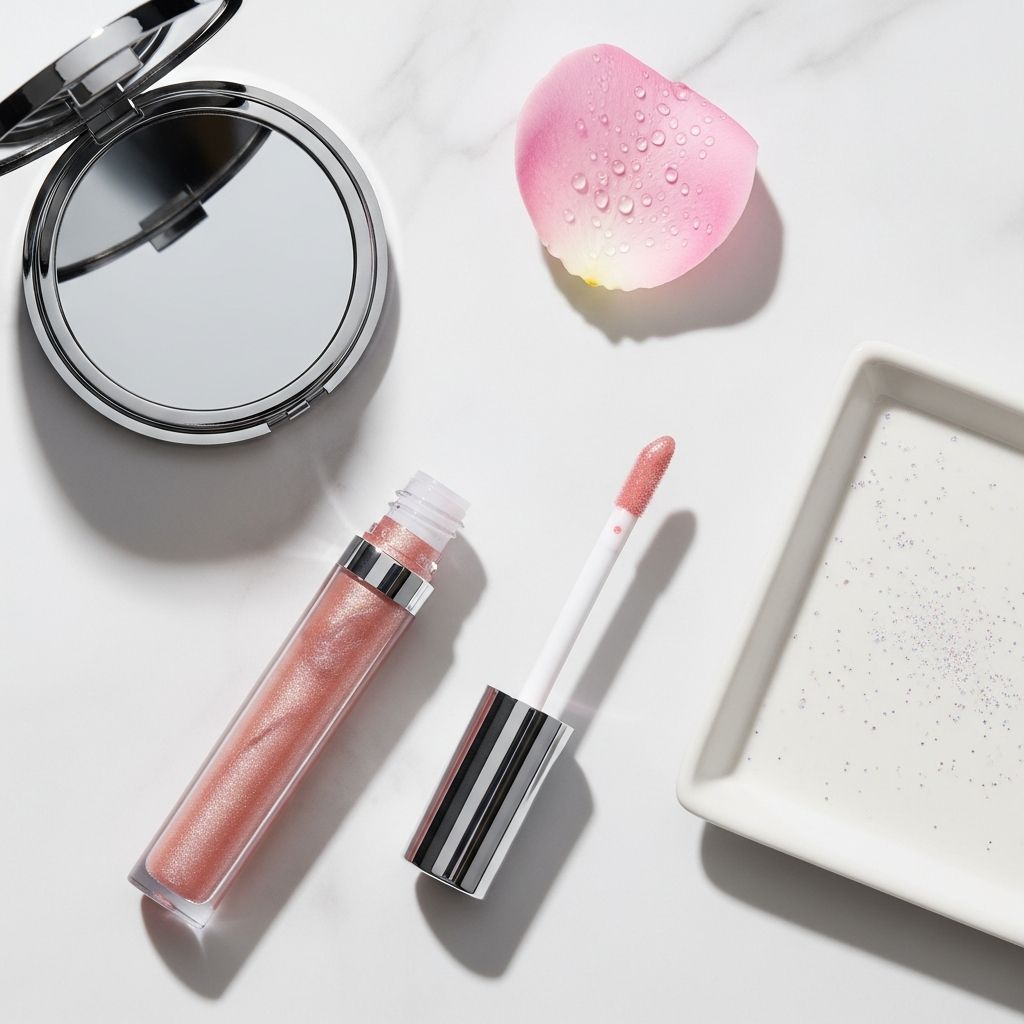
Lip gloss has evolved from a sticky teenage throwback into a sophisticated, skincare-inspired product that can hydrate, protect, and enhance the lips in a single swipe.
Today’s formulas go far beyond basic shimmer, blending nourishing oils, humectants, and even peptides to support softer, smoother, and sometimes fuller-looking lips.
Why Lip Gloss Is Back in Every Makeup Bag
After years of matte lip dominance, many people are rediscovering gloss because it offers comfort, flexibility, and a fresher, healthier-looking finish.
Modern glosses provide shine and subtle color while delivering moisture and acting as an easier, lower-maintenance alternative to highly pigmented lipsticks.
The Core Benefits of Lip Gloss
- Instant dimension: The reflective finish makes lips look fuller and more defined without complicated techniques.
- Moisturizing support: Many glosses include emollients and humectants that help keep lips soft and reduce visible dryness.
- Quick polish: A single layer can make a bare face look more awake and put-together in seconds.
- Buildable color: Sheer tints can be layered over liners or lipsticks to customize intensity and undertone.
Lip Gloss vs Lip Balm vs Lip Oil
Lip gloss usually sits at the intersection of makeup and basic care, while balms and oils are often marketed primarily as treatment products.
Understanding how these categories differ helps you decide when to reach for each one and how to combine them for maximum comfort and shine.
Key Differences at a Glance
| Product type | Main purpose | Feel & finish | Typical benefits |
|---|---|---|---|
| Lip gloss | Cosmetic shine and color, sometimes light hydration. | Glossy, can be slightly tacky or cushy depending on formula. | Enhances volume visually, adds polish, may offer surface moisture or SPF in some formulas. |
| Lip balm | Protects and cushions lips, locks in moisture. | Creamy or waxy, usually low-shine or semi-matte. | Prevents chapping, shields from wind and cold, often used as a base layer. |
| Lip oil | Skincare-first hydration with a glossy look. | Lightweight, slick, high-shine but less sticky than many glosses. | Deep moisture, smoother texture, support for barrier and fine lines over time. |
How to Layer Them for Best Results
- Comfort-first routine: Start with balm to cushion and protect, add a thin layer of lip oil for deeper hydration, then top with gloss where you want the most shine.
- Makeup-first routine: Use a hydrating oil or balm overnight and before makeup, then apply a less-sticky gloss during the day to avoid buildup.
What’s Really Inside Modern Lip Gloss
Ingredients in gloss formulas vary widely, but most combine film-forming agents for shine, emollients for slip, and pigments or pearls for color and reflection.
Newer options often add skincare-style actives to address concerns like dryness, fine lines, and loss of volume in the lip area.
Hydrating and Comfort Ingredients
- Plant oils: Jojoba, avocado, sunflower seed, and castor oils are often included to soften lips and help prevent moisture loss.
- Butters and waxes: Shea butter and similar ingredients create a cushioning feel and help the gloss stay in place.
- Hyaluronic acid and humectants: These draw water into the surface layers of the lips, improving smoothness and the look of fine lines.
Visible Enhancement Ingredients
- Light-reflecting particles: Pearlescent or micro-shimmer pigments create a multidimensional glow without obvious glitter.
- Peptides: Some glosses include peptide complexes to support collagen and help lips appear fuller over time.
- SPF filters: Selected formulas offer UVA and UVB protection to help defend against burning and photoaging on the lips.
How to Choose the Right Lip Gloss for You
Selecting a gloss that truly works for you means balancing finish, feel, and ingredient profile instead of just going by shade alone.
Consider your main goal: shine, comfort, care, or color payoff, then filter products based on texture and formula claims.
Questions to Ask Before You Buy
- Is my priority long-lasting shine, or do I care more about moisture and comfort throughout the day?
- Do I prefer a cushiony, plush texture or something barely-there and non-sticky?
- Am I sensitive to fragrance or certain dyes, and do I need a simpler ingredient list?
- Will I wear this alone, or mostly layered over other lip products?
Finish and Coverage Options
- Clear gloss: Ideal for a fresh, minimal look or as a topcoat over lip liner and lipstick to add shine without changing color.
- Sheer tinted gloss: Offers a hint of color while still allowing the natural lip tone to show through for an easy, everyday look.
- Opaque or high-pigment gloss: Functions closer to a liquid lipstick with noticeable color plus a reflective finish.
- Shimmer or pearl formulas: Increase dimension and give the illusion of fuller lips by catching the light.
Natural and “Clean” Lip Gloss Options
For those concerned about synthetic dyes, fragrances, or certain petroleum-derived ingredients, there are many glosses marketed as natural or clean.
These formulas typically highlight plant-based oils, butters, and waxes, and may avoid specific preservatives or fragrance components that commonly trigger irritation.
Why Natural Ingredients Appeal to Many Users
- Gentler on sensitive lips: Fewer synthetic additives and common irritants can mean less stinging or dryness for reactive skin.
- Skincare-style nourishment: Ingredients like shea butter, vitamin E, and botanical oils help moisturize, soften, and smooth the lip surface.
- Comfortable texture: Natural oil-rich glosses often aim to be glossy but not overly sticky, which improves all-day wear.
Day-to-Day Application Tips for Better Wear
How gloss looks and lasts depends not just on the formula, but also on how it’s applied and layered with other products.
A few small tweaks to your routine can significantly improve both comfort and longevity, especially if you tend to struggle with feathering or uneven wear.
Step-by-Step: A Practical Lip Gloss Routine
- Prep with gentle exfoliation: Use a soft washcloth or a mild lip scrub once or twice a week to remove flakes, which helps gloss sit more evenly.
- Hydrate first: Apply a thin layer of balm or a light lip oil and let it sink in before reaching for gloss, especially if your lips are very dry.
- Define with liner (optional): Outline and lightly fill in the lips with a close-to-natural liner to create a base that anchors gloss and reduces feathering.
- Apply gloss strategically: Concentrate most of the product in the center of the lips and blend outward to avoid excessive buildup at the edges.
- Touch up thoughtfully: Blot lightly with tissue if the gloss feels heavy, then reapply a small amount rather than piling on multiple thick layers.
Making Lip Gloss Part of a Full Lip Care Routine
Lip gloss works best when it complements, rather than replaces, a consistent routine focused on hydration and protection.
Thinking of gloss as the finishing step—rather than the only step—helps maintain lip comfort even if you wear shine daily.
Basic Lip Care Checklist
- Daily moisture: Use a nourishing balm or lip oil throughout the day and before bed to maintain a soft, flexible surface for gloss.
- Sun protection: Incorporate an SPF lip product during the day, especially if you spend time outdoors, to reduce burn and photoaging risk.
- Overnight repair: Consider a richer lip mask in the evening so lips feel restored and ready for gloss the next morning.
Frequently Asked Questions About Lip Gloss
Is lip gloss bad for dry lips?
Gloss itself is not automatically bad for dry lips, but some older or very simple formulas mainly provide shine without meaningful hydration, which can leave dryness unchanged.
Choosing a gloss that includes oils, humectants, or butters—and pairing it with regular use of balm or oil—can actually improve comfort for dry lips over time.
Can lip gloss make lips look fuller without injections?
Gloss enhances the look of fullness by reflecting light, softening edges, and adding dimension, which can make lips appear plumper even without specialized plumping ingredients.
Some formulas also include peptides or gentle plumping agents that help smooth lines and visually boost volume with repeated use.
What if I dislike sticky textures?
If stickiness is the main issue, look for non-tacky or oil-based glosses marketed as lightweight or serum-like, which are often formulated for a smoother feel.
Lip oils and hybrid oil-gloss products can deliver similar shine to classic gloss with a silkier, less adhesive finish.
Is natural lip gloss always safer?
Natural or clean-labeled glosses often avoid certain synthetic components, which can be helpful for people with known sensitivities, but any ingredient—natural or synthetic—can potentially cause a reaction.
The most reliable approach is to check the full ingredient list, patch-test new products when possible, and prioritize formulas designed for sensitive lips.
How often can I reapply lip gloss?
Gloss can usually be reapplied several times a day, but if you find yourself touching up constantly, it may help to layer over liner or a conditioning base to extend wear.
Taking occasional breaks to apply a more intensive balm or lip oil can also keep your lips from feeling overworked by repeated cosmetic layers.
Final Thoughts on Choosing Your Signature Shine
Today’s lip gloss landscape offers options for nearly every preference, from ultra-glossy and high-pigment to sheer, natural, and treatment-focused formulas.
By paying attention to texture, ingredients, and how you layer gloss with balms and oils, you can enjoy a polished, luminous finish that supports lip comfort and health, not just surface-level shine.