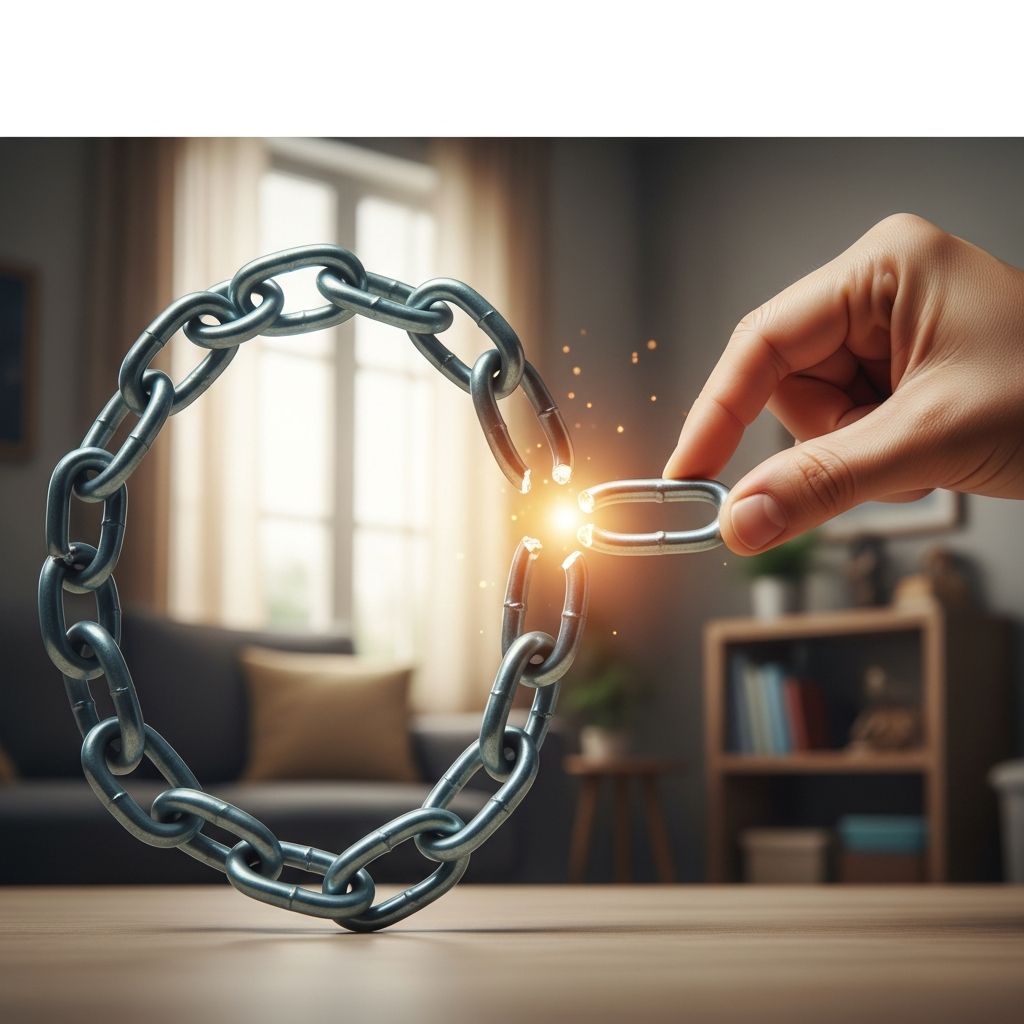
Divorce marks a profound turning point for fathers, blending intense emotional upheaval with unexpected opportunities for renewal. Many men describe the initial phase as a grieving process akin to mourning a death, yet over time, it paves the way for deeper self-awareness, enhanced parenting, and redefined relationships. This article draws from the lived experiences of divorced dads to outline the multifaceted realities of post-divorce life, emphasizing resilience and growth.
Navigating the Emotional Rollercoaster
The period immediately following a divorce often feels overwhelming, with emotions ranging from profound sadness to unexpected relief. Fathers frequently report a sense of loss not just for the partnership but for the envisioned family structure. One common thread is the comparison of divorce to bereavement, where the finality sinks in gradually, demanding time to process denial, anger, and eventual acceptance.
- Initial shock gives way to grief, sometimes lasting years, as men reconcile with the end of shared dreams.
- Daily stressors from the marriage, like constant arguments, lift, allowing a newfound sense of calm.
- Therapy or counseling emerges as a vital tool, helping dads unpack suppressed feelings and rebuild emotional stability.
Despite the pain, this emotional turmoil fosters introspection. Men who embrace it often emerge with clearer boundaries and a stronger sense of identity, transforming vulnerability into strength.
Rebuilding Bonds with Children
A silver lining for many divorced fathers is the revitalization of their relationship with their kids. Marital discord can create a tense home environment that indirectly affects children, positioning them as unwitting observers. Post-divorce, focused parenting time becomes precious, prompting dads to prioritize quality interactions.
| Pre-Divorce Dynamic | Post-Divorce Shift |
|---|---|
| Constant parental tension alienating kids | Intentional, distraction-free bonding |
| Limited individual attention due to household conflicts | Structured custody fostering deeper connections |
| Shared responsibilities leading to divided focus | Dedicated time slots for activities and talks |
Dads note that children adapt resiliently, often showing improved emotional regulation when parents model healthy separation. Attending events, maintaining routines, and communicating openly help mitigate any sense of abandonment, ultimately strengthening family ties.
Financial and Logistical Realities
Divorce introduces practical challenges, particularly around finances and living arrangements. Assets division, child support, and alimony can strain budgets, forcing men to reassess spending and career paths. Starting anew often means downsizing or adapting to solo household management.
- Unexpected debts from legal fees require budgeting discipline and side income streams.
- Relocating to a new home symbolizes fresh starts but evokes nostalgia through familiar items like old furniture.
- Co-parenting logistics demand reliable schedules, apps for coordination, and flexibility for emergencies.
Over time, financial independence grows, with many dads reporting reduced stress from eliminated joint financial pressures, enabling smarter long-term planning.
Rediscovering Personal Identity
Free from marital constraints, fathers often dive into self-improvement. Gym routines, hobbies, education, and career pivots become avenues for reinvention. This phase counters feelings of failure, replacing them with accomplishment.
Physical transformations, such as weight loss, boost confidence, while pursuing passions—like classes or sports—fills voids left by routine family life. Learning to enjoy solitude is pivotal; it cultivates comfort in one’s company, essential for future partnerships.
Many dads emphasize that true growth stems from reflecting on past mistakes without self-blame, turning lessons into actionable changes.
Dating and New Romantic Horizons
Re-entering the dating world post-divorce varies widely. Some hesitate for years, savoring singledom and personal projects, while others seek connection to affirm life’s continuation. Apps and setups introduce novelty, though blending new partners with children requires caution.
- Early dates feel awkward after long marriages, demanding patience and low expectations.
- Clear communication about kids and boundaries weeds out incompatibilities swiftly.
- Successful matches often involve partners empathetic to divorce histories, fostering mutual understanding.
Remarriage or serious relationships highlight evolved standards—prioritizing communication, shared values, and balanced kid integration—leading to healthier dynamics.
Fostering Amicable Ex-Spouse Relations
Maintaining civility with ex-wives benefits everyone, especially children. Initial no-contact periods aid healing, but eventual cooperation—greetings at events or logistical chats—normalizes interactions. Mutual respect evolves from prioritizing kids over grudges.
Challenges like accidental run-ins test maturity, yet they underscore progress when handled gracefully. Dads advocate therapy for co-parenting skills, ensuring ex-partners align on child-rearing without reigniting conflicts.
Overcoming Social and Support Network Shifts
Friendships may fracture post-divorce, with some couples distancing themselves. Mutual friends pick sides or fade, prompting new social circles through hobbies or dad groups. Leaning on family or online communities provides validation during isolation.
- Losing shared friends prompts outreach to old contacts and forging bonds in gyms or classes.
- Faith, mentors, or support groups offer perspective, reducing paranoia about judgment.
Embracing the New Normal
Months or years later, life stabilizes into a comfortable rhythm. What once felt suffocating becomes liberating; routines solidify, regrets soften, and optimism returns. Dads affirm divorce isn’t life’s endpoint but a chapter’s close, opening doors to unforeseen joy.
Key to normalcy: acceptance of imperfect custody, imperfect new relationships, and imperfect selves. Happiness blooms from presence—savoring kid milestones, personal wins, and quiet evenings.
Frequently Asked Questions (FAQs)
How long does it take to recover from divorce as a dad?
Recovery timelines vary, often matching marriage length—years for some—easing with therapy, hobbies, and time.
Does divorce improve father-child relationships?
Frequently yes; limited time motivates quality engagement, reducing prior household tension’s impact.
Is dating after divorce challenging?
Initially awkward, but it builds confidence; prioritize partners understanding family priorities.
How to co-parent effectively post-divorce?
Use shared calendars, focus on kids’ needs, and maintain respectful, minimal direct contact if tense.
Can life be better after divorce?
Many dads report yes—less stress, personal growth, stronger bonds, and fulfilling new chapters.
References
- Marriage and Divorce Patterns by Gender, Race, and Educational Attainment — CDC/NCHS. 2023-11-29. https://www.cdc.gov/nchs/data/nhsr/nhsr187.pdf
- Children’s Well-Being After Parental Divorce — American Psychological Association. 2024-05-15. https://www.apa.org/monitor/2024/06/parental-divorce-children
- The Impact of Divorce on Men’s Health — Journal of Marriage and Family (Wiley). 2023-02-10. https://doi.org/10.1111/jomf.12890
- Co-Parenting After Divorce: Guidelines for Success — American Academy of Pediatrics. 2025-01-20. https://publications.aap.org/pediatrics/article/155/2/e2024061234/196000
- Post-Divorce Adjustment in Fathers — National Institute of Child Health and Human Development. 2024-08-05. https://www.nichd.nih.gov/publications/pubs/Documents/divorce_fathers.pdf