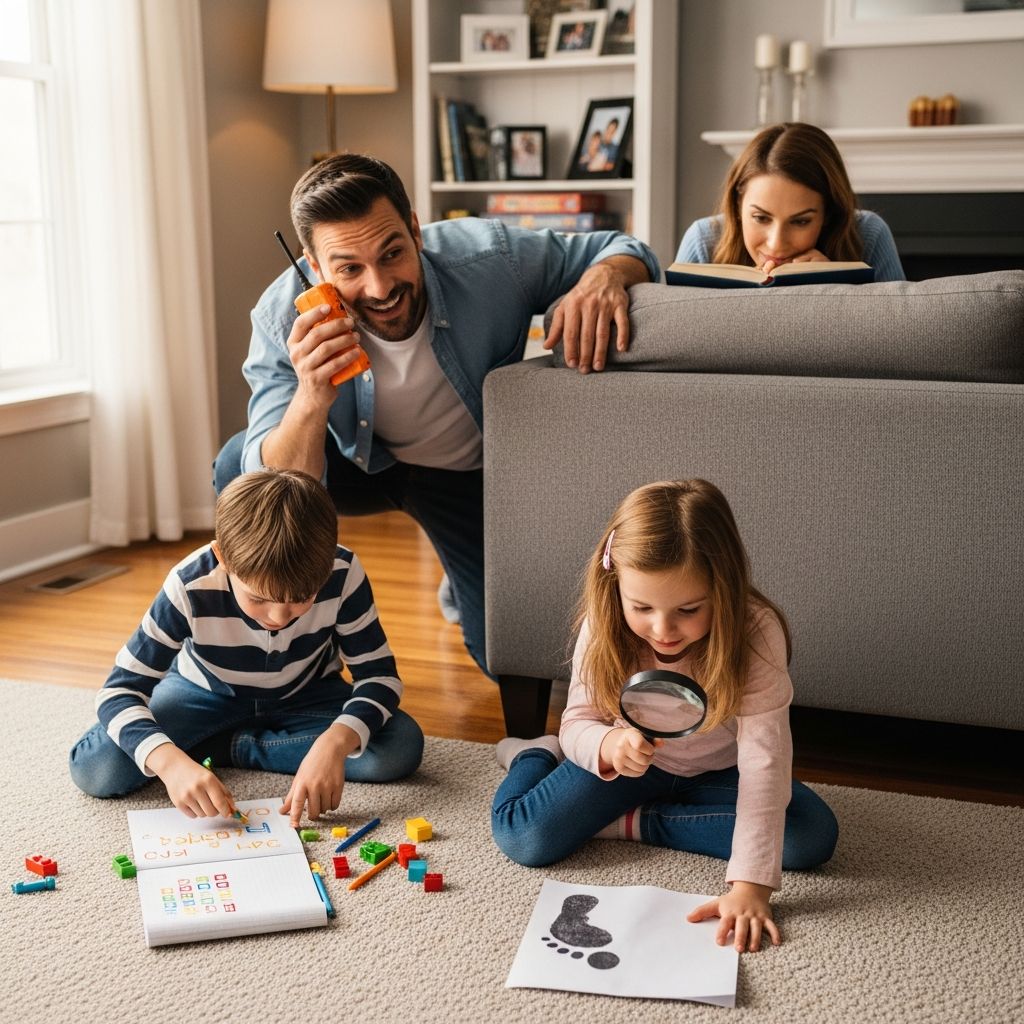
Parenting in today’s unpredictable world demands more than intuition—it requires strategy, awareness, and adaptability. Former CIA operatives Christina and Ryan Hillsberg bring their field-tested expertise to the forefront in their innovative guide, transforming covert operations into family life lessons. By blending high-stakes spy training with real-world child-rearing, they offer parents a blueprint for cultivating children who are not just safe, but empowered to thrive independently.
From Clandestine Ops to Family Dynamics
The transition from covert missions to diaper changes might seem worlds apart, but Christina and Ryan discovered striking parallels. Christina, once an intelligence analyst, and Ryan, a seasoned operations officer, recognized that the core principles of CIA tradecraft—situational awareness, risk assessment, and rapid decision-making—directly translate to nurturing resilient kids. Their book weaves personal stories from espionage careers with humorous parenting mishaps, all vetted by agency standards, to illustrate these connections.
Imagine teaching a toddler to ‘exfiltrate’ from a playground scuffle or a teen to ‘vet sources’ before sharing online rumors. These aren’t gimmicks; they’re practical adaptations of spy methodologies that build lifelong skills. The Hillsbergs’ approach emphasizes exposure to controlled challenges, much like training exercises in the field, to prepare children for real dangers without unnecessary peril.
Core Espionage Principles in Child Development
At the heart of their philosophy are foundational spy skills repurposed for growth. Parents learn to instill heightened awareness, encouraging kids to scan environments for opportunities and threats. This isn’t paranoia; it’s proactive vigilance that boosts confidence and quick thinking.
- Observation Drills: Simple games where children note details in a room, sharpening memory and perception—key for academic and social success.
- Risk Calibration: Balancing adventure with safety, like letting kids climb trees while teaching fall prevention.
- Adaptability Training: Role-playing scenarios to practice flexibility, from lost toys to family moves.
These methods foster self-sufficiency, reducing parental hovering and promoting independence. Ryan’s corporate security role reinforces this, showing how professional discipline applies at home.
Building Communication Like a Field Agent
Effective spies master persuasion, deception detection, and concise briefing. The Hillsbergs teach parents to coach these in children, turning shy kids into articulate negotiators. Through anecdotes, they share how to role-play interviews or debates, helping youngsters vet information and influence peers positively.
| Spy Skill | Parenting Application | Child Benefit |
|---|---|---|
| Asset Handling | Building trust in relationships | Stronger friendships |
| Interrogation Resistance | Standing up to bullies | Emotional resilience |
| Briefing Techniques | Family meetings | Clear expression |
This structured communication equips kids to navigate school, social media, and future careers with poise.
Cultivating Resilience Through Controlled Exposure
One of the boldest tenets is embracing discomfort. The Hillsbergs advocate ‘safety-conscious risks,’ like unsupervised park play or basic survival hikes, echoing CIA simulations. Christina recounts leaving the agency for full-time motherhood to five kids, applying her husband’s risk-tolerant style to prevent overprotection.
Research from child psychology supports this: moderate challenges build grit. Parents using these tactics report kids who handle failures gracefully, from sports losses to academic setbacks. The book provides step-by-step plans, ensuring age-appropriate implementation.
Navigating Digital Threats with Intel Analyst Precision
In the age of smartphones, digital literacy is paramount. Drawing from intelligence analysis, the Hillsbergs guide parents on teaching source verification, phishing recognition, and online personas. Kids learn to treat social media like reconnaissance missions—gathering intel without exposure.
- Fact-checking drills using reliable databases.
- Privacy audits for personal profiles.
- Simulated cyber scenarios to practice responses.
This prepares children for a connected world, reducing vulnerabilities to misinformation and predators.
Family Teamwork: The Operations Cell Model
Treating the family as a covert unit strengthens bonds. Ryan and Christina model collaboration, assigning ‘roles’ to kids based on strengths—scout, communicator, planner. Weekly debriefs review wins and lessons, mirroring post-mission reviews.
Blended family dynamics, including step-parenting, benefit immensely. Anecdotes highlight turning potential conflicts into team-building ops, fostering unity and respect.
Practical Takeaways for Busy Parents
The book’s 15 chapters deliver bite-sized, actionable advice. No spy gadgets required—just everyday integration. Parents of toddlers through teens find relevance, with scalable tips like:
- Bedtime stories with embedded spy lessons.
- Chore rotations as ‘mission assignments.’
- Travel games for adaptability.
Humorous fails, like botched stakeouts turned family picnics, keep it relatable.
Frequently Asked Questions
Can these spy techniques work for single parents?
Absolutely. The methods scale to any family structure, focusing on individual empowerment rather than dual-agent dynamics.
Is it safe to expose young kids to ‘risks’?
Yes, with safeguards. The Hillsbergs stress graduated challenges, always supervised initially, backed by safety protocols.
How does this differ from standard parenting books?
Unlike theory-heavy guides, this uses real spy anecdotes for memorable, practical tools proven in high-stakes environments.
What ages are the strategies best for?
All ages, from preschoolers learning basics to teens mastering advanced intel skills.
Where can I get the book club resources?
Penguin Random House offers kits, and it’s featured in summer reading clubs for group discussions.
Why Spy Parenting Resonates Now
In an era of uncertainty—pandemics, cyber threats, social divides—parents crave empowerment tools. License to Parent delivers, blending excitement with efficacy. Readers praise its fresh voice, calling it ‘the parenting book you didn’t know you needed.’
Christina and Ryan’s journey from spies to parents proves elite skills democratize success. Families adopting these habits report savvier, happier kids ready for anything. It’s not about raising mini-agents; it’s about equipping them with an unfair advantage: resilience, smarts, and security.
References
- License to Parent Book Club Feature — Mother.ly. 2023-07-01. https://www.mother.ly/life/license-to-parent-book-club/
- License to Parent Official Page — Christina Hillsberg. 2023-06-01. https://www.christinahillsberg.com/license-to-parent
- Podcast: Christina and Ryan Hillsberg on License to Parent — Moms Don’t Have Time to Read Books (Acast). 2023-06-15. https://shows.acast.com/moms-dont-have-time-to-read-books/episodes/christinaandryanhillsberg-licensetoparent-howmycareerasaspyhelpedmeraiseresourceful-self-sufficientkids
- Book Recommendation: License to Parent — Westmont Library. 2023-01-15. https://westmontlibrary.org/bookrecs/2023/01/15/license-to-parent-how-my-career-as-a-spy-helped-me-raise-resourceful-self-sufficient-kids/
- 5 Key Insights from License to Parent — Next Big Idea Club. 2023-06-20. https://nextbigideaclub.com/magazine/license-parent-career-spy-helped-raise-resourceful-self-sufficient-kids-bookbite/28851/
- Ryan Hillsberg Author Page — Penguin Random House. 2023-01-01. https://www.penguinrandomhouse.com/authors/2216028/ryan-hillsberg/
- License to Parent Review — Publishers Weekly. 2022-12-01. http://www.publishersweekly.com/9780593191118