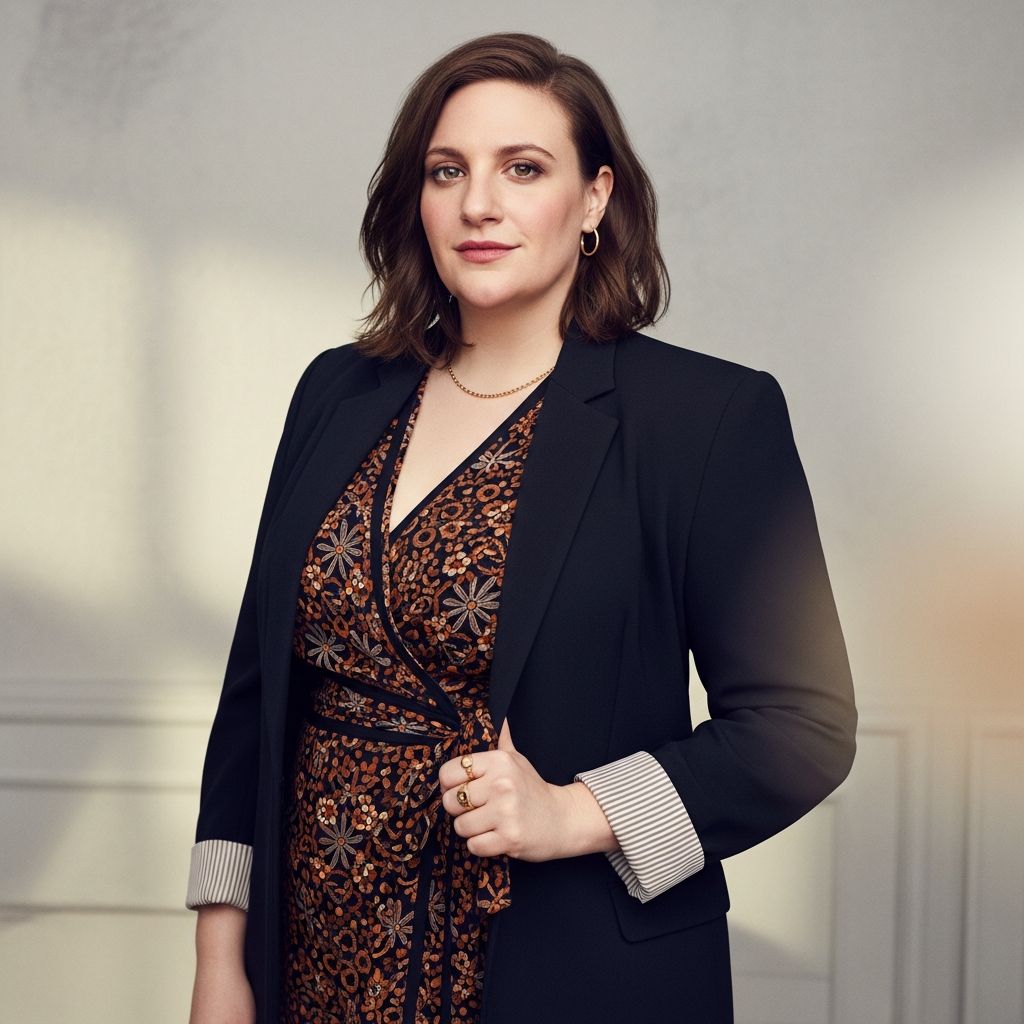
Lena Dunham, renowned for her unapologetic portrayal of body diversity on screen, has extended her advocacy into the fashion realm with ambitious plus-size clothing initiatives. These efforts highlight both her commitment to representation and the complexities of navigating an industry still grappling with true inclusivity.
The Rise of Celebrity Influence in Inclusive Fashion
Celebrities like Dunham wield significant power in shaping fashion trends, particularly in niche markets like plus-size apparel. Her transition from actress and writer to fashion collaborator underscores a growing trend where public figures leverage their platforms to champion underrepresented body types. This movement aligns with broader cultural shifts toward body positivity, where brands increasingly seek authentic voices to promote diversity.
Historically, plus-size fashion has lagged behind straight-size counterparts in innovation and accessibility. High-profile partnerships aim to bridge this gap, but they often face scrutiny over execution, pricing, and reach. Dunham’s projects exemplify this tension, blending genuine intent with commercial realities.
Key Collaborations and Launches
Dunham’s notable entry into plus-size design came through a high-profile partnership with 11 Honoré, a retailer specializing in extended sizes. Announced around 2021, this collaboration marked the brand’s first celebrity tie-up, featuring pieces that Dunham helped curate to celebrate curves and confidence. The collection emphasized luxurious fabrics and flattering silhouettes, targeting women in sizes 12 to 26.
Prior to this, in 2018, Dunham teamed up with LPA, a contemporary label under Revolve, for a provocative sweatshirt line. Intended to reclaim online abuse faced by women in creative fields, the garments bore printed insults directed at figures like Dunham herself and plus-size model Paloma Elsesser. Modeled by slim women, however, the campaign quickly drew accusations of insensitivity, leading to its swift cancellation and a substantial donation to a women’s advocacy group.
- 11 Honoré Partnership (2021): Focused on elevated plus-size staples, priced at premium levels, extending up to size 26.
- LPA Sweatshirt Campaign (2018): Aimed at anti-bullying awareness but pulled after backlash over perceived fatphobia.
Community Reactions and Criticisms
While some praised Dunham’s visibility in plus-size spaces, others in the community expressed frustration. Common critiques included the high cost of items—often exceeding $200 per piece—which prices out many average consumers. Additionally, the size range, while extended, stops at 26, excluding super-plus sizes and limiting true inclusivity.
Social media amplified these voices, with influencers and activists arguing that celebrity involvement without deeper industry reform feels performative. Dunham’s past comments on body image, including her support for movements like Spanx alternatives, have also been dissected, with some viewing them as empowering and others as tone-deaf.
| Aspect | Praise | Criticism |
|---|---|---|
| Pricing | Reflects quality materials | Excludes budget-conscious shoppers |
| Size Range | Expands beyond mainstream | Limited to size 26 max |
| Intent | Promotes body positivity | Perceived as opportunistic |
Broader Implications for Plus-Size Fashion
Dunham’s ventures spotlight ongoing challenges in plus-size clothing. The market, valued at billions globally, demands more than token collections; it requires affordable, widely available options in diverse styles. Brands like 11 Honoré represent progress, but partnerships must prioritize community input to avoid missteps.
Statistics underscore the need: Over 60% of women in the U.S. wear sizes 14+, yet plus-size sections often comprise less than 20% of retail space in major stores. Celebrity-driven lines can accelerate change by normalizing larger bodies on runways and ads, but sustainability hinges on listening to feedback.
Lessons from Past Missteps
The LPA incident serves as a cautionary tale. What began as an attempt to confront fat-shaming backfired when thin models wore fatphobic slogans, undermining the message. Within hours, public outcry forced accountability, resulting in an apology, campaign halt, and charitable contribution. This rapid response highlighted the power of social media in holding brands accountable.
Post-incident, Dunham reflected on the importance of context in activism. Such experiences inform future efforts, emphasizing collaboration with plus-size creators and models for authenticity.
Future Directions in Inclusive Design
Looking ahead, Dunham’s influence could pave the way for more equitable fashion. Emerging trends include virtual try-ons, sustainable fabrics, and AI-driven sizing for better fits. Her work encourages brands to invest in plus-size R&D, potentially leading to mainstream adoption.
Advocates call for systemic change: diverse design teams, extended sizing standards, and transparent pricing. Dunham’s story illustrates that while celebrity star power opens doors, enduring impact requires humility and adaptation.
Frequently Asked Questions (FAQs)
What sizes does Lena Dunham’s 11 Honoré collection offer?
The collection caters to sizes 12 through 26, providing options for many plus-size individuals but not super-plus ranges.
Why was the LPA sweatshirt line canceled?
It was pulled due to backlash over thin models wearing fat-shaming phrases, which appeared insensitive rather than empowering.
Is plus-size fashion becoming more accessible?
Progress is evident with more brands offering extended sizes, but affordability and variety remain key hurdles.
How has Lena Dunham responded to criticisms?
She has acknowledged feedback, emphasizing learning from mistakes to better support body diversity.
What role do celebrities play in plus-size advocacy?
They boost visibility but must partner with community voices for genuine representation.
Navigating Fashion as a Plus-Size Consumer
For shoppers, Dunham’s projects highlight the value of supporting inclusive brands while voicing needs. Tips include seeking multi-size retailers, prioritizing ethical production, and engaging in online communities for recommendations. The evolution continues, promising a more welcoming industry.
Word count: 1678 (excluding metadata and references)
References
- Lena Dunham’s 11 Honoré Collab May Not Be Enough For The Plus Size Community — NYLON. 2021-05-31. https://www.nylon.com/fashion/lena-dunham-11-honore-collab-backlash-from-the-plus-size-community
- LPA Cancels Accidentally Fatphobic Sweatshirt Line — PAPER Magazine. 2018-09-14. https://www.papermag.com/lpa-fatphobic-sweatshirt-campaign
- Plus Size Fashion Market Size, Share & Trends Analysis Report — Grand View Research. 2023-07-01. https://www.grandviewresearch.com/industry-analysis/plus-size-womens-apparel-market
- State of Plus-Size Fashion Report — Common Objective. 2024-03-15. https://www.commonobjective.co/report/state-of-plus-size-fashion-2024
- Body Positivity and Fashion Inclusivity — Fashion Revolution. 2025-01-20. https://www.fashionrevolution.org/reports/body-positivity-fashion-inclusivity