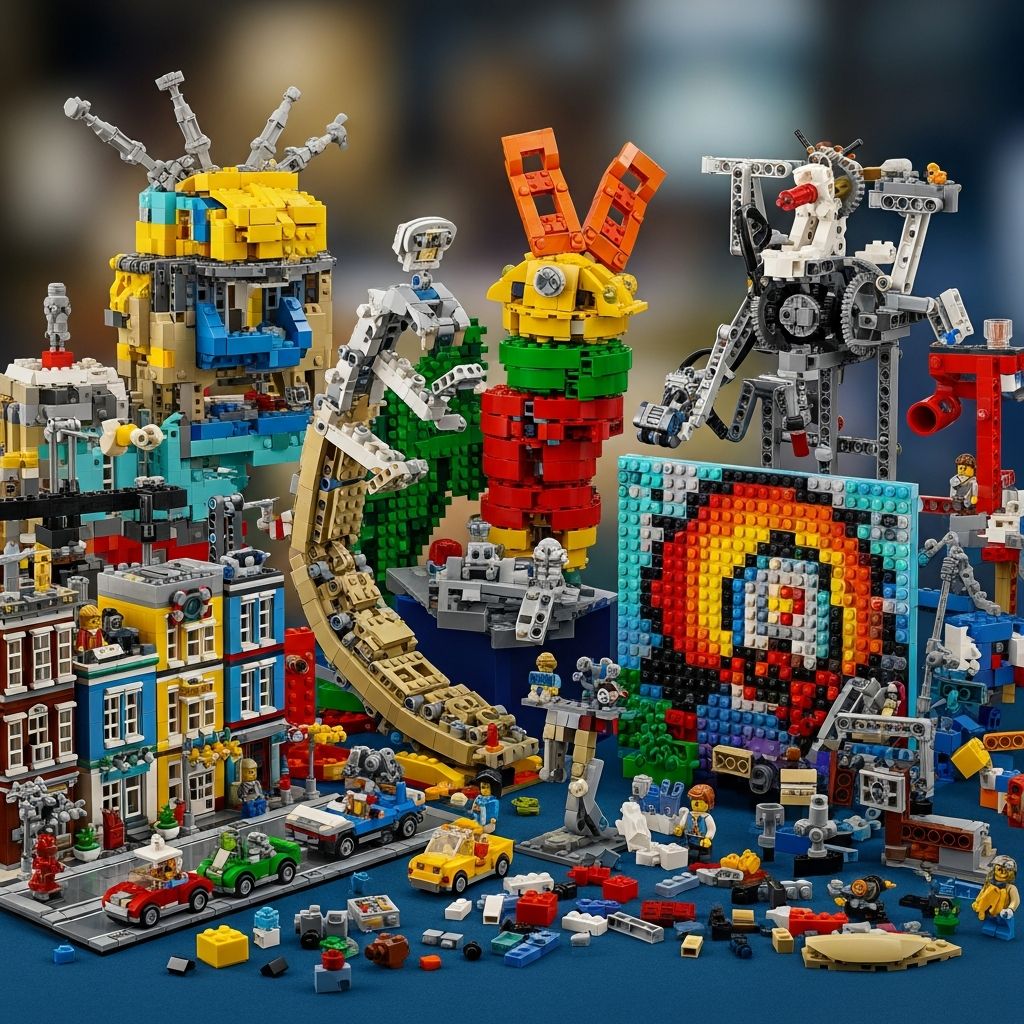
Introduction to LEGO Building Mastery
LEGO building is more than just stacking bricks—it’s a creative journey that blends engineering, art, and imagination. Whether you’re a beginner or a seasoned builder, mastering new techniques can transform your models from basic to breathtaking. This guide explores original approaches and expert tips to help you unlock your full potential as a LEGO builder.
Essential Building Techniques
Every great LEGO creation starts with a solid foundation. Understanding the core building techniques is crucial for stability and creativity.
- Interlocking Structures: Use alternating brick orientations to create strong, interlocked walls. Offset each layer by two studs to prevent weak points and ensure durability.
- Triangulation: For larger or more complex builds, incorporate triangular shapes using beams and liftarms. This technique increases stability and prevents wobbling in tall or wide models.
- Reinforcement with Pins: Secure joints with pins and axles, especially in Technic builds. This ensures smooth movement and structural integrity.
Innovative Construction Methods
Once you’ve mastered the basics, experiment with advanced techniques to add flair and functionality to your builds.
- SNOT (Studs Not on Top): Attach bricks sideways or upside down to create unique surfaces and decorative elements. This method is perfect for adding details to walls, vehicles, or sculptures.
- Modular Building: Break complex models into smaller subassemblies. This makes it easier to test and adjust individual parts before combining them into the final piece.
- Angled Connections: Use hinge pieces and brackets to build at angles. This is ideal for creating dynamic shapes, such as sloped roofs or articulated limbs.
Decorative and Functional Details
Adding details can turn a simple model into a masterpiece. Focus on both aesthetics and practicality.
- Window and Lighting Effects: Alternate layers of bricks and window pieces to create transparent walls. This allows for internal lighting and adds depth to your builds.
- Custom Roof Designs: Stack roof bricks with offset layers to create stepped or pyramid roofs. Use special apex pieces for clean finishes at the top.
- Unique Textures: Combine different brick types and colors to create interesting textures and patterns on your models.
Advanced Tips for LEGO Technic
LEGO Technic sets offer endless possibilities for mechanical movement and engineering challenges.
- Gearing Systems: Master gear ratios to create working engines, robots, or automated features. Worm gears are especially useful for reducing speed and increasing torque.
- Pin and Axle Connections: Use friction pins for flexible joints and gray pins for smooth rotation. Black pins are ideal for manual movement, such as doors or levers.
- Subassembly Integration: Connect modules with axles and pins to ensure alignment and stability. Test each section before final assembly.
Building Inspiration Table
| Technique | Best For | Tips |
|---|---|---|
| Interlocking Structures | Walls, Sculptures | Offset layers by 2 studs for strength |
| Triangulation | Tall or Wide Models | Use beams and liftarms for stability |
| SNOT | Decorative Surfaces | Attach bricks sideways or upside down |
| Angled Connections | Dynamic Shapes | Use hinges and brackets |
| Gearing Systems | Mechanical Models | Experiment with gear ratios |
FAQs
What are the best LEGO building techniques for beginners?
Beginners should start with interlocking structures and alternating brick orientations for strong walls. Experiment with simple SNOT techniques and use pins for reinforcement.
How can I make my LEGO models more stable?
Incorporate triangulation with beams and liftarms, reinforce joints with pins, and ensure all connections are secure. Test your build’s flexibility and adjust as needed.
What are some creative ways to add details to LEGO builds?
Use SNOT techniques for unique surfaces, alternate layers with window pieces for lighting effects, and combine different brick types for texture.
How do I build moving parts with LEGO Technic?
Master gear ratios and use friction pins for flexible joints. Worm gears are great for reducing speed and increasing torque in mechanical models.
Can I build at angles with LEGO?
Yes, use hinge pieces and brackets to create angled connections. This is perfect for dynamic shapes like sloped roofs or articulated limbs.
Conclusion
LEGO building is a limitless playground for creativity and engineering. By mastering essential techniques, experimenting with innovative methods, and adding unique details, you can transform your builds into works of art. Whether you’re a beginner or an expert, there’s always something new to discover in the world of LEGO.