Muhammad Ali is remembered worldwide as a heavyweight champion, civil rights figure, and cultural icon. For Laila Ali, he was also something far more complicated: a father she adored, clashed with, questioned, and slowly came to understand on her own terms. This article explores how she built her identity in the shadow of greatness, challenged his expectations, and ultimately discovered who he was beyond the myth.
Growing Up in the Shadow of a Legend
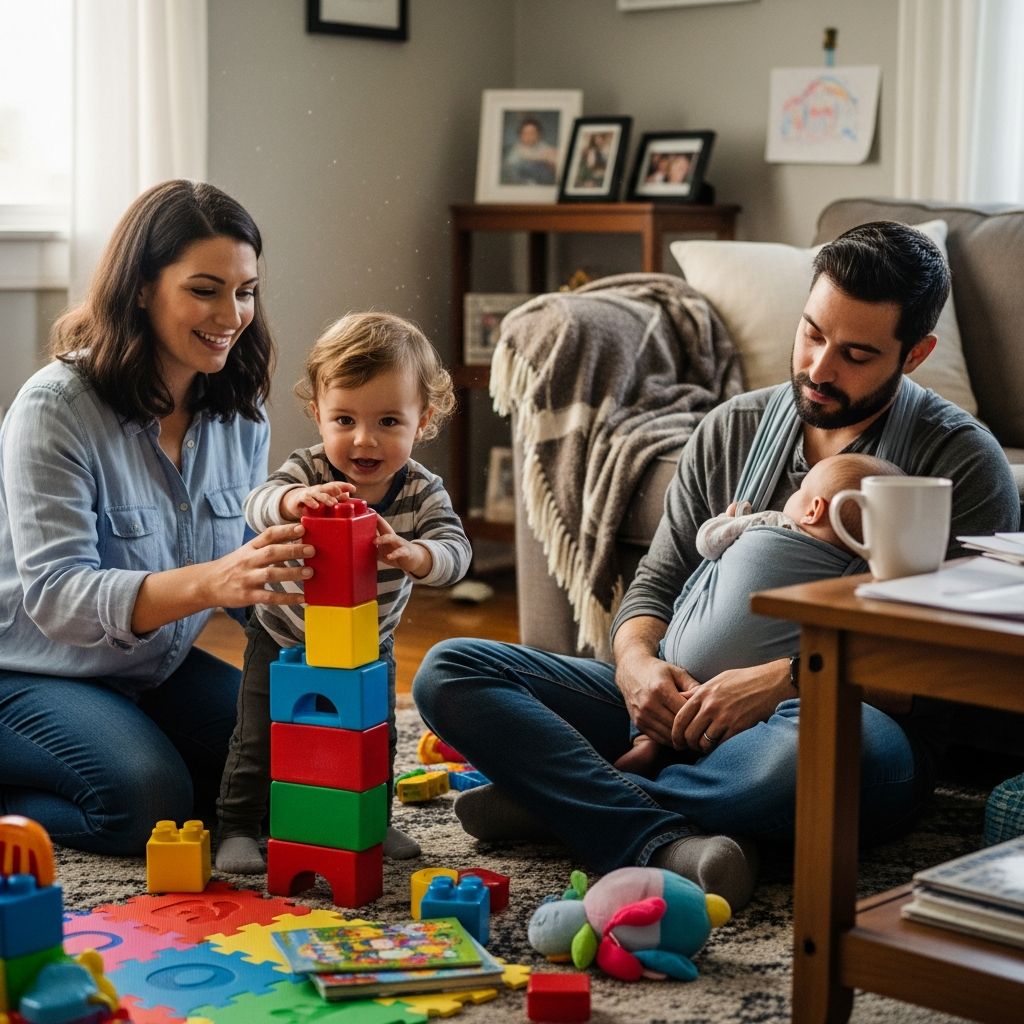
To the world, Muhammad Ali was a symbol of courage and conviction. To his youngest daughter, childhood meant sharing a parent with millions of strangers who believed they knew him intimately. Research on children of highly visible public figures shows that growing up in an environment of constant attention can blur the line between public image and private reality, often leaving kids feeling both proud and isolated.
Laila’s early years were shaped by three powerful forces:
- His public heroism – She knew her father had sacrificed his boxing career and risked prison because he refused to serve in the Vietnam War, citing his religious beliefs and opposition to the conflict, a stand later vindicated when the U.S. Supreme Court overturned his conviction.
- His religious devotion – Ali converted to Islam in the 1960s, and his faith guided many of his most controversial but principled decisions, providing a moral framework that deeply influenced his family life.
- His physical decline – By the time Laila was old enough to understand him as a person, Parkinson’s disease had already begun to limit the most visible parts of his identity: speech, movement, and performance.
In that environment, Laila had to answer two difficult questions very early: Who is my father, really? And who am I, apart from him?
Independence in a Famous Household
Children raised in high-profile families often react in one of two ways: either they become fiercely protective of the family legacy, or they push away from it in search of individuality. Laila’s story shows elements of both. She admired her father’s determination but did not accept that his beliefs had to define her path.
From a young age, she developed a strong sense of independence. Studies on adolescent development suggest that teenagers who feel confident expressing disagreement at home often grow into adults who are better able to set boundaries and advocate for themselves. For Laila, that independence took concrete shape in three areas:
- Questioning expectations – She challenged assumptions about how a daughter of Muhammad Ali should behave, dress, and live, resisting the idea that fame was her main identity.
- Making her own moral choices – She openly disagreed with her father about religion, telling him she did not want to follow Islam, a decision that initially angered and disappointed him before he learned to accept it.
- Taking charge of her future – Rather than relying on his name, she looked for ways to build her own career and reputation, even if those paths created conflict at home.
This willingness to say “no” to a powerful parent set the stage for the biggest disagreement of their lives: her decision to become a professional boxer.
When a Daughter Defies the Champ
When Laila announced that she wanted to box professionally, Muhammad Ali objected strongly. According to interviews she has given, he told her bluntly that boxing was “not for women” and worried about the physical risks and emotional toll of the sport. He knew the cost of being hit for a living; he was already living with its consequences.
Their conflict over boxing reveals several layers of their relationship:
- Protective fear – Ali’s resistance came from a place of concern. Decades of research on contact sports shows a link between repetitive head impacts and long-term brain disease, including chronic traumatic encephalopathy and Parkinson’s symptoms. He had lived that reality and did not want it for his daughter.
- Generational views on gender – He was raised in an era when women’s boxing was rare and stigmatized. Many athletic commissions did not formally recognize women’s boxing until the late 20th century, and female fighters often faced hostility and limited opportunities.
- Her need to own her life – Laila saw his opposition as a limit she could not accept. She has described telling herself that even if her father was a legend, she could not let his fears dictate her choices.
In choosing to fight, she risked more than physical injury; she risked damaging the most important relationship in her life. But for her, asserting control over her destiny was non-negotiable.
Building a Career Under the Brightest Spotlight
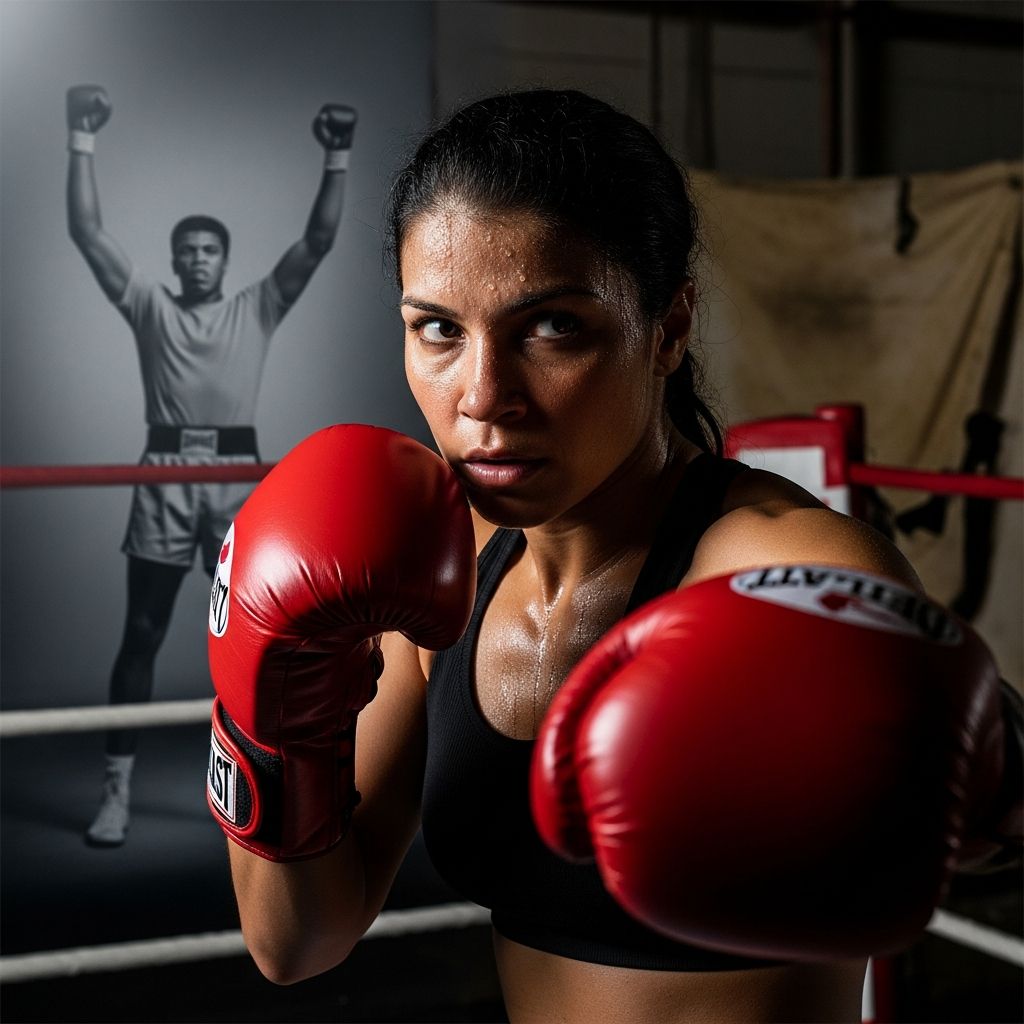
Stepping into the ring as Muhammad Ali’s daughter meant every jab, slip, and knockout would be judged against one of the greatest boxers in history. That kind of scrutiny can be psychologically crushing, but it can also sharpen focus. Laila turned the weight of expectation into motivation.
Her professional record tells part of the story. She retired undefeated, with 24 wins and no losses, capturing multiple super middleweight and light heavyweight titles. Yet the numbers do not fully capture the pressure she faced.
| Aspect | Muhammad Ali | Laila Ali |
|---|---|---|
| Era | 1960s–1970s heavyweight boxing | Late 1990s–2000s women’s boxing |
| Key challenge | Racism, political backlash, war resistance | Skepticism about women’s boxing and nepotism claims |
| Signature trait | Outspoken activism and showmanship | Quiet confidence and relentless work ethic |
| Legacy | Global icon beyond sport | Pioneer who helped legitimize women’s boxing |
Despite the different eras and divisions, both father and daughter turned their careers into platforms for something larger: he for racial justice and anti-war activism, and she for women’s visibility and agency in sports.
Turning Conflict into Respect
Over time, Muhammad Ali’s stance on his daughter’s career softened. After initially opposing her decision to box, he attended her fights, watched her win by knockout, and experienced the roar of the crowd chanting their shared last name.
In later interviews, Laila has described a powerful moment after one of her early victories: she looked into his eyes and saw pride, joy, and a sense that they were sharing the ring together, even though only one of them was fighting that night. For a man whose body no longer allowed him to move like he once did, seeing his daughter carry their name through the ropes gave him something back that illness had taken away.
The key lessons in their evolving relationship include:
- Respect can grow from disagreement – He eventually admired the same stubbornness that had once frustrated him, recognizing that her defiance came from the same belief-driven spirit that had guided his own life.
- Parents can change their minds – Ali later apologized to her for not supporting her boxing career from the start, a gesture that reflected emotional growth and humility.
- Boundaries can strengthen bonds – By insisting on her right to make her own decisions, Laila did not reject her father; she invited him to know her as a full, autonomous adult.
Seeing the Man Behind the Myth
One of the hardest tasks for any child of a public hero is learning to separate the symbol from the person. Laila grew up watching her father celebrated for bravery and righteousness, yet at home he was also capable of anger, disappointment, and human mistakes. His multiple marriages and complex family dynamics made their relationship even more layered.
As she matured, she began to appreciate his story with adult eyes:
- She saw how much he had given up when he refused to serve in Vietnam, losing nearly four years of his prime fighting career and facing intense public criticism before the Supreme Court cleared him.
- She understood that his deep commitment to Islam in the 1960s and 1970s came with social costs but also gave him the conviction to stand against war, racism, and injustice.
- She recognized that Parkinson’s disease was not only a medical diagnosis but an emotional burden, stripping away many outward signs of the man the world adored.
Doing this emotional work allowed her to hold two truths at once: that her father was both a global hero and a flawed, vulnerable human being. Psychology research on adult children of famous or powerful parents suggests that this kind of “dual vision” is essential for forming a stable identity—one that honors a parent’s achievements without being crushed by them.
Carrying the Name, Defining Herself
Beyond boxing, Laila has built a multifaceted life: author, television personality, health advocate, entrepreneur, and parent. In doing so, she has shown that being “Muhammad Ali’s daughter” is only one part of who she is.
Several themes emerge from how she has carried her father’s legacy into her own work:
- Discipline and preparation – The mindset she developed as a fighter—showing up, doing the work, and staying ready—now informs her approach to business and family life.
- Service and uplift – Like her father, she often ties her public work to messages of empowerment, especially for women, young people, and those navigating adversity.
- Health and long-term thinking – Watching Ali live with Parkinson’s disease has reinforced her advocacy for wellness, nutrition, and informed decision-making about high-risk activities.
In many ways, her adult life answers the question her childhood posed: Can you honor a towering parent without living in their shadow? Her path suggests that the answer is yes—but only with honesty, courage, and a willingness to break with expectations.
Lessons for Parents and Children from Their Story
Even though most families will never know the intensity of global fame, the emotional dynamics in Laila and Muhammad Ali’s relationship are remarkably universal. Their story offers practical insights for both parents and adult children.
For Parents
- Protection must be balanced with trust – Ali tried to protect his daughter from boxing because he knew its dangers. But once it became clear that this was her passion, his eventual support became a powerful expression of love.
- Apologies are a sign of strength – When he told Laila he was sorry for not backing her from the start, he modeled humility. Research in family psychology suggests that parental apologies can repair ruptures and foster long-term closeness.
- Let children define their beliefs – His acceptance of her religious choices, after initial conflict, demonstrated respect for her conscience and autonomy.
For Adult Children
- Disagreeing is not disloyalty – Laila’s willingness to challenge her father on religion and career did not mean she loved him less; it meant she was claiming ownership of her life.
- See your parents in context – Understanding the historical, cultural, and personal pressures that shaped Muhammad Ali helped her process his flaws without dismissing his greatness.
- You can carry the legacy differently – She honored his fighting spirit not by imitating his choices exactly, but by applying that courage to her own era and opportunities.
Frequently Asked Questions (FAQs)
Did Muhammad Ali ever support Laila Ali’s boxing career?
Yes. Although he initially tried to discourage her from boxing, he later attended her fights, expressed pride in her success, and eventually apologized for not supporting her decision sooner.
Why was Muhammad Ali opposed to his daughter becoming a boxer at first?
He worried about the physical dangers of boxing—dangers he knew firsthand—and also held traditional views about gender roles in the sport, believing at the time that boxing was not appropriate for women.
How did Laila Ali’s upbringing influence her independence?
Growing up with a globally celebrated father pushed her to define herself outside of his fame. She developed a strong will, openly disagreed with him on issues like religion, and insisted on making her own career choices, including becoming a professional boxer.
What is Laila Ali’s boxing record and legacy?
Laila retired undefeated with 24 wins and 0 losses, winning multiple world titles in the super middleweight and light heavyweight divisions. She is widely credited with helping to elevate the visibility and credibility of women’s boxing during the 2000s.
How has Muhammad Ali’s health affected Laila’s perspective?
Watching her father live with Parkinson’s disease, a condition associated with long-term neurological damage, deepened her understanding of the risks of boxing and reinforced her focus on health, wellness, and long-term quality of life.
References
- Consensus statement on concussion in sport: the 6th International Conference on Concussion in Sport — British Journal of Sports Medicine. 2023-06-01. https://bjsm.bmj.com/content/57/11/695
- Laila Ali Is Undefeated — Even Against Her Father — WBUR / Only A Game. 2017-06-16. https://www.wbur.org/onlyagame/2017/06/16/laila-ali-boxing-muhammad
- Laila Ali — Encyclopaedia Britannica. 2020-01-10. https://www.britannica.com/biography/Laila-Ali
- History of Women’s Boxing — International Boxing Association (IBA). 2022-03-18. https://www.iba.sport/news/history-of-womens-boxing/
- Muhammad Ali v. United States, 403 U.S. 698 — Supreme Court of the United States. 1971-06-28. https://supreme.justia.com/cases/federal/us/403/698/