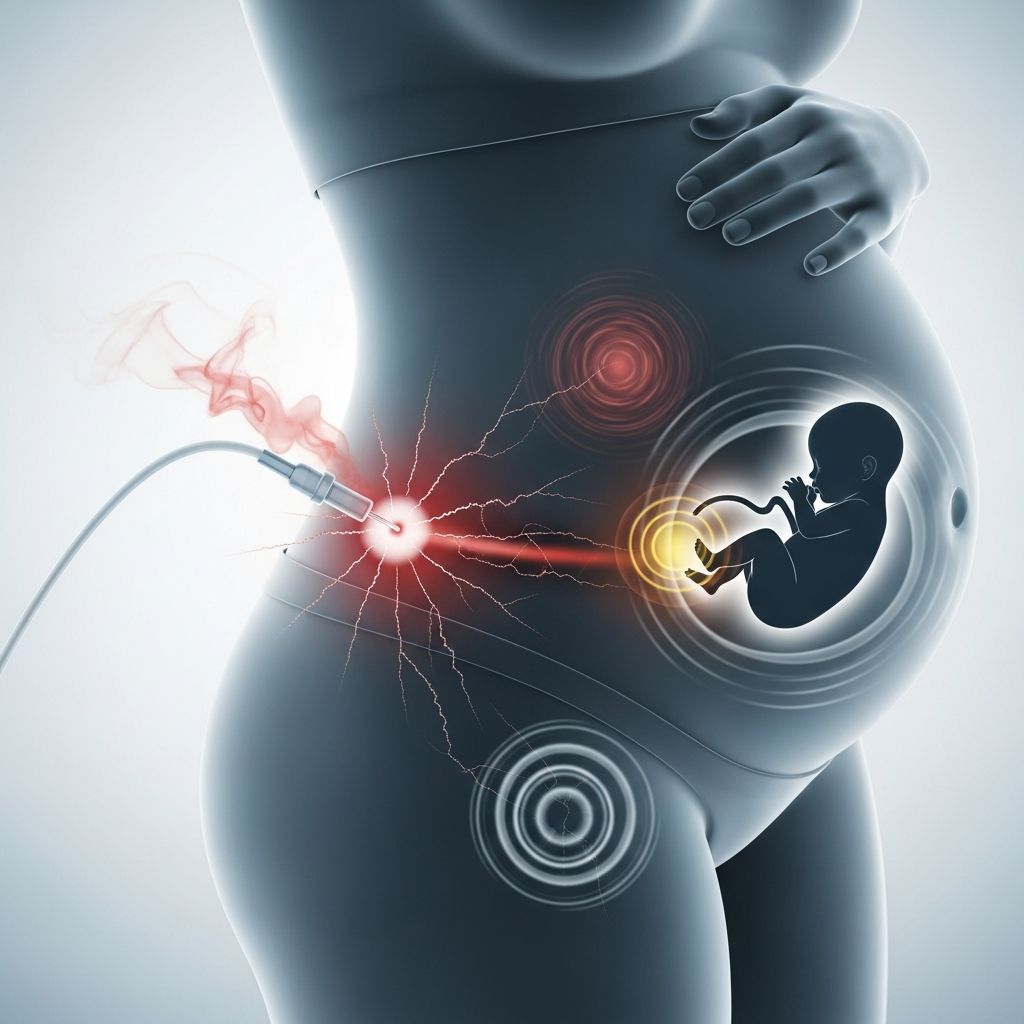
Labor pain varies greatly among individuals, but numerous strategies exist to help alleviate discomfort during childbirth. These range from simple, drug-free techniques to advanced medical interventions, allowing parents to tailor their approach based on preferences and circumstances.
Understanding the Nature of Labor Discomfort
Childbirth contractions arise from the uterus tightening to push the baby through the birth canal, often described as intense menstrual cramps intensifying over time. Factors like positioning, prior births, and emotional state influence pain perception. Preparation through education empowers expectant parents to navigate this process confidently.
Non-Medical Techniques for Pain Alleviation
Many women find relief through natural methods that promote relaxation and endorphin release, reducing the need for pharmacological aids. These approaches can be used alone or combined for optimal effect.
- Breathing and Relaxation Exercises: Controlled breathing patterns, such as slow deep inhales and exhales, help manage contraction intensity by oxygenating muscles and calming the nervous system. Progressive muscle relaxation, starting from the head and moving downward, trains the body to release tension.
- Movement and Positioning: Staying upright or switching positions frequently, like walking, swaying on a birthing ball, or kneeling, leverages gravity and eases pressure on the pelvis. Hands-and-knees posture particularly relieves back labor.
- Hydrotherapy Benefits: Warm water immersion in a tub or shower provides buoyancy, reducing gravity’s pull while the water’s heat soothes sore muscles. Many report accelerated labor progression and heightened sense of control.
- Temperature Therapies: Alternating hot packs on the abdomen or lower back with cool cloths on the forehead creates counter-sensations that distract from pain signals. Change applications every 20 minutes for best results.
These methods stimulate the body’s natural painkillers, endorphins, effectively blocking pain pathways to the brain.
Touch-Based Comfort Measures
Physical contact from a support partner plays a crucial role in diminishing perceived pain. Techniques include:
- Counter-pressure: Firm hand pressure on the lower back or hips during peaks of contractions counters nerve signals from painful areas.
- Effleurage: Gentle stroking of the belly, thighs, or feet promotes relaxation and pleasure sensations that override discomfort.
- Full-body Massage: Using lotion for firm kneading of shoulders, neck, and feet releases endorphins. Bare skin enhances effectiveness; avoid light tickling touches.
A dedicated labor coach, practiced in these skills beforehand, amplifies their impact, fostering emotional security.
Advanced Non-Invasive Tools
Devices like Transcutaneous Electrical Nerve Stimulation (TENS) units deliver mild electrical pulses to the lower back via skin pads. Users control intensity, creating tingling that interrupts pain transmission without drugs. Safe for mother and baby, it’s especially useful early in labor.
Aromatherapy with calming scents like lavender, applied via diffusers or cloths, complements other methods by evoking positive associations and reducing anxiety.
Medical Pain Relief Interventions
When natural methods prove insufficient, medical options offer targeted relief. Discuss availability and risks with healthcare providers prenatally.
| Method | How It Works | Pros | Cons |
|---|---|---|---|
| Nitrous Oxide (Laughing Gas) | Inhaled via mask during contractions | Quick onset, self-administered, no lingering effects | Takes edge off but doesn’t eliminate pain; possible nausea |
| Pethidine (Opioid Injection) | Muscle or IV injection | Provides 2-4 hours relief | Sedation, nausea; crosses placenta affecting baby |
| Epidural Block | Anesthetic injected into spinal lining | Highly effective numbness from waist down | Prolongs labor; rare headache (1%); requires monitoring |
Epidurals, used in about 77% of U.S. vaginal deliveries, significantly lower severe maternal complications by 14% per recent studies.
Regional Anesthesia Details
Epidurals involve a catheter in the epidural space for continuous dosing, keeping mothers alert for vaginal or cesarean births. Spinal blocks offer faster relief for cesareans. Combined spinal-epidural (CSE) blends benefits of both. Continuous fetal monitoring ensures safety.
Potential side effects include slowed second-stage pushing, possibly necessitating forceps, and temporary mobility loss. Most women regain sensation within hours post-delivery.
Creating a Personalized Birth Plan
A flexible birth plan outlines preferred methods, starting with least invasive. Include backup options if labor intensifies unexpectedly. Communicate with your care team about allergies, medical history, and mobility needs. Continuous partner support halves anxiety, enhancing all techniques’ efficacy.
Prenatal classes teaching breathing, positioning, and partner roles build confidence. Practice relaxation daily for instinctive recall during labor.
Special Considerations for Different Labor Types
- Back Labor: Prioritize counter-pressure, TENS, and knee-chest positions.
- Preterm or High-Risk: Some methods like epidurals may be recommended early.
- Post-Epidural Care: Mobility aids and bladder catheterization support recovery.
Postpartum Recovery and Pain
After birth, perineal soreness or cesarean incisions require gentle care. Ice packs, sitz baths, and stool softeners aid healing. Breastfeeding triggers additional endorphins, naturally easing discomfort.
Frequently Asked Questions
Can I switch from natural methods to medication mid-labor?
Yes, flexibility is key. If pain overwhelms, request nitrous oxide or epidural promptly; timing affects administration feasibility.
Is TENS safe for my baby?
Absolutely, with no known side effects for mother or fetus.
How soon after an epidural can I walk?
Typically 1-2 hours post-removal, with assistance and provider approval.
Does hydrotherapy speed up labor?
Evidence suggests it may, by relaxing muscles and improving blood flow.
What if I’m afraid of needles for epidural?
Discuss alternatives like nitrous or non-drug options; numbing injections precede the epidural needle.
Empowering Your Birth Experience
Knowledge of diverse options equips parents to advocate effectively. Consult midwives or obstetricians to align choices with health profiles. Ultimately, prioritizing comfort ensures positive memories of welcoming your baby.
References
- Childbirth – pain relief options — Better Health Channel. 2023. https://www.betterhealth.vic.gov.au/health/healthyliving/childbirth-pain-relief-options
- Nonpharmacologic Pain Management During Labor — Northwestern Medicine. 2024. https://www.nwh.org/patient-guides-and-forms/maternity-guide/maternity-chapter-3/comfort-measures-during-labor-and-delivery-non-pharmacological-methods
- Managing pain during childbirth — NCBI Bookshelf, NIH. 2023-10-01. https://www.ncbi.nlm.nih.gov/books/NBK279572/
- Medications for Pain Relief During Labor and Delivery — American College of Obstetricians and Gynecologists (ACOG). 2024. https://www.acog.org/womens-health/faqs/medications-for-pain-relief-during-labor-and-delivery
- Comfort Strategies For Labor — Essentia Health. 2024. https://www.essentiahealth.org/services/obstetrics/labor-delivery/comfort-strategies-for-labor
- Labor Pain – Management & Relief — American Society of Anesthesiologists. 2024. https://madeforthismoment.asahq.org/pain-management/types-of-pain/labor/