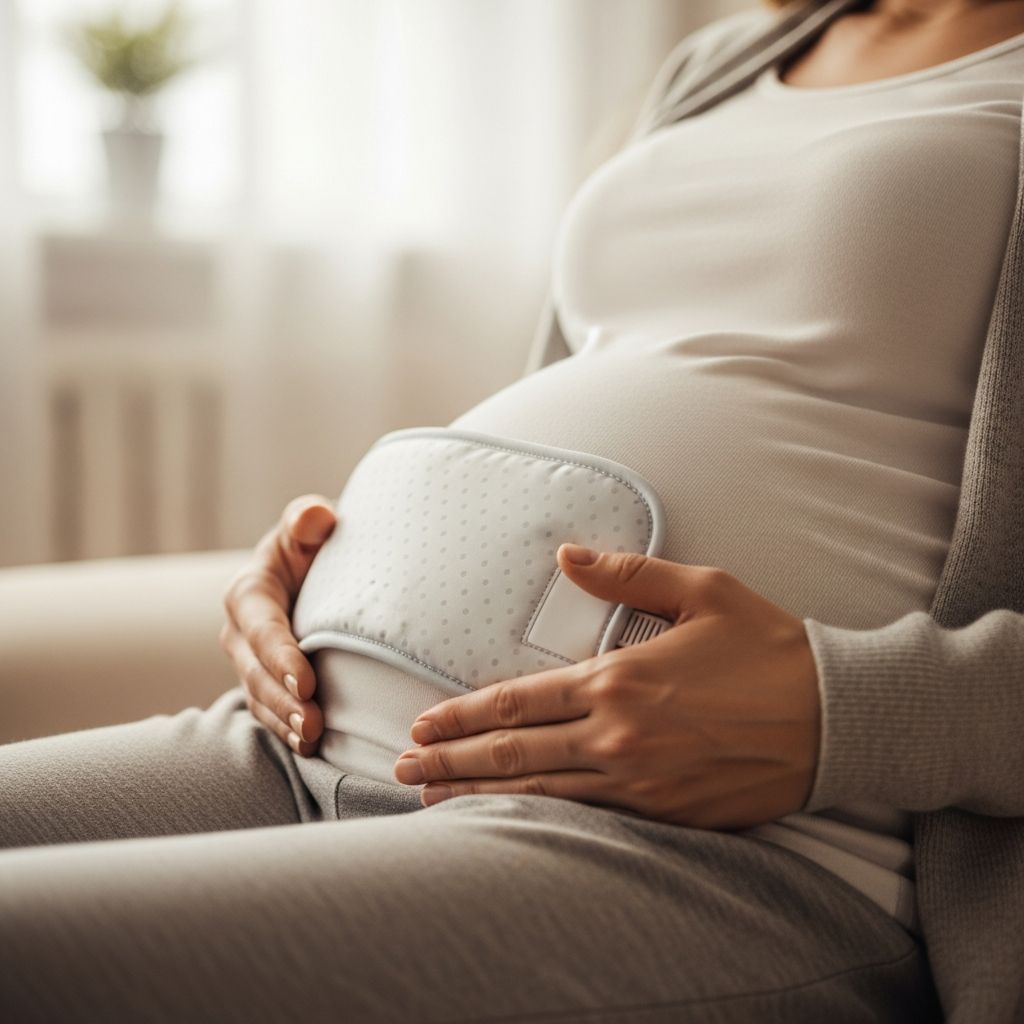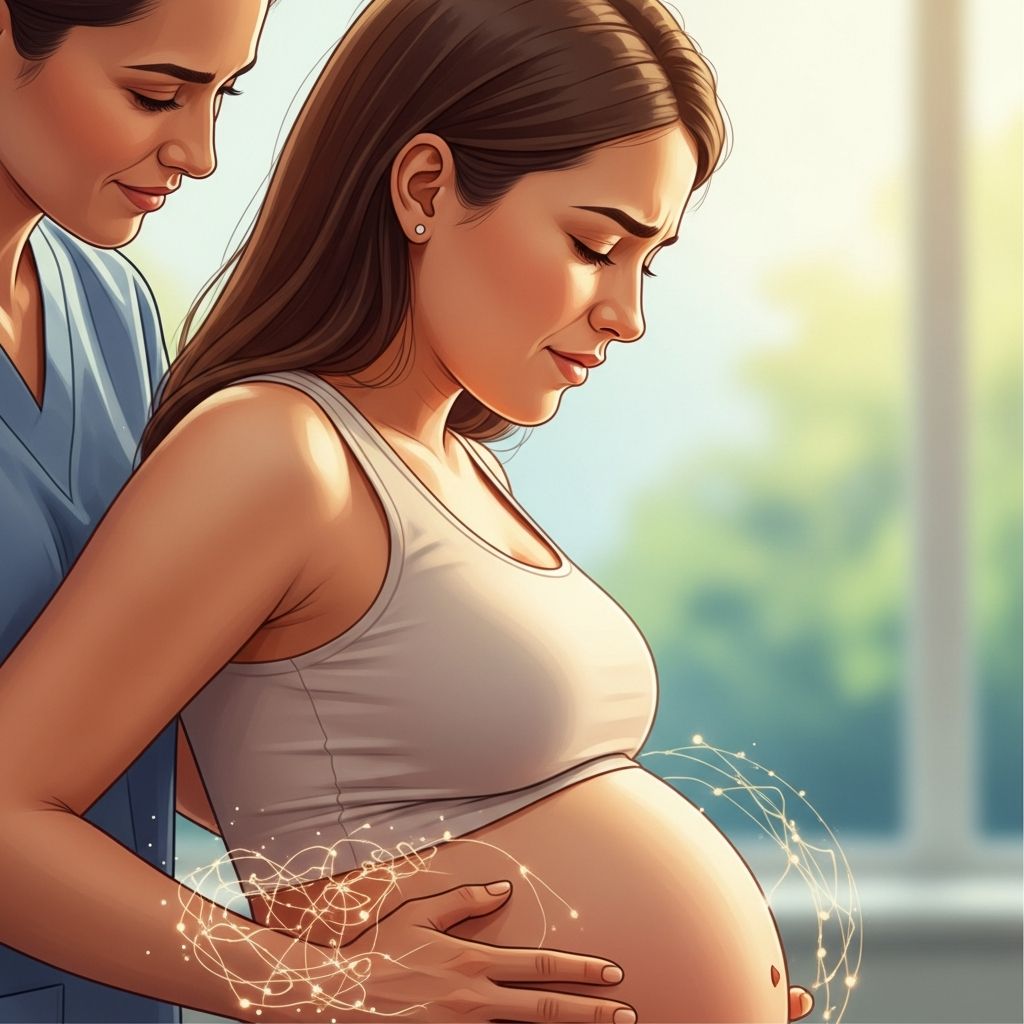
Labor pain arises primarily from uterine contractions that dilate the cervix and propel the baby through the birth canal, involving both visceral and somatic nerve pathways. This natural process, though intense, follows predictable patterns across three main stages, helping parents prepare mentally and physically.
The Physiology Behind Childbirth Discomfort
Childbirth discomfort stems from two key pain types: visceral, felt deep in the abdomen during early contractions as the cervix stretches (mediated by T10-L1 spinal segments), and somatic, sharper pain in the late stages from pelvic floor distension (via T12-L1 and S2-S4 nerves). Uterine muscles contract rhythmically, building pressure that triggers nociceptors, with intensity rising as dilation advances from 0 to 10 cm.
First-time mothers often report higher pain levels due to less familiar sensations, while subsequent births may intensify during fetal descent. Hormones like oxytocin drive these contractions, peaking in frequency and duration, mimicking intense menstrual cramps that evolve into waves.
Navigating the Initial Phase of Labor
The onset of labor, or early first stage, involves subtle cervical softening and effacement, lasting hours or days with irregular, mild cramps akin to period pain. Expectants may notice lower backaches, a bloody mucus plug (‘show’), loose stools, or amniotic fluid leakage—clear or pink indicates normalcy, while green tinges warrant immediate medical attention.
Contractions here span 20-45 seconds, spaced 5-30 minutes apart, allowing rest and light activities like walking to encourage progress. This latent phase, up to 6 cm dilation, averages 12-19 hours for primiparous women, shorter for multiparous. Stay hydrated, time contractions, and contact providers if intervals shorten to under 5 minutes or pain escalates.
- Mild lower abdominal tightening: Builds gradually, eases with position changes.
- Back pressure: From baby’s head engaging the pelvis.
- Nausea or energy bursts: Nesting instincts signaling hormonal shifts.
Intensifying Active Labor Sensations
Active labor ramps up from 6-10 cm dilation, with contractions lengthening to 45-60 seconds every 3-5 minutes, causing pronounced cervical thinning. Pain shifts to a deeper ache, radiating to hips and thighs, as the uterus coordinates to descend the baby.
This phase, lasting 4-8 hours, demands focus; discomfort peaks with each surge, often described as unrelenting waves cresting intensely before subsiding. Leg cramps, rectal pressure, and shakiness emerge, signaling transition—the briefest yet fiercest subphase (15-60 minutes).
| Active Labor Signs | Description | Duration/Frequency |
|---|---|---|
| Stronger contractions | Deep, wrapping around abdomen | 45-90 sec, 3-5 min apart |
| Back/hip pain | Constant pressure from descent | Increases progressively |
| Urge to bear down | Intense rectal fullness | Signals near full dilation |
The Pushing Phase: Peak Effort and Pressure
Second stage commences at full 10 cm dilation, culminating in birth, spanning 20 minutes to 2+ hours. Contractions intensify (1-2 minutes apart), paired with an involuntary push urge, vaginal stretching (‘ring of fire’), and perineal burning.
Midwives guide breathing and positioning—semi-upright or side-lying—to optimize fetal descent and reduce tearing risks. Epidurals may prolong this stage but ease voluntary control. Shaking, vomiting, and crowning (baby’s head visible) mark final pushes; trust bodily cues while avoiding premature straining.
- Overwhelming push reflex: Like needing to defecate intensely.
- Burning stretch: From tissues expanding around baby’s head.
- Relief post-birth: Immediate hormonal calm after delivery.
Finalizing Delivery: Placenta Expulsion
Third stage follows birth, involving milder contractions to detach and deliver the placenta (5-30 minutes). A fullness sensation prompts gentle pushes, often aided by cord traction under supervision. Uterine massage prevents hemorrhage, with medications like oxytocin accelerating separation if needed.
Pain here is minimal compared to prior stages, fading as oxytocin surges foster bonding. Monitor for excessive bleeding; active management shortens this phase safely.
Individual Variations in Pain Experience
Pain thresholds vary by parity, pelvic anatomy, fetal position (posterior babies heighten back labor), and prior education. Nulliparous women endure longer first stages with heightened early sensory pain, while multiparous face rapid pelvic intensification. Psychological prep, like mindfulness antenatal classes, mitigates perceived intensity.
Proven Strategies for Pain Alleviation
Non-pharmacological methods empower control: hydrotherapy (warm showers easing tension), movement (walking, birthing ball), counter-pressure on sacrum, and patterned breathing (slow inhales, pursed exhales). TENS units provide electrical distraction, aromatherapy calms nerves.
Medical options escalate with need: nitrous oxide for quick relief, opioids for sedation, or epidurals blocking somatic nerves effectively (though delaying push urge). Discuss birth plans prenatally, balancing mobility with analgesia.
| Method | Pros | Cons |
|---|---|---|
| Breathing Techniques | Free, immediate, no side effects | Requires practice |
| Epidural | Highly effective for intense pain | May slow labor, limit movement |
| Water Immersion | Relaxes muscles, reduces stress | Not for all births |
Psychological Preparation for Labor
Mindset profoundly influences pain tolerance; visualization, partner support, and doula presence buffer anxiety, enhancing oxytocin. Hypnobirthing reframes contractions as ‘surges,’ diminishing fear-pain cycles. Postpartum, memories soften rapidly despite peak severity.
Antenatal education demystifies sensations, boosting confidence—studies affirm informed women report higher satisfaction regardless of intervention.
Recognizing When to Seek Urgent Care
- Contractions over 5 min apart lasting 1+ min for 1 hour (first-timers).
- Green/bloody waters, decreased fetal movement, or severe headache/vision changes.
- Unrelenting pain between contractions or bleeding heavier than a period.
Frequently Asked Questions About Labor Pain
Is labor pain worse for first-time mothers?
Yes, often due to longer duration and unfamiliarity, though multiparous may peak sharply later.
How long does transition last?
Typically 15-60 minutes, the most intense but shortest first-stage part.
Can I manage without an epidermal?
Absolutely—many use movement, hydrotherapy, and breathing successfully.
What does the ‘ring of fire’ feel like?
A intense burning as the head crowns, subsiding quickly post-birth.
Does labor pain fade after birth?
Yes, endorphins and bonding hormones rapidly alleviate memory of severity.
This guide equips you with evidence-based knowledge to approach labor empowered. Consult your healthcare team for personalized advice.
References
- Stages of labour — The Royal Women’s Hospital. 2023. https://www.thewomens.org.au/health-information/pregnancy-and-birth/labour-birth/stages-of-labour
- Stages of labor — March of Dimes. 2024-01-16. https://www.marchofdimes.org/find-support/topics/birth/stages-labor
- The Pain of Labour — PubMed Central (PMC). 2015-09-24. https://pmc.ncbi.nlm.nih.gov/articles/PMC4589939/
- Stages of labor and birth: Baby, it’s time! — Mayo Clinic. 2024. https://www.mayoclinic.org/healthy-lifestyle/labor-and-delivery/in-depth/stages-of-labor/art-20046545
- The stages of labour and birth — NHS. 2024. https://www.nhs.uk/pregnancy/labour-and-birth/the-stages-of-labour-and-birth/